


What is a Foodie: A Comprehensive Exploration
Introduction
The word “foodie” has moved from niche slang to everyday vocabulary, mirroring a worldwide surge in enthusiasm for eating, cooking and discovering everything edible. This overview unpacks the idea of a foodie, tracing how the label emerged, what qualities it suggests, and how it shapes the way we travel, shop and connect with one another.
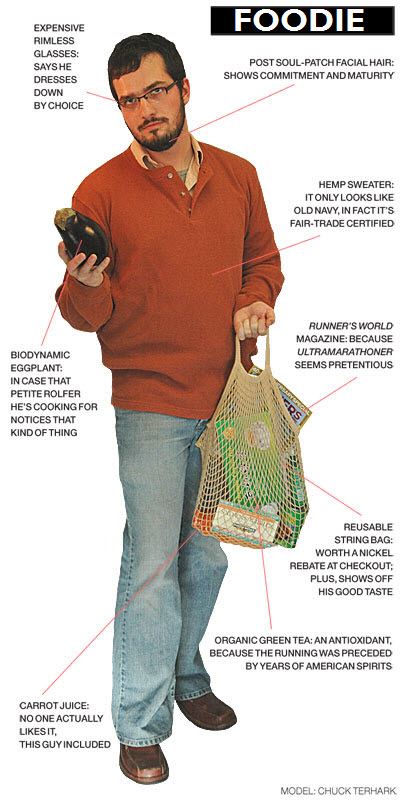
The Evolution of the Foodie
Origins of the Term
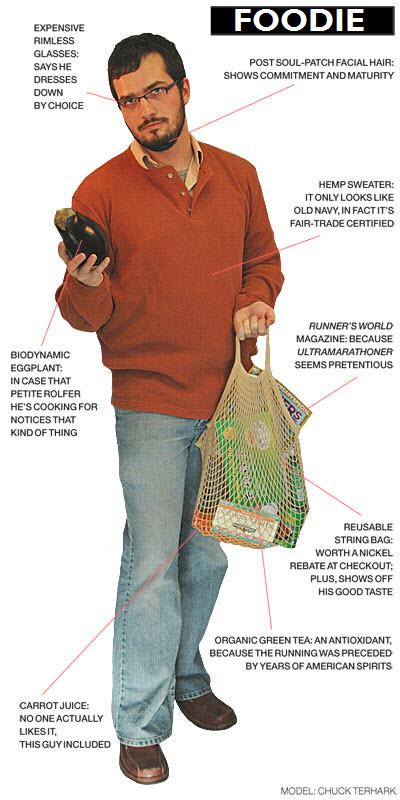
“Foodie” first appeared in print several decades ago as a playful offshoot of “food lover.” Originally it described anyone who greeted unfamiliar dishes with excitement rather than suspicion. Since then the meaning has widened to include everyone from farmers-market regulars to late-night street-food hunters.
Characteristics of a Foodie
While no two food enthusiasts are identical, most share a handful of traits:
1. Curiosity: They chase new flavors, ingredients and techniques with open minds and empty plates.
2. Knowledge: Meals spark questions about origin, tradition and preparation, leading to an ever-growing store of culinary facts.
3. Discernment: Quality matters; they can taste the difference between fresh and stale, carefully crafted and mass-produced.
4. Social Connection: Sharing discoveries—whether through dinner parties, online forums or tasting events—is half the fun.
The Foodie’s Impact on Society

Culinary Tourism
Curiosity-driven travelers now plan entire itineraries around meals, transforming quiet neighborhoods and remote regions into sought-after destinations. Food tours, cooking holidays and seasonal festivals have become pillars of local economies.
Food Media and Social Media
Blogs, podcasts and short-form videos give eaters instant access to recipes, reviews and behind-the-scenes stories. Photo-friendly platforms accelerate trends, turning a humble dish into a global craze overnight while also building supportive communities.
Food Industry Innovation

Producers respond to adventurous palates with limited-edition flavors, sustainable packaging and transparent sourcing. Small-batch producers, urban rooftop farms and pop-up kitchens all benefit from an audience eager to taste what’s new.
The Foodie’s Influence on Food Culture
Preservation of Culinary Heritage
By seeking authentic street snacks, heirloom grains or time-intensive sauces, foodies shine a spotlight on traditions that might otherwise fade, encouraging chefs and home cooks to keep ancestral techniques alive.
Encouragement of Sustainable Practices
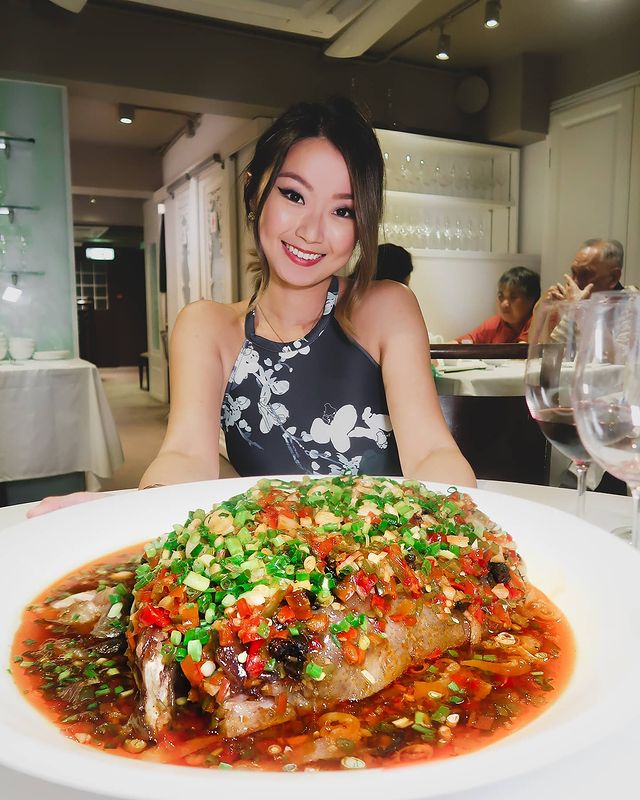
Questions about where food comes from and how it is grown lead many enthusiasts to choose local, seasonal and ethically raised products, nudging restaurants and retailers toward greener supply chains.
Fostering a Sense of Community
From communal tables at food festivals to online groups swapping sourdough tips, shared culinary passions create meeting points across generations, cultures and languages.
Conclusion
The foodie mindset has rippled far beyond personal plates, influencing tourism, media and production methods worldwide. As curiosity continues to drive new dining experiences, the culture of enthusiastic eating will keep shaping how food is grown, prepared, celebrated and remembered.
Recommendations and Future Research
Scholars and industry observers can deepen understanding by exploring:
1. The economic ripple effects of food-centric travel on small towns and emerging regions.
2. How apps, virtual reality and other technologies expand access to culinary education and remote tastings.
3. The balance between rising demand for specialty crops and the need for resilient, sustainable food systems.
Further investigation in these areas will clarify how an appetite for discovery can support both cultural heritage and future food security.


