

The Art of Plating in Modern Gastronomy
Introduction
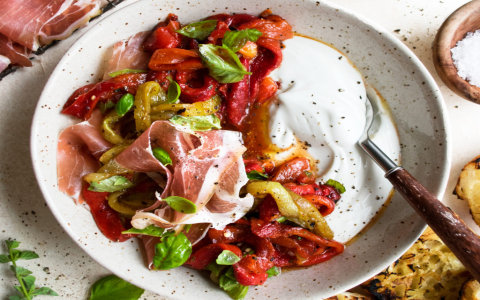
Plating—the thoughtful arrangement of food on the plate—has become a cornerstone of memorable dining. From color balance to negative space, every detail influences how guests perceive flavor and value. This overview examines why plating matters, how it shapes the meal, and where the craft is heading next.
The Role of Plating in Elevating Meals
1. Visual Appeal
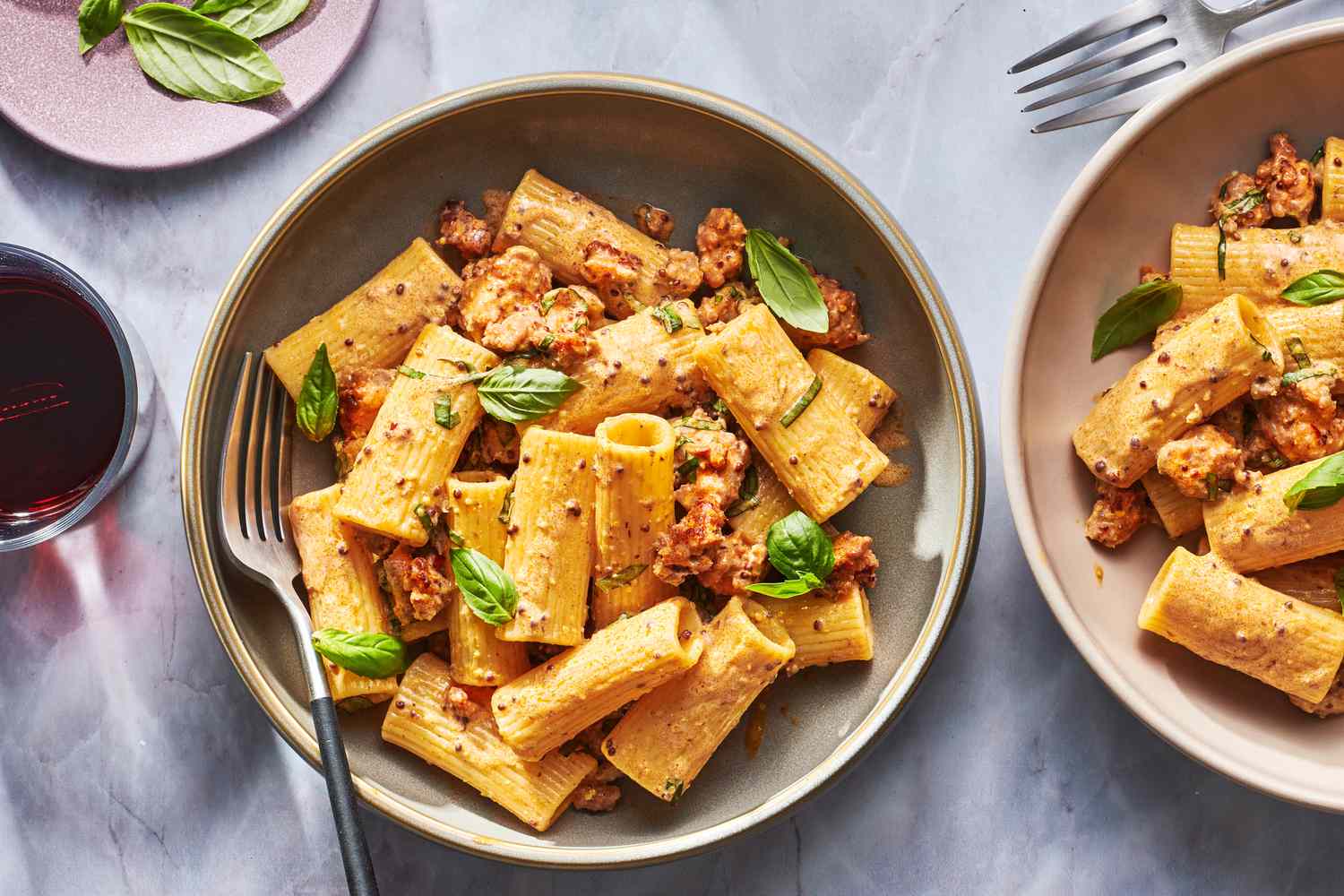
Humans taste first with their eyes. A well-composed plate primes the palate, turning even modest ingredients into an event. Soft lighting, deliberate spacing, and a pop of color can make aromas seem more vivid and flavors more pronounced.
2. Aesthetics and Creativity
The plate is a chef’s canvas. By layering textures, heights, and hues, cooks translate personal style into edible art. Progressive kitchens often experiment with abstract forms, playful sauces, and edible flowers to spark curiosity before the first bite.
3. Storytelling
Presentation can whisper a narrative: a single herb placed atop a fillet might evoke a childhood garden, while a slate slab could signal rugged coastlines. These quiet cues invite diners to linger, imagine, and connect beyond simple sustenance.
The Impact of Plating on the Restaurant World
1. Branding and Marketing
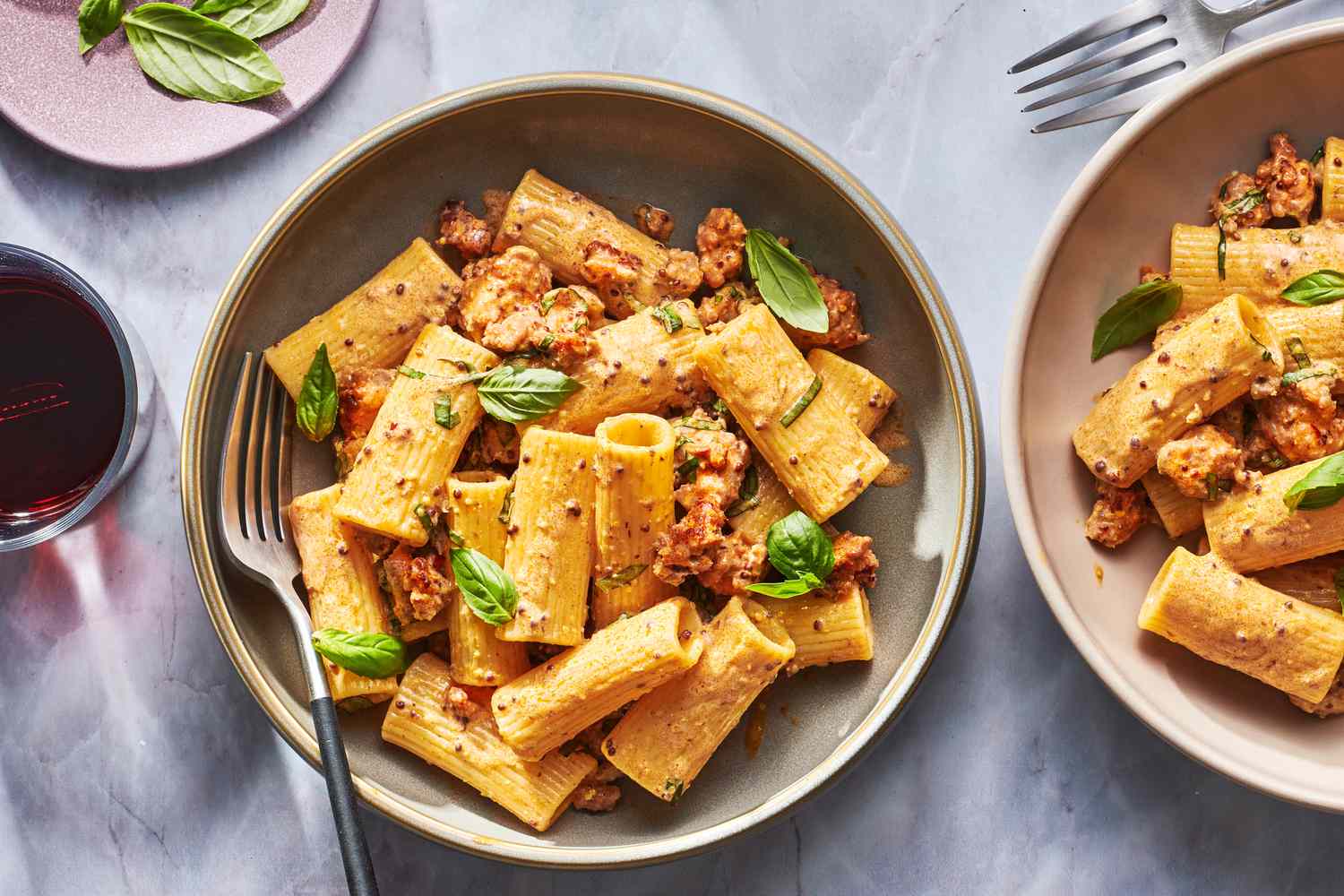
Striking visuals travel fast online. A signature look—perhaps a dramatic pour of hot broth tableside or a dessert served on a mirror—encourages shares, hashtags, and return visits, turning guests into unofficial ambassadors.
2. Revenue Generation
Guests routinely pay a premium for dishes that photograph well and feel exclusive. Thoughtful plating signals care and craftsmanship, allowing operators to price menus higher without increasing portion size.
3. Professional Development
Mastery of plating accelerates career growth. Cooks who understand balance, focal points, and movement often move quickly into leadership roles, consultancy work, and media opportunities.
Challenges and Future Directions
1. Sustainability
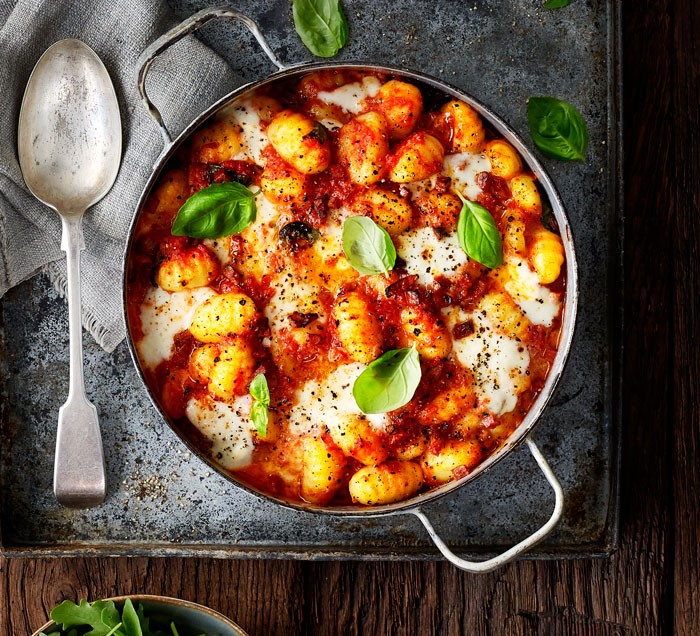
Eco-minded chefs now swap imported garnishes for surplus greens, repurpose stems into crisps, and choose reusable service ware. The goal: beauty without excess waste or carbon cost.
2. Technological Advancements
Digital projection, laser etching, and precision molds are entering mainstream kitchens. These tools promise interactive plates that change color or reveal hidden messages, merging cuisine with entertainment.
Conclusion
Plating remains a powerful language in gastronomy, translating flavor, emotion, and identity into visual form. As sustainability imperatives and new technologies reshape the field, the fundamental aim endures: to delight guests and honor ingredients. By balancing innovation with respect for the plate, chefs will continue to craft edible stories that linger long after the last crumb is gone.


