


The Impact of Culinary Videos on Food Culture and Everyday Choices
Introduction
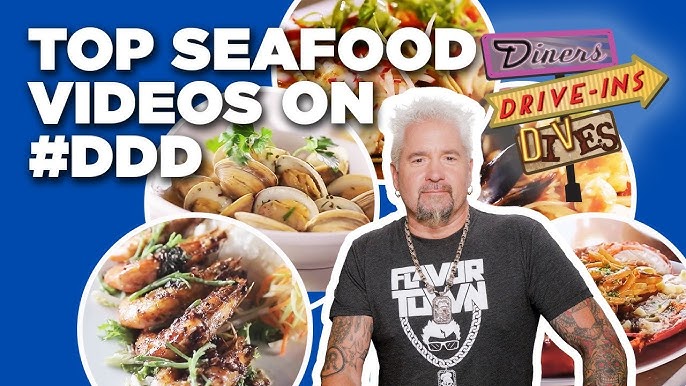
Cooking-focused video content has become a daily ritual for millions, filling screens with sizzling pans, vibrant produce, and easy-to-follow guidance. Short clips, long-form series, and live streams alike shape what people crave, cook, and share. This article looks at how these videos steer kitchen creativity, shopping lists, and the wider food scene.
The Rise of Culinary Videos
1.1 From Scheduled Shows to On-Demand Clips
What began as weekend morning broadcasts has turned into an always-on library accessible from any device. Early studio programs gave way to niche cable channels, and later to streaming platforms where chefs, home cooks, and curious novices upload content around the clock. The result is an endless buffet of inspiration that viewers can sample whenever hunger—literal or visual—strikes.
1.2 Social Platforms as the New Pantry
Apps built for quick scrolling have pushed culinary clips into the mainstream. A fifteen-second story can launch a planetary craze for whipped coffee or folded tortillas, while longer tutorials demystify bread-starter science. Comments, duets, and remixes turn solitary viewing into a communal experience, encouraging audiences to taste, tweak, and repost their own results.
The Influence on Food Culture
2.1 Sparking Creativity
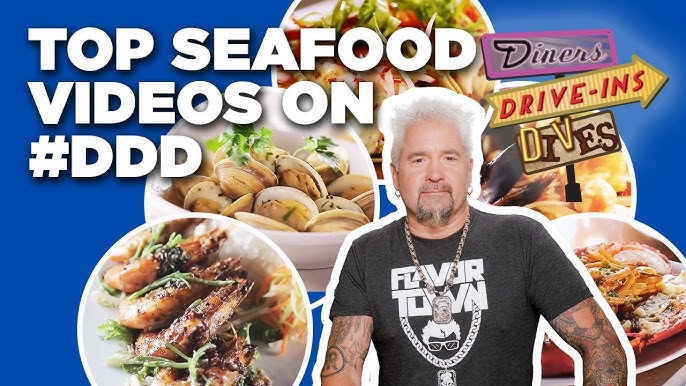
Seeing a dish plated on screen often nudges viewers to recreate, adapt, or reinvent it. Techniques once guarded in professional kitchens—reverse searing, fermenting, or dramatic chocolate domes—now circulate freely, empowering even first-time cooks to experiment confidently.
2.2 Keeping Heritage Alive
Clips that spotlight grandmothers hand-stretching noodles or stone-grinding spices act as living recipe cards. By recording these processes, creators preserve regional identities and invite younger generations to continue edible traditions that might otherwise fade.

2.3 Blending Borders
Exposure to global pantries encourages playful fusion: kimchi finds its way into quesadillas, tahini sweetens brownies, and turmeric colors lattes. Such cross-pollination celebrates diversity while reminding audiences that flavor has no passport.
The Influence on Everyday Choices
3.1 Shifting Tastes
When plant-based burgers or seaweed snacks repeatedly appear in feeds, curiosity converts into demand. Grocers notice, restaurants adjust menus, and once-unfamiliar ingredients migrate from specialty shelves to neighborhood supermarkets.

3.2 Guiding Grocery Carts
A single satisfying watch can send shoppers hunting for miso, spiralizers, or cast-iron griddles. Retailers often time promotions to trending clips, turning impulse into ingredient sales and filling kitchens with new tools and spices.
3.3 The Power of Relatable Hosts
Viewers trust creators who feel like friends. When these hosts praise an eco-friendly brand or spotlight a hidden food stall, followers listen, visit, and buy, illustrating how authentic storytelling can steer market momentum.
Conclusion

Culinary videos do more than entertain; they educate, preserve, and provoke change. They broaden palates, boost niche products, and knit together a worldwide table where ideas are served 24/7. Recognizing their reach helps producers, retailers, and audiences cook up a more connected and curious food future.
Recommendations and Future Research
To deepen understanding of this phenomenon, the following avenues merit exploration:
1. Track multi-year viewing trends to see which habits stick and which fade.
2. Measure how recipe content affects food waste and sustainable shopping.

3. Study links between binge-watching food shows and home cooking frequency or diet quality.
4. Assess how collaborative challenges build cross-cultural appreciation and dialogue.
Pursuing these questions will equip creators, businesses, and health advocates with insights to keep the digital food ecosystem both delicious and responsible.


