


Title: How Food Platforms Are Changing the Way We Eat
Introduction:
In a world that rarely slows down, online food platforms have quietly become the compass for everyday eating. From choosing a quick lunch to planning a weekend celebration, these services guide millions of decisions each day. By gathering menus, photos, and feedback in one place, they add ease, choice, and confidence to modern meals. This article looks at how these platforms emerged, the ripple effects they create for restaurants and diners, and the possibilities still ahead.
The Evolution of Food Platforms
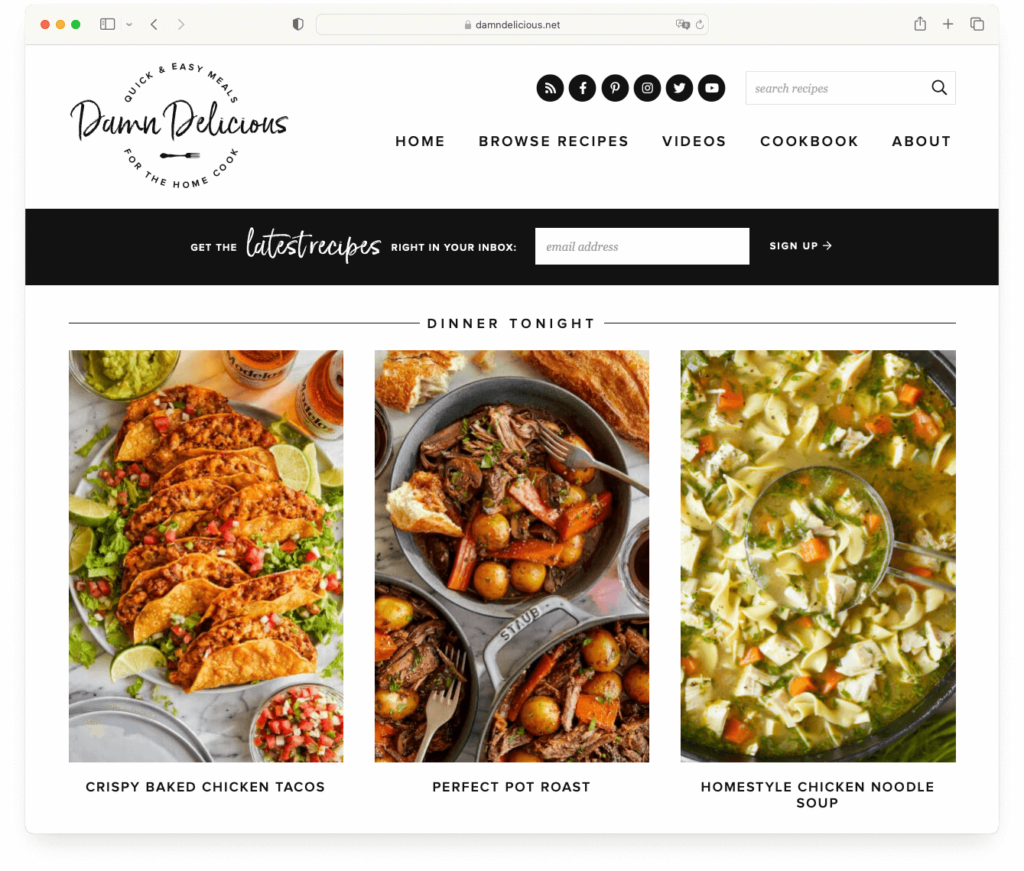
What began as simple web directories has matured into rich ecosystems. Early sites merely listed nearby eateries, but rising expectations and smarter technology pushed the concept further. Today’s platforms layer on mapping, real-time availability, and one-tap ordering, turning a casual search into a seamless journey from curiosity to confirmation.
Visual menus, diner reviews, and cuisine filters now come standard, letting each user tailor the experience without leaving the sofa. The result is a personalized food hunt that feels effortless yet surprisingly precise.
The Impact on the Food Industry
The ascent of digital food hubs has reshaped the culinary landscape in several visible ways:
1. Wider Reach: Small cafés and food trucks can appear next to famous bistros in search results, giving every kitchen a shot at new guests.
2. Smarter Choices: Transparent ratings and candid photos reduce guesswork, raising the bar for quality and service across the board.
3. Healthy Rivalry: When neighbors are only a swipe away, restaurants refine recipes, speed up delivery, and dream up creative specials to stay memorable.
4. Insight Rich: Aggregated order patterns and review themes offer owners a live snapshot of what diners actually want, informing everything from portion sizes to opening hours.
Benefits for Consumers
Diners gain more than simple convenience:
1. Time Saved: A single scroll replaces multiple phone calls, and filters narrow options by budget, distance, or dietary need within seconds.
2. Discovery: Niche cuisines and pop-up events surface alongside mainstream favorites, encouraging tasters to venture beyond the usual.
3. Peer Guidance: Honest reviews highlight must-try dishes or warn about slow service, tipping the scales before any money changes hands.
4. Occasional Perks: Loyalty points, app-only coupons, and off-peak discounts stretch the food budget without sacrificing quality.
The Role of Food Platforms in Promoting Healthy Eating
Beyond indulgence, these sites can nudge users toward balanced habits:
1. Clear Labels: Calorie counts, allergen flags, and veggie symbols make comparisons simple, supporting informed picks.
2. Trend Spotlights: Seasonal articles and curated lists highlight plant-based, low-sodium, or high-protein choices when motivation strikes.
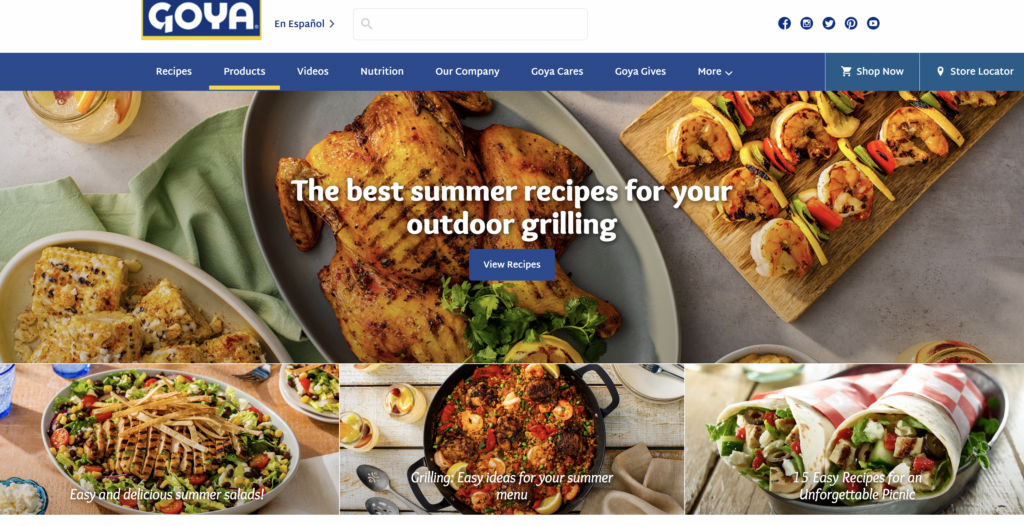
3. Recipe Bridges: Some platforms invite chefs to share lighter versions of popular dishes, inspiring home cooking that mirrors restaurant flavors.
Challenges and Future Directions
Progress rarely travels without obstacles:
1. Review Integrity: Sorting genuine feedback from fake praise remains an ongoing balancing act.
2. Data Comfort: Collecting favorites and location data improves suggestions, yet clear privacy safeguards must keep pace.
3. Tech Pace: Voice search, drone delivery, and augmented-reality menus are knocking; platforms need flexible architecture to welcome the next wave.

Looking forward, three themes stand out:
1. Deeper Personalization: Machine-learning models could factor in mood, weather, or past workouts to propose the ideal meal for the moment.
2. Wellness Ties: Syncing with fitness trackers might auto-adjust recommendations after a long run or a restless night.
3. Greener Choices: Carbon scores, reusable packaging icons, and local-ingredient badges can steer diners toward options that taste good and feel responsible.
Conclusion:

Digital food platforms have moved from novelty to necessity, quietly guiding where, what, and how we eat. By widening restaurant reach while empowering eaters with information and offers, they have become central to culinary culture. As trust, technology, and sustainability evolve together, these services will keep refining the simple, universal act of finding a good meal.


