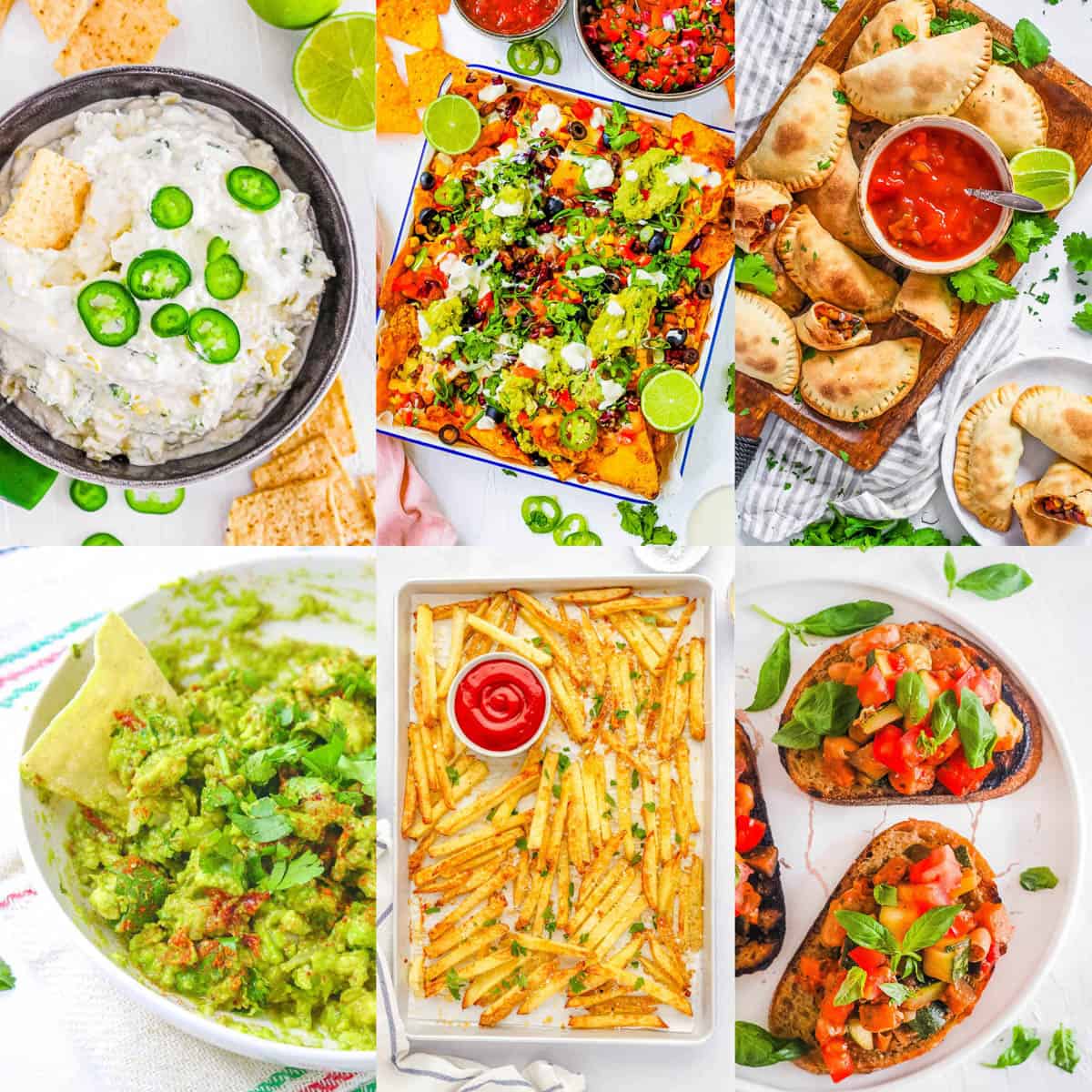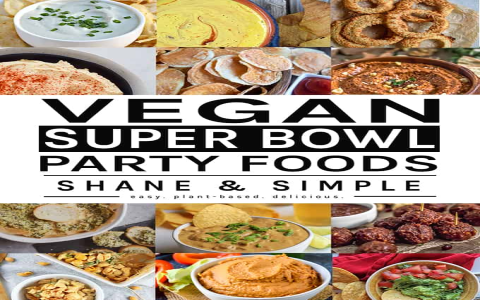
The Art of Vegan Party Dishes: A Culinary Revolution
Introduction
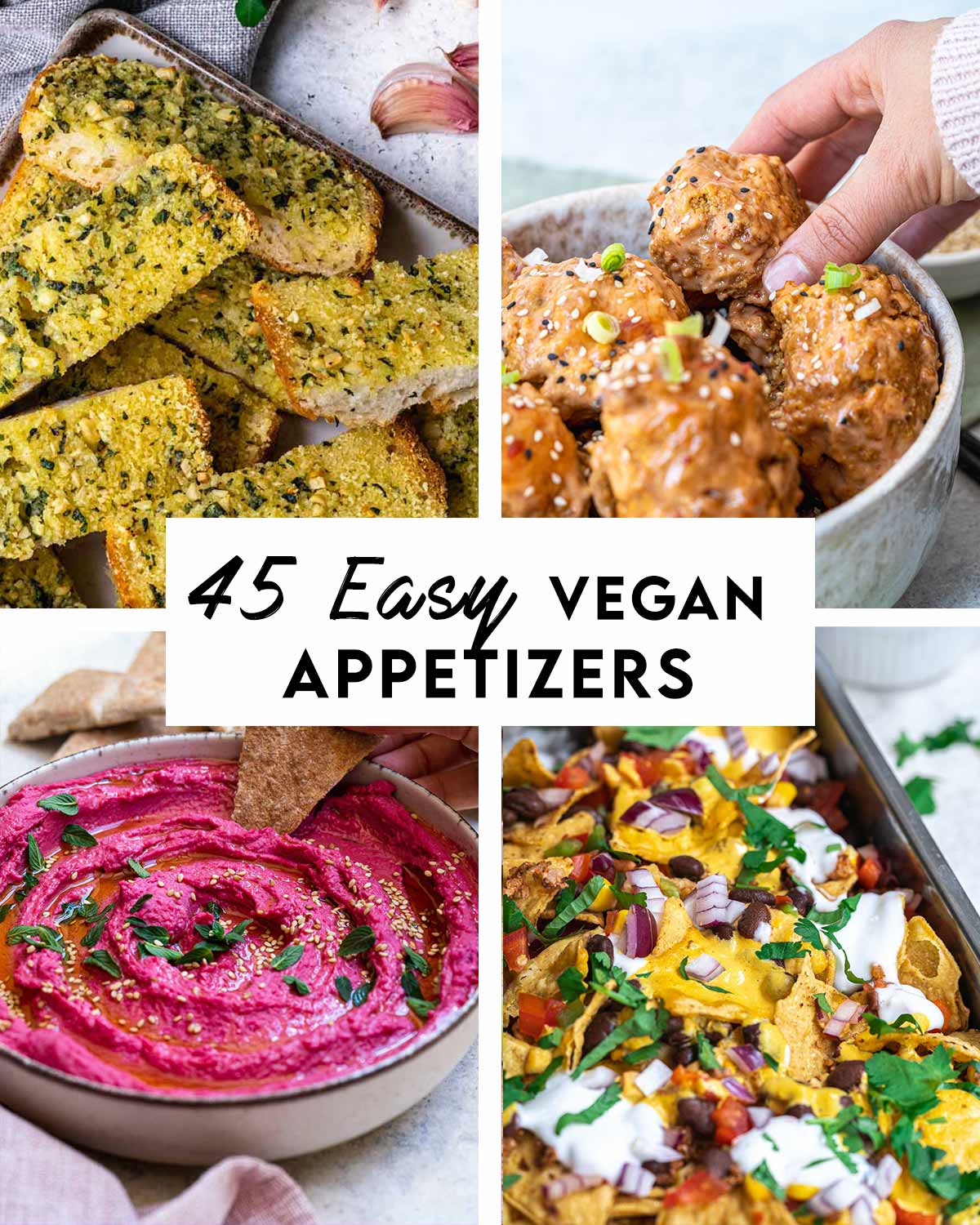
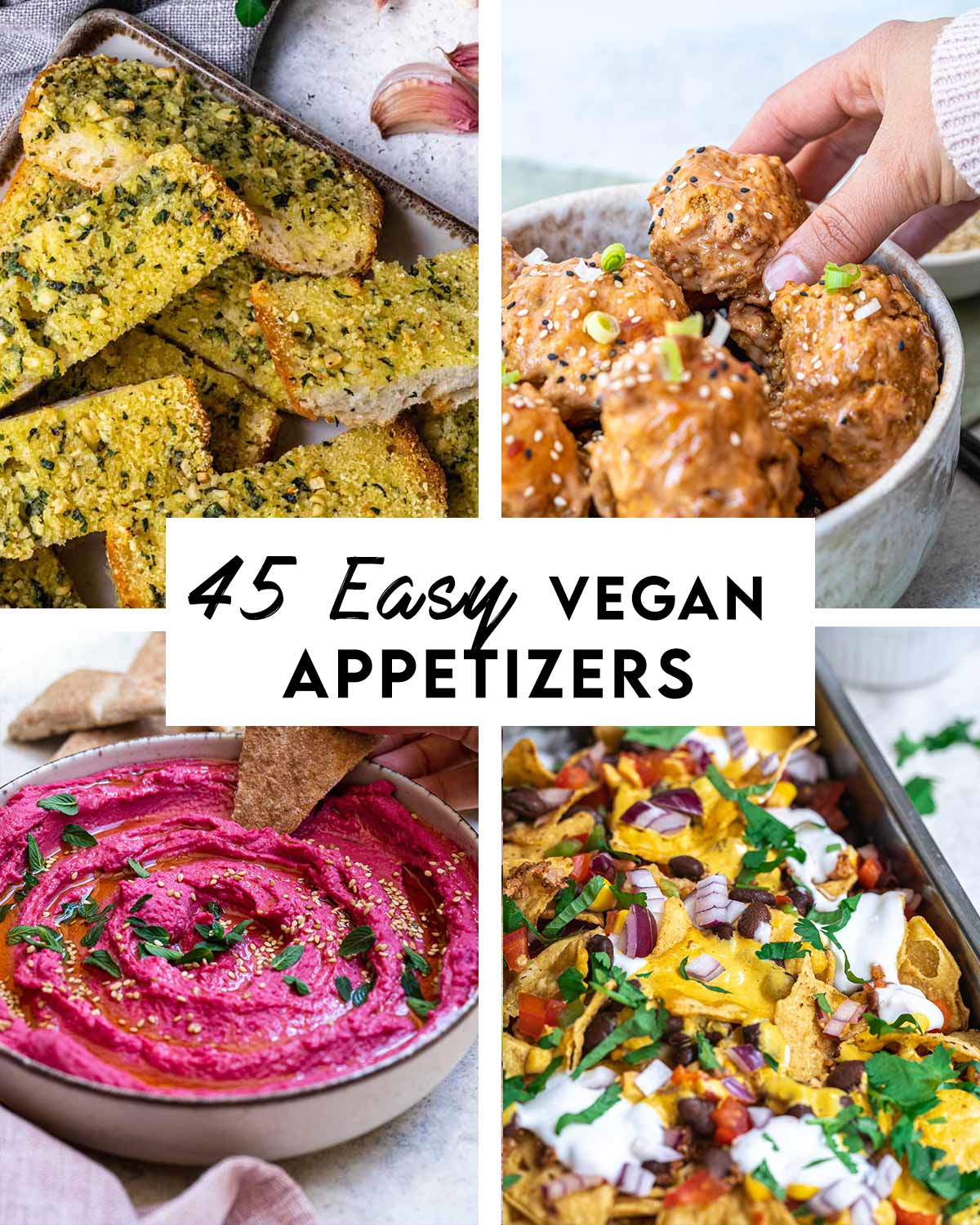
Interest in plant-powered eating has grown rapidly across the globe, with many guests now looking for meat-free options at celebrations. This shift has encouraged hosts to rethink traditional menus and discover how colorful, flavorful vegan fare can become the star of any event. In the following pages we explore why vegan party dishes matter, how they benefit people and planet, and the simple tricks that make them as beautiful as they are tasty.
The Rise of Veganism and its Impact on Party Dishes
The Growing Popularity of Veganism
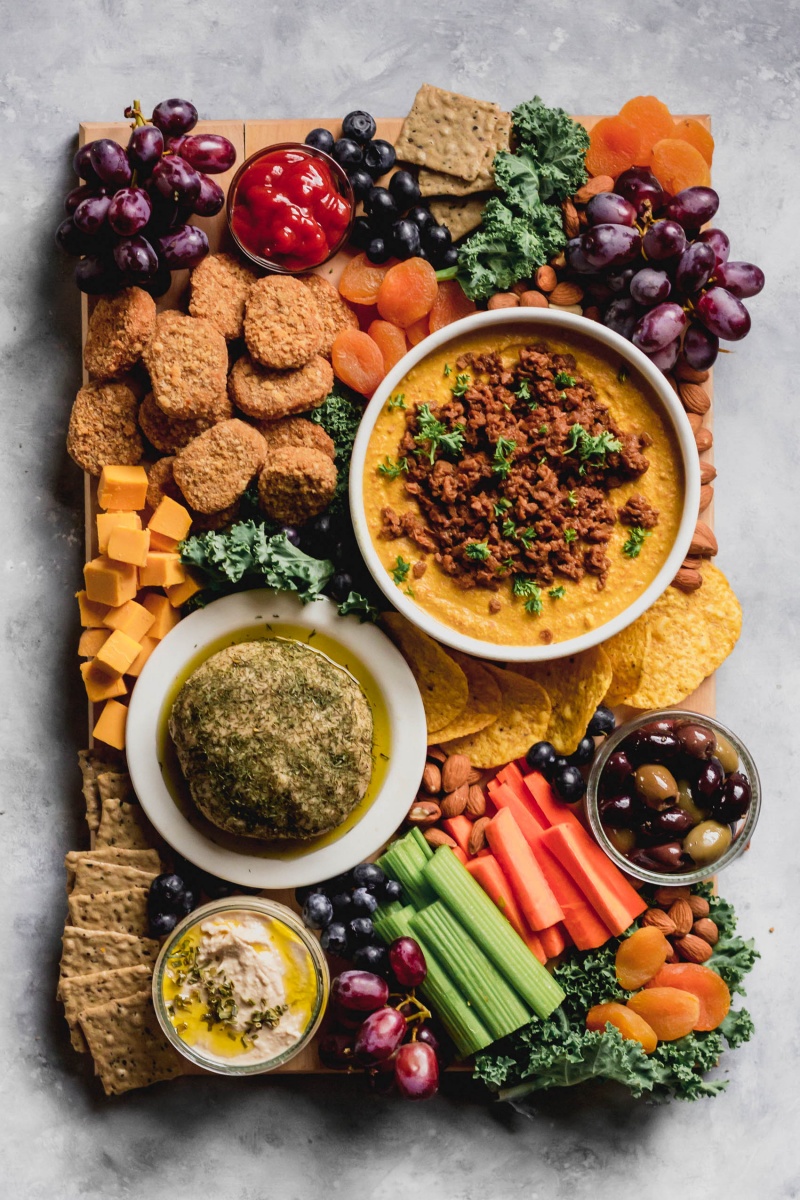
Over the last ten years, plant-based eating has moved from niche to mainstream. Documentaries, cookbooks, and social media have all played a part, showing audiences that vegan food is varied, satisfying, and kinder to animals and the environment. As acceptance grows, more hosts now expect at least a few vegan choices on the buffet table.
The Impact on Party Dishes
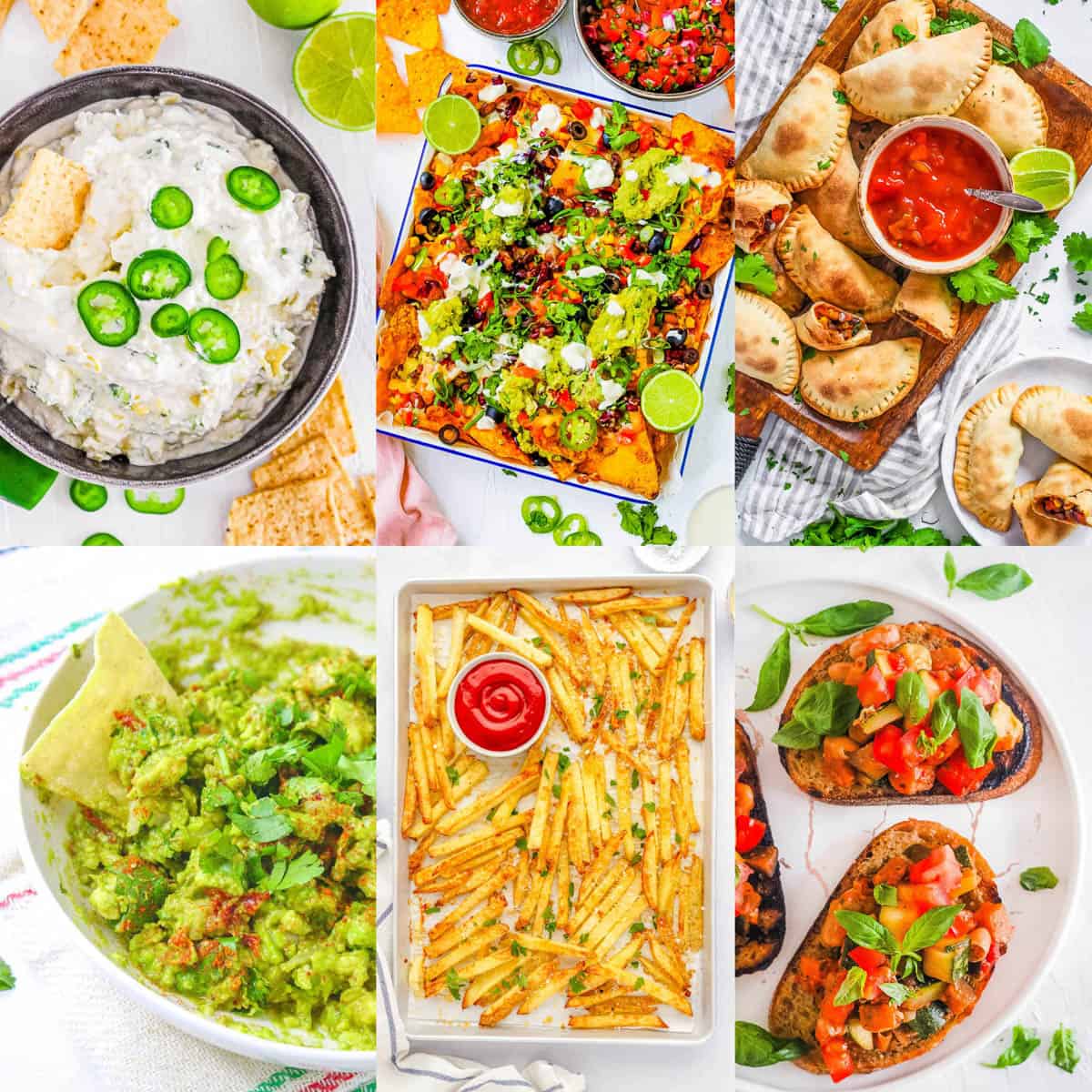
This rising demand has sparked creativity among chefs and home cooks alike. Classic finger foods are being re-imagined with vegetables, pulses, nuts, and grains, while desserts once reliant on butter and cream are turning to coconut, oats, and cashews for indulgent texture. The result is a fresh lineup of party dishes that please every palate.
The Benefits of Vegan Party Dishes
Health Benefits
Plants bring fiber, vitamins, and antioxidants to the table without the cholesterol found in animal products. Offering vegan options means guests can fill their plates with lighter bites that keep energy steady throughout the event, making conversation and dancing far more comfortable.
Environmental Benefits
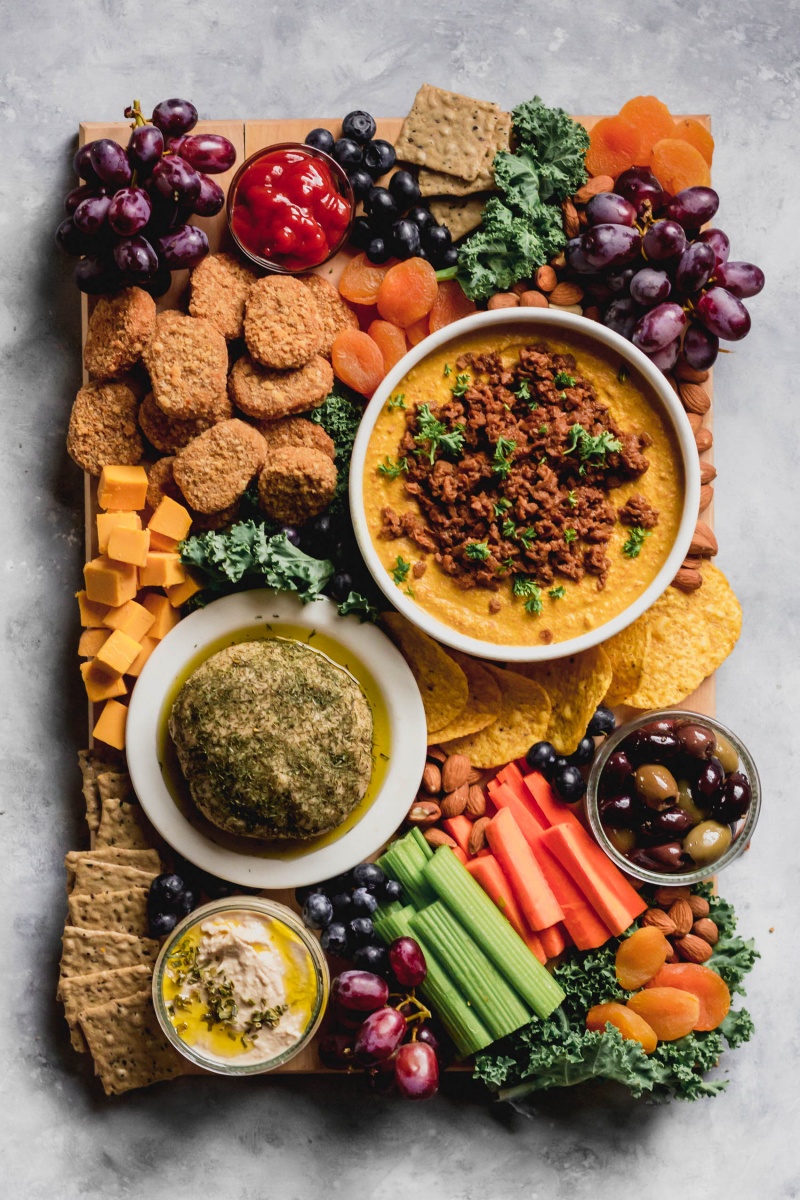
Plant-based ingredients generally require less land, water, and energy than meat and dairy. By spotlighting vegan dishes, hosts quietly shrink the ecological footprint of their gathering, supporting cleaner air, soil, and waterways.
Social Inclusion
A well-labeled vegan platter welcomes vegetarians, flexitarians, and guests with certain religious or allergy-related restrictions. When everyone can eat from the same spread, the party feels warmer and more cohesive.
Creative Vegan Party Dishes
Plant-Based Burgers
Juicy patties made from beans, mushrooms, or soy sit on soft buns topped with avocado, caramelized onion, and spicy mayo crafted from aquafaba. Served in mini form, they disappear from trays as quickly as their meaty cousins.
Vegan Desserts
Silky chocolate pots, berry-topped cheesecakes set with cashew cream, and ice creams whipped from frozen bananas prove that dairy is not essential for decadence. A sprinkle of pistachio or a drizzle of salted caramel adds the finishing touch.
Mocktails
Bright blends of seasonal fruit, fresh herbs, and sparkling water keep glasses refreshed without alcohol. Think cucumber-lime spritzers in summer or pomegranate-rosemary fizzes in winter, each garnished with an edible flower for instant glamour.
The Future of Vegan Party Dishes
Innovation and Sustainability
New techniques—such as fermentation to create umami-rich sauces or aquafaba foams for airy mousses—continue to expand the vegan playbook. At the same time, chefs are sourcing produce locally and trimming food waste, ensuring celebrations remain planet-friendly.
Education and Awareness
Cooking demos, recipe swaps, and vibrant online communities help demystify vegan ingredients. As confidence grows, hosts experiment more boldly, and guests leave with ideas they can replicate at home.
Conclusion
Vegan party dishes have moved far beyond the humble crudités platter. They now offer color, comfort, and creativity while supporting health, sustainability, and inclusivity. Embracing these foods turns any gathering into a forward-thinking feast that respects both guests and the planet.
Recommendations and Future Research
To keep the momentum going, consider these steps:
1. Experiment with global spices and seasonal produce to craft original plant-based bites.
2. Share success stories and photos on social platforms to inspire other hosts.
3. Partner with local vendors who specialize in vegan fare to diversify offerings.
Areas worth exploring further include:
1. Nutritional balance in fully plant-based celebration menus.
2. Life-cycle assessments comparing vegan and conventional party foods.
3. Cultural traditions that naturally highlight vegan ingredients, enriching modern spreads.