

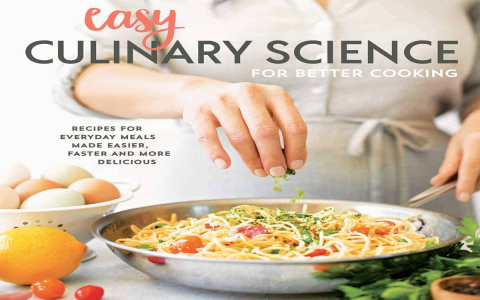
Culinary Foods: A Delightful Exploration of Taste and Nutrition
Introduction
Culinary foods—an umbrella term for every dish and ingredient we prepare—have sustained and delighted people since ancient times. From the simplest soup to the most elaborate banquet, these foods feed both body and soul. This article explores why culinary foods matter, the science that turns raw ingredients into memorable meals, and the cultural stories told on every plate. By looking at flavor, nutrition, and tradition together, we can see how daily choices shape long-term well-being.
The Importance of Culinary Foods
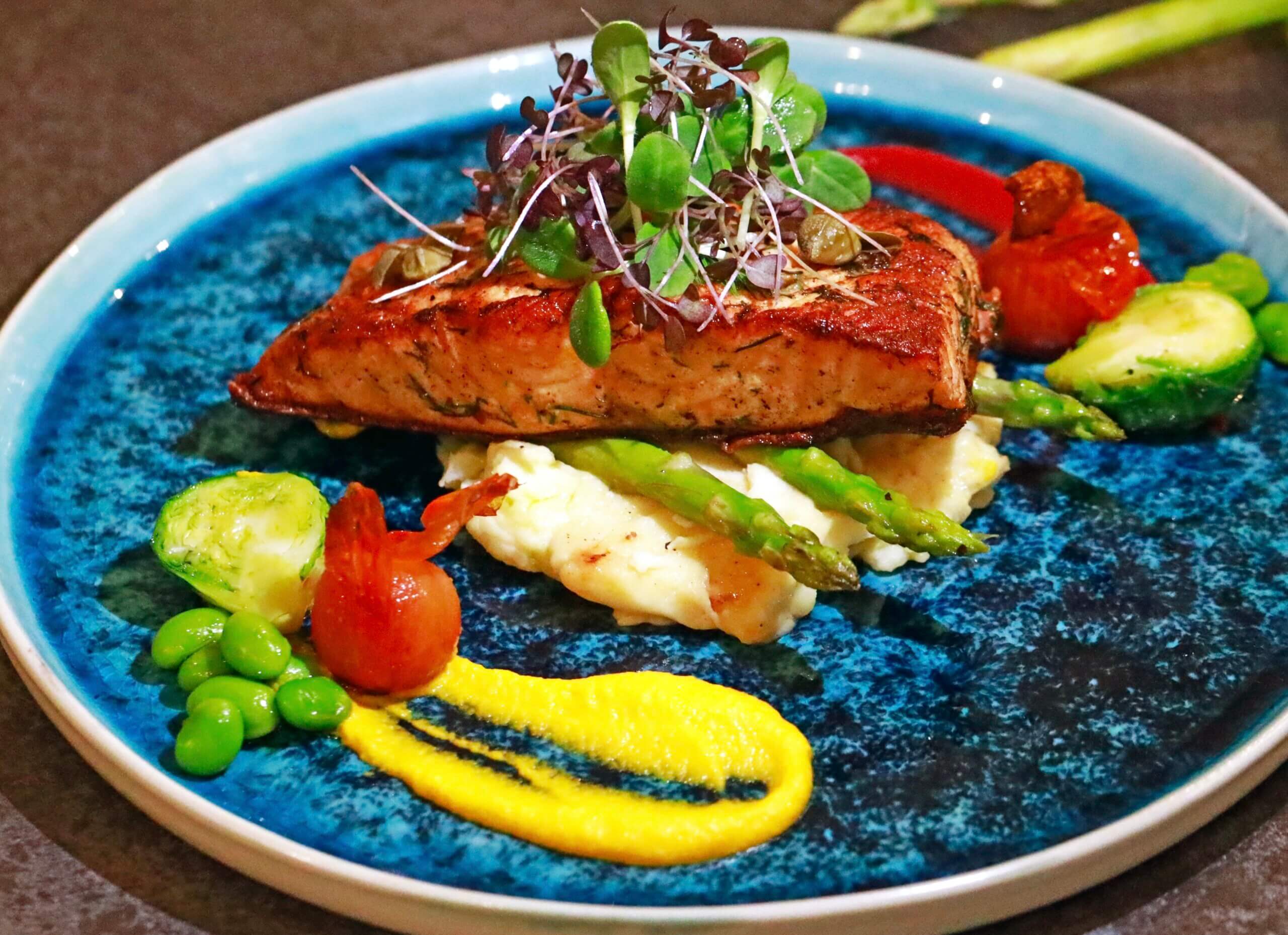
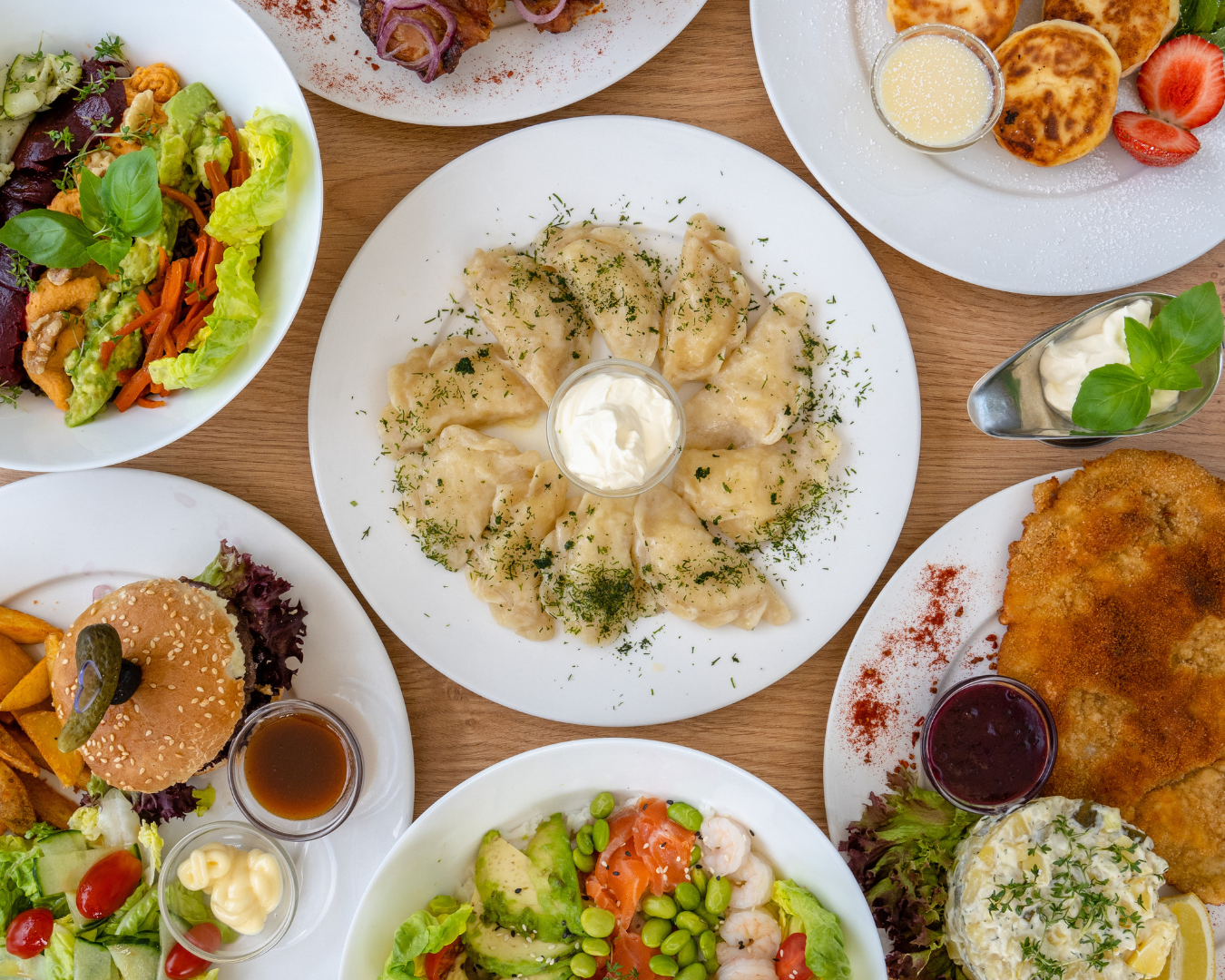
Beyond curbing hunger, culinary foods deliver the vitamins, minerals, and energy required for life. A balanced mix of grains, proteins, fruits, and vegetables supports immunity, brain function, and overall vitality. In contrast, repetitive meals built around highly processed items can leave the body undernourished even when calories are ample. Viewing food as fuel and medicine encourages more thoughtful, varied eating.
The Science of Culinary Preparation
Cooking is chemistry we can taste. Heat triggers the Maillard reaction, turning meats, breads, and roasted vegetables golden while releasing complex aromas. Gentle steaming keeps delicate vitamins intact, whereas prolonged boiling can send them down the drain. Acid brightens color, salt balances sweetness, and fat carries flavor. Mastering these principles lets home cooks and chefs coax maximum taste and nutrition from every ingredient.
Cultural Significance of Culinary Foods
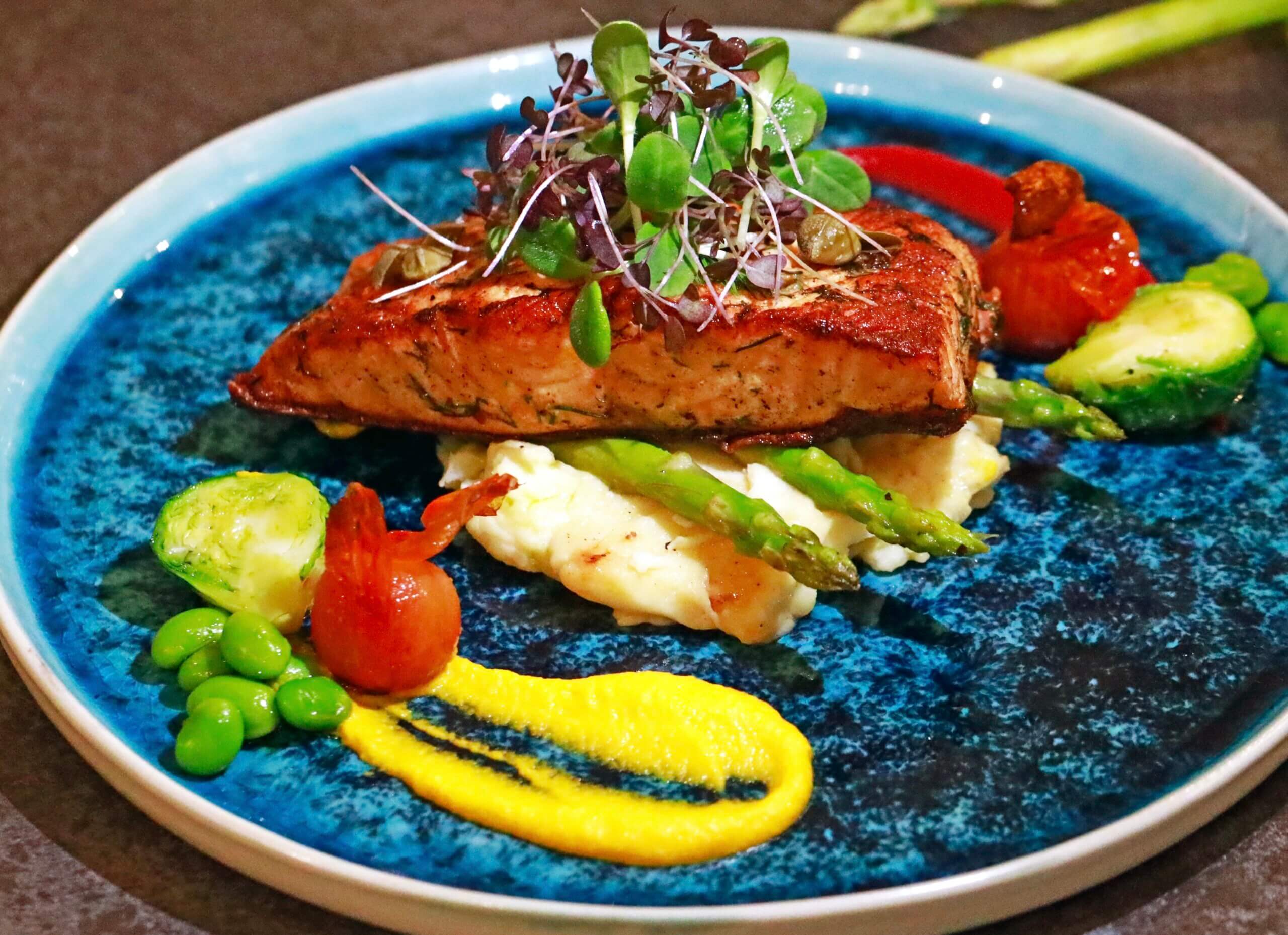
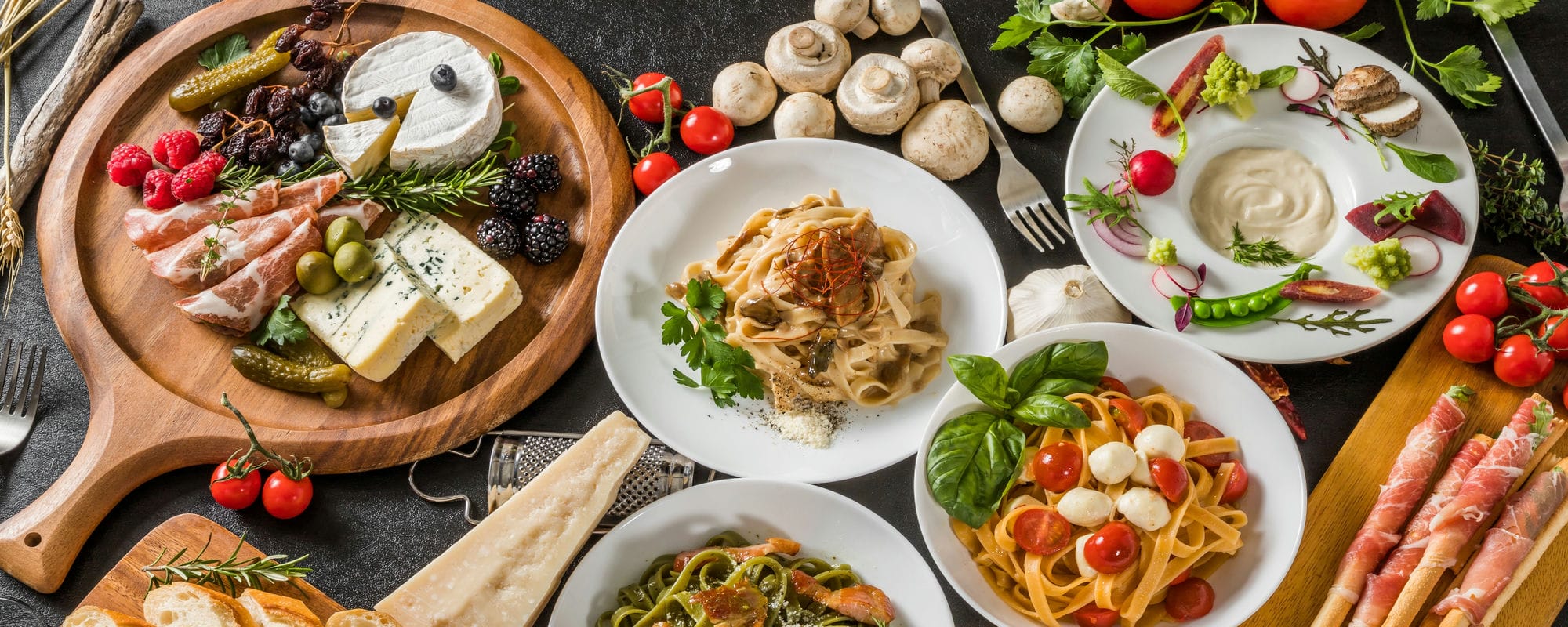
Recipes travel through generations like edible family albums. Italian tables celebrate tomatoes, olive oil, and herbs nurtured by Mediterranean sun; Japanese meals honor seasonal seafood, rice, and fermented soy, arranged to reflect nature’s balance. Sharing such dishes keeps heritage alive, turning strangers into friends and reminding diners that every cuisine carries centuries of adaptation, trade, and story.
Nutritional Value of Culinary Foods
Colorful produce offers antioxidants that protect cells; legumes supply fiber that nurtures gut bacteria; fish provides fats linked to heart and brain health. On the other end of the spectrum, frequent servings of sugar-sweetened drinks or heavily salted snacks can tip the body toward inflammation and chronic disease. The key is proportion: nutrient-dense foods forming the core, with richer treats appearing less often and in smaller portions.
Culinary Foods and Health
No single ingredient is hero or villain; context matters. A sprinkle of salt on fresh vegetables differs from sodium hidden in ultra-processed meals. A juicy mango nourishes; mango-flavored candy does not. Building plates around plants, lean proteins, and whole grains supports steady energy and healthy weight, while leaving room for occasional indulgences that make life pleasurable.

Conclusion
Culinary foods weave science, culture, and pleasure into daily life. By choosing diverse, minimally processed ingredients and preparing them with care, we celebrate flavor while investing in long-term health. Every meal becomes a small, delicious vote for the future we want.
Recommendations and Future Research
To keep learning and improving, consider these steps:
1. Experiment with new produce or whole grains each week to widen nutrient intake.

2. Share cooking tasks with family or friends to pass on skills and reduce reliance on convenience items.
3. Support local markets and seasonal crops, which often taste better and carry a lighter environmental footprint.
Future studies could explore:
1. How traditional fermentation affects gut health across different populations.
2. The long-term impact of replacing refined starches with intact whole grains on metabolic markers.
3. Culinary teaching methods that most effectively shift dietary habits in diverse communities.
Continued curiosity in kitchens and laboratories alike will deepen our appreciation of the foods that sustain us.
References
Beauchamp, G. K., et al. (2019). Health effects of dietary sugars across populations: a systematic review and meta-analysis of cohort studies. The Lancet, 393(10183), 1066-1078.
Di Castelnuovo, A., et al. (2013). Mediterranean diet and health status and mortality rates in Italian adults (Moli-Sani study): a prospective cohort study. The Lancet, 381(9867), 2027-2035.
Harvard T.H. Chan School of Public Health. (2021). Cooking Methods and Nutrient Retention. Retrieved from www.hsph./nutritionsource/healthy-cooking/cooking-methods-nutrient-retention/
Mozaffarian, D., et al. (2012). Nutritional priorities for the prevention of cardiovascular disease. Journal of the American Heart Association, 1(1), e1-e13.
Nakajima, K. (2019). Washoku: Traditional Japanese Cuisine. In: The SAGE Handbook of Food Studies (pp. 335-346). SAGE Publications.
Whitaker, D. (2018). The Maillard Reaction: Chemistry, Biochemistry, and Implications for Cooking and Health. Comprehensive Reviews in Food Science and Food Safety, 17(3), 625-639.
World Health Organization. (2021). Diet, Nutrition, and the Prevention of Chronic Diseases. Retrieved from www.who.int/news-room/fact-sheets/detail/diet-nutrition-and-the-prevention-of-chronic-diseases
World Health Organization. (2015). Sugar Sweetened Beverages and Health. Retrieved from www.who.int/news-room/fact-sheets/detail/sugar-sweetened-beverages-and-health

