


How to Cook: A Friendly Guide to Making Meals at Home
Cooking is a life skill that rewards you every single day. Whether you are just starting out or you already feel at home in the kitchen, knowing how to turn raw ingredients into a satisfying meal boosts confidence, supports well-being, and keeps the budget happy. This guide walks you through the essentials—what to stock, how to cook it, and how to keep the process stress-free.
Building Your Kitchen Know-How

Key Ingredients
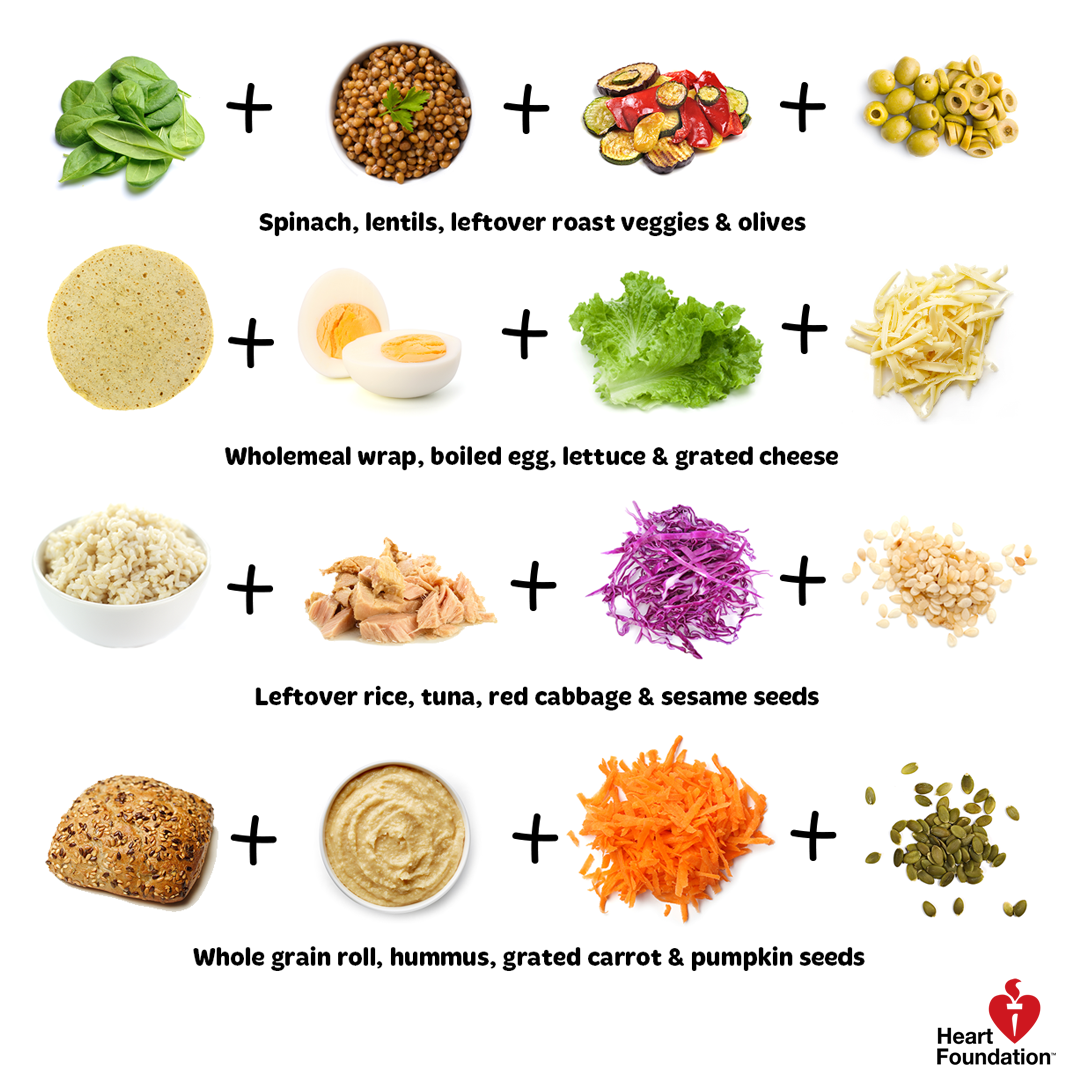
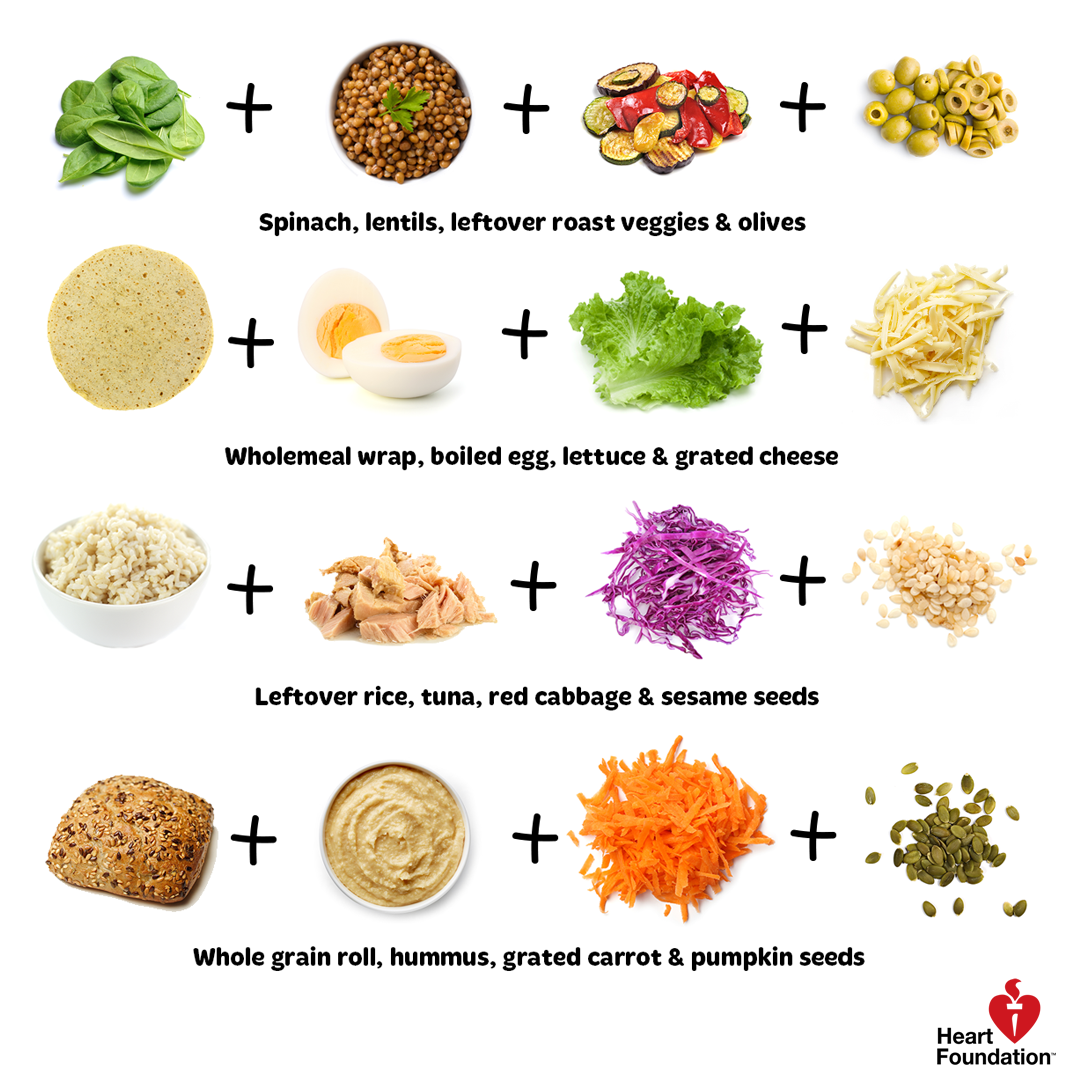
Great dishes begin with simple, reliable staples. Keep these categories in mind when you shop:
– Proteins: Think eggs, beans, fish, or poultry—anything that gives your body the building blocks it needs.
– Carbohydrates: Rice, pasta, oats, or potatoes supply the energy that powers your day.
– Fats: A drizzle of oil, a handful of nuts, or a slice of avocado helps flavors bloom and keeps you satisfied.

– Produce: Colorful fruit and vegetables add vitamins, crunch, and brightness to any plate.
Core Techniques
How you apply heat changes everything. Start with these four methods:
– Sauté: Quick, high-heat cooking in a little oil—perfect for weeknight veggies or thin cuts of meat.
– Boil: Submerge food in bubbling water until tender; ideal for pasta, grains, or hardy greens.

– Bake: Surround food with steady, dry heat in the oven—great for casseroles, fish, or tray-bakes.
– Grill: Cook directly over flames or a hot grate for smoky flavor and attractive char marks.
Your First Dishes, Step by Step
Map Out the Week
A loose plan prevents last-minute stress. Try these habits:

– Sketch a flexible menu: Jot down breakfast, lunch, and dinner ideas for the coming days.
– Write a concise list: Note what you actually need before you open the fridge or pantry.
– Shop the rainbow: Choose fresh items first, then fill gaps with longer-lasting staples.
Prep Before You Cook
Mise en place—everything in its place—makes the actual cooking almost effortless.
– Rinse produce under cool water and pat dry.
– Chop, slice, or dice to roughly the same size so pieces cook evenly.
– If time allows, season proteins ahead so flavors can settle in.
Apply the Heat
Match the ingredient to the method and keep an eye on doneness.
– Sauté: Pre-heat the pan, add a thin film of oil, then spread food in a single layer for quick browning.
– Boil: Salt the water, drop ingredients when it rolls, and taste for texture along the way.
– Bake: Let the oven reach the set temperature first; use the middle rack for even heat.
– Grill: Clean and lightly oil the grate, pre-heat until hot, then turn food just once or twice for clear grill marks.
Everyday Success Tips

Choose Fresh, Store Smart
Vibrant flavor starts with vibrant ingredients.
– Pick seasonal produce whenever possible; it usually costs less and tastes better.
– Keep leafy greens in a slightly damp cloth bag and sturdy veggies in the crisper to extend life.
Practice the Basics

Solid fundamentals turn recipes into intuition.
– Hone your knife skills: a stable cutting board and relaxed grip speed up prep and keep fingers safe.
– Learn to gauge timing: start longer-cooking items first, then add quicker ones so everything finishes together.
Play with Flavor
Once you are comfortable, let curiosity lead.

– Keep a small collection of dried herbs and spices; even a pinch can transform a dish.
– Balance tastes: pair something sweet with a squeeze of acid, or calm heat with a touch of creamy fat.
Wrapping Up
Cooking is less about perfection and more about progress. Stock simple ingredients, master a handful of techniques, and give yourself room to experiment. Over time the smells, sounds, and rhythms of the kitchen will feel like second nature—and the meals you share will taste better for having been made by your own hands.


