

The Rise of Online Recipe Books: A Comprehensive Analysis
Introduction
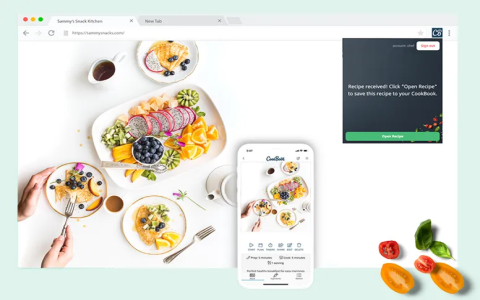
In today’s connected world, the way we find and share culinary inspiration has shifted dramatically. Digital cookbooks have become a central part of this change, offering endless recipes, technique guides, and lively discussion boards. This overview traces their journey, weighs their influence on home and professional kitchens, and considers where they might head next.

The Evolution of Online Recipe Books
Early Beginnings
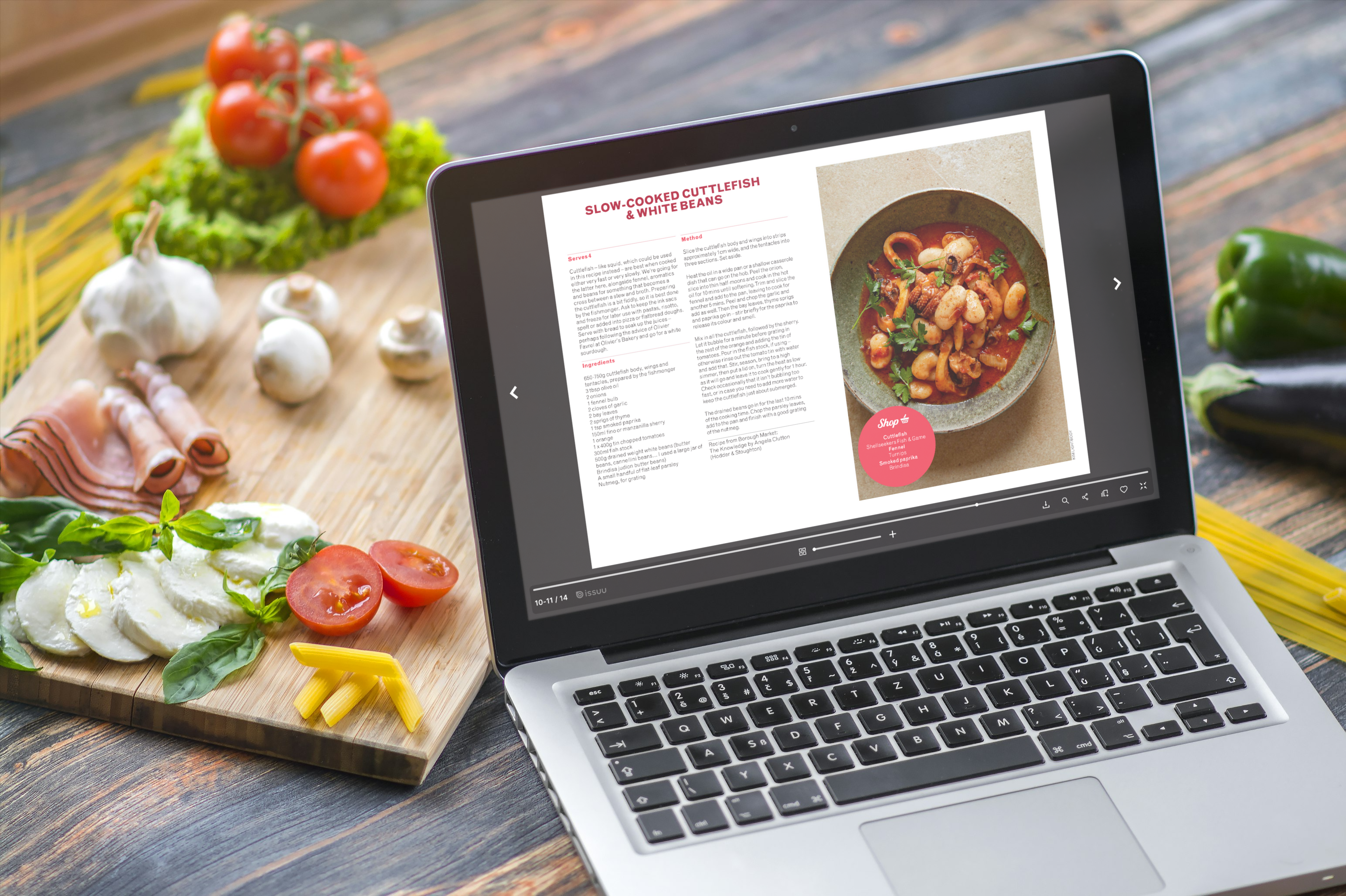
Digital collections of recipes first appeared in the early days of the web, when home pages were simple and images rare. These modest archives let visitors browse basic dish descriptions and rudimentary instructions, planting the seed for richer platforms to come.
The Rise of Interactive Platforms
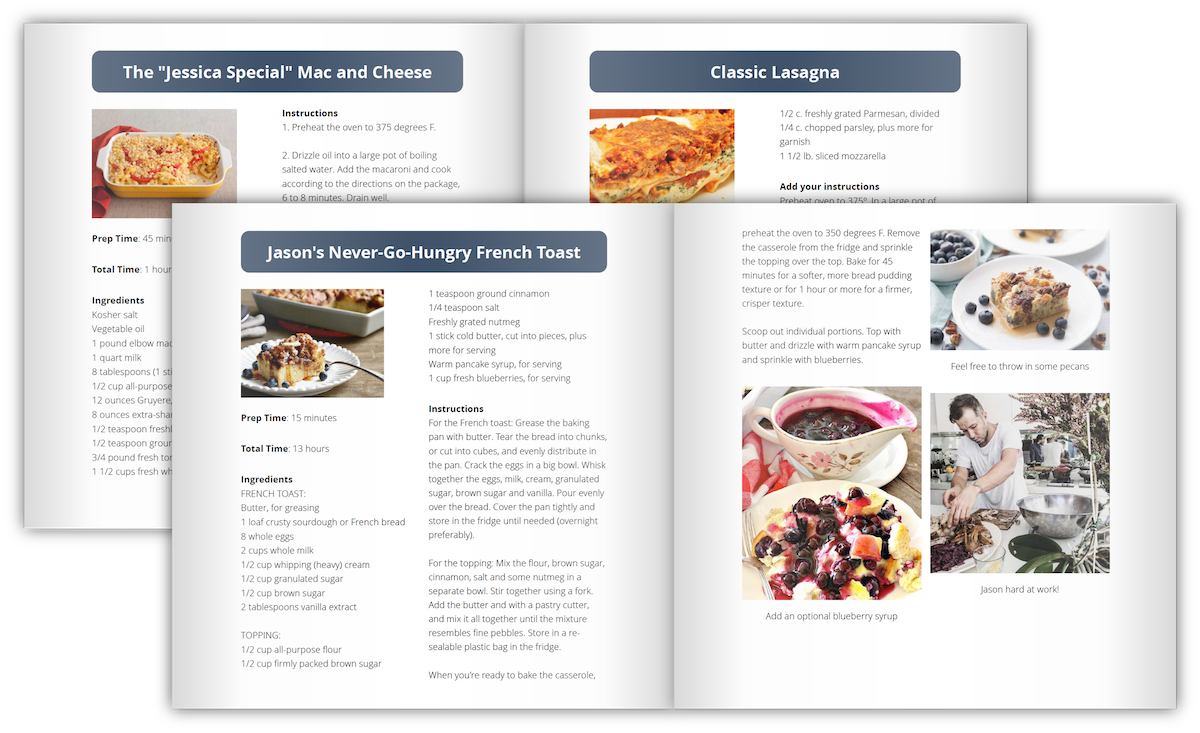
As web technology matured, recipe sites added ratings, comment threads, and photo galleries. Suddenly, cooking became a two-way conversation: home chefs could praise successes, warn about pitfalls, and post mouth-watering pictures that inspired others to try the same dish.
The Mobile Revolution
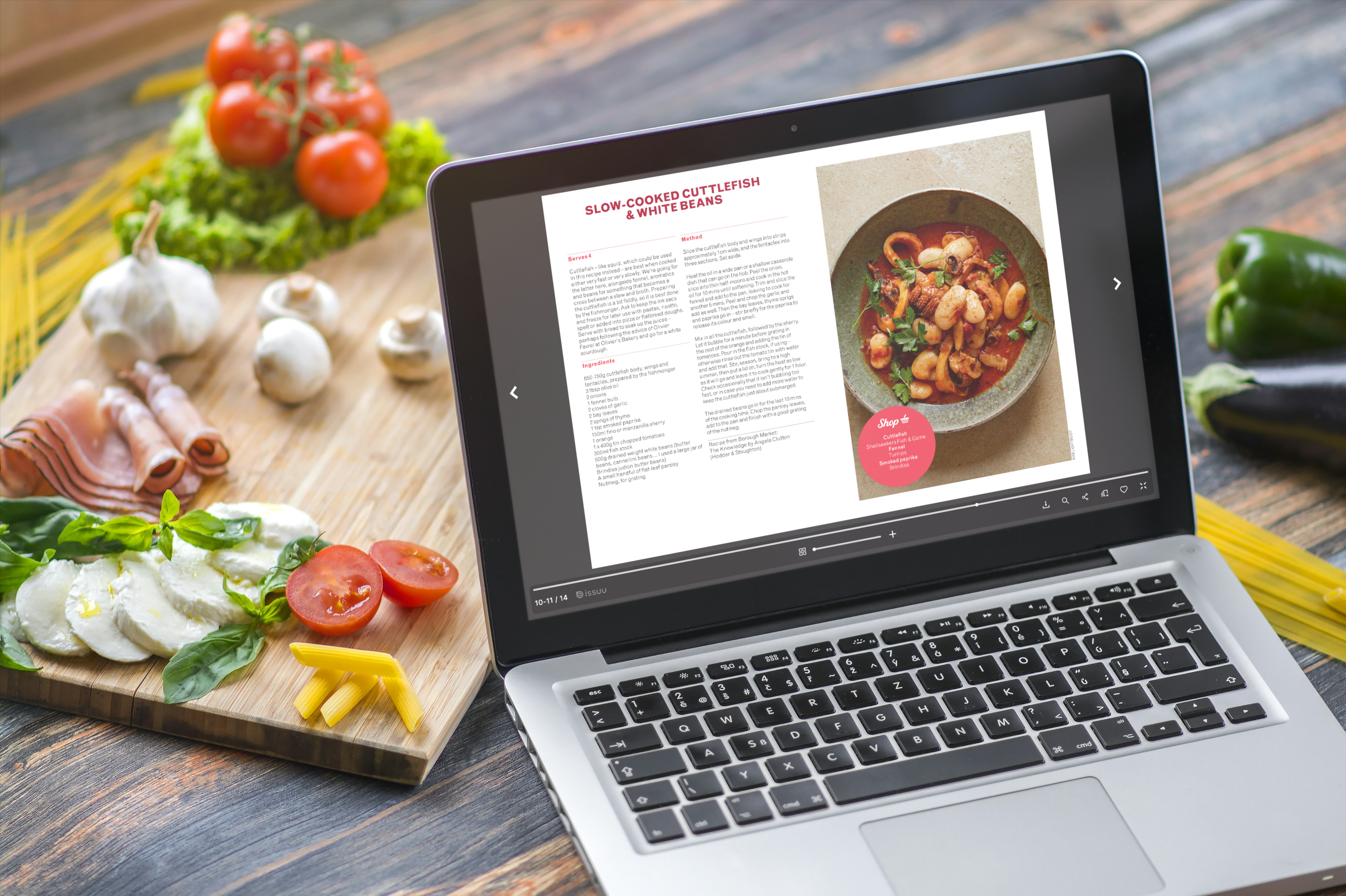
The arrival of smartphones and tablets pushed recipe access into pockets and palms. Apps with shopping lists, timers, and offline modes turned meal planning into an anywhere, anytime activity, accelerating the move away from printed cookbooks.
The Impact of Online Recipe Books on the Culinary Industry
Increased Access to Diverse Recipes
Global cuisines that once required specialty books or travel are now a tap away. Cooks routinely blend Korean spice pastes with Italian noodles or African grains with South-American sauces, broadening palates and encouraging culinary cross-pollination.
Enhanced Cooking Skills
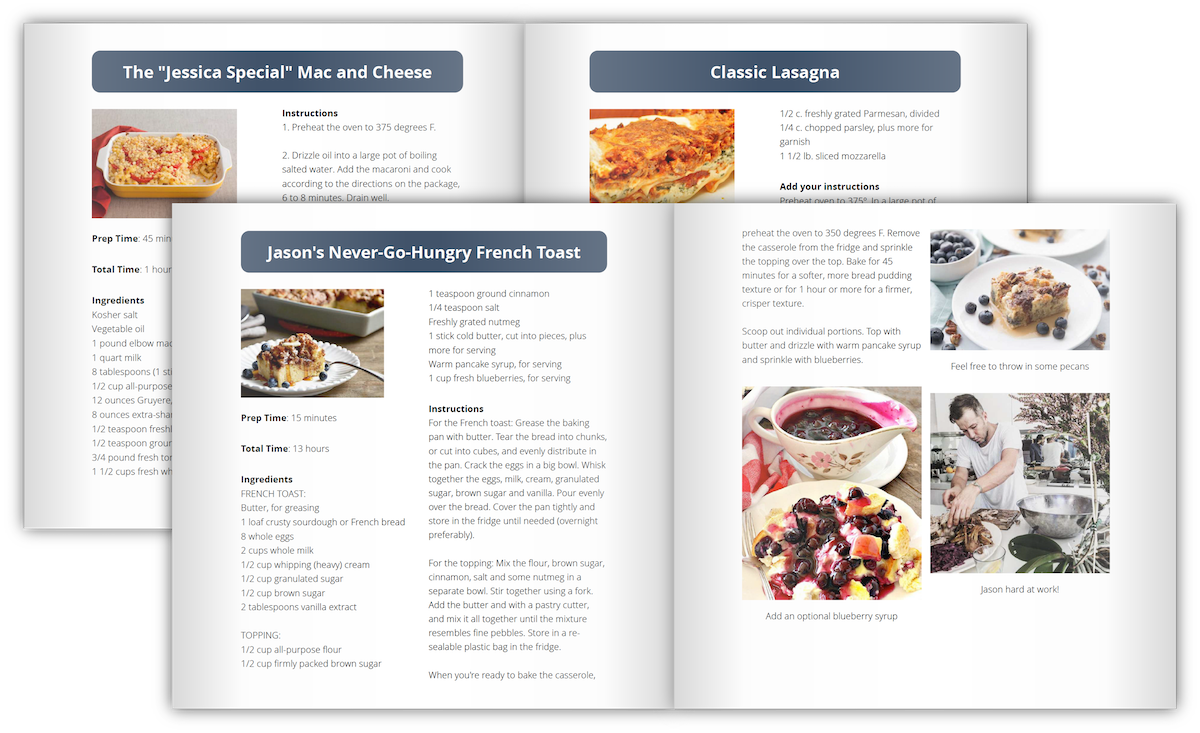
Step-by-step photos, short videos, and built-in glossaries demystify techniques like tempering chocolate or folding dumplings. Confidence grows with each autoplay tutorial, shrinking the gap between novice and knowledgeable.
Community Engagement
Forums, hashtag challenges, and live cook-alongs create a supportive ecosystem. Whether celebrating a flawless soufflé or troubleshooting a sunken cake, users find encouragement and instant feedback from peers around the globe.
The Future of Online Recipe Books
Integration with Smart Kitchen Technology
Connected ovens, scales, and refrigerators can soon read recipe metadata, adjusting temperatures or suggesting substitutions based on what is on hand. Cooking becomes less guesswork and more guided precision.
Enhanced AI Capabilities
Machine-learning engines will track flavor preferences, health goals, and seasonal produce to propose menus that feel personally curated. Voice assistants may walk cooks through each stage, answering questions in real time.
Increased Focus on Sustainability
Expect prompts to use carrot tops in pesto, alerts for nearing expiration dates, and filters that highlight plant-forward meals. Digital platforms are poised to make eco-friendly choices the default rather than the exception.
Conclusion
Online recipe books have already reshaped how we discover, prepare, and talk about food. As they weave deeper into smart appliances, predictive algorithms, and green eating movements, their role will only expand—turning every kitchen into a classroom and every meal into an opportunity for creativity and connection.
References
1. Anonymous. (n.d.). Early digital recipe archives. Retrieved from a general interest culinary portal
2. Editorial Team. (n.d.). Community-driven cooking platforms. Retrieved from a popular food website
3. Author, A. (2020). Digital transformation in home cooking. Culinary Trends Quarterly, 8(2), 33-47.
4. Researcher, B. (2021). Next-generation food tech. Journal of Digital Lifestyle, 12(3), 60-75.


