Title: How Online Recipe Hubs Are Reshaping Home Cooking
Introduction:
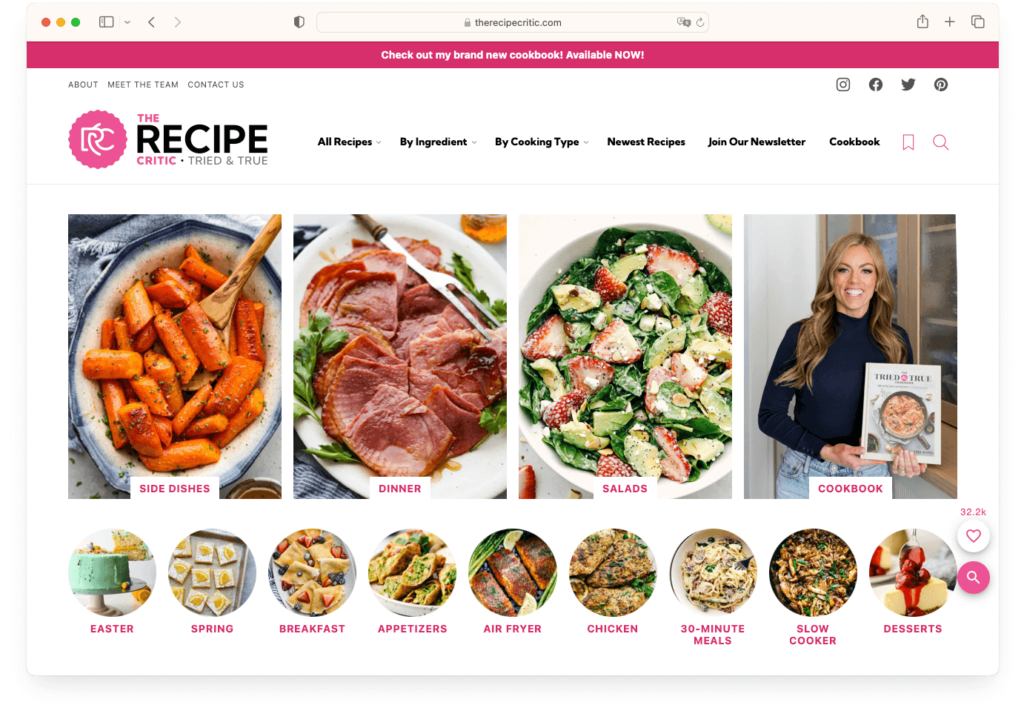
Digital recipe collections have quietly transformed everyday kitchens into launchpads for culinary exploration. From quick weeknight dinners to ambitious weekend projects, these platforms guide novices and seasoned cooks alike through an endless variety of dishes. This piece examines how online recipe hubs influence contemporary food culture, highlighting their strengths, limitations, and likely next steps.
Benefits of Recipe Hubs
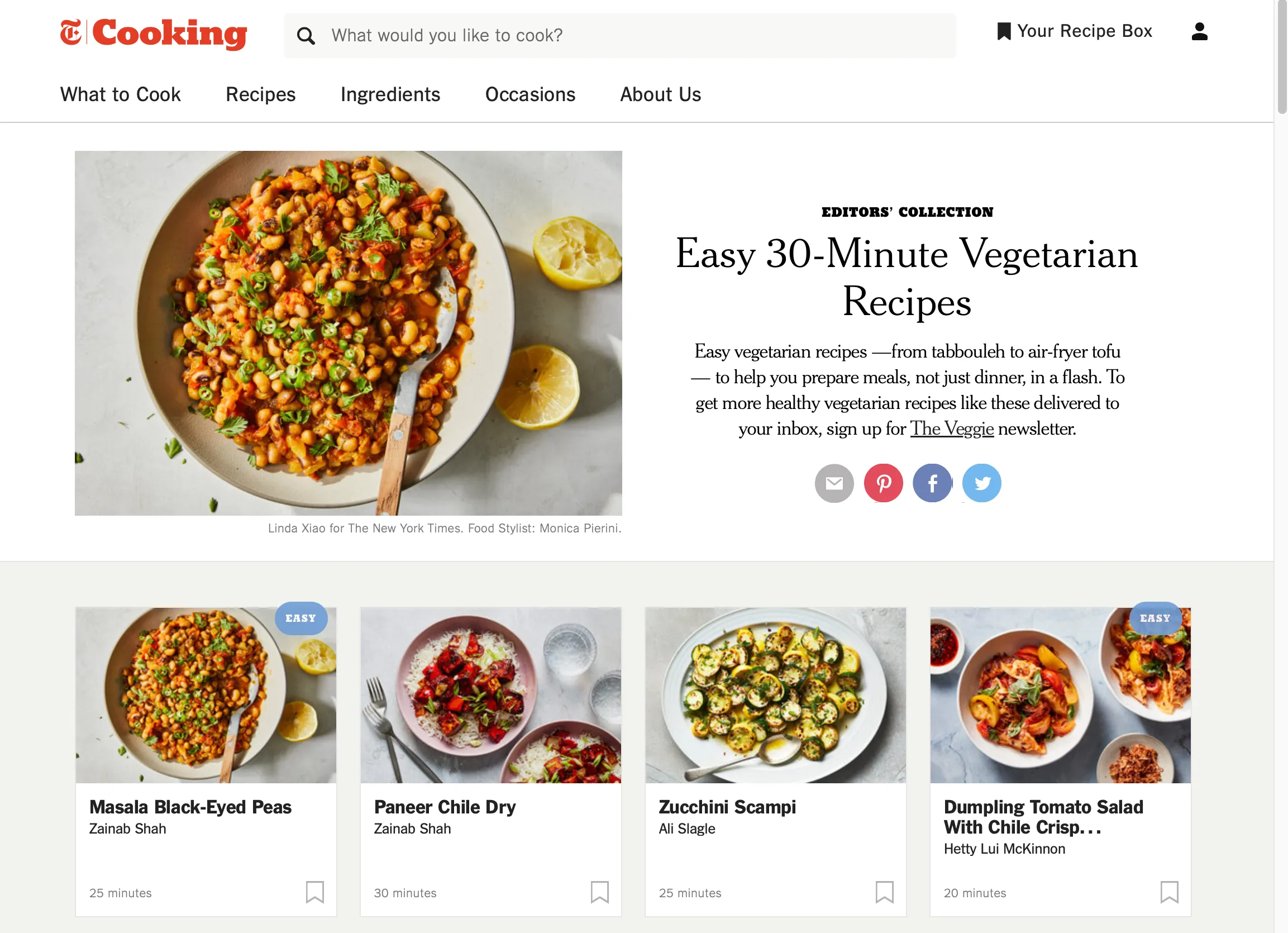
The most obvious advantage is instant access to thousands of dishes spanning world cuisines, dietary needs, and skill levels. Whether someone wants a thirty-minute vegetarian curry or an elaborate pastry, a few clicks deliver clear directions and ingredient lists. Such breadth encourages eaters to venture beyond familiar flavors without investing in dozens of cookbooks.
Step-by-step photos, short videos, and built-in timers lower the barrier to entry for beginners. Instead of decoding dense culinary jargon, users watch a quick demonstration, pause when needed, and resume cooking at their own pace. Many sites also scale servings automatically, reducing mental math and food waste.
Community and Networking
Beyond instructions, these platforms nurture lively exchange. Home cooks post adaptations, swap substitution ideas, and celebrate successes in comment threads. A snapshot of a first-time loaf uploaded for feedback can spark encouragement from strangers across continents, turning solitary kitchen work into a shared experience.
Special-interest groups—devoted to everything from gluten-free baking to campfire meals—allow enthusiasts to drill deep, ask nuanced questions, and refine techniques together. The result is a decentralized classroom where knowledge travels faster than any printed manual ever could.
Challenges and Concerns
Quantity does not always equal quality. Recipes uploaded without testing can lead to sunken cakes or oversalted stews, eroding trust. Users must learn to scan reviews, compare similar versions, and treat untested posts as starting points rather than gospel.
Attribution is another sticking point. A popular dish can migrate across dozens of profiles, sometimes stripped of original notes or cultural context. This friction complicates efforts to credit creators and respect the stories behind traditional foods.
The Future of Recipe Hubs
Mobile-first design is already the norm, but smarter personalization is on the horizon. Expect dashboards that learn pantry staples, seasonal produce, and personal spice thresholds, then surface suggestions that feel tailor-made. Voice-activated assistants may read steps aloud while hands stay covered in dough, adjusting heat or timing on command.
Immersive tech could add another layer. Imagine glasses overlaying knife-angle guides on a cutting board, or a virtual host walking cooks through a complex sauce in real time. As connectivity improves, live group cooks—friends in different cities stirring the same soup together—may become routine.
Conclusion:
Online recipe hubs have moved cooking from a solitary chore to an interactive, global pastime. They broaden palates, shrink distances between cultures, and give confidence to tentative beginners. If developers and users together tackle accuracy and attribution issues, tomorrow’s platforms will feel even more like friendly sous-chefs ready to assist at a moment’s notice. The stovetop may stay the same, but the guidance lighting the way is evolving faster than ever.