The Phenomenon of Eating-Centric Videos: A Cultural and Social Analysis
Introduction
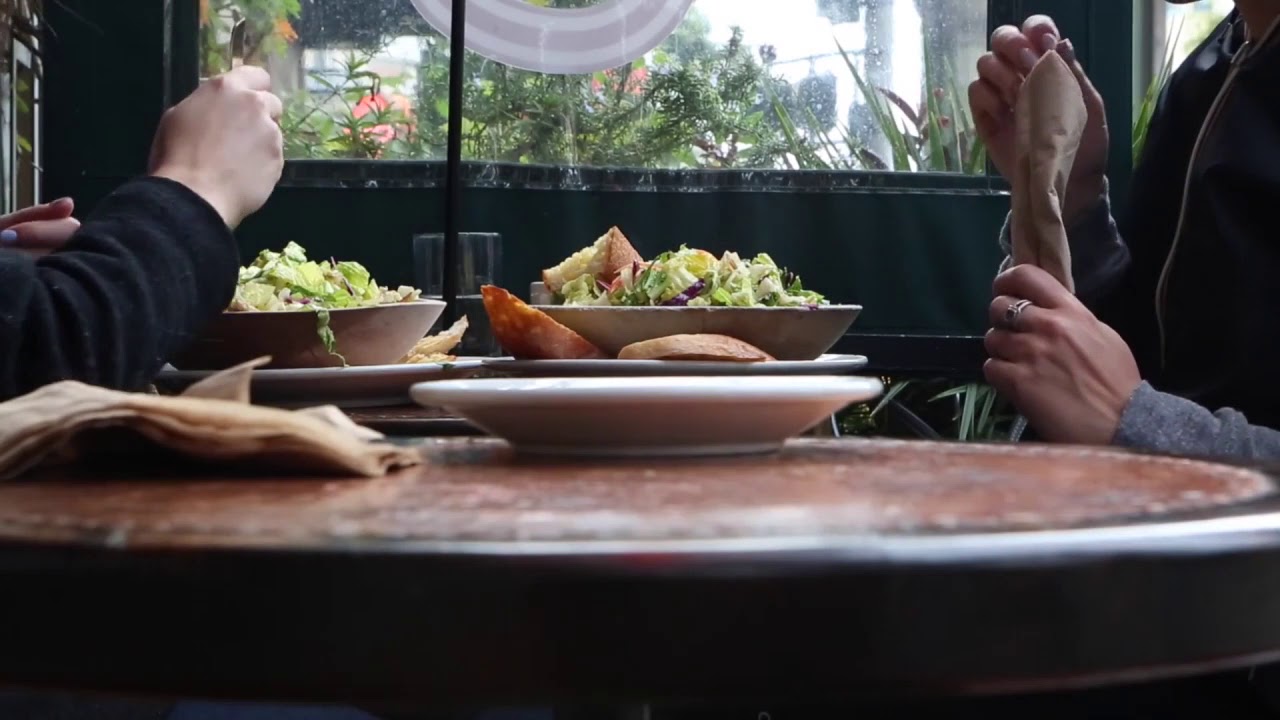
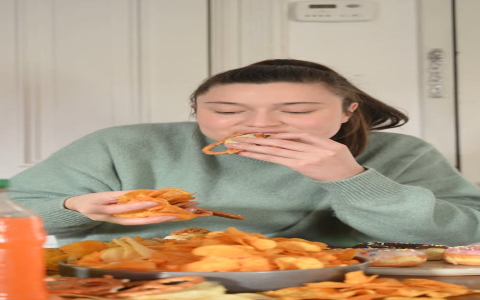
In today’s connected world, clips that simply show someone enjoying a meal have become a mainstream social-media staple. These bite-sized scenes, often filmed at home or in small cafés, rack up countless views and comments. This short article explores why watching strangers eat feels so compelling and what the trend says about modern life.
The Rise of Food Videos
The Digital Era and Social Media’s Role
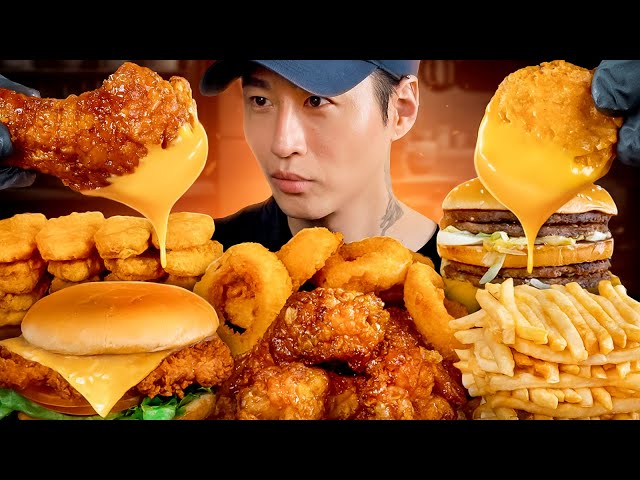
Smartphones and wireless access have turned everyday moments into shareable content. Platforms built for short clips reward posts that are easy to imitate and pleasant to watch; a quiet breakfast or a colorful street-food bite fits that brief perfectly. The result is a steady stream of meals framed for the camera, inviting viewers to linger at the table without leaving the couch.
Food as a Cultural Connector
Mealtime rituals travel well across borders. A bowl of noodles, a tray of pastries, or a sizzling grill introduces audiences to distant customs while affirming a universal truth: everyone has to eat. By peeking at another person’s plate, viewers sample new flavors and, in turn, feel a little closer to places they have never visited.
The Social Aspects of Food Videos
Community Building
Comment sections under eating clips often turn into informal potlucks. Spectators swap cooking tips, ask for recipes, or reminisce about childhood dishes. Over time, regular viewers recognize one another, forming loose circles bonded by a shared appetite for comfort food and friendly chat.
Authenticity and Relatability
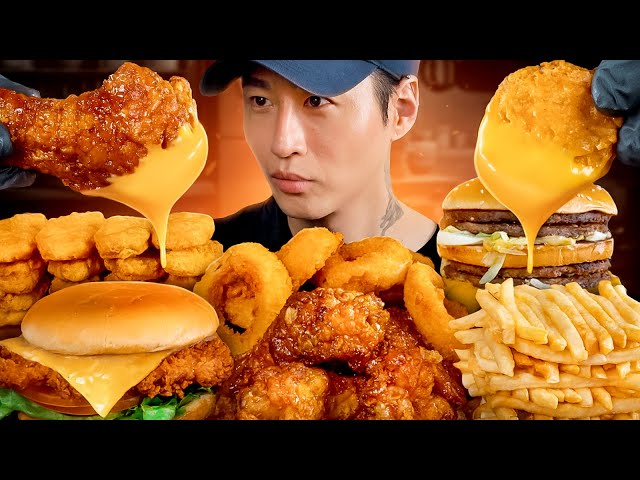
Unlike polished cooking shows, casual eating clips leave room for spontaneity: a surprised smile at the first bite, a quick reach for a napkin, an honest “too spicy for me” shrug. These unscripted reactions reassure viewers that the person on screen is real, making the experience feel like lunch with a friend rather than a performance.
The Economic Impact of Food Videos
Food Tourism and Advertising
Short videos can turn a quiet neighborhood café into an overnight destination. Clips that highlight local specialties spark curiosity, nudge travelers to add new stops to their itineraries, and encourage regional pride. Restaurants and food brands notice the buzz, often reposting fan clips or inviting creators for tasting events.
Influencer Marketing
Creators who consistently share meals build loyal audiences that trust their opinions. A casual mention of a new snack or kitchen gadget can translate into noticeable sales spikes, prompting companies to collaborate on gentle product spotlights that fit the creator’s usual style.
The Psychological Benefits of Food Videos

Stress Relief and Escapism
The rhythmic crunch of fresh vegetables or the slow drizzle of syrup can have a calming effect. Many viewers play these clips between tasks, using the familiar sounds of chewing and sizzling as a brief mental vacation from deadlines or daily worries.
Encouraging Healthy Eating Habits
While indulgent treats still dominate some feeds, a growing number of creators balance them with colorful salads, smoothie bowls, and portion-conscious ideas. Seeing simple, vibrant meals prepared without fuss can motivate viewers to add an extra serving of produce to their own plates.
Conclusion
Eating-centric videos have evolved into more than background entertainment. They act as miniature cultural exchanges, support small businesses, and offer low-stress companionship. As cameras keep rolling over dinner tables around the world, the shared joy of a good meal is likely to remain a small yet meaningful thread in the fabric of online life.
Recommendations and Future Research

To deepen our understanding of this trend, upcoming studies could look into:
– How repeated exposure to food clips shapes long-term shopping lists and home-cooking choices.
– The ways micro-influencers present balanced diets without sounding prescriptive.
– The effects of subtle sponsorship on viewers’ trust and engagement.
Exploring these angles will clarify how digital snacking influences real-world plates and perceptions.