

The Impact of Food Photography on Consumer Behavior
Introduction
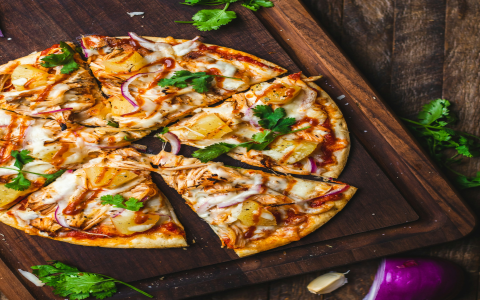
In today’s visually driven culture, appetizing images of dishes have become a cornerstone of culinary promotion. Platforms centered on sharing photos have turned every plate into a potential advertisement, shaping how eateries, cooks, and packaged brands present themselves. This piece explores why these images matter, how they steer choices, and what goes into crafting shots that make viewers hungry at first glance.
The Evolution of Food Photography
Early Beginnings
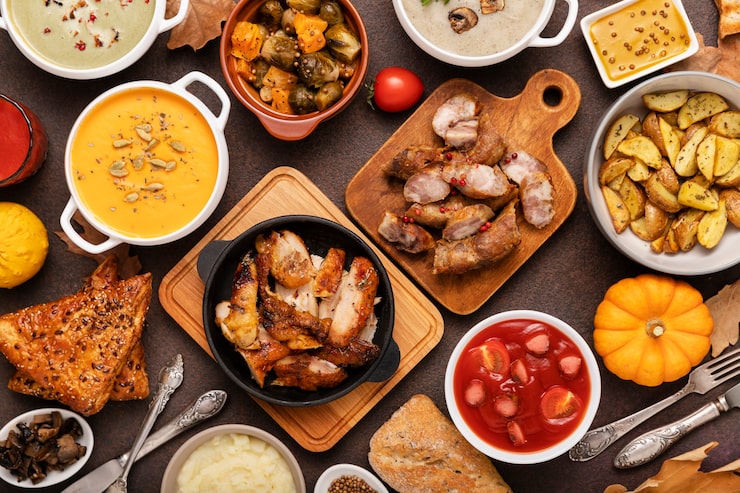
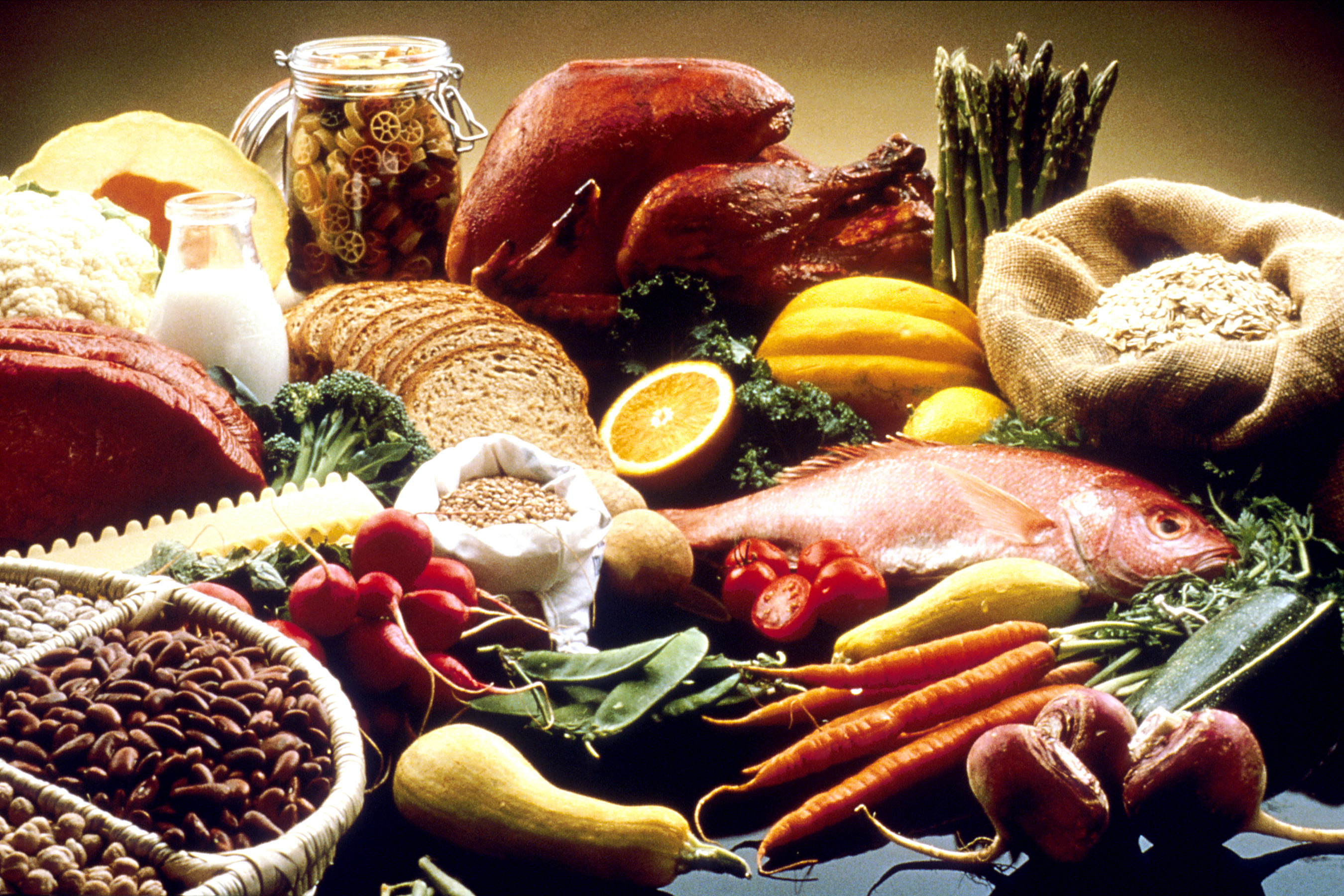
Styled food photos first appeared in magazine adverts and cookbooks decades ago. Early setups favored perfection over realism, often propping up elaborate scenes that had little to do with actual dining. As cameras improved and color film arrived, photographers began chasing natural textures and warmer moods.
The Digital Revolution
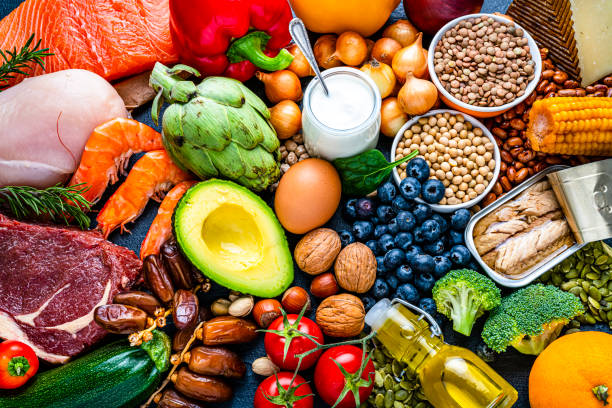
Affordable digital gear and instant previews changed everything. Shooters could tweak lighting, angles, and garnishes on the spot, while new blogs and online recipe libraries gave their work endless places to live. The result was an explosion of mouth-watering imagery accessible to anyone with a screen.
The Power of Visual Appeal
Capturing Attention
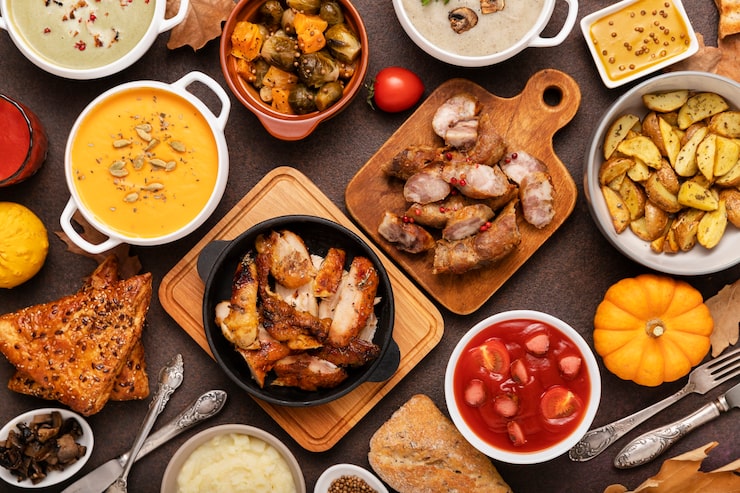
A single striking frame can stop thumbs mid-scroll. When steam, color, and shine come together, the brain reads “fresh” and “flavorful” in milliseconds, nudging people toward a reservation or an impulse purchase.
Emotional Connection
Photos can spark memories of family dinners or far-away vacations. By tapping into nostalgia or celebration, an image moves the decision from rational thought to heartfelt craving.
Strategies for Effective Food Photography
Lighting
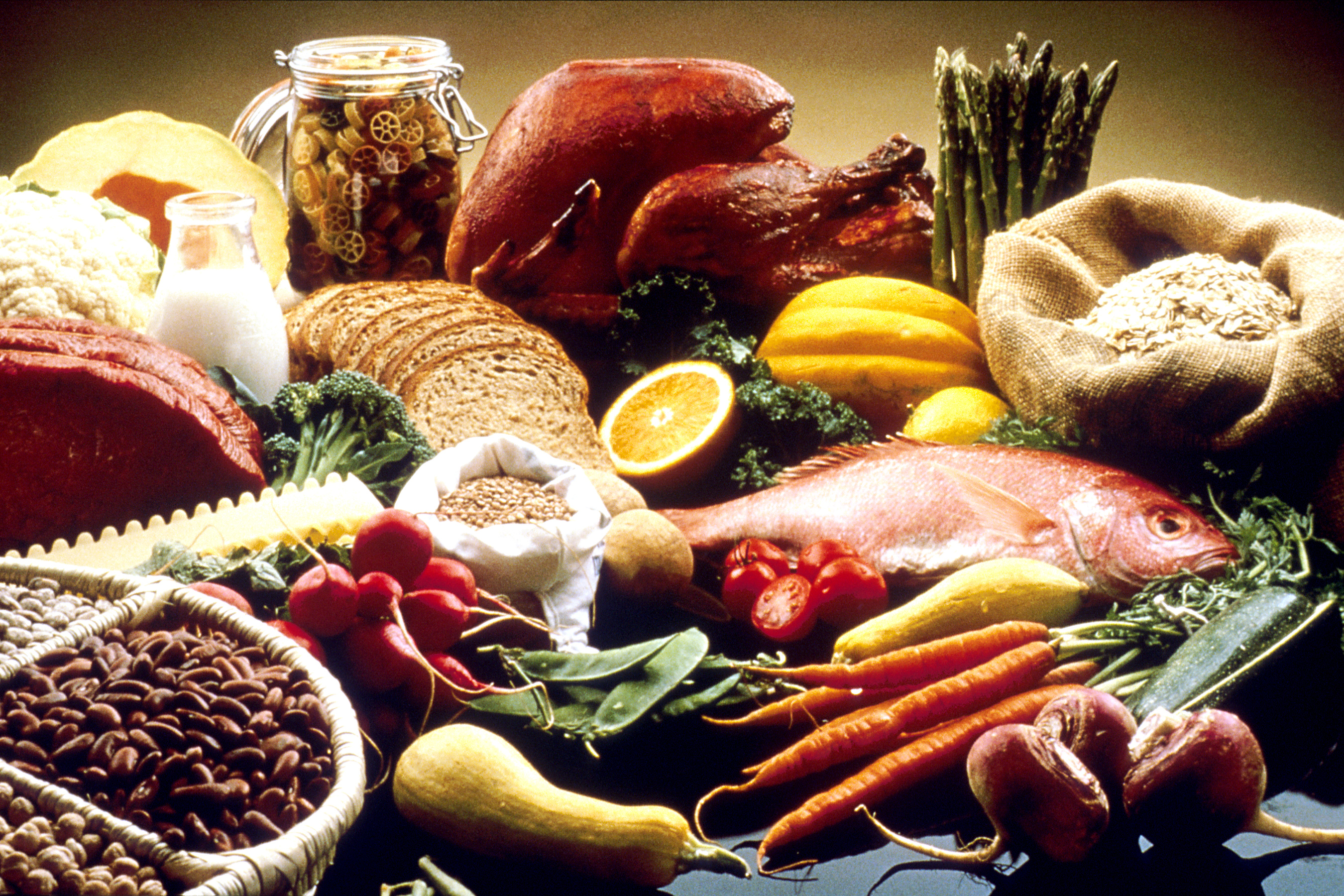
Soft daylight or a diffused studio lamp keeps shadows gentle and colors true. Harsh flashes flatten textures, while warm sidelight highlights grill marks or frosting swirls.
Composition
Placing the hero dish off-center, using leading lines of cutlery, and leaving breathing space around the plate guides the eye without cluttering the frame.
Styling
A quick brush of oil for gloss, a sprinkle of fresh herbs for color, and a neutral napkin to absorb stray highlights—all small moves that add polish without obvious trickery.
The Role of Food Photography in Social Media
Influencer Marketing
Curated feeds full of vibrant café shots or home-cooked meals shape followers’ wish lists. A single tagged post can send crowds to an overlooked side street or sell out a new snack overnight.

User-Generated Content
Everyday diners now double as marketers. Their spontaneous snaps, filtered or not, provide social proof that feels more trustworthy than studio perfection.
The Impact on Consumer Behavior
Increased Sales
Menus, apps, and grocery sites that swap text descriptions for enticing photos routinely see higher click-through and order rates, confirming the direct link between sight and spend.

Brand Perception
Consistent, high-quality visuals signal attention to detail. Over time, that coherence builds confidence that the kitchen or factory behind the image meets equally high standards.
Conclusion
Compelling food imagery is no longer garnish—it’s the main course of modern culinary marketing. By mastering light, layout, and storytelling, businesses can turn casual onlookers into loyal guests. As screens remain the first place people meet their next meal, the appetite for gorgeous food photos will only grow.
Future Directions
Interactive tools that let users spin a taco in 3-D or preview a topping in real time are moving from novelty to norm. Meanwhile, smarter editing software will tailor hues and contrasts to individual taste, delivering personalized temptation at a swipe. The lens may change, but the goal stays the same: make people hungry right now.


