


The Significance of Ingredients in Recipe Development
Introduction
Every memorable dish begins with thoughtful ingredient choices. These selections shape flavor, texture, and nourishment, turning simple items into expressions of culture and creativity. This article explores how ingredients guide recipe development, the science that governs their behavior, and the traditions they carry. With this knowledge, both seasoned chefs and weekend cooks can craft meals that satisfy the palate and honor heritage.
The Role of Ingredients in Recipe Development
Flavor Profiles
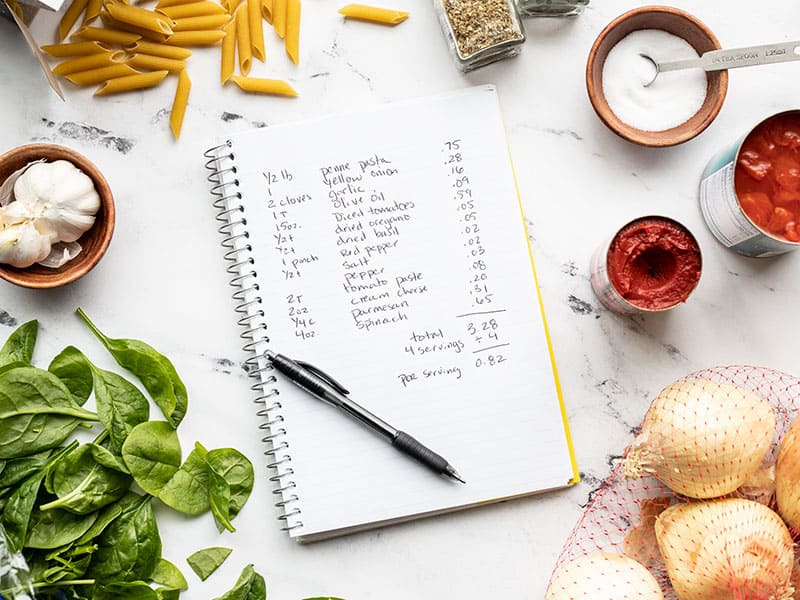
Ingredients are the primary source of taste. Aromatics such as garlic or onion lend depth, while herbs and spices add brightness or gentle heat. Balancing sweet, salty, sour, bitter, and umami notes allows a dish to feel complete and inviting.
Texture and Consistency
Texture turns eating into an experience. Grains offer chew, produce can be crisp or silky, and a scattering of nuts introduces crunch. Layering these sensations keeps each bite interesting and encourages slower, more mindful dining.
Nutritional Value
Colorful produce, whole grains, legumes, and healthy fats deliver vitamins, minerals, and energy. Combining a variety of whole foods in one recipe supports balanced nutrition without sacrificing enjoyment.
The Science of Ingredients
Chemical Interactions
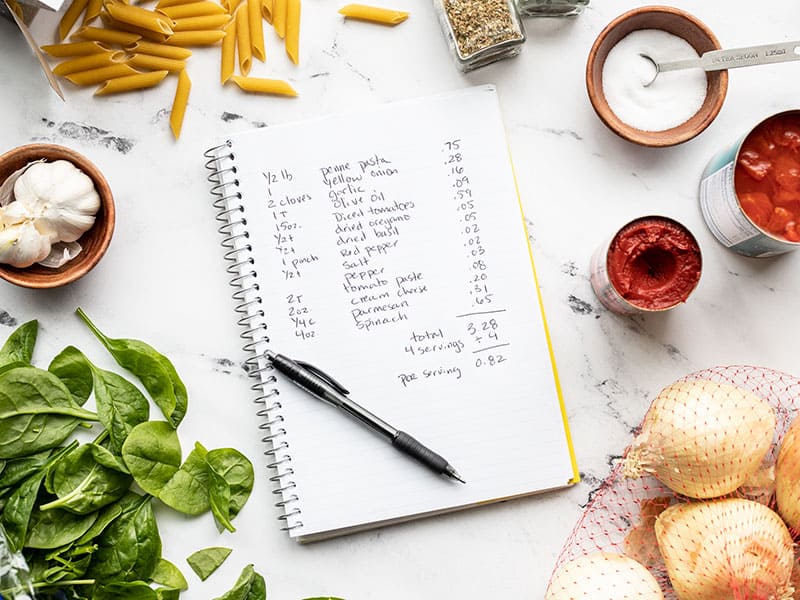
Heat, acid, and natural sugars interact in the pan, encouraging browning or gentle caramelization. These reactions intensify flavor and color, giving sauces and roasted vegetables their appealing complexity.
Enzymatic Reactions
Natural enzymes in fruits such as pineapple or papaya soften proteins, making marinades more effective. Meanwhile, yeasts and beneficial bacteria ferment dough or dairy, adding tang and improving digestibility.
Cultural Significance of Ingredients
Heritage and Tradition
Staples like rice, corn, or olive oil often carry stories of migration, trade, and celebration. Cooking with these foods links modern kitchens to ancestral tables, preserving identity through taste.
Seasonality and Sustainability
Choosing what is ripe and abundant nearby reduces transport emissions and supports local growers. Menus that shift with the seasons also keep meals exciting and naturally varied throughout the year.
Case Studies
Italian Pasta
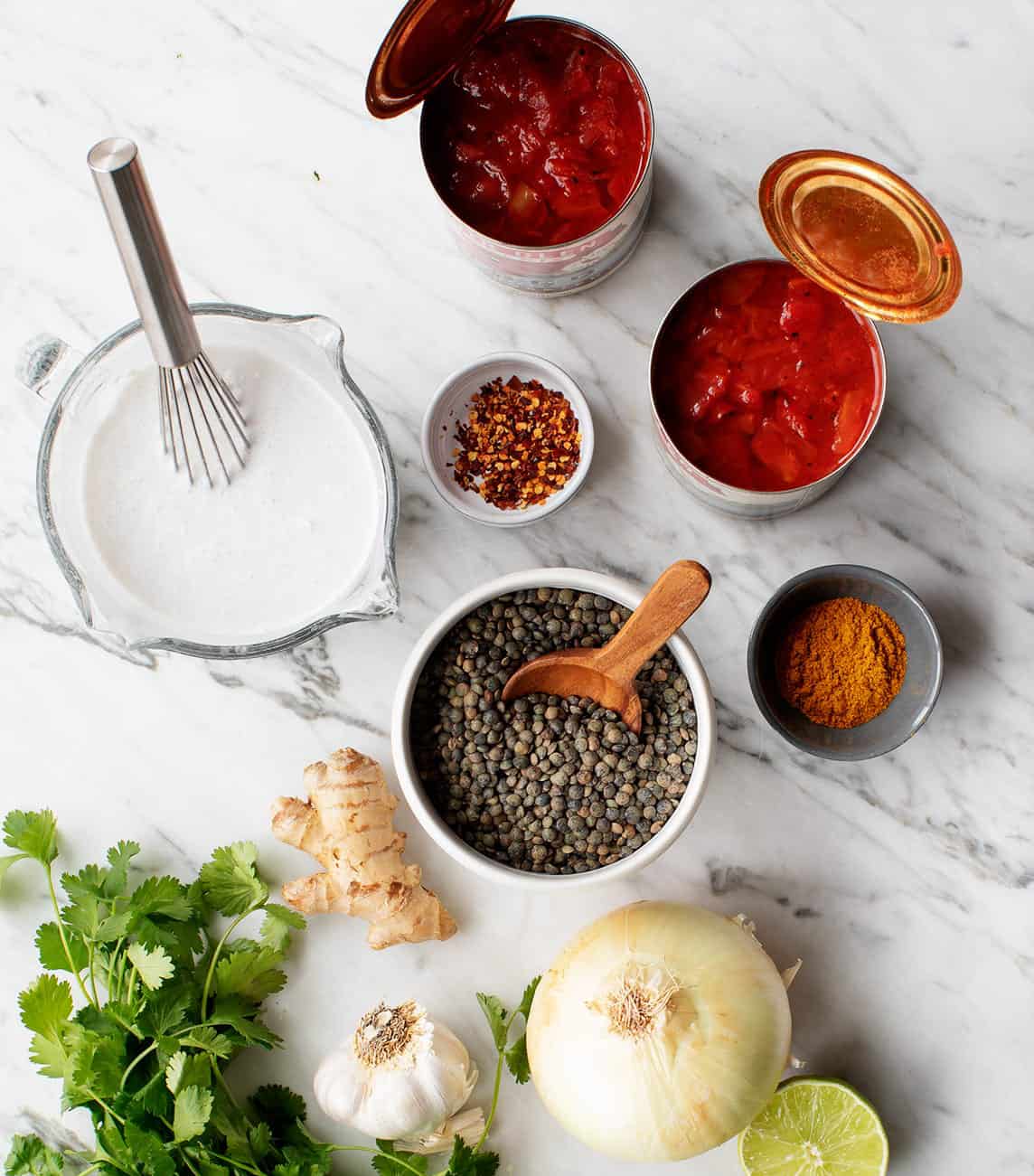
Fresh pasta showcases how flour, water, and technique unite. The dough’s elasticity, the rolling method, and the cooking water’s salinity all influence the final tender bite that cradles sauce so well.
Japanese Sushi
Sushi highlights minimalism: seasoned rice balances impeccably fresh seafood. Precise knife cuts and gentle seasoning allow each element to speak softly yet distinctly, illustrating the power of pristine ingredients.
Conclusion
Ingredients are the heart of cooking. They provide flavor, structure, and nutrients while connecting us to place and history. Understanding their properties and interactions empowers cooks to innovate responsibly and joyfully.
As global palates expand and new foods emerge, the thoughtful use of ingredients will remain central to memorable cuisine. Future exploration may include integrating unfamiliar produce into beloved classics, leveraging technology to reduce waste, or celebrating cross-cultural exchanges that keep the culinary arts vibrant and inclusive.
Ultimately, ingredient selection is a personal act of creativity. Whether in a bustling restaurant or a quiet home kitchen, mindful choices transform raw materials into shared moments of pleasure and storytelling.


