

The Art and Science of Food Photography
Introduction
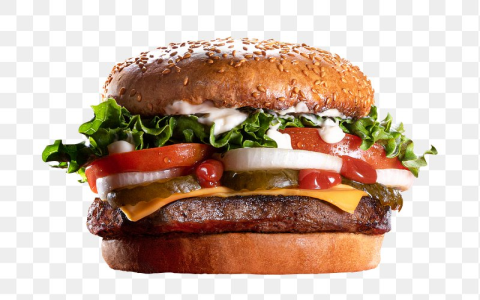
A photograph of food is far more than a simple snapshot; it is a persuasive language that can awaken memories, spark cravings, and guide choices. Across culinary studios and global campaigns alike, the image on the screen or page often decides whether a dish is noticed or ignored. This article explores the creative and technical forces that turn an everyday plate into an irresistible invitation.
The Significance of Food Imagery
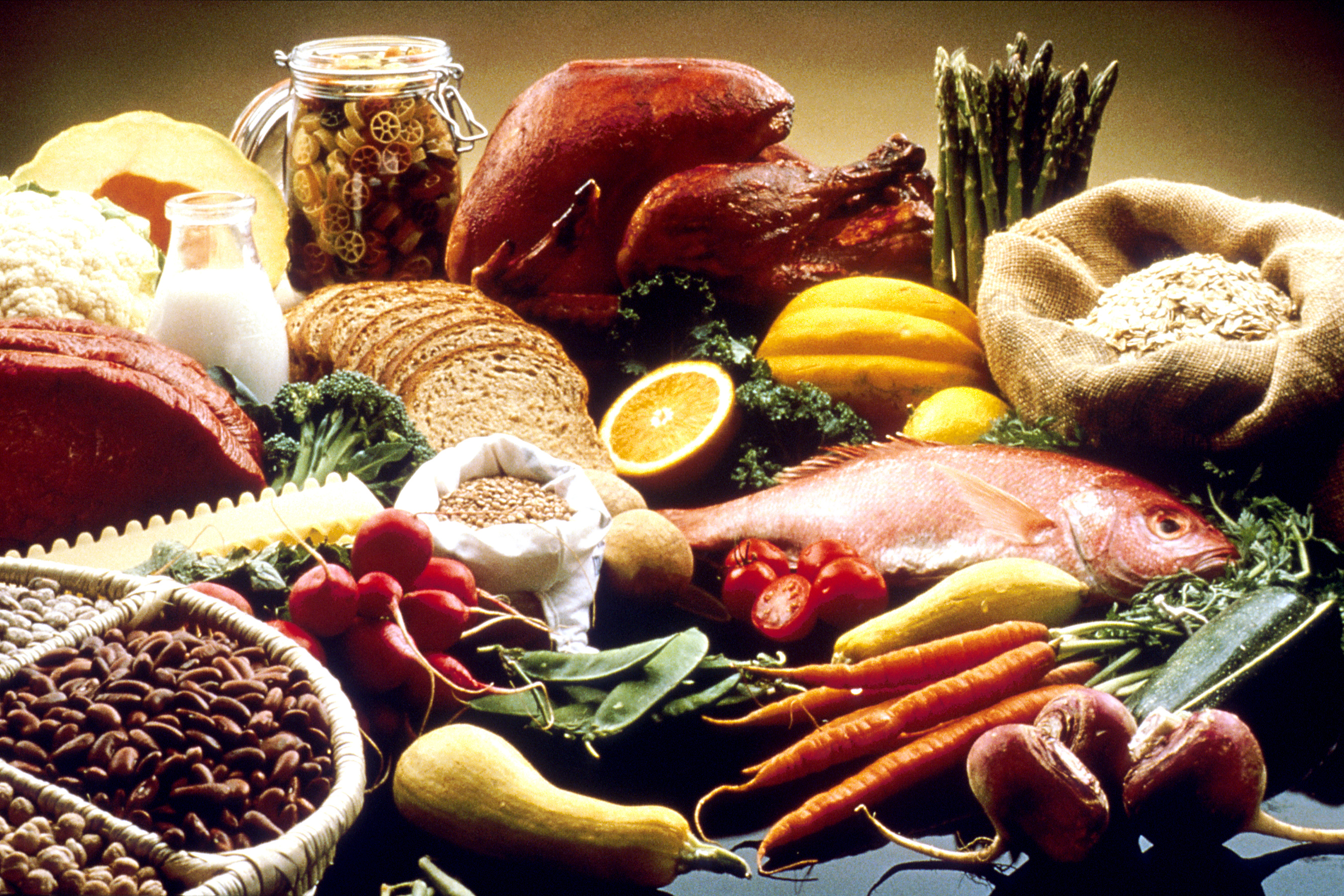
Visuals act as the first handshake between a dish and its future admirer. A single frame can whisper comfort, promise indulgence, or celebrate freshness long before the first bite is taken. When the story told by the picture aligns with the viewer’s desires, curiosity turns into action.
Emotional Connection
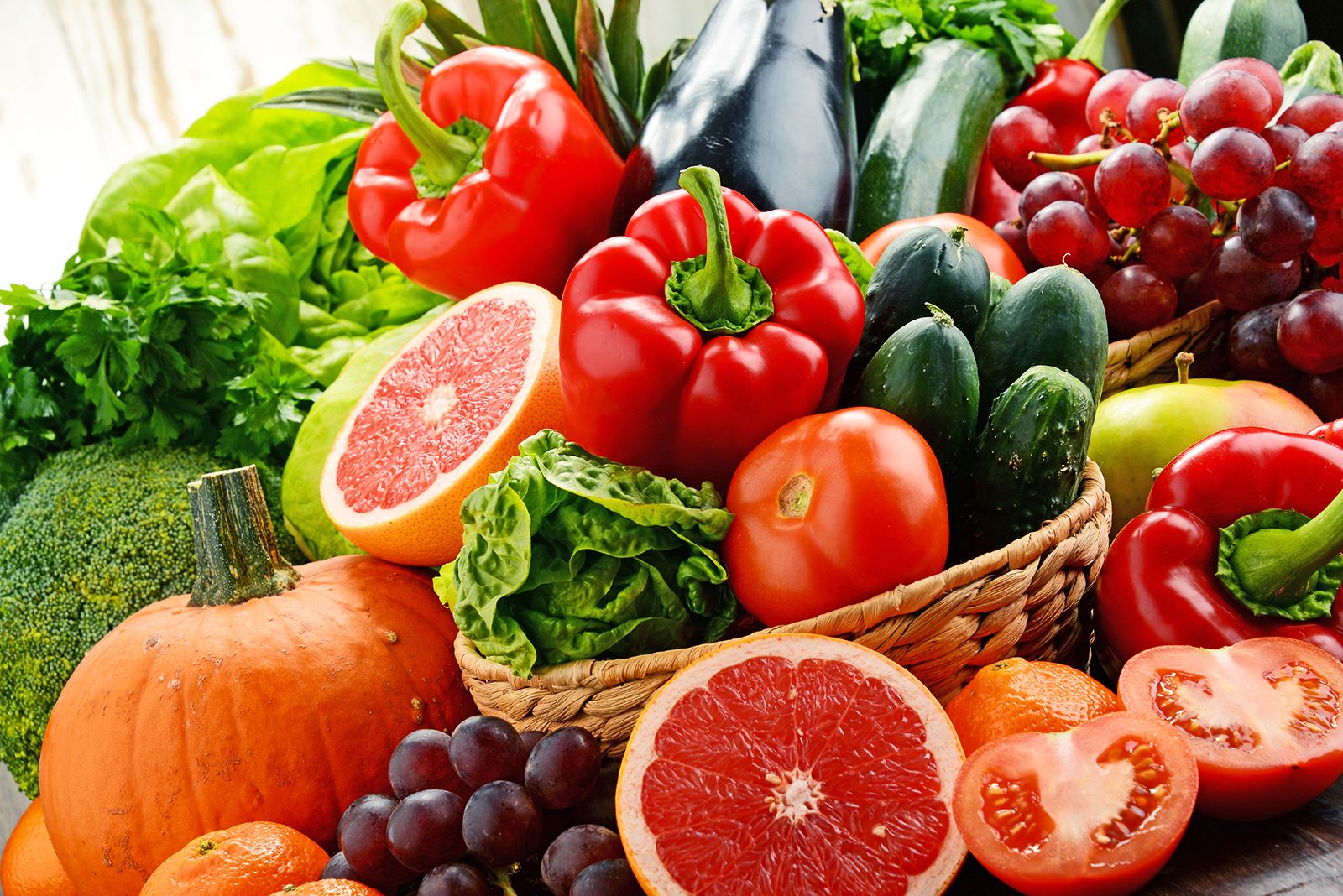
Colors, steam, and texture trigger subconscious reactions. A bright salad glistening with dressing can lift moods, while a monochrome, flat shot may close appetites. These split-second feelings become mental bookmarks that shoppers revisit at the moment of choice.
Visual Appeal
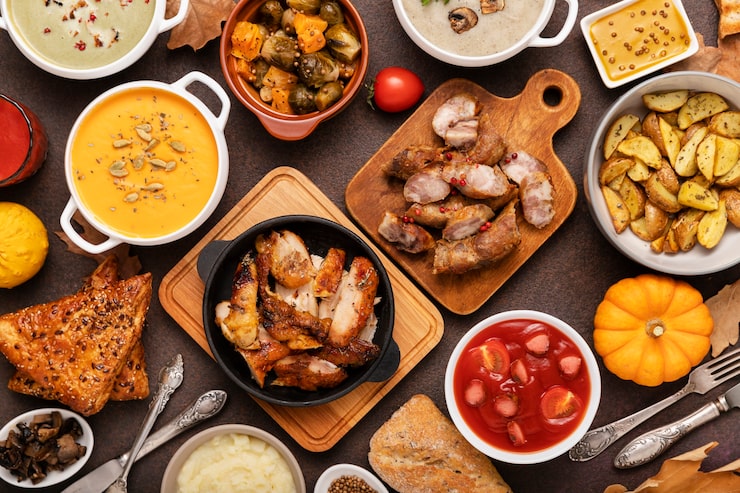
Balance, brightness, and clarity work together to make the brain say “yes.” A thoughtfully arranged frame invites the eye to linger, while clutter or dull tones encourages a quick scroll-away.
Factors Contributing to Effective Food Pictures
Several ingredients go into the visual recipe:
Lighting
Soft, diffused light wraps around edges, revealing moist crumbs or glossy sauces without harsh glare. Gentle shadows add depth, turning a pancake stack into something you can almost feel.
Composition
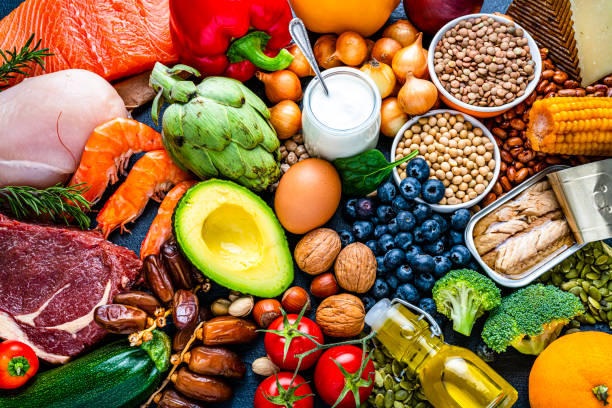
Placing the hero slightly off-center, allowing breathing space, and letting natural lines lead the gaze creates calm and confidence. Negative space can be as flavorful as the subject itself.
Color Balance
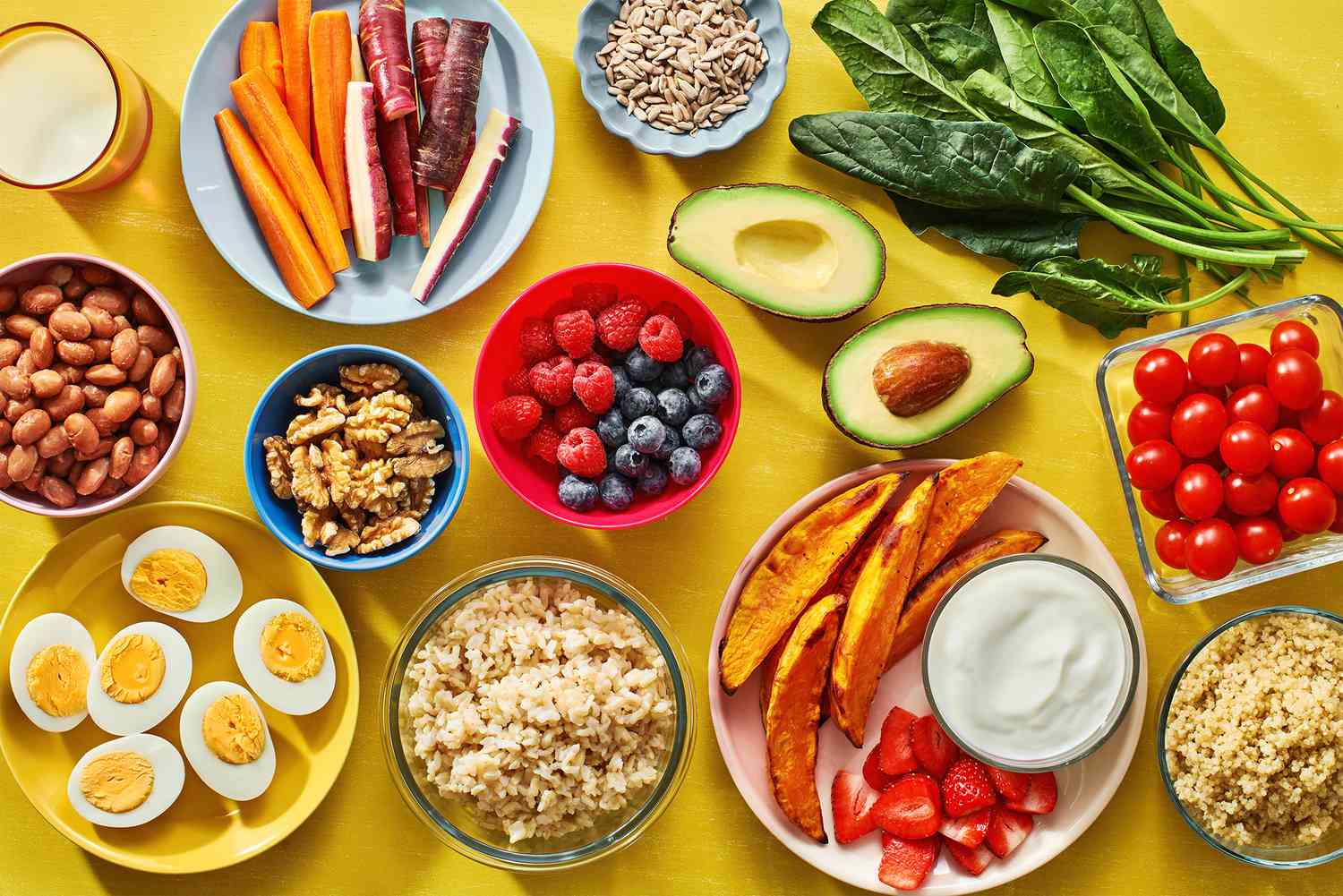
Fresh greens, warm browns, and ripe reds each send cues about flavor and quality. Restraint is key; too many competing hues can overwhelm and confuse the story.
Context
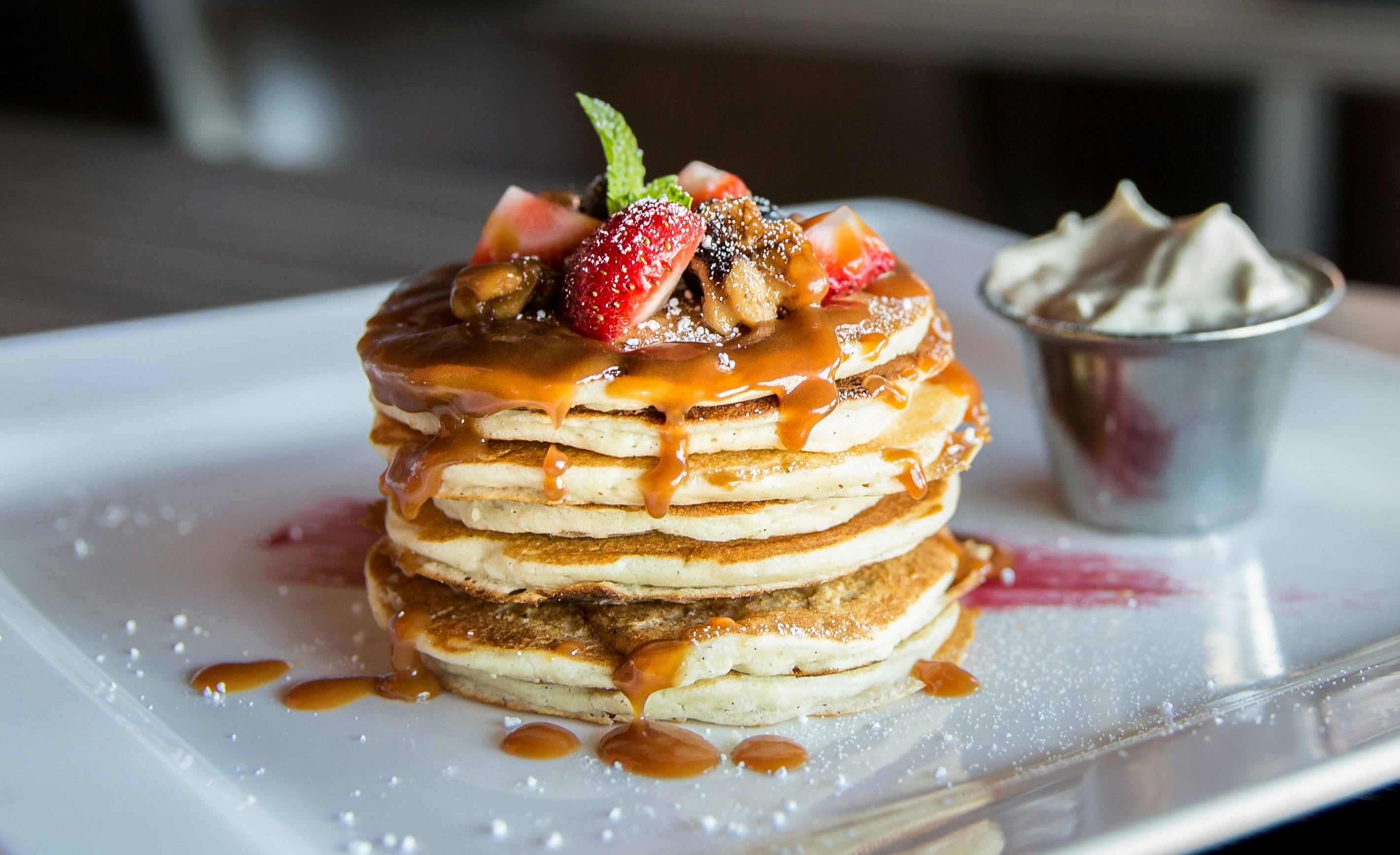
A rustic loaf beside a linen napkin hints at artisan craft, while a sleek plate on dark slate suggests modern refinement. Props should whisper, not shout, keeping attention on the food.
The Impact of Food Imagery on the Industry
Photographs ripple through every layer of the business:
Branding
Consistent style—whether airy minimalism or cozy candlelight—builds recognition. Over time, a single filter or angle can become as familiar as a signature tune.
Sales and Revenue
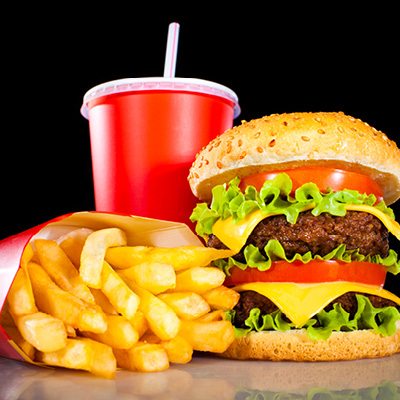
Menus, apps, and packaging that look appetizing convert views into orders. When the image matches the eater’s expectations at the table, repeat purchases follow.
Consumer Behavior
Visuals shape assumptions about health, value, and even portion size. A crisp, vibrant shot can nudge guests toward lighter options, while rich, melty frames encourage indulgence.
Conclusion
Masterful food photography blends creativity and psychology to turn hunger into action. By respecting light, color, and story, brands can transform casual scrollers into loyal advocates.
Future Research Directions
Tomorrow’s studies might investigate:
– How consistent imagery influences long-term brand attachment across generations.
– Which visual styles resonate in different cultural settings without losing universal appeal.
– The potential of immersive media to let viewers “taste” dishes before ordering.
In the end, the frame around the plate is a moving canvas where art meets appetite, and every pixel can shape the future of food experiences.

