The Culinary Delights: Exploring Food Delicacies Around the World
Introduction
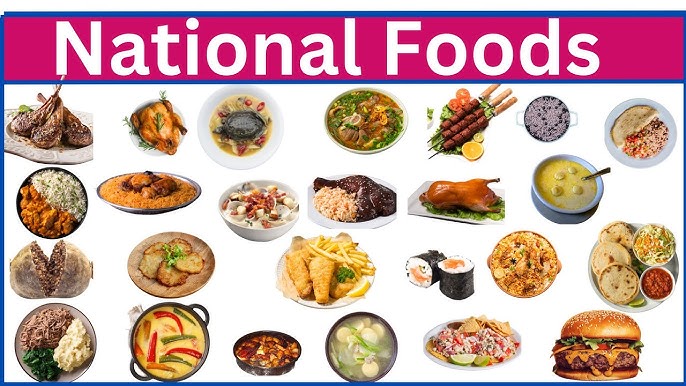
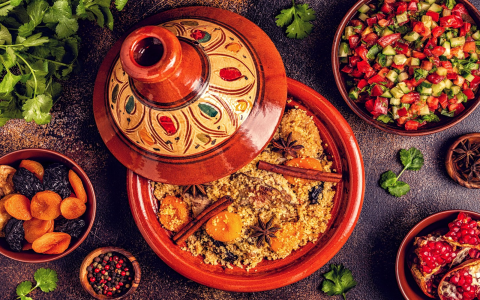
Food delicacies have always been a source of fascination and delight for people around the globe. These culinary masterpieces, often unique to certain regions or cultures, represent the pinnacle of culinary artistry. From the rich flavors of truffles to the delicate taste of sushi, food delicacies offer a taste of luxury and sophistication. This article aims to delve into the world of food delicacies, exploring their origins, cultural significance, and the science behind their creation.
The Origins of Food Delicacies
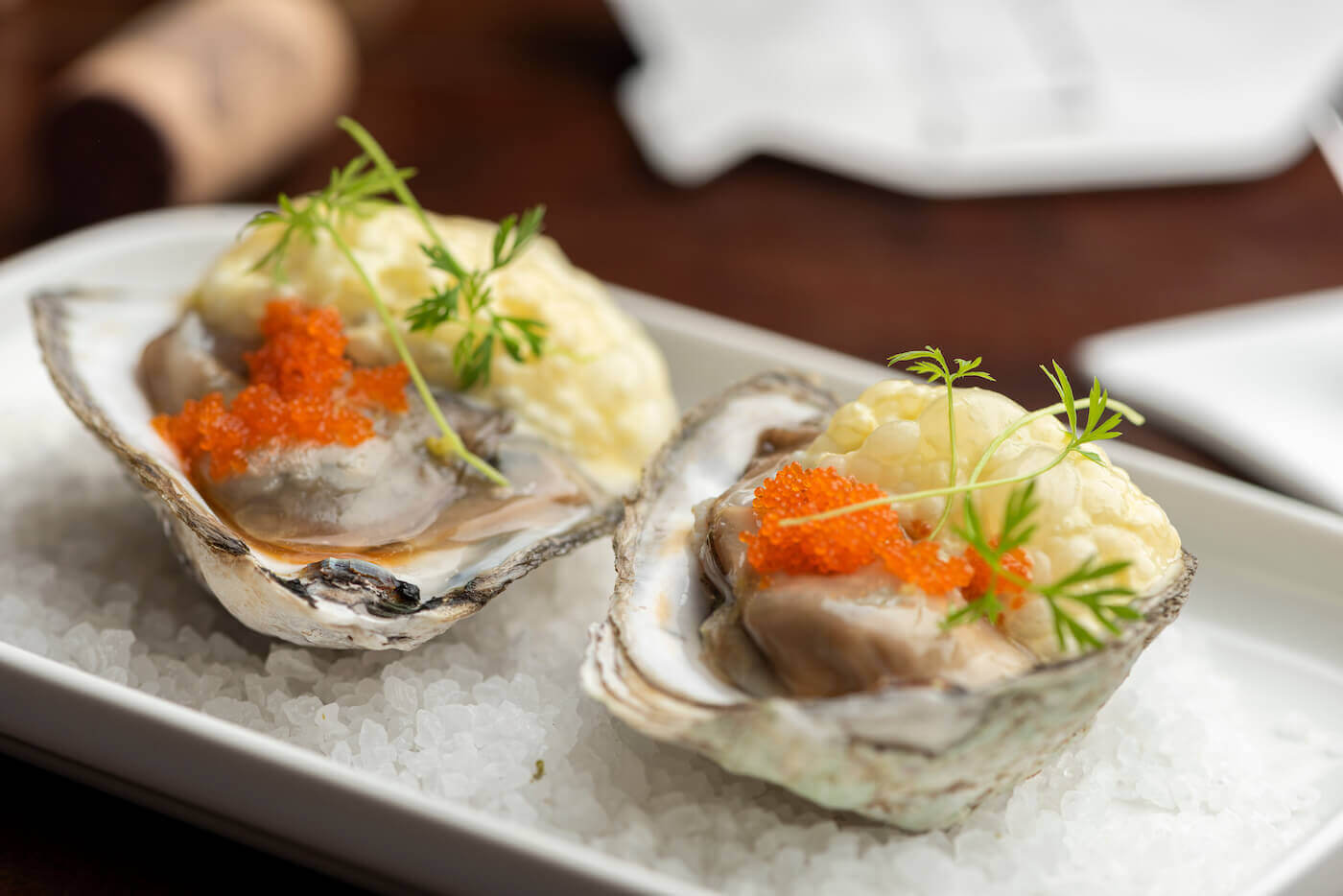
Food delicacies have a rich history that dates back centuries. Many of these delicacies originated in regions where the climate, soil, and local ingredients provided the perfect conditions for their growth. For instance, the cultivation of truffles in parts of Europe can be traced back to ancient times, while the art of sushi making in East Asia has been practiced for over a millennium.
Truffles: The Pungent Delicacy
Truffles, often referred to as the black diamond of the culinary world, are a type of fungi that grow underground. They are highly sought after for their unique flavor and aroma, which is often described as earthy and musky. The most prized varieties are typically found in select European forests and are celebrated for their rarity and depth of flavor.
Sushi: The Japanese Art of Fish and Rice
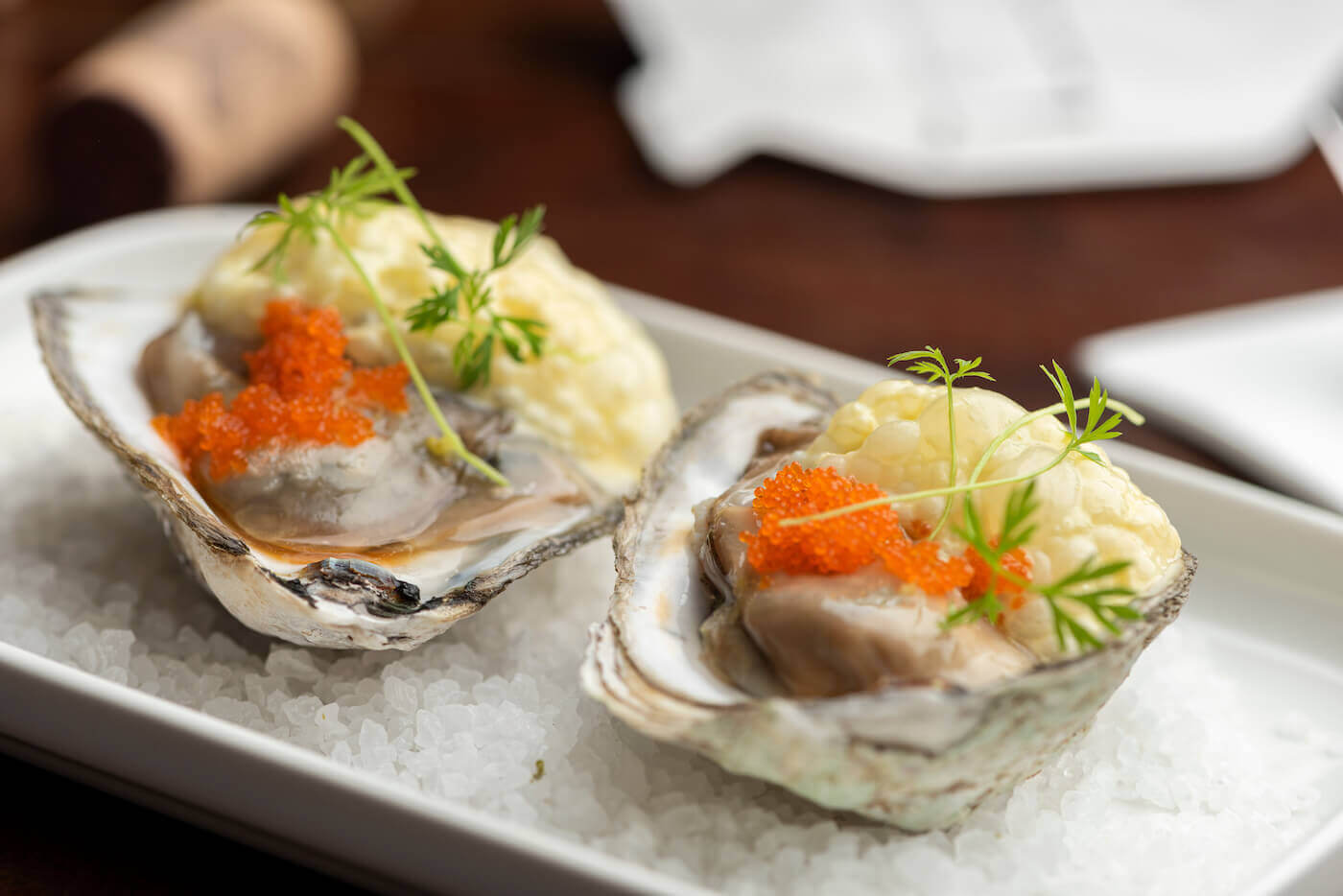
Sushi, a dish consisting of vinegared rice topped with various ingredients such as raw fish, vegetables, and sometimes tropical fruits, has become a global phenomenon. The art of sushi making is a testament to the culture’s respect for quality and simplicity. The delicate balance of flavors and textures in sushi is a testament to the skill and precision of the sushi chef.
Cultural Significance of Food Delicacies
Food delicacies often hold significant cultural value and are deeply intertwined with the traditions and rituals of their respective cultures. They are not just a source of sustenance but also a symbol of status and appreciation for craftsmanship.
Truffles in French Cuisine
In France, truffles are considered a symbol of luxury and are often associated with the country’s rich culinary heritage. They are used in a variety of dishes, from simple omelets to elaborate gourmet creations. The truffle’s unique flavor has made it a staple in French cuisine, particularly in regions known for their gastronomic traditions.
Sushi in Japanese Culture
In Japan, sushi is more than just a meal; it is a way of life. The meticulous preparation and presentation of sushi reflect the culture’s emphasis on harmony, respect, and purity. Sushi restaurants are places where diners can experience the art of sushi making firsthand, often watching the chef create their dish from scratch.
The Science Behind Food Delicacies
The creation of food delicacies is not just a matter of skill and tradition; it also involves a deep understanding of the science behind food. The unique flavors and textures of these delicacies are the result of a complex interplay of factors, including the ingredients, preparation methods, and the environment in which they are grown.
Microorganisms and Flavor Development
Microorganisms, such as bacteria and fungi, play a crucial role in the flavor development of food delicacies. For example, the fermentation process used in the production of cheese and yogurt contributes to their distinct flavors. In the case of truffles, the interaction between the fungi and the roots of trees is what gives them their unique aroma.
The Role of Enzymes
Enzymes are another key factor in the creation of food delicacies. These proteins act as catalysts, speeding up chemical reactions that contribute to the flavor and texture of foods. In the case of sushi, the enzymes in the fish break down the proteins, resulting in a tender and juicy texture.
Conclusion
Food delicacies are a testament to the ingenuity and creativity of human beings. They offer a glimpse into the rich cultural heritage of different regions and provide a taste of luxury and sophistication. From the earthy flavors of truffles to the delicate taste of sushi, food delicacies continue to captivate the palates of people around the world. As we continue to explore and appreciate these culinary masterpieces, we gain a deeper understanding of the science and art of food preparation.

Recommendations and Future Research
To further enhance our appreciation of food delicacies, it is important to:
1. Support local producers and artisans who specialize in these delicacies.
2. Encourage the preservation of traditional culinary practices.
3. Conduct research on the environmental impact of cultivating and producing food delicacies.

Future research should focus on:
1. The genetic diversity of food delicacies and their potential for adaptation to changing climates.
2. The role of microorganisms in flavor development and their potential applications in food technology.
3. The impact of food delicacies on local economies and communities.
By delving deeper into the world of food delicacies, we can continue to celebrate the rich tapestry of culinary traditions and the unique flavors that make our world taste so good.