

Mexican Food on a Wellness Journey: A Nutritional and Cultural Exploration
Introduction
Mexican cuisine, celebrated for its vivid flavors and colorful presentation, has captivated taste buds around the globe. For anyone tracking daily intake, however, enjoying these dishes while staying within personal targets can feel tricky. This article explores how the building blocks of Mexican cooking can fit comfortably into a balanced plan, offering practical ideas so you can savor the tastes you love without compromise.
The Nutritional Profile of Mexican Food
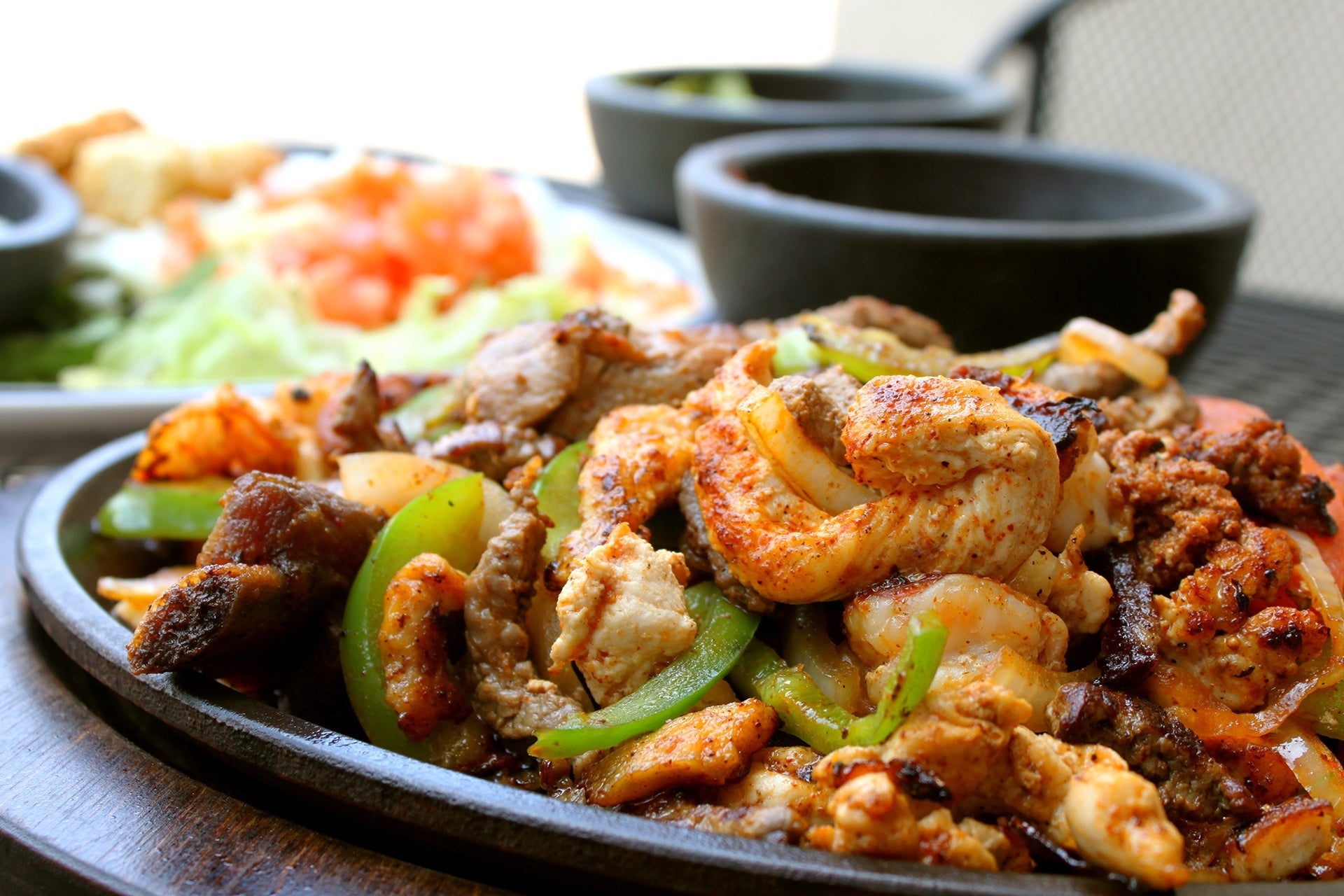
Traditional plates rely on fresh produce, lean proteins, whole grains, and heart-friendly fats—an impressive lineup for overall wellness. The key is to spotlight the lighter side of the menu and keep portions in check.
Fresh Vegetables and Fruits
Tomatoes, bell peppers, onions, cilantro, and avocado appear in countless recipes. These staples add volume, fiber, and micronutrients while keeping energy density low, making them ideal for anyone watching intake.
Lean Proteins
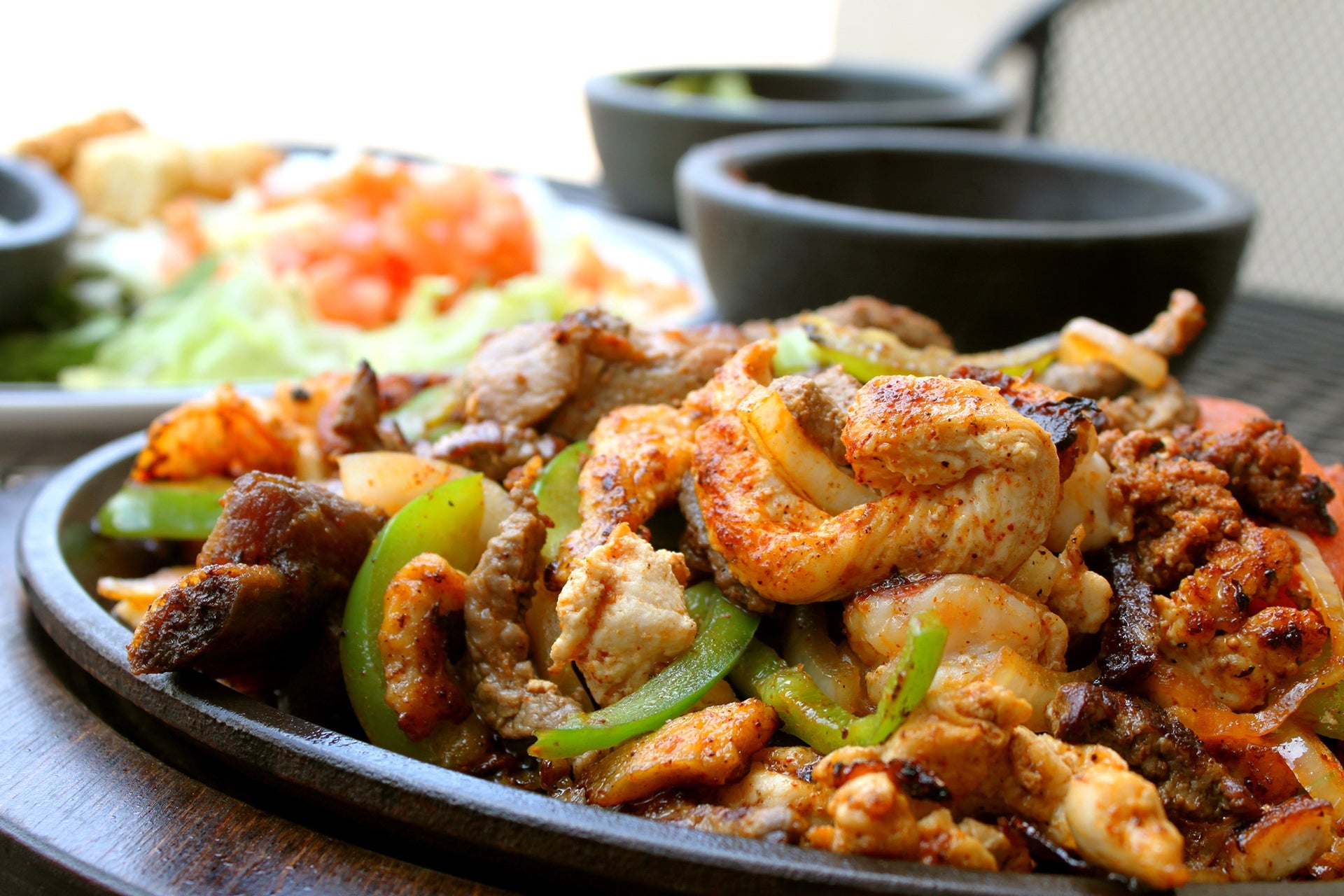
Grilled poultry, fish, seafood, and fiber-rich beans supply the protein your body needs for repair and satiety. Choosing simply seasoned, broth-simmered, or flame-grilled options keeps calories moderate and flavor high.
Whole Grains
Brown rice, quinoa, and whole-grain tortillas provide slow-release carbohydrates and extra fiber. Swapping refined versions for these choices supports steady energy and digestive health.
Healthy Fats
Avocado, nuts, and olive oil deliver satisfying richness along with fat-soluble vitamins. A light hand—think a few slices of avocado or a drizzle of oil—goes a long way toward fullness and taste.

Incorporating Mexican Food into a Balanced Plan
With a few mindful tweaks, classic dishes can stay on the table. Consider these strategies:
Choose Lean Proteins
Pick grilled, baked, or stewed meats and legumes over fried or heavily cheese-smothered varieties to trim excess energy while keeping protein front and center.
Use Portion Control

Downsize bowls and plates, measure dips by the tablespoon, and fill half the dish with vegetables first. This simple visual cue naturally limits higher-calorie extras.
Focus on Fresh Ingredients
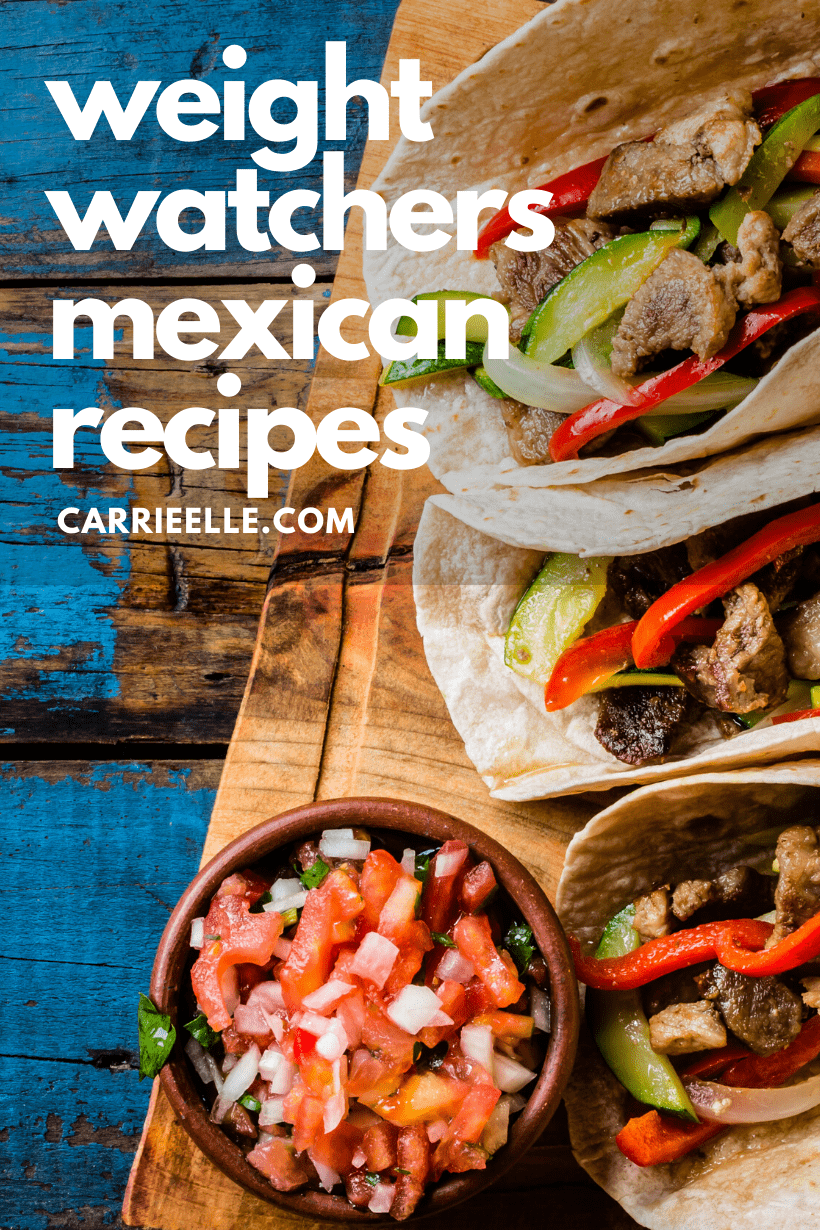
Build meals around lettuce, cabbage, pico de gallo, and grilled veggies. They add crunch, color, and nutrients with minimal calories.
Use Low-Calorie Condiments
Trade creamy sauces for fresh salsa, lime juice, pickled onions, or a spoonful of mashed avocado. You’ll keep the zest and lose the heavy load.
Conclusion
Mexican fare can absolutely complement a wellness routine when you lean on fresh produce, sensible proteins, whole grains, and measured fats. By letting vegetables take center stage and treating richer items as accents, you’ll enjoy the fiesta of flavors while staying aligned with your goals. Balance, variety, and a splash of lime are all you need to keep both taste buds and aspirations happy.
References
– General nutrition databases and public health guidelines on produce, lean proteins, whole grains, and healthy fats.
– Peer-reviewed articles on dietary fiber, satiety, and portion control strategies.
– Official resources explaining balanced eating patterns and calorie-conscious cooking techniques.


