


The Art and Science of Cooking: A Comprehensive Overview
Introduction
Cooking, a practice as old as humanity itself, has grown from a basic survival skill into a celebrated art. It blends scientific principles with creative intuition, turning raw ingredients into meals that nourish and delight. This article explores the history, techniques, nutritional implications, and emotional rewards of cooking, revealing why it remains central to daily life across cultures.
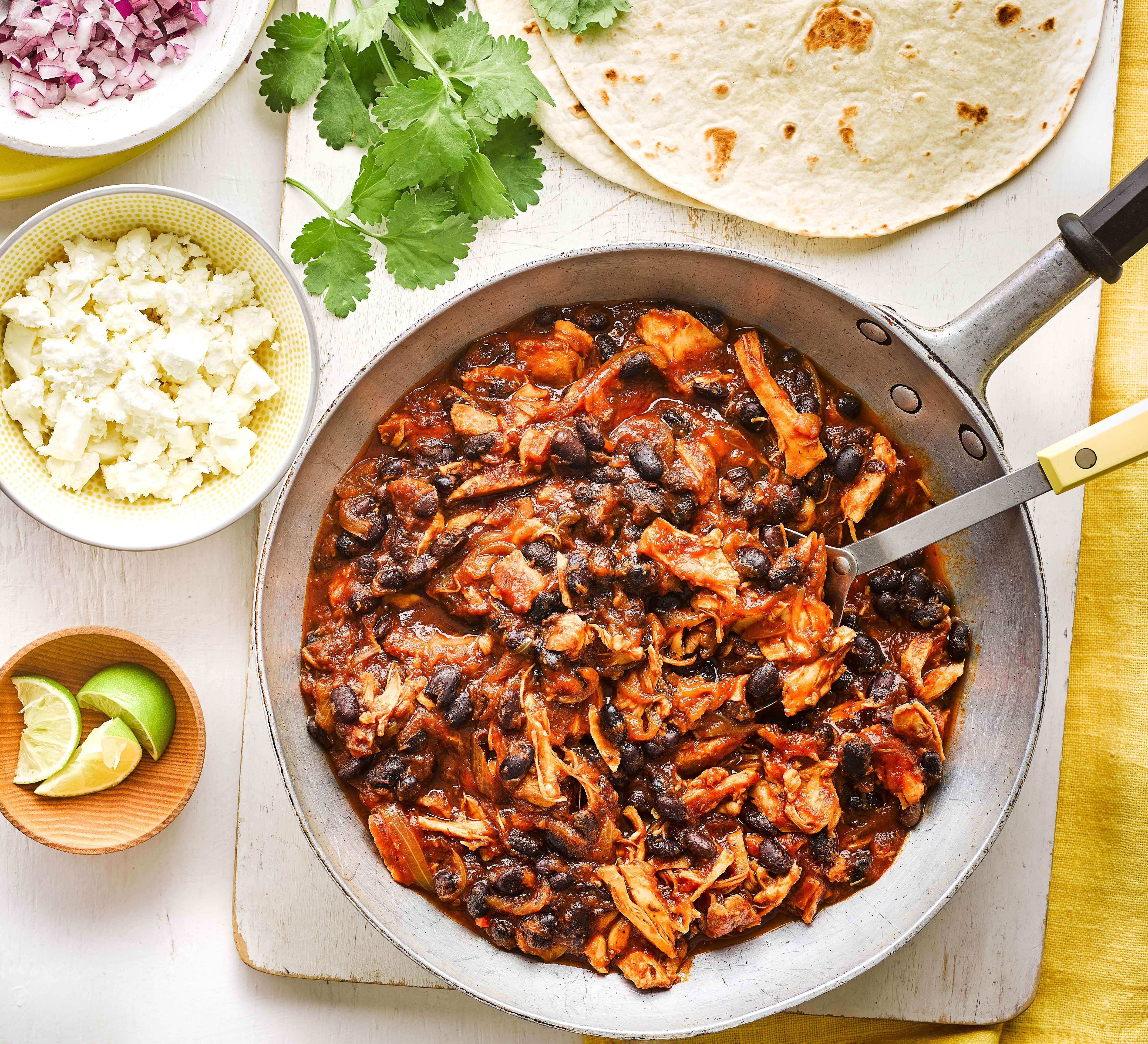
The History of Cooking
Early humans first cooked over open flames, gradually discovering that heat improved flavor and safety. As societies advanced, regional ingredients and tools shaped distinct culinary identities. Clay pots enabled slow stews, while metal woks encouraged rapid stir-frying. Trade routes later spread spices and methods, weaving a shared yet diverse global food heritage that continues to evolve.
Techniques of Cooking
Cooking methods fall into two broad categories:
1. Heat-Based Techniques
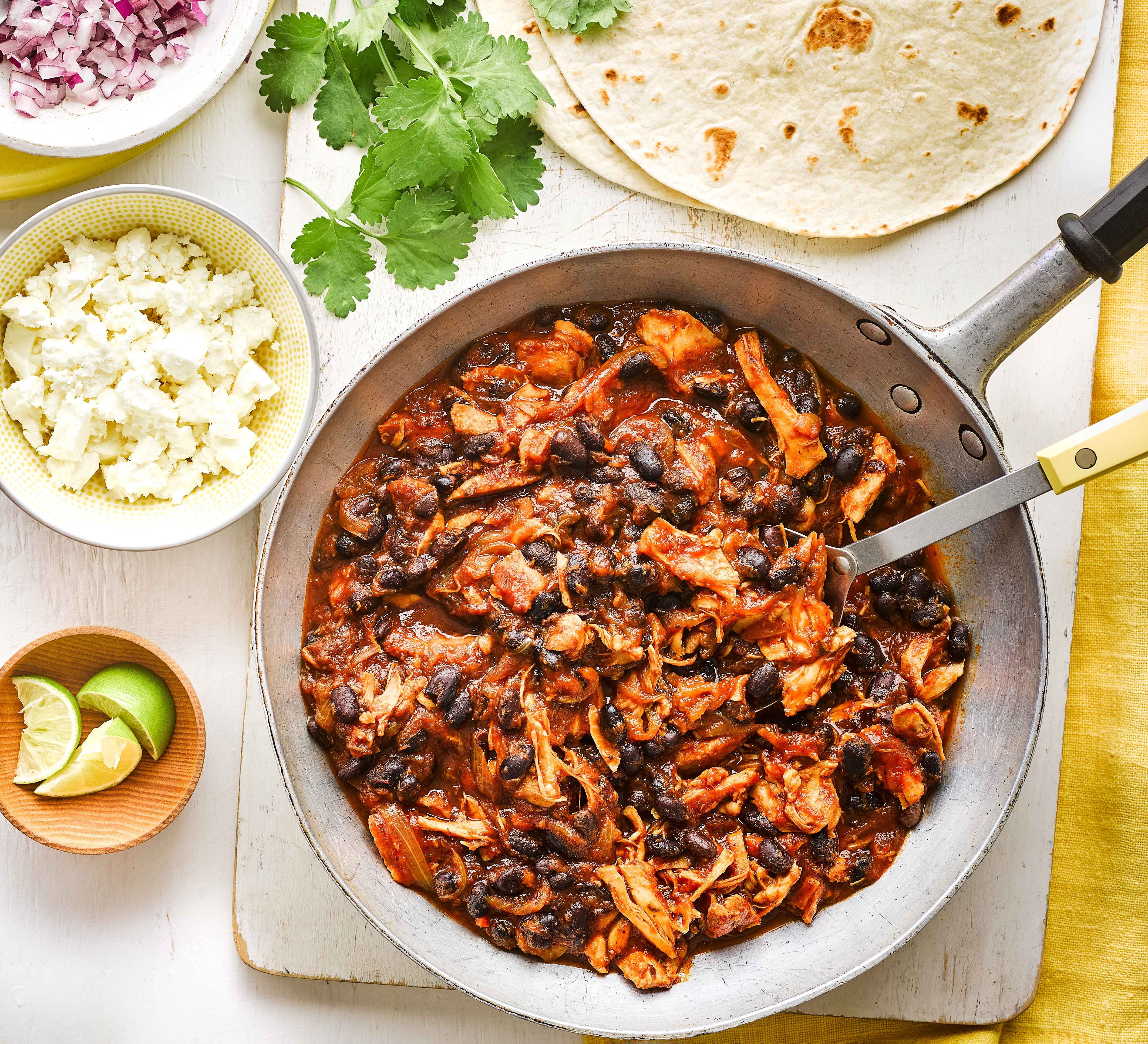
Heat transforms texture, color, and taste through several familiar approaches:
– Roasting: Surrounding food with hot, dry air to develop a browned exterior and tender interior.
– Boiling: Immersing ingredients in bubbling liquid, useful for grains, pasta, and vegetables.
– Baking: Relying on steady oven heat to set batters and doughs into breads, cakes, and pastries.
– Grilling: Applying direct, high heat from below to create char and smoky notes.
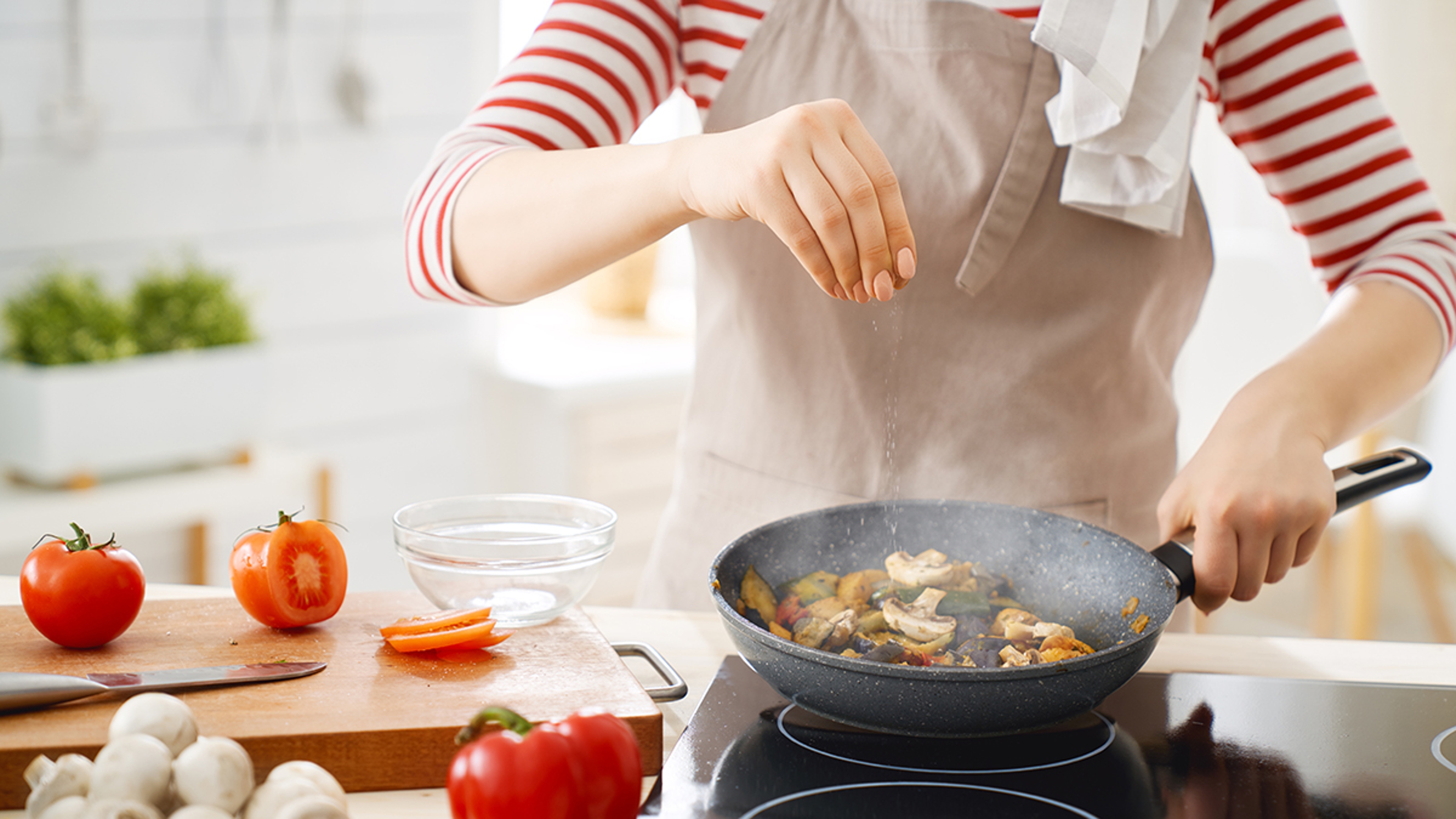
2. Non-Heat-Based Techniques
Flavor and preservation can also be achieved without heat:
– Marinating: Soaking foods in seasoned liquids to infuse taste and soften texture.
– Fermenting: Encouraging beneficial microbes to heighten flavor and extend shelf life.
– Canning: Sealing foods in sterile jars to maintain safety over months.
Nutritional Value of Cooking
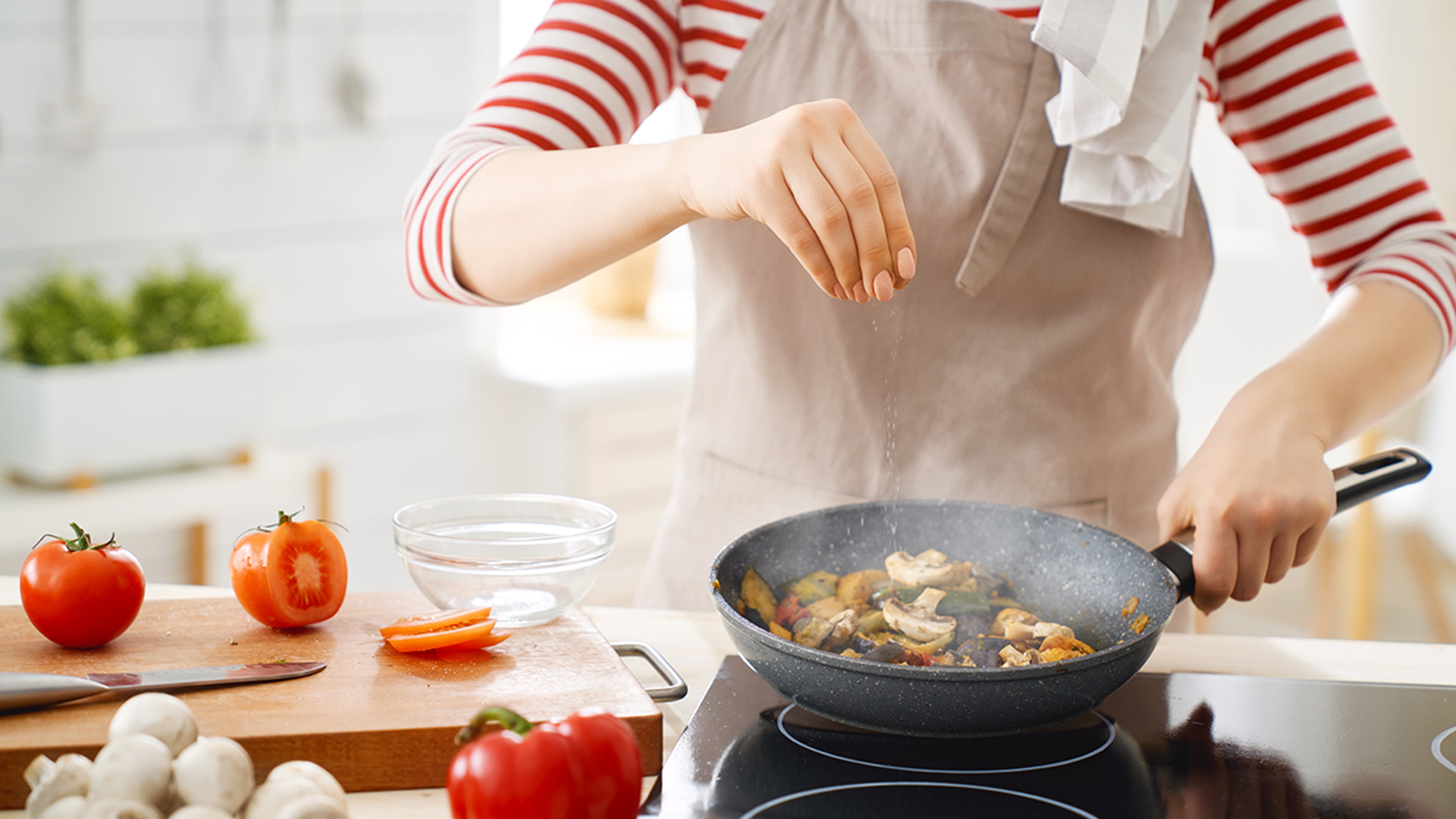
How food is cooked affects its nutrient profile. Gentle steaming can loosen plant cell walls, releasing vitamins, while prolonged boiling may leach them away. Quick sautéing and grilling often retain more micronutrients than deep-frying, which adds excess fat. Balancing time, temperature, and moisture helps preserve both health benefits and appealing taste.
Psychological Impact of Cooking
Preparing meals offers more than physical sustenance. Measuring, chopping, and stirring can calm the mind and foster mindfulness. Sharing the finished dish strengthens social bonds, turning everyday dinners into cherished rituals. The creative choices involved—from seasoning to plating—also provide a sense of control and personal expression that boosts overall well-being.
Conclusion
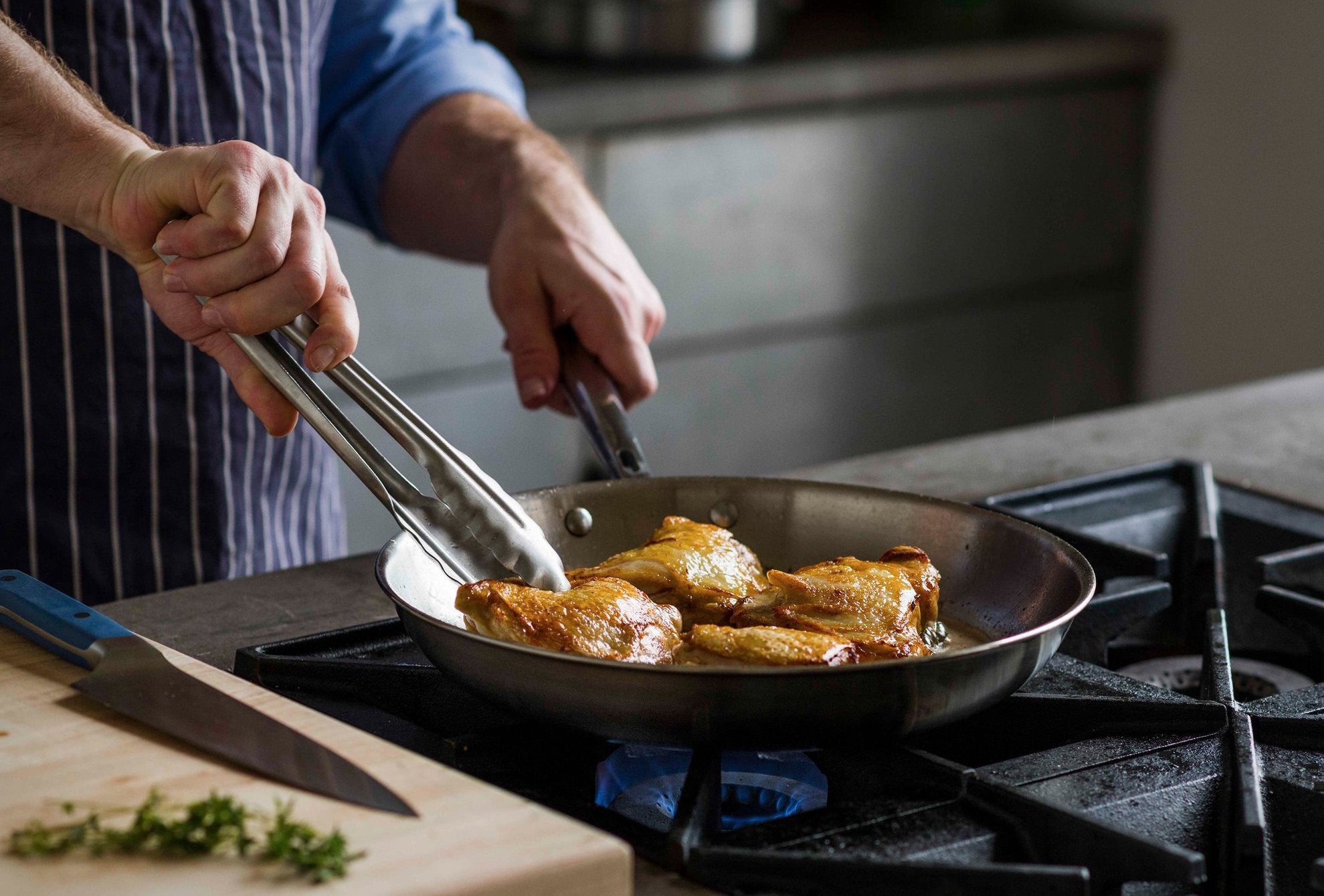
Cooking unites science, culture, and emotion in every sizzle and aroma. By valuing its history, mastering its techniques, and recognizing its nutritional and psychological benefits, we deepen our connection to what we eat. Embracing thoughtful, sustainable practices ensures that future generations will continue to find joy and comfort at the stove and around the table.


