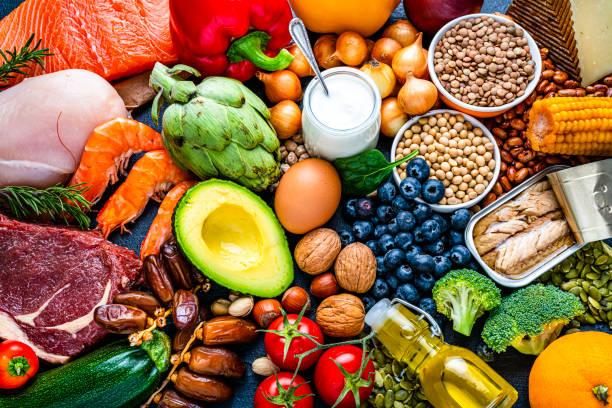
The Impact of Food Imagery on Consumer Behavior
Introduction
In today’s culinary world, the visual side of food plays a powerful role in what people choose to eat. Food imagery—photographs, illustrations, and videos of dishes—has become a key driver of consumer decisions. This article explores how appealing pictures shape choices, the psychology behind the effect, and the broader implications for health and marketing.

The Concept of Food Imagery
What is Food Imagery?
Food imagery refers to any visual representation of food used in menus, advertisements, social media, or packaging. Its main goal is to trigger appetite, stir emotion, and guide purchase decisions by showing dishes at their most attractive.
The Influence of Food Imagery on Consumer Choices
Visual Appeal and Decision-Making
Research consistently shows that people are more likely to buy a food item when it is paired with an enticing photo. Attractive visuals raise expectations of taste and quality, often acting as the first “bite” a consumer takes.
Emotional Connection and Brand Loyalty
Images that spark positive feelings—comfort, nostalgia, or excitement—can strengthen bonds between consumers and brands. Familiar or culturally resonant pictures encourage repeat purchases and long-term loyalty.

Psychological Mechanisms at Play
The Role of Senses and Perception
Bright colors suggest freshness, while rich textures imply indulgence. Even before tasting, the brain begins to imagine flavors and aromas based solely on what the eyes see, steering preferences and willingness to pay.
The Illusion of Familiarity and Trust
Repeated exposure to consistent, appetizing visuals fosters a sense of trust. When a product looks the same across ads and platforms, shoppers feel they know what to expect, reducing perceived risk.
The Impact of Food Imagery on Health and Nutrition
Visual Cues and Health Perception
A well-styled photo can make any dish appear wholesome, even when nutritional value is low. This halo effect may lead to overconsumption of calorie-dense foods and skewed ideas about balanced eating.

The Role of Transparency and Education
Pairing mouth-watering images with clear nutrition information helps consumers weigh pleasure against health. Educational campaigns can teach audiences to look beyond appearance and read labels or ingredient lists.
Conclusion
Compelling food imagery strongly shapes what people buy, how much they enjoy it, and whether they come back for more. By combining visual appeal with honest information, brands can create campaigns that are both effective and responsible.
Recommendations and Future Research
Recommendations
1. Use appetizing photos that accurately reflect portion size and ingredients.

2. Support visuals with simple nutrition tips to guide healthier choices.
3. Industry guidelines should encourage truthful representation, protecting consumer trust.
Future Research
1. Long-term studies could track how frequent exposure to idealized food images affects eating habits and health outcomes.
2. Cross-cultural projects might reveal which visual styles resonate most with different age groups and regions.
3. Work on sustainable imagery practices can ensure that mouth-watering marketing also promotes mindful consumption.