

The Art and Science of Cooking: A Comprehensive Guide to Culinary Creation
Introduction
Cooking is a universal skill that bridges cultures and continents. Beyond satisfying hunger, it offers a canvas for creativity, a vessel for heritage, and a reason to gather. Transforming raw ingredients into a memorable dish demands both intuition and knowledge—an interplay of art and science. This guide explores the essentials of culinary creation, from selecting produce to mastering heat, so every meal can delight the senses and nourish the body.
The Basics of Cooking
Understanding Ingredients
Great dishes begin with thoughtful choices. Vibrant seasonal produce, responsibly sourced proteins, and aromatic herbs each bring distinct flavors, textures, and nutrients. Leafy greens wilt quickly yet brighten any plate, while slow-cooking legumes reward patience with creamy comfort. Knowing how an ingredient behaves under heat or alongside a companion spice is the first step toward harmony in the pot.
The Role of Heat
Heat is the silent partner that coaxes transformation. A fierce sear seals juices into a chop, gentle steam keeps fish silky, and steady oven warmth turns dough into crusty bread. Matching the intensity and duration of heat to the food’s nature prevents toughness, preserves moisture, and unlocks layers of taste.
Cooking Techniques
Countless methods await the curious cook, each shaping outcome and mood:
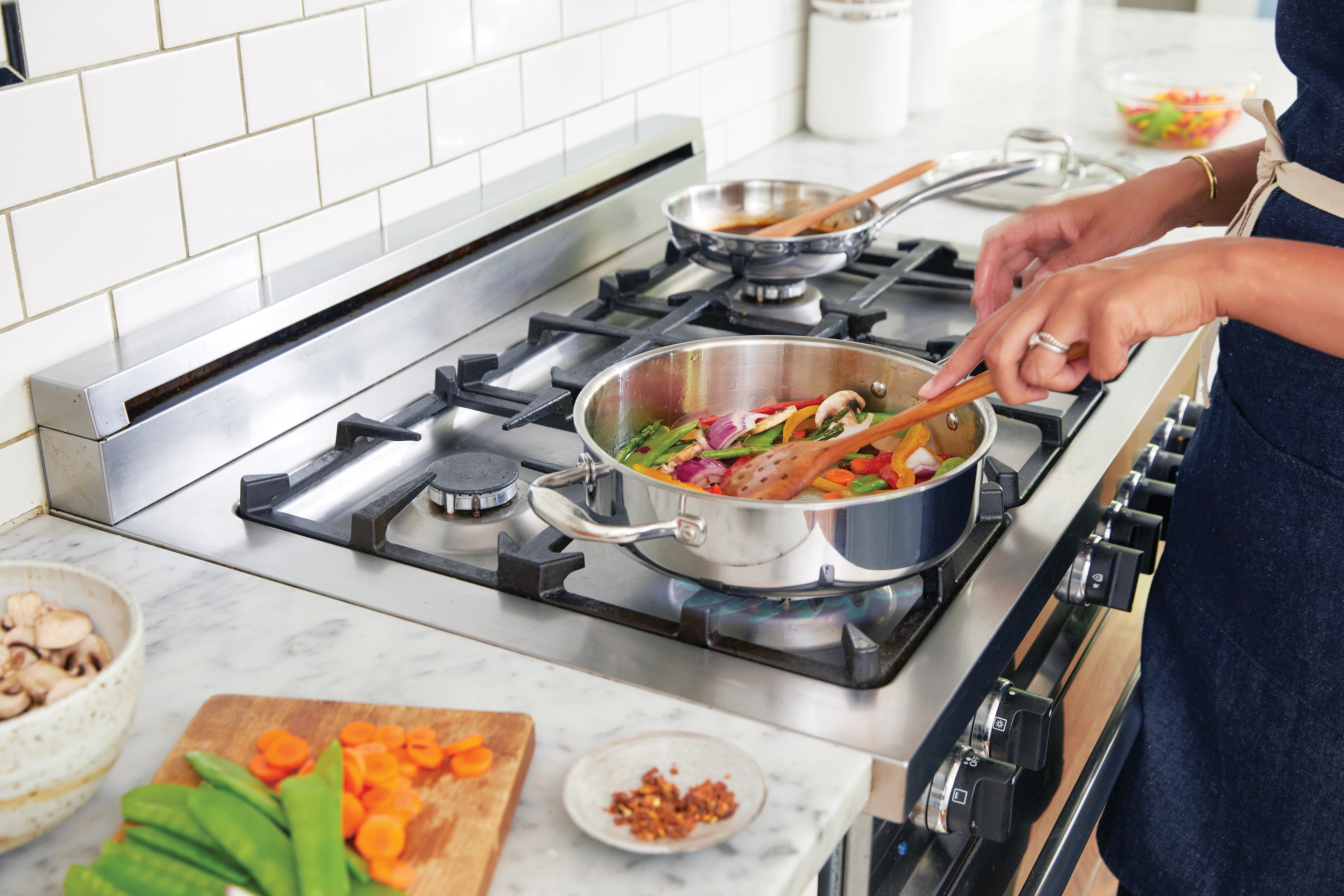
– Sautéing: Quick tosses in a lightly oiled pan preserve color and crunch.
– Boiling: Bubbling water softens pasta, greens, and grains in minutes.
– Baking: Enclosed dry heat roasts vegetables to sweetness and breads to golden heights.
– Grilling: Open flames lend smoky char and summer nostalgia to everything from peaches to poultry.
The Science Behind Cooking
Chemical Reactions
Heat triggers invisible choreography: sugars caramelize into deep bronze notes, proteins firm and relax, and the Maillard reaction paints crusts with nutty complexity. These reactions are the unseen seasoning that separate raw from remarkable.
Texture and Consistency
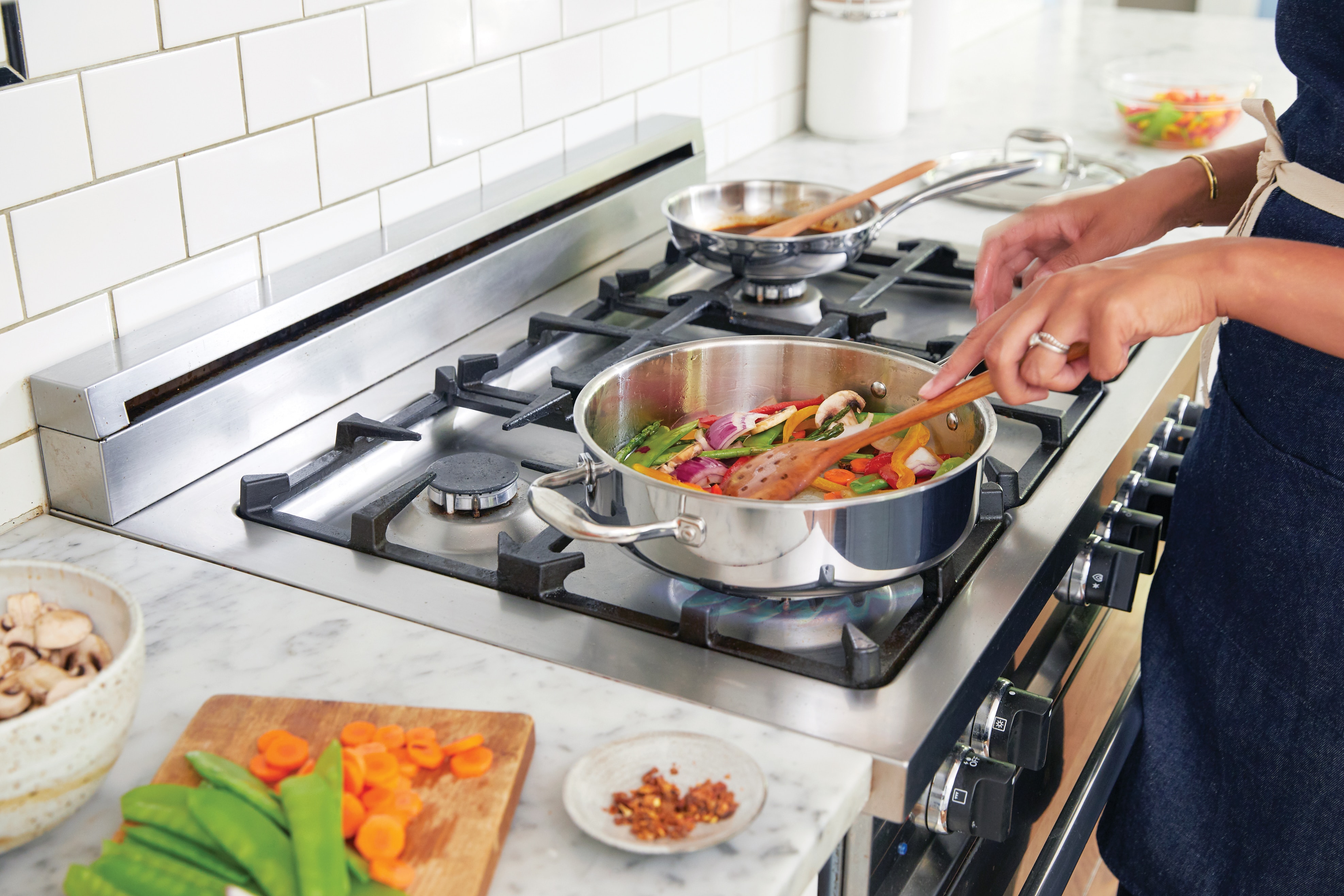
Collagen melts into gelatin under slow simmer, giving stews body; starches swell and thicken sauces; whipped air inflates batters into airy cakes. Controlling time and temperature lets the cook conduct this texture orchestra.
Flavors and Aromas
Volatile oils escape herbs when torn, garlic sweetens as it browns, and toasting spices awakens dormant fragrance. Balancing salt, acid, fat, and heat layers aroma upon aroma, turning each bite into a story.
Advanced Cooking Techniques
Plating and Presentation
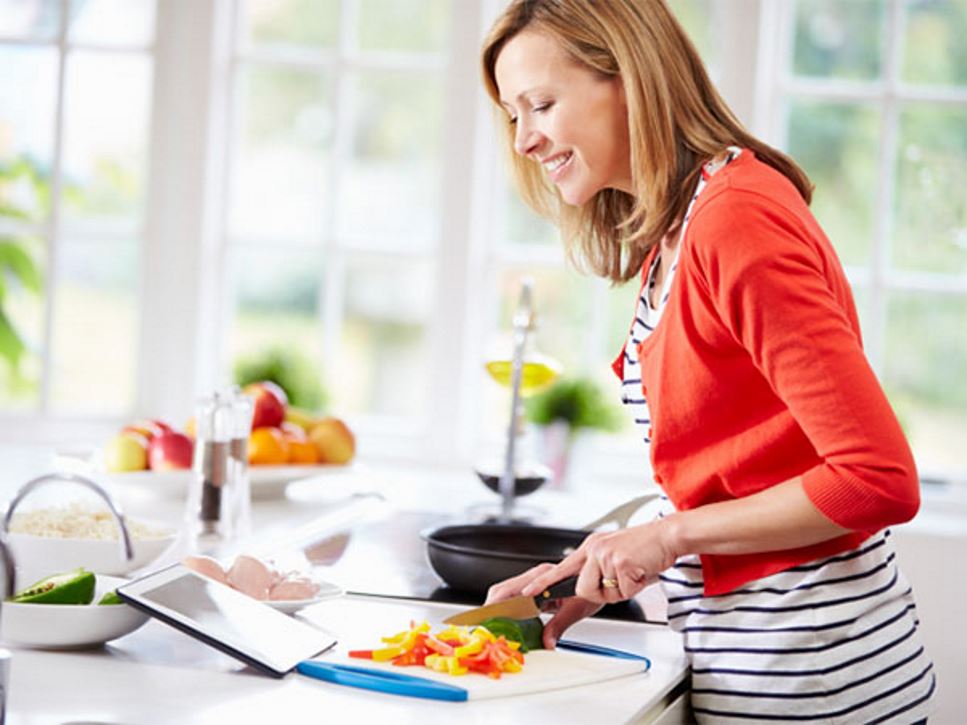
A thoughtful swirl of purée, a sprinkle of vivid micro-greens, or a deliberate streak of sauce invites the eye to feast first. Negative space, color contrast, and varied height guide the diner’s gaze and set expectations before the fork ever lifts.
Molecular Gastronomy
Modern kitchens experiment with science: liquids become caviar-like pearls, foams carry concentrated scent, and edible films burst with surprise flavor. These playful techniques challenge perception while respecting taste.
The Importance of Cooking
Nutritional Value
Proper heat breaks down fibers, making vitamins more accessible, and neutralizes potential pathogens, turning raw bounty into safe, digestible fuel. Mindful techniques retain brightness and goodness, proving healthy need not mean bland.
Cultural Significance
Recipes travel across generations like edible heirlooms, carrying stories of migration, celebration, and identity. Sharing a meal anchors memory; stirring a communal pot strengthens bonds louder than words.
Personal Satisfaction
Measuring, chopping, tasting, and adjusting offer meditative rhythm. The final applause of happy faces around the table repays effort with immeasurable warmth, encouraging cooks to venture further each time.
Conclusion
Cooking weaves creativity, chemistry, and community into everyday life. Whether mastering a simple scramble or crafting an elaborate feast, each act of culinary creation feeds more than the body—it nurtures curiosity, connection, and joy. As palates evolve and knowledge expands, the kitchen remains an endless classroom where the next delicious discovery awaits.


