The Impact of Portion-Controlled Frozen Meals on Healthy Eating and Weight Management
Introduction
In today’s busy world, convenience often competes with nutritional goals. Pre-packaged, calorie-controlled frozen meals have become a go-to option for people who want quick dishes without abandoning balanced eating. This article reviews the advantages and limitations of relying on such meals, highlighting how they can support weight control and foster healthier routines.
The Concept of Portion-Controlled Frozen Meals
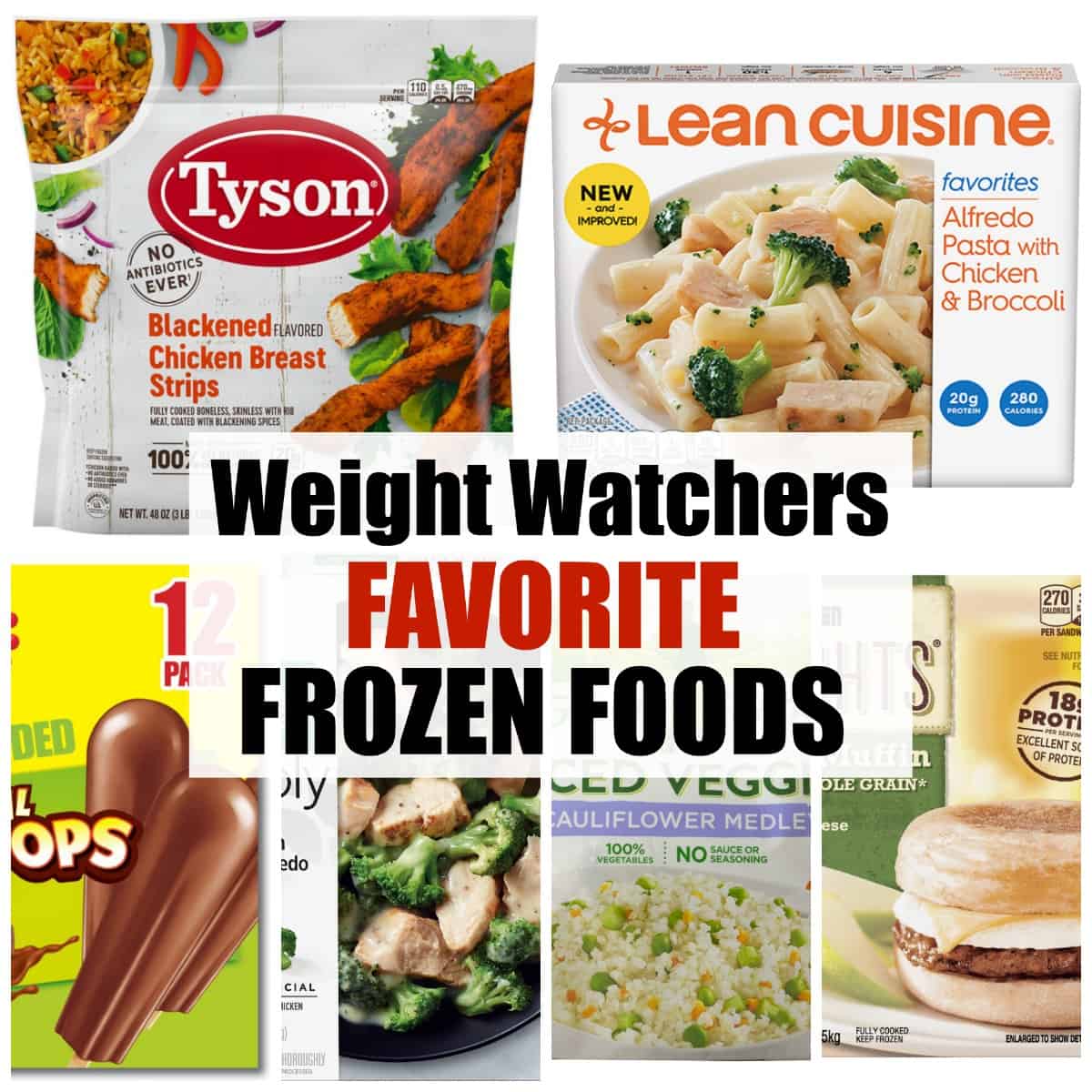
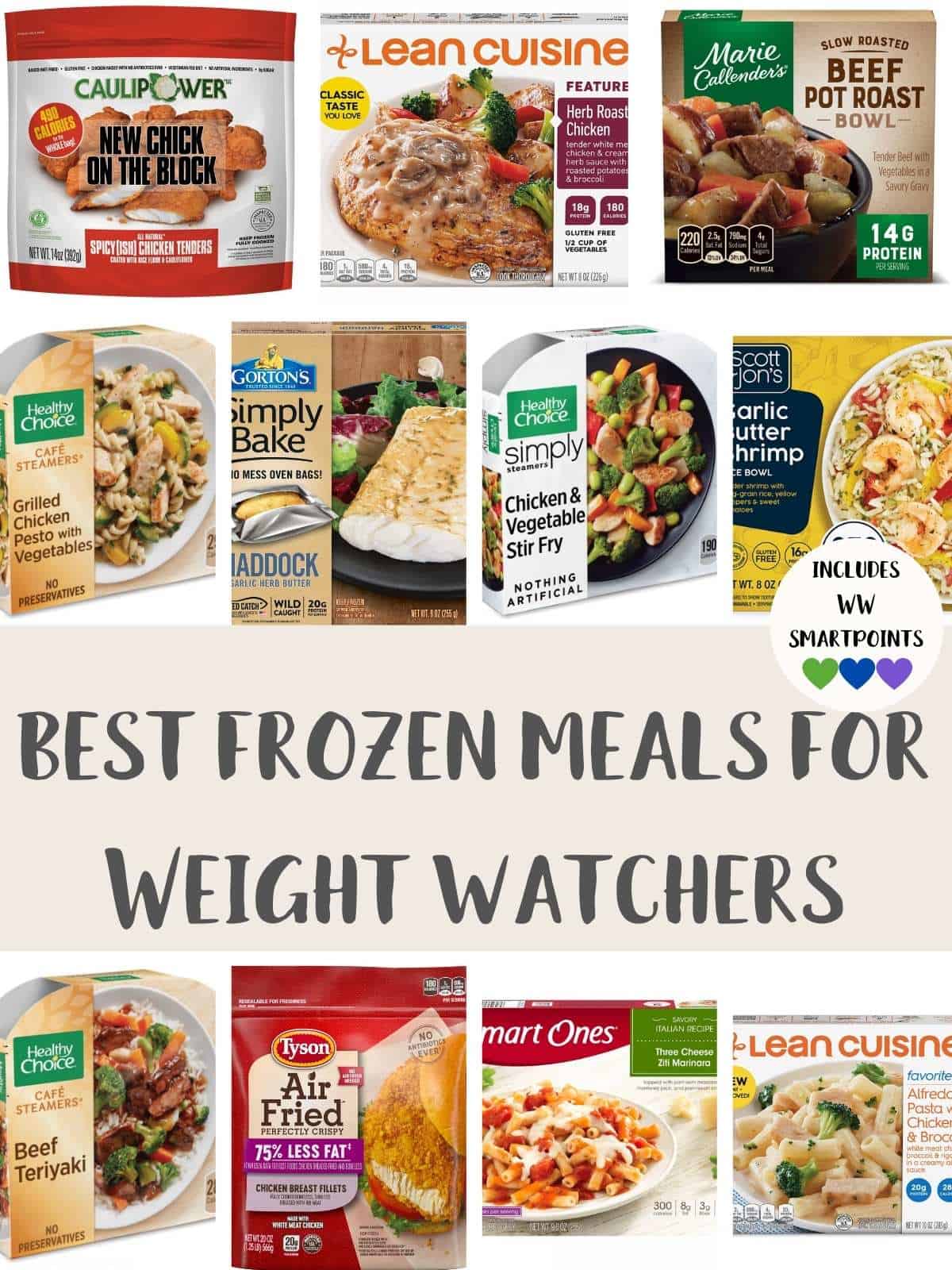
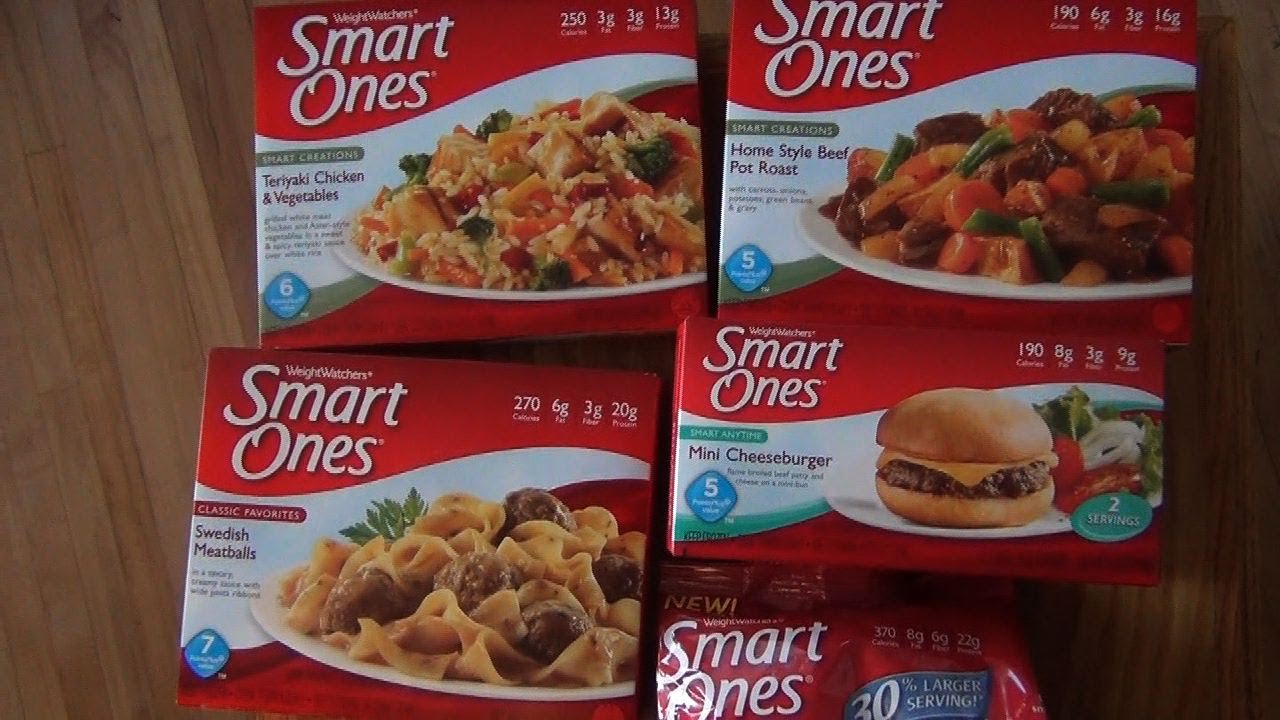
Many wellness programs emphasize moderate portions and nutrient balance. The corresponding frozen product lines translate these ideas into ready-to-heat dishes that keep calories, protein, carbohydrates, and fats within predetermined ranges. Because each entrée is measured in advance, consumers can monitor daily intake without extra weighing or guesswork.
Benefits of Portion-Controlled Frozen Meals
1. Convenience
A full homemade lunch or dinner can be hard to fit into a tight schedule. A frozen, balanced entrée heats in minutes, letting people stay on track even during hectic days.
2. Nutritional Balance
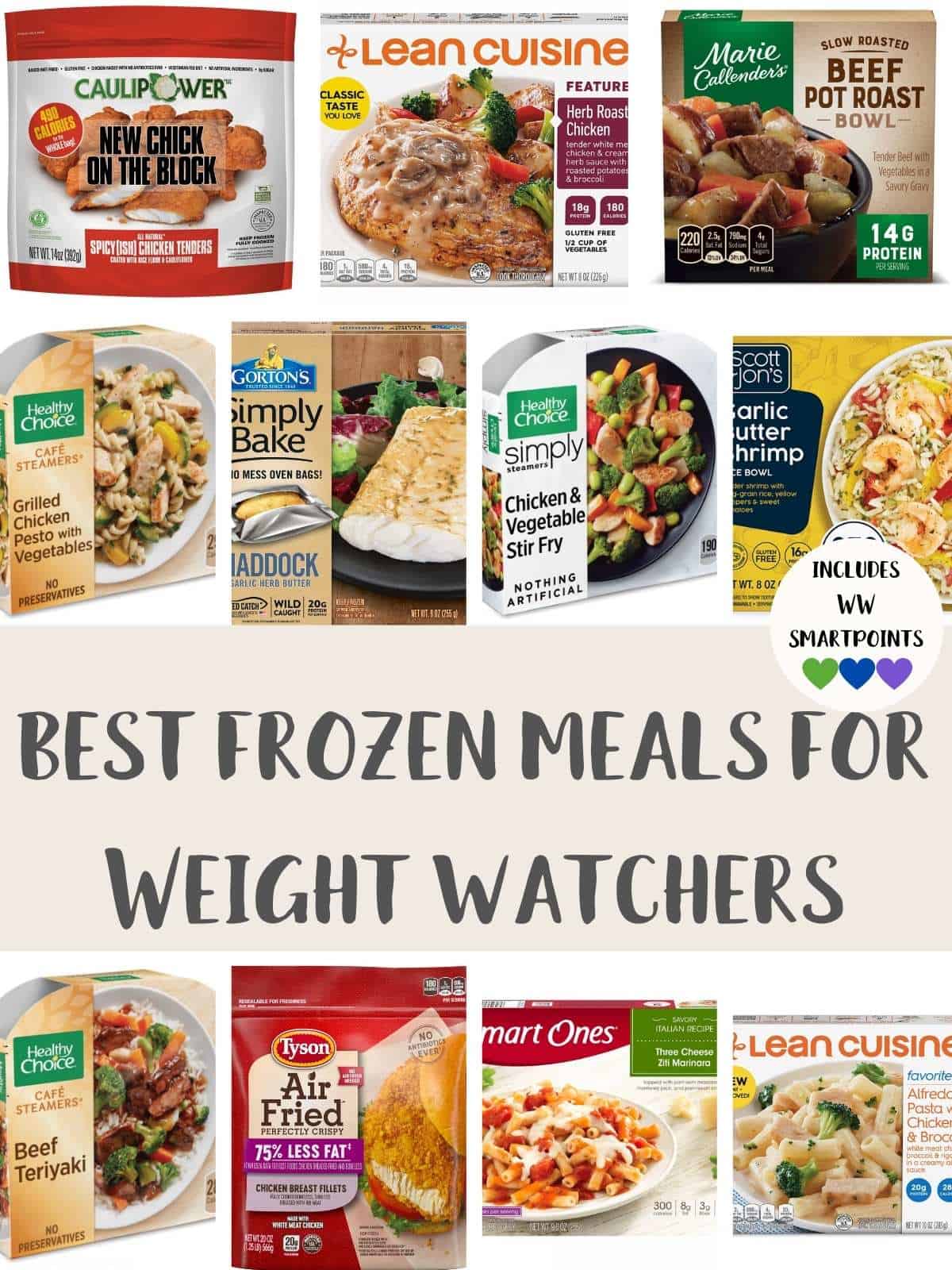
These meals are crafted to supply a sensible mix of lean protein, complex carbohydrates, and healthy fat, helping users cover basic nutrient needs while staying within calorie targets.
3. Portion Control
Fixed serving sizes remove the temptation to heap extra food on the plate, making it simpler to keep daily energy intake consistent.
4. Variety
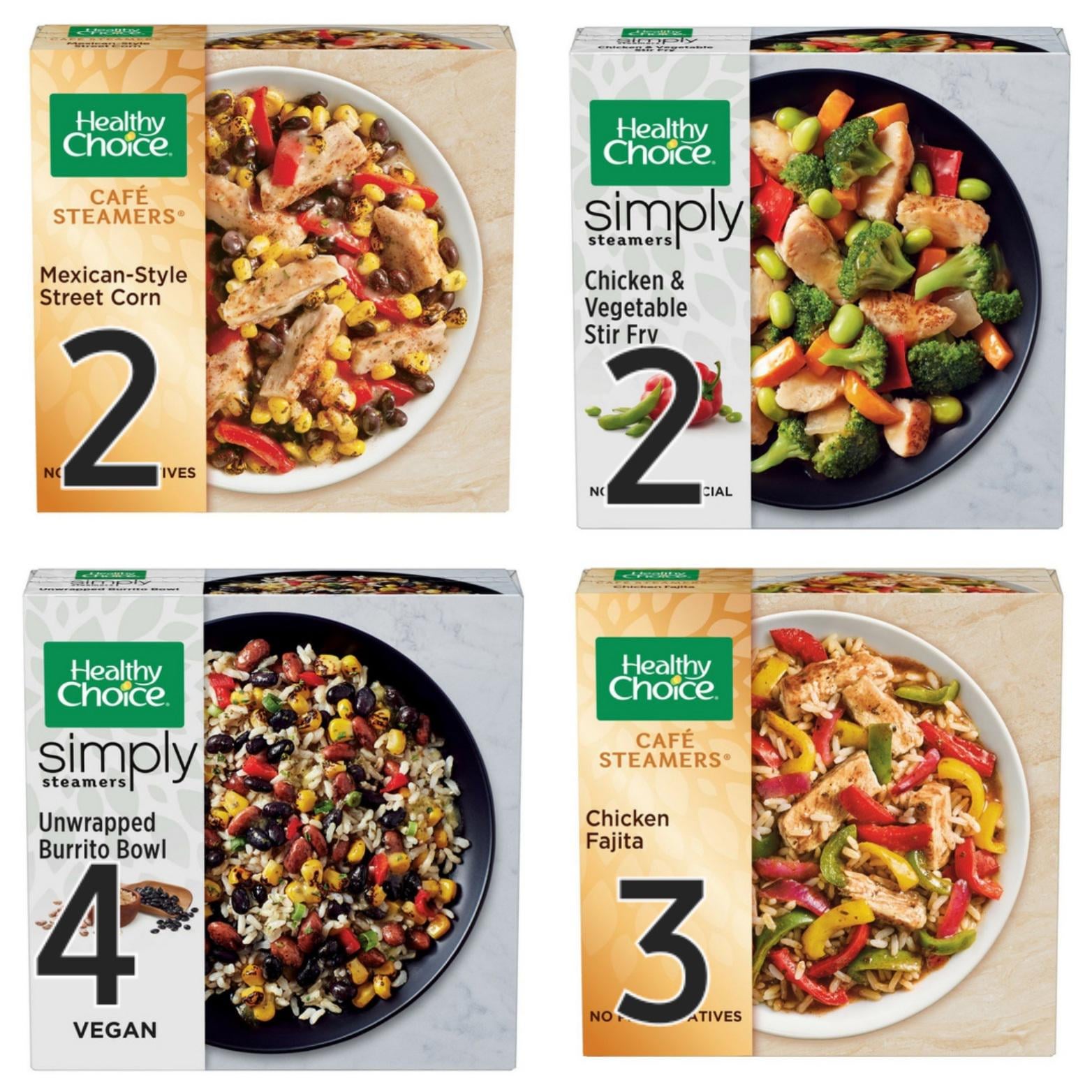
Modern freezer aisles feature vegetarian, gluten-free, high-fiber, and lower-sodium choices, allowing shoppers to match meals to personal preferences or medical guidance.
Challenges and Considerations
1. Nutritional Quality
Although freezing preserves vitamins fairly well, some consumers still question whether any packaged dish can rival freshly cooked whole foods. Reading labels and rotating in fresh produce can offset this concern.
2. Taste and Texture
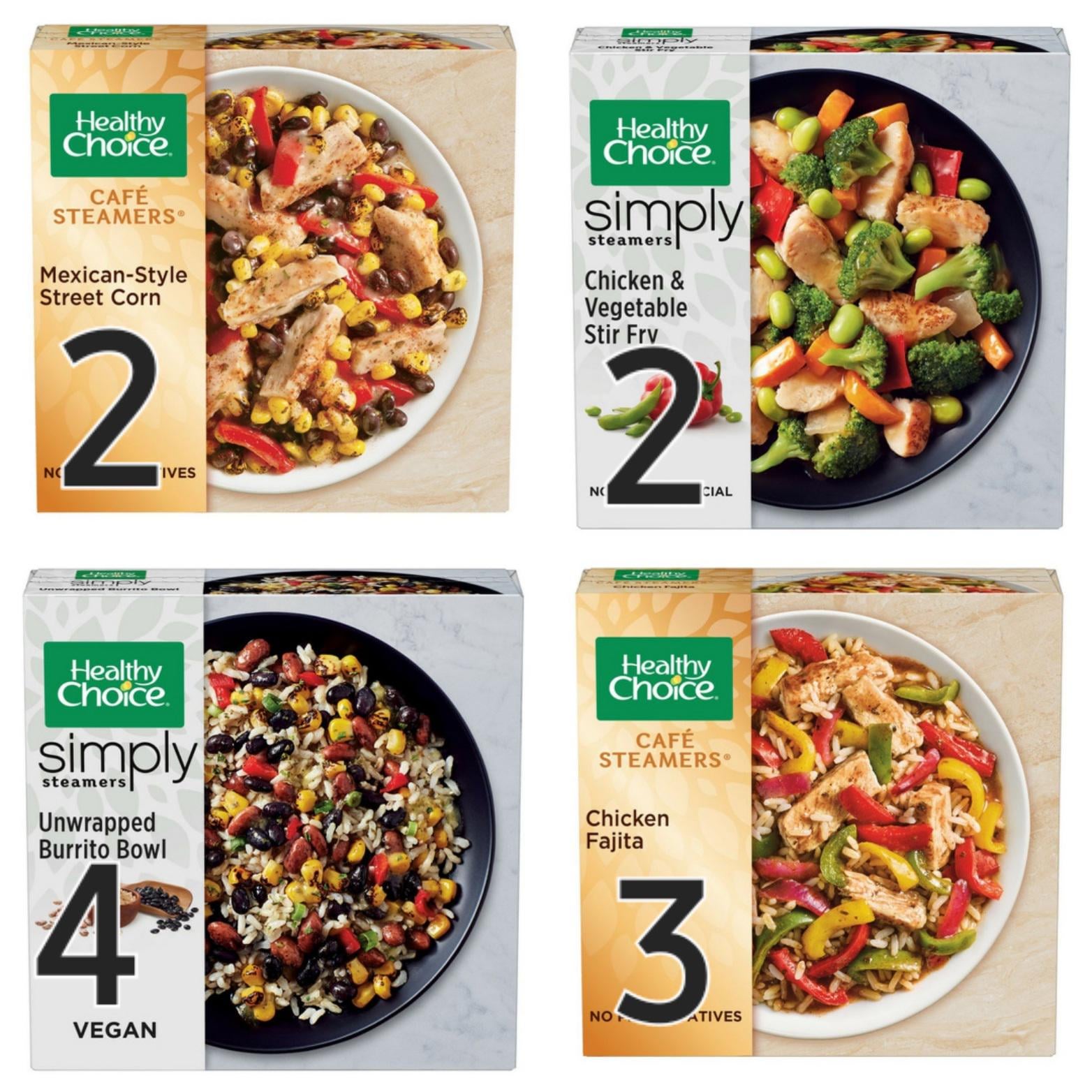
Reheated meals occasionally feel softer or less vibrant than their stove-top counterparts. Manufacturers continue to refine recipes, spices, and flash-freezing methods to close that gap.
3. Cost
Unit prices can exceed those of cooking from scratch. Buyers must weigh the saved shopping, prep, and cleanup time against the higher per-meal expense.
Scientific Evidence and Research
Peer-reviewed trials indicate that structured meal plans featuring portion-controlled entrées can improve adherence to reduced-calorie diets. In one study, participants given pre-portioned frozen dishes lost more weight over three months than those told simply to cut portions on their own. A separate 12-week intervention showed similar benefits, along with measurable improvements in reported diet quality.
Expert Opinions
Registered dietitians often suggest keeping a few balanced frozen meals on hand as a backup. They can prevent skipped lunches or take-out binges when motivation is low, notes a practicing nutrition counselor. The key is pairing them with extra vegetables and staying mindful of overall daily sodium.
Conclusion
Portion-controlled frozen meals deliver speed, consistency, and built-in calorie guidance, making them a practical tool for weight management. When chosen thoughtfully and combined with fresh produce and whole grains, they support steady progress toward healthier eating patterns.
Recommendations and Future Research
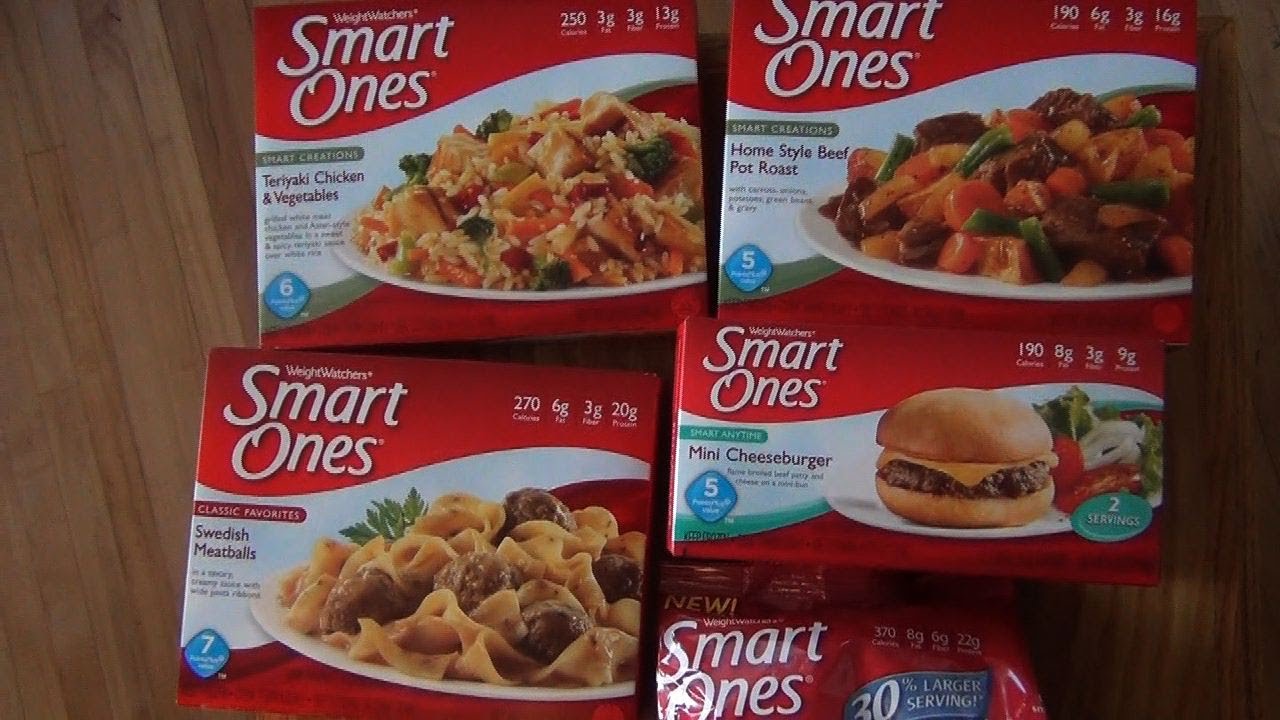
To strengthen their appeal and nutritional profile, producers could:
1. Keep refining flavor, texture, and global cuisine options to satisfy diverse palates.
2. Expand plant-based and sustainably sourced selections in response to consumer demand.
3. Invest in longer-term studies that track health markers beyond body weight, including blood pressure, glucose control, and dietary satisfaction.
Future investigations should also compare these meals head-to-head with other structured strategies—such as meal-kit delivery or smartphone food logging—to identify which supports the most durable lifestyle changes.