The Impact of Meal Kits and Wellness Programs on Modern Eating Habits
Introduction
The way people shop for and prepare food has changed dramatically, driven largely by subscription meal kits and structured wellness plans. Two prominent models—home-delivered ingredient boxes and points-based weight guidance—have reshaped expectations around convenience, nutrition, and personal accountability. This overview examines how these approaches are influencing both the food sector and everyday health choices.

The Rise of Meal Kits
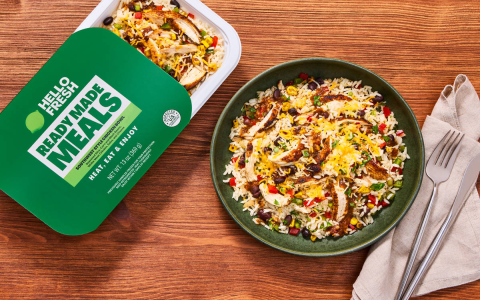
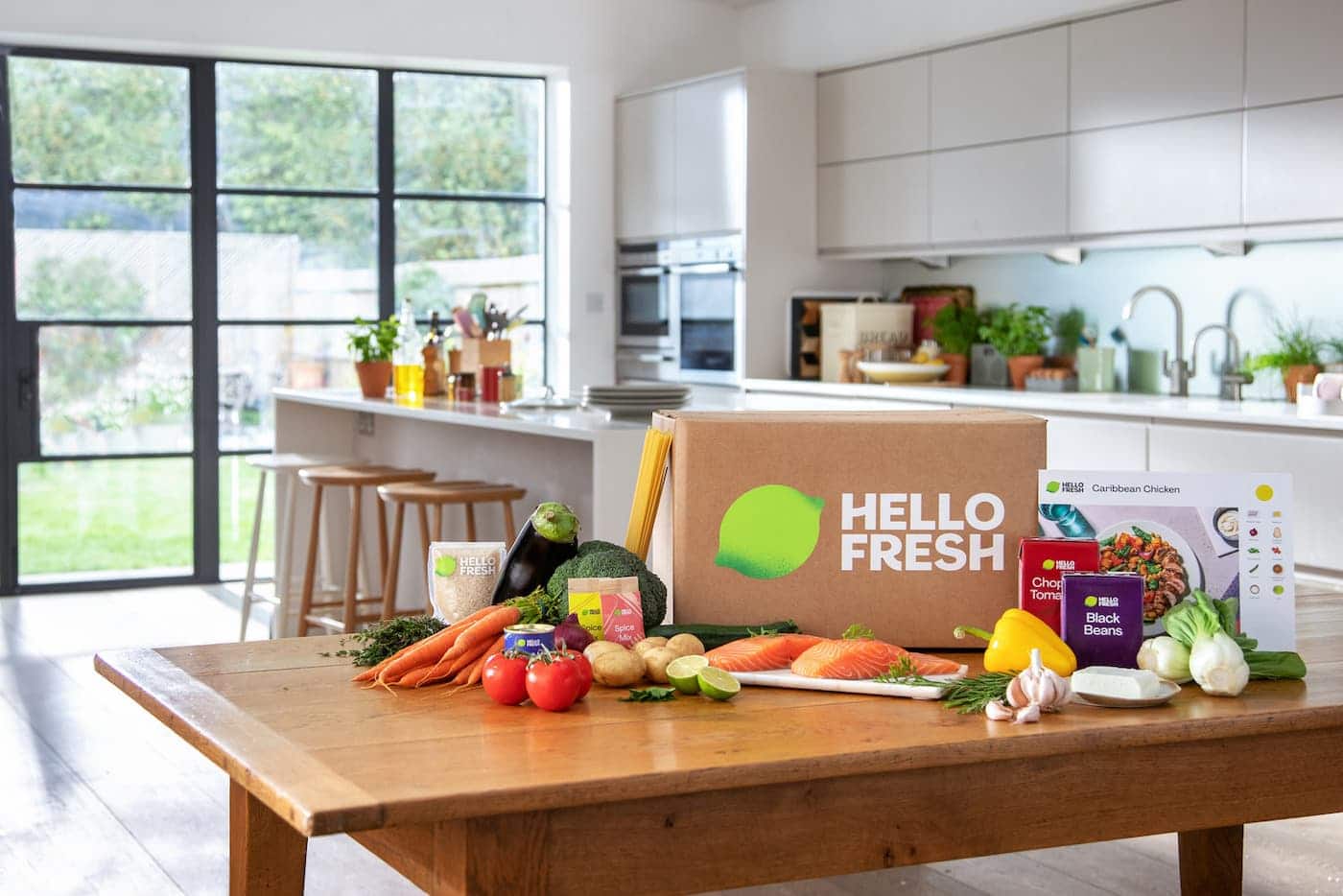
Since the early 2010s, pre-portioned cooking boxes have moved from niche novelty to mainstream staple. By shipping measured ingredients and step-by-step cards to the doorstep, the format tackles common barriers to home cooking: time, planning, and food waste. The ripple effects reach far beyond the kitchen.
Convenience and Accessibility
Ordering dinner components online removes the need for lengthy supermarket trips and last-minute take-out. Busy households can open a chilled box, spend twenty minutes at the stove, and plate a balanced meal. This ease nudges consumers toward cooking more often, replacing heavily processed convenience foods with fresher alternatives.
Promoting Balanced Choices

Menus typically rotate weekly, spotlighting lean proteins, whole grains, and seasonal produce. Vegetarian, vegan, and gluten-free tags make it simple to match meals to personal needs. Because every ingredient is pre-measured, home cooks naturally learn appropriate portion sizes and become more confident experimenting with new flavors.
Spurring Industry Creativity
Early success attracted dozens of competitors, triggering rapid innovation: eco-friendly insulation, global spice blends, fifteen-minute recipes, and add-on breakfast smoothies. The crowded marketplace keeps prices in check and raises quality benchmarks, giving eaters more variety than ever before.
The Wellness Program Evolution
Decades-old weight-management systems have also reinvented themselves, swapping paper logbooks for sleek apps and community forums. By assigning simple numeric values to foods and offering round-the-clock coaching, these programs help participants stay mindful without banning entire food groups.
Empowering Sustainable Habits
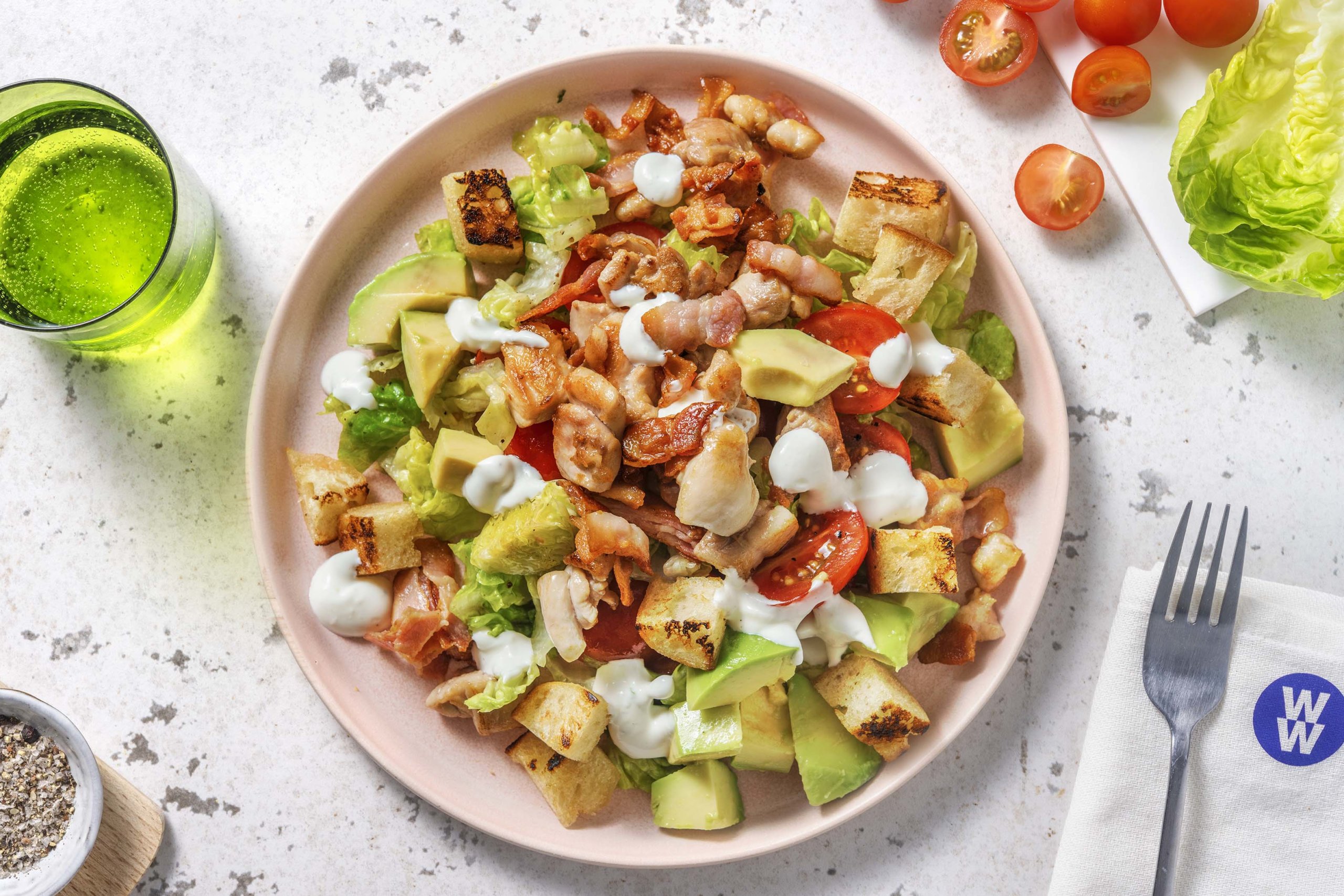
Structured tracking turns abstract goals into daily wins. Seeing a clear budget for each meal encourages smarter swaps—perhaps Greek yogurt instead of sour cream, or an extra serving of vegetables. Over time, these small decisions compound into measurable improvements in energy, mood, and biometric markers.
Tech-Driven Support
Barcode scanning, voice logging, and wearable syncing remove friction from record-keeping. Push notifications celebrate streaks, while peer groups provide accountability. Gamified badges and streak counters keep motivation high long after the initial enthusiasm fades.
Partnerships with Food Makers
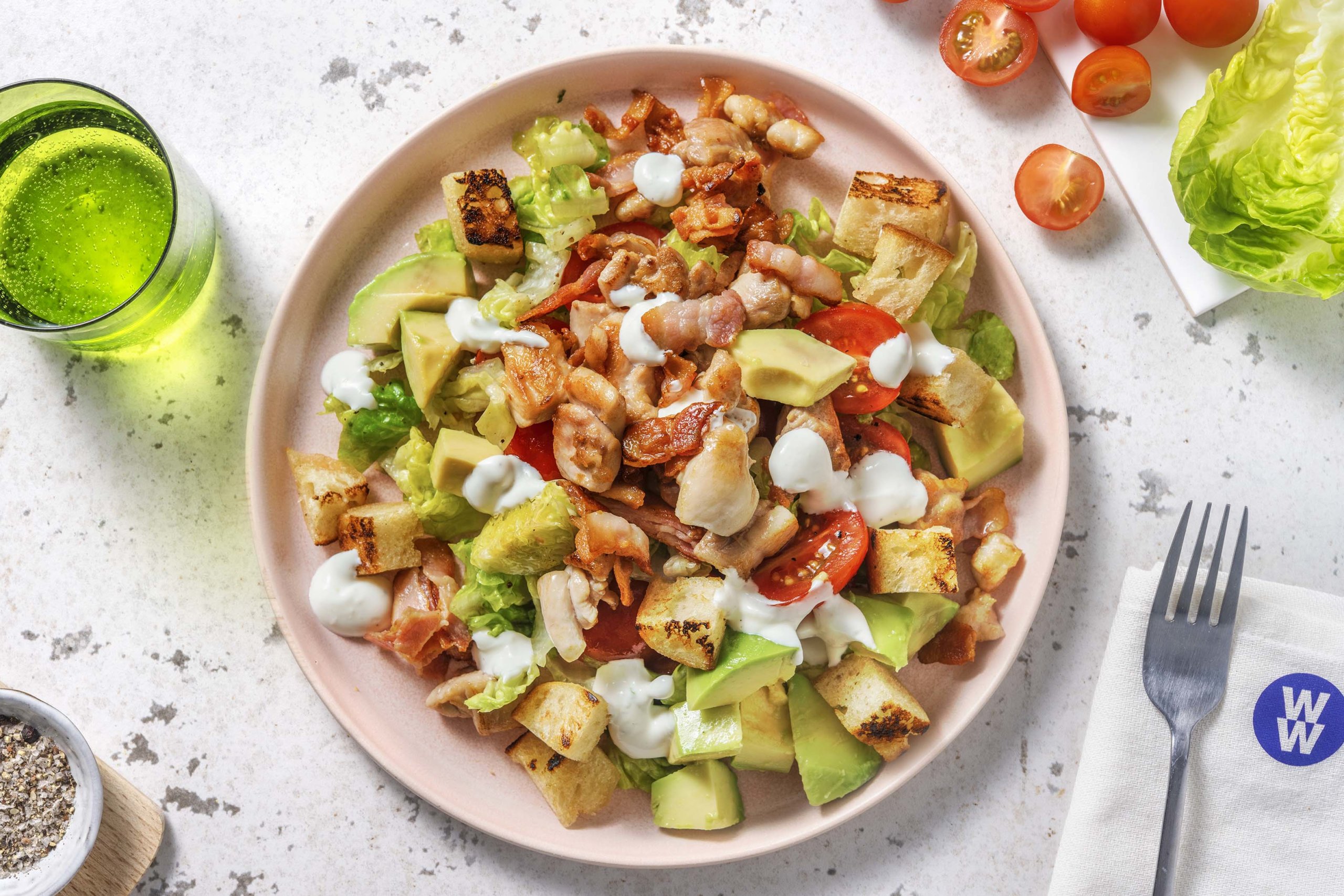
Recognizing the program’s reach, manufacturers now stamp approved logos on packaged salads, frozen entrées, and snack bars. Grocery aisles increasingly highlight options that fit within daily budgets, steering product formulation toward lower sugar and higher fiber profiles.
Broader Industry Shifts
The combined popularity of meal kits and wellness tracking is reshaping expectations across the supply chain.
Toward Cleaner Labels
Consumers accustomed to transparent nutrition data demand the same clarity from restaurants and retailers. Menus now flag calorie counts, while sauces and dressings tout short ingredient lists. This transparency rewards brands that reformulate responsibly.
Fiercer Competition and Green Innovation
As more players enter the field, differentiation hinges on sustainability: recyclable ice packs, imperfect-produce boxes, and carbon-neutral shipping. These eco upgrades, once marketing side notes, are fast becoming baseline requirements.
Expanding Role of Digital Tools
From AI-generated shopping lists to smart ovens that recognize the recipe card, technology bridges the gap between intention and execution. Expect even tighter integration as voice assistants and wearable devices learn individual preferences and automate reordering.
Conclusion
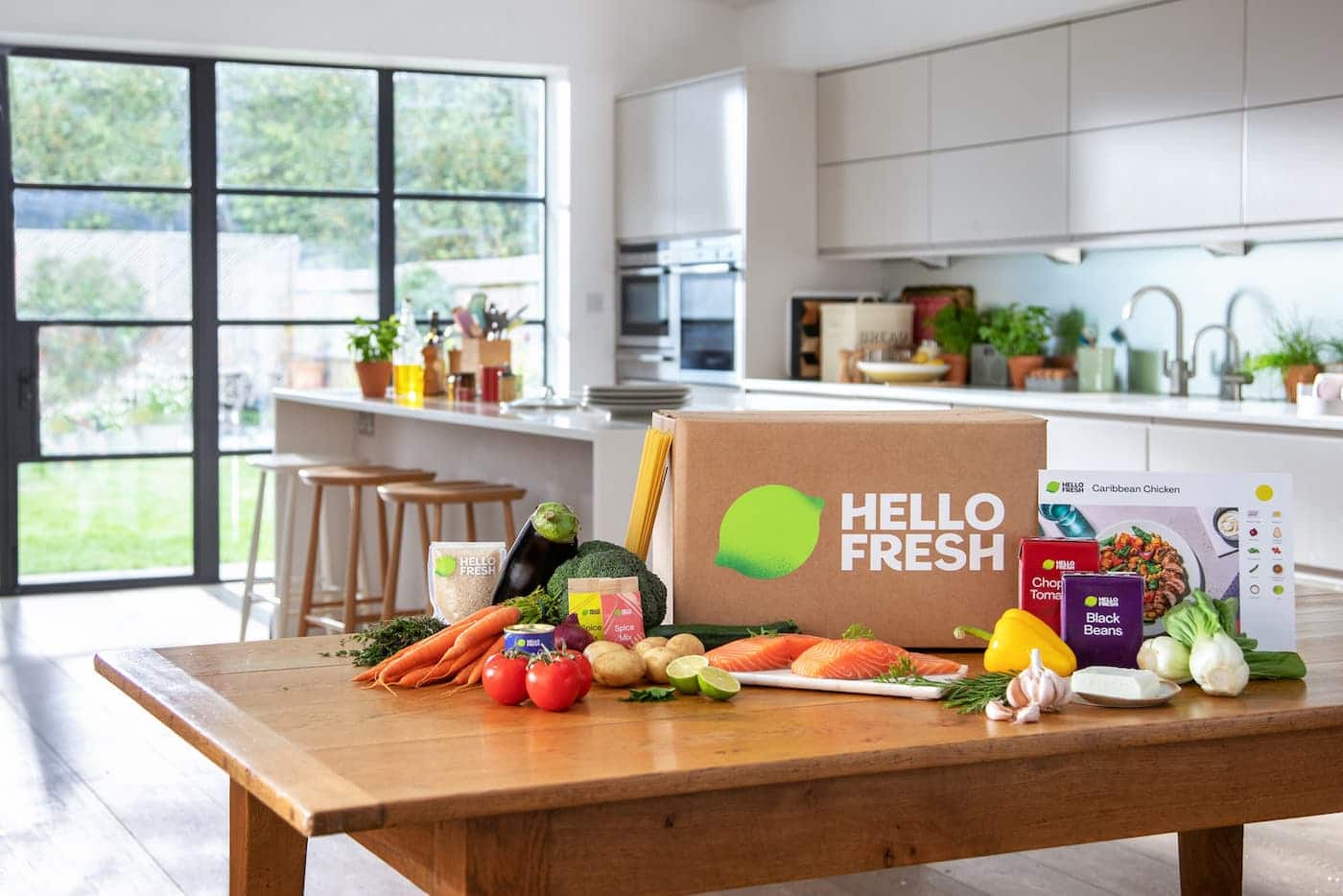
Home-delivered meal kits and modern wellness programs have moved the needle on how society plans, cooks, and thinks about food. By embedding convenience, balance, and feedback loops into daily routines, they encourage lasting habits that benefit both personal health and the wider food ecosystem.
Recommendations and Future Research
To amplify these benefits, stakeholders can focus on three areas:
1. Joint ventures between kit providers, wellness platforms, and growers to create meals that are nutritious, affordable, and planet-friendly.
2. Long-term studies tracking cooking frequency, diet quality, and health outcomes among regular users.

3. Clear industry standards for packaging recyclability, sodium levels, and allergen controls across all subscription models.
Future inquiries should explore:
1. How sustained participation affects chronic-disease risk factors over five to ten years.
2. Whether access to these services reduces dietary disparities in underserved neighborhoods.
3. Emerging technologies—such as AI chefs or biometric meal planning—that could make healthy eating even more intuitive and inclusive.