

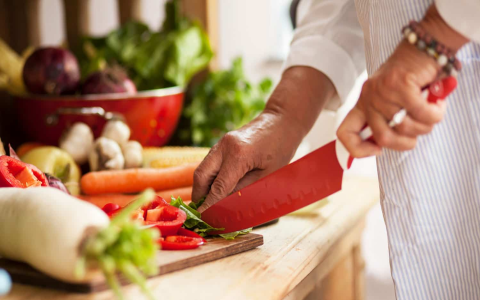
The Role and Impact of the Line Cook in Contemporary Cuisine
Introduction
The line cook, though rarely celebrated, is the engine that keeps modern kitchens running. This article explores the diverse duties of a line cook, their influence on dining culture, and how their role continues to shape the way we eat. By looking at the abilities, obstacles, and everyday contributions of these professionals, we gain a clearer picture of the quiet force behind every memorable meal.

The Essential Skills of a Line Cook
A line cook is far more than an extra set of hands; they are the steady rhythm that keeps service flowing. Mastery rests on several core competencies:
1. Culinary Knowledge
Solid grasp of fundamental techniques, flavor pairings, and ingredient behavior allows a line cook to reproduce dishes accurately night after night.
2. Time Management
Juggling multiple orders at once demands sharp prioritization, calm under pressure, and an internal clock that never drifts.
3. Teamwork
Seamless communication with teammates turns a crowded, high-energy space into a well-orchestrated performance.
4. Sanitation and Safety
Rigorous hygiene habits and hazard awareness protect both guests and staff, forming the non-negotiable foundation of every task.
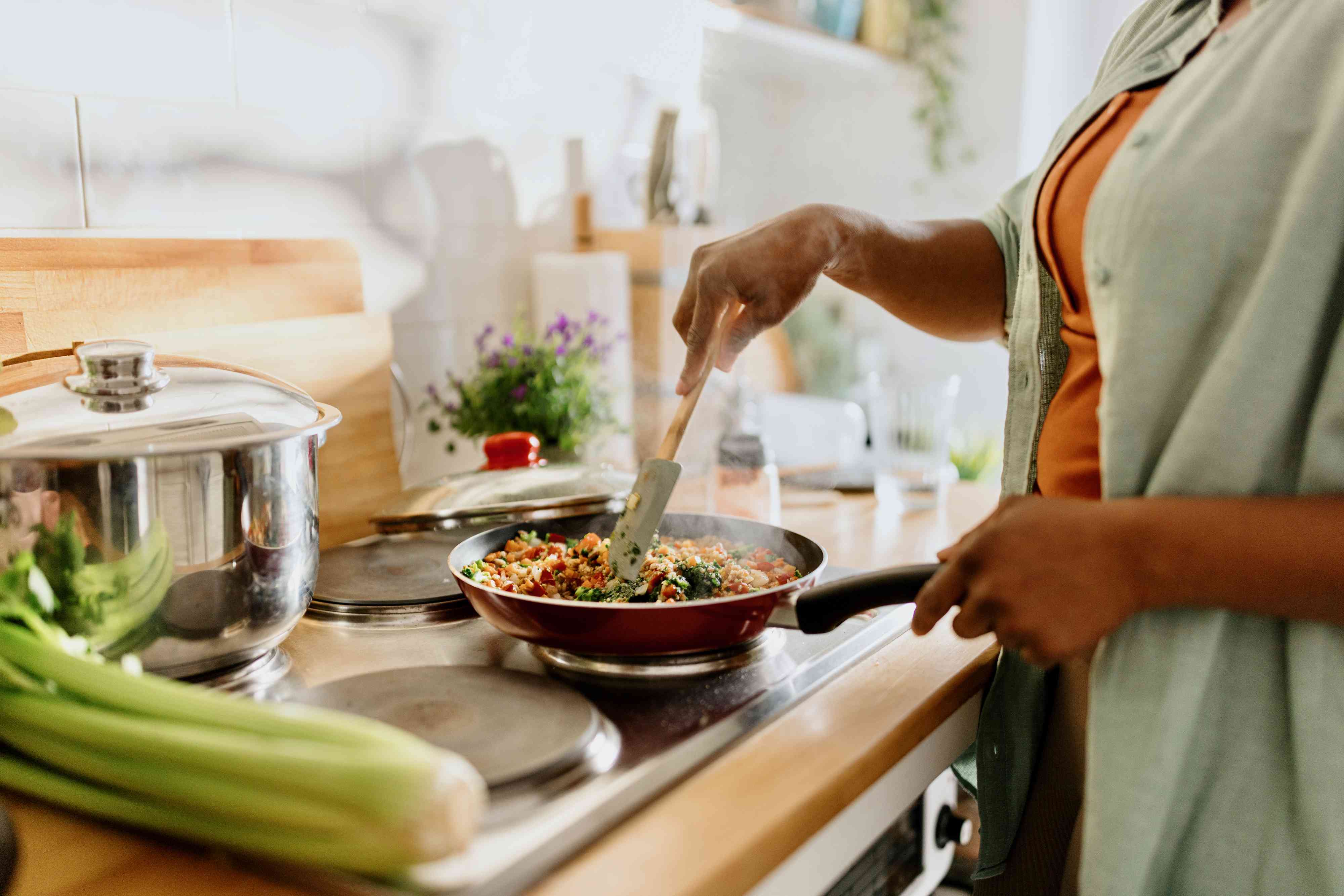
The Impact of Line Cooks on the Food Industry
What happens on the line ripples outward, influencing restaurants, suppliers, and diners alike:
1. Consistency in Quality
When each plate meets the same standard, guests trust the brand and return often, stabilizing revenue for the entire business.
2. Innovation and Adaptation
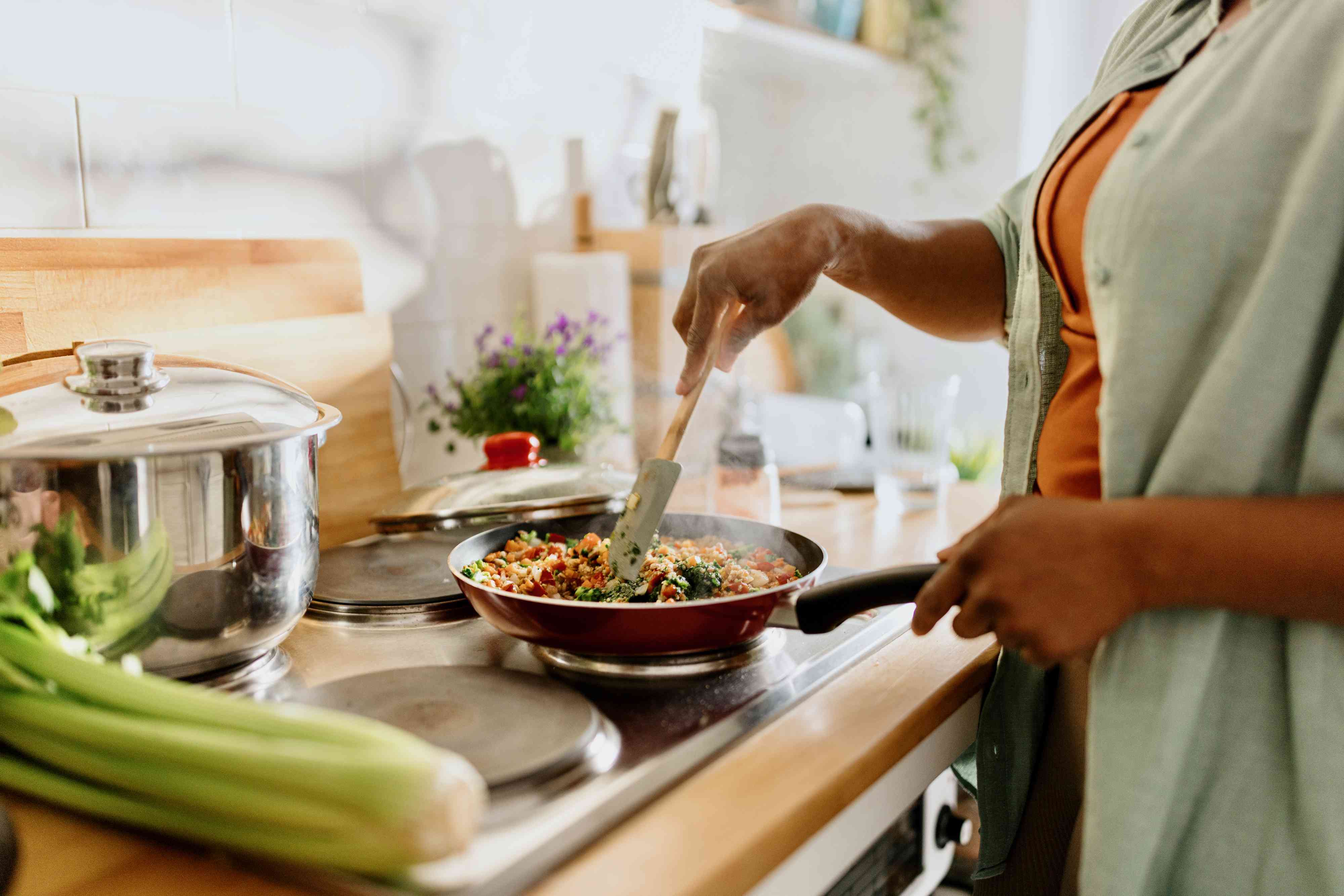
Line cooks frequently test new combinations or refine techniques, quietly driving menus forward before trends hit the headlines.
3. Training and Development
By mentoring newcomers, experienced cooks pass on institutional knowledge, ensuring craft traditions survive and evolve.
Challenges Faced by Line Cooks
The work is rewarding, yet it carries persistent difficulties:
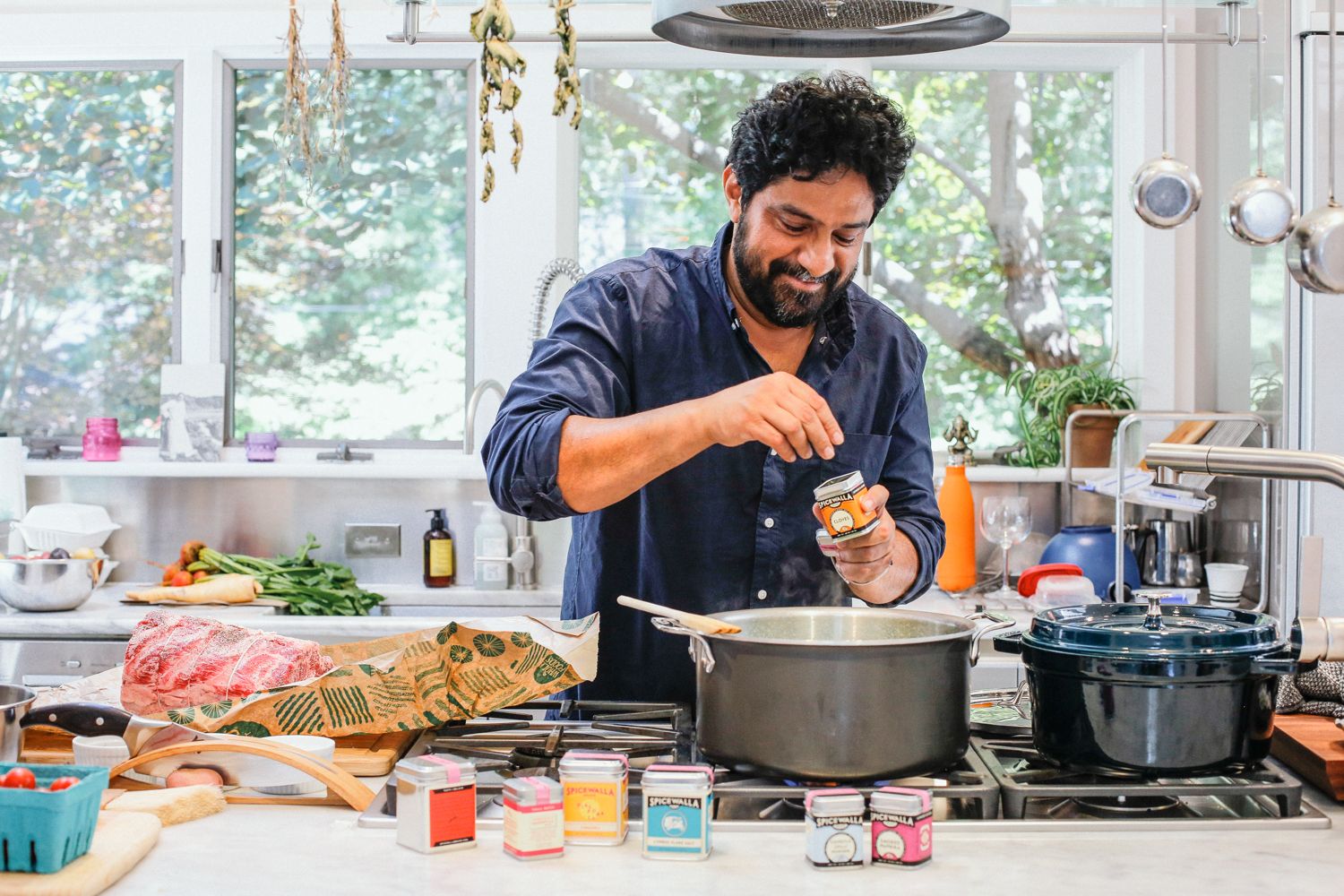
1. Physical Demands
Long shifts on foot, repetitive motions, and hot environments tax the body every single day.
2. High Pressure
The push to deliver flawless dishes within minutes can strain mental health and lead to fatigue if not managed carefully.
3. Economic Insecurity
Wage structures in many regions leave cooks budgeting tightly, making career longevity a concern.
The Evolution of the Line Cook
Over decades the position has shifted in notable ways:
1. Increased Specialization
Modern kitchens often dedicate stations to pastries, proteins, or plant-based dishes, letting cooks deepen expertise and creativity.

2. Technological Integration
From precision ovens to digital ticketing systems, technology now guides timing and reduces error, freeing cooks to focus on craft.
3. Focus on Sustainability
Today’s line cooks weigh sourcing choices, trim waste, and champion nose-to-tail or root-to-leaf cooking as standard practice.
Conclusion

Line cooks form the backbone of every restaurant, transforming raw ingredients into experiences that linger in memory. Recognizing their skill, easing their challenges, and investing in their growth strengthens the entire culinary ecosystem. As tastes and technologies advance, these professionals will remain central to delivering the flavors that define our times.
Recommendations and Future Directions
To elevate the profession, stakeholders can act on several fronts:
1. Professional Development: Offer continuous workshops and certification paths that sharpen technique and leadership abilities.
2. Fair Wages: Align pay scales with skill and responsibility to promote retention and career sustainability.

3. Health and Safety: Provide ergonomic tools, mental-health resources, and balanced scheduling to safeguard well-being.
4. Sustainability Initiatives: Equip cooks with training on responsible sourcing and waste reduction, embedding eco-conscious habits into daily routines.
By championing these measures, the industry secures a resilient, inspired workforce ready to meet tomorrow’s culinary demands with passion and precision.


