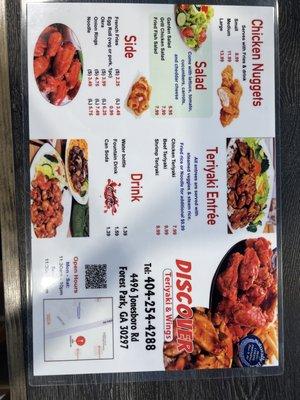
Discover Teriyaki and Wings: A Culinary Journey
Introduction
Food bridges cultures, sparks memories, and turns meals into moments. Among global favorites, teriyaki and chicken wings have earned loyal followings for their bold tastes and endless adaptability. This article traces their roots, cooking techniques, and the reasons they continue to win diners everywhere.
The Origin of Teriyaki
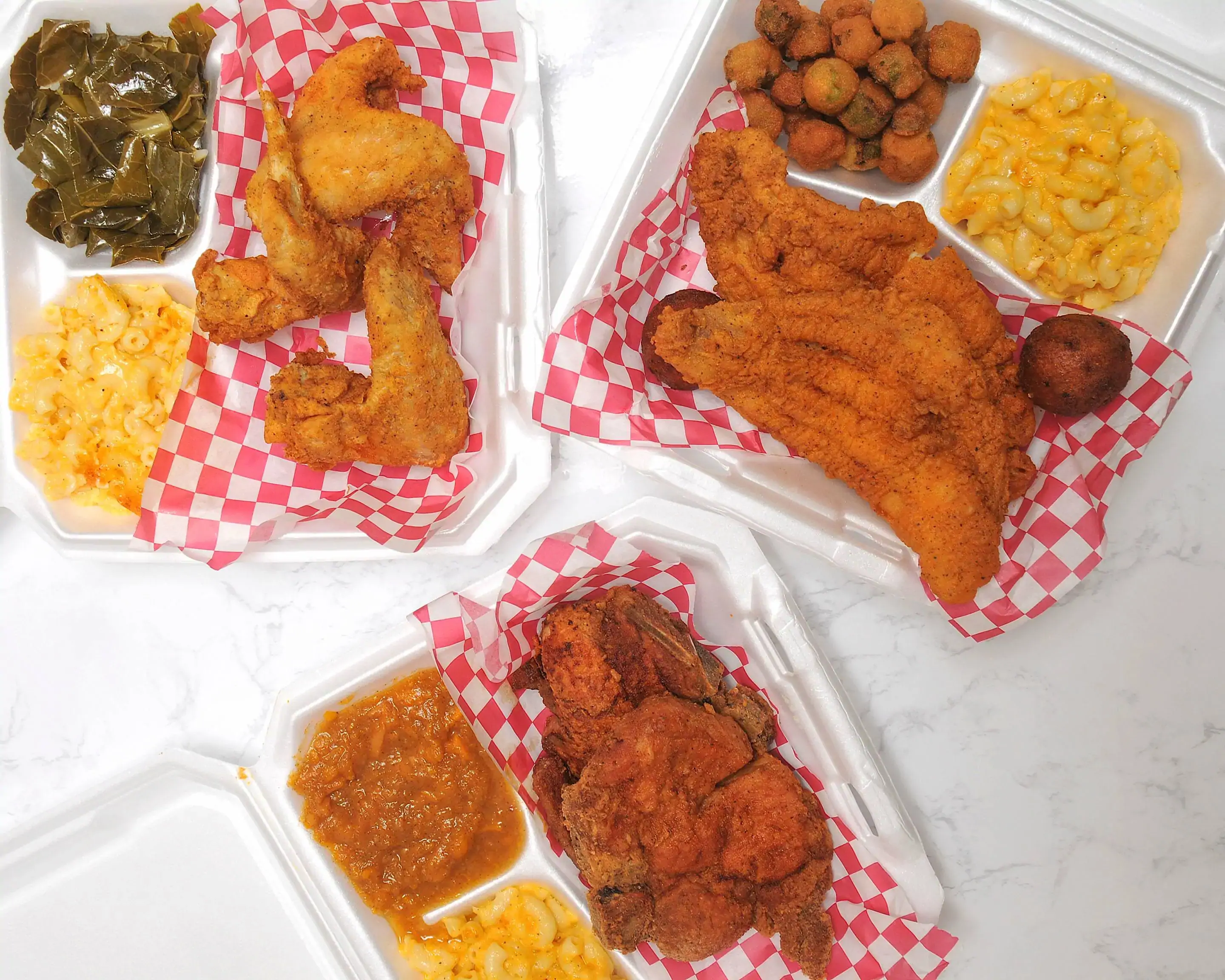
Teriyaki began as a Japanese preservation method before evolving into a celebrated glaze. The name blends “teri” (shine) and “yaki” (grill), describing the glossy finish created when soy, sweet rice wine, and sugar reduce over heat. Fish was the original star; today chicken, beef, and vegetables all wear the shiny coat.
The Art of Teriyaki Preparation
Balance is everything. A harmonious sauce needs salty depth, gentle sweetness, and a hint of acid. Marinate proteins for at least thirty minutes, then cook over lively heat, basting repeatedly so the sugars caramelize into a sticky lacquer. Slice immediately and serve over steamed rice to catch every drop.
The Popularity of Wings
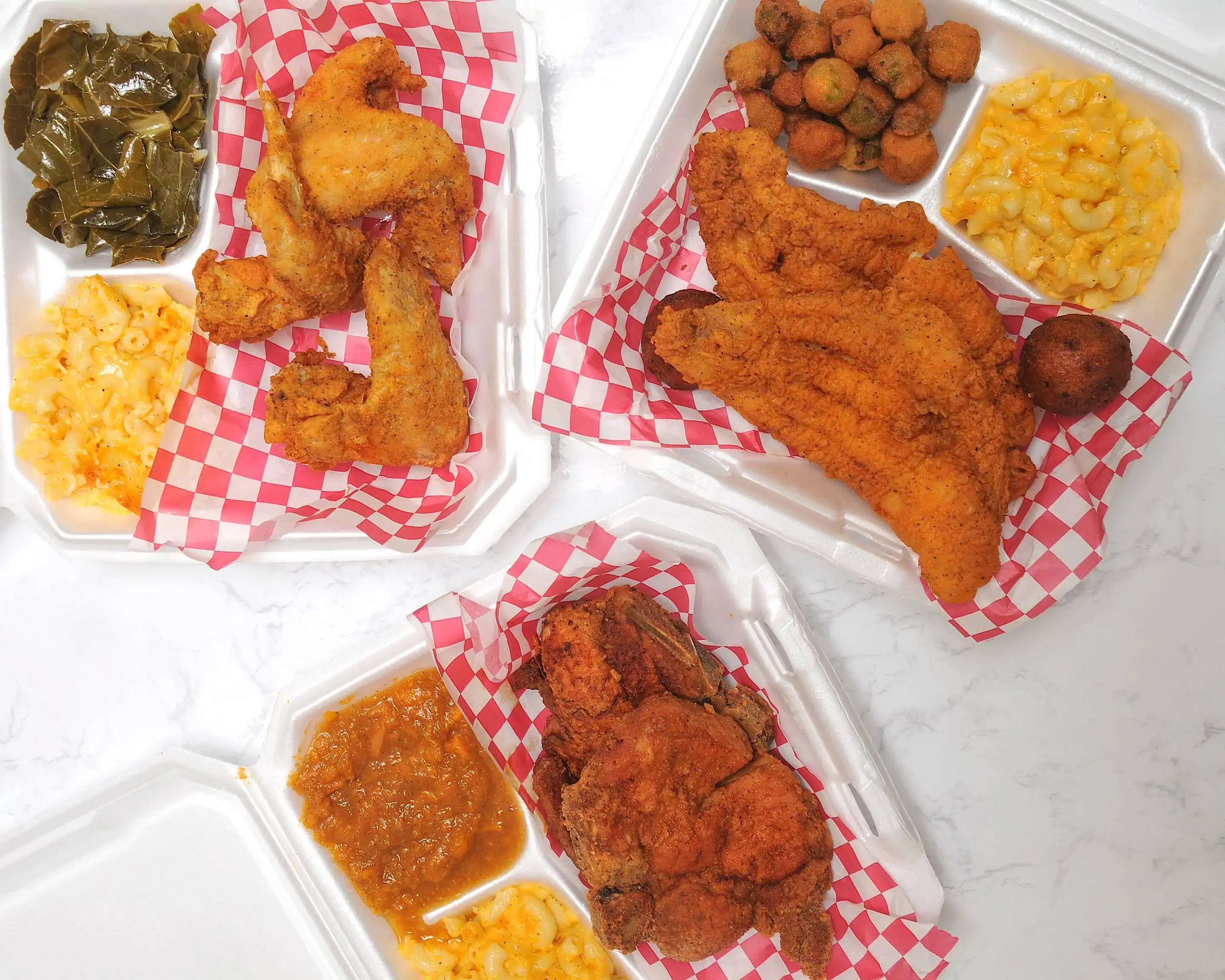
Chicken wings conquered tables through sheer versatility. They can be roasted, fried, smoked, or grilled, then tossed in sauces ranging from fiery chili to mellow honey. Their finger-food format invites sharing, making them natural centerpieces for game nights and casual gatherings.
The Teriyaki and Wings Fusion
When wing meets teriyaki, the result is sweet-savory armor crackling over crispy skin. Marinate wings in the classic soy blend, roast until bronzed, then brush on a final glossy coat. Scatter sesame seeds and spring onions for color, and serve while the glaze is still hot and sticky.
Conclusion
Teriyaki and wings each carry stories of adaptation and joy. One offers the refined sheen of Japanese grilling; the other delivers universal comfort in handheld form. Together they remind us that great food respects tradition yet welcomes playful twists, inviting every kitchen to join the journey.