


Title: How Restaurant Data Is Transforming the Food Sector: A Broad Overview
Introduction:
Aggregated restaurant information has quietly become a strategic asset for the food sector, revealing patterns in guest choices, menu evolution, and day-to-day efficiency. This overview examines why these pooled insights matter, how they are applied, and where they might head next, illustrating their growing influence on modern dining.
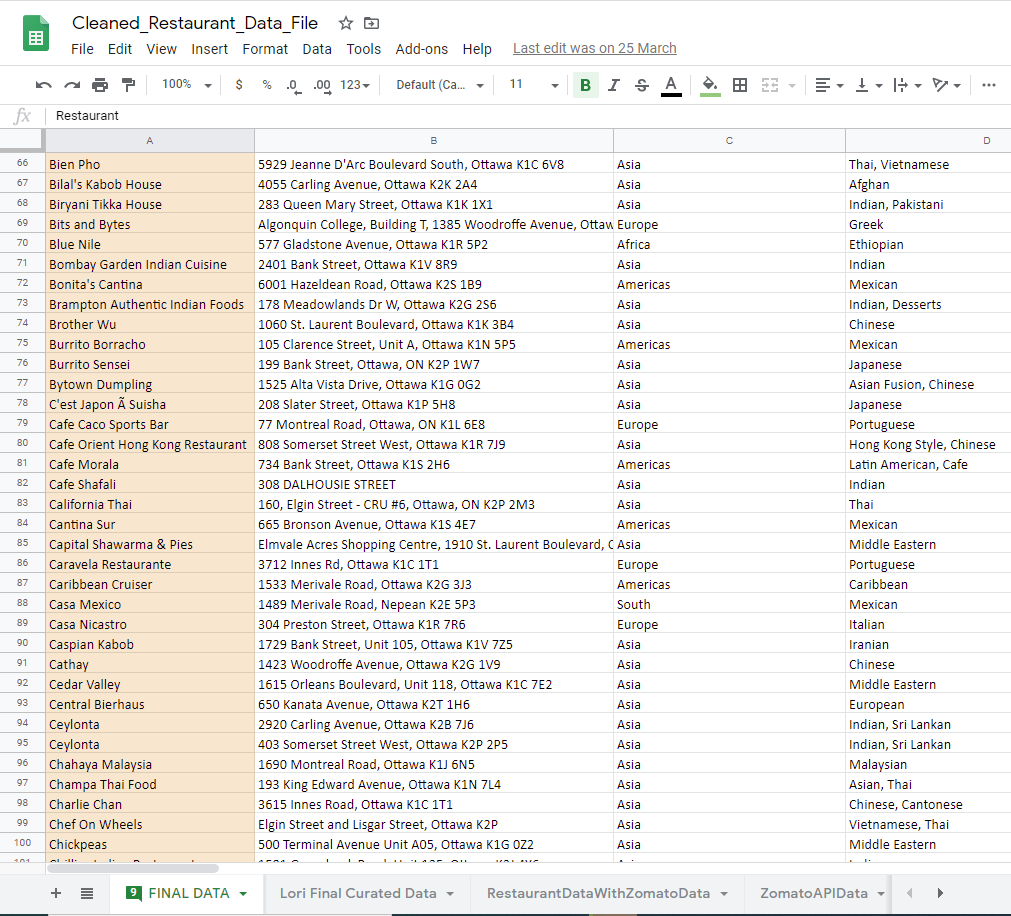
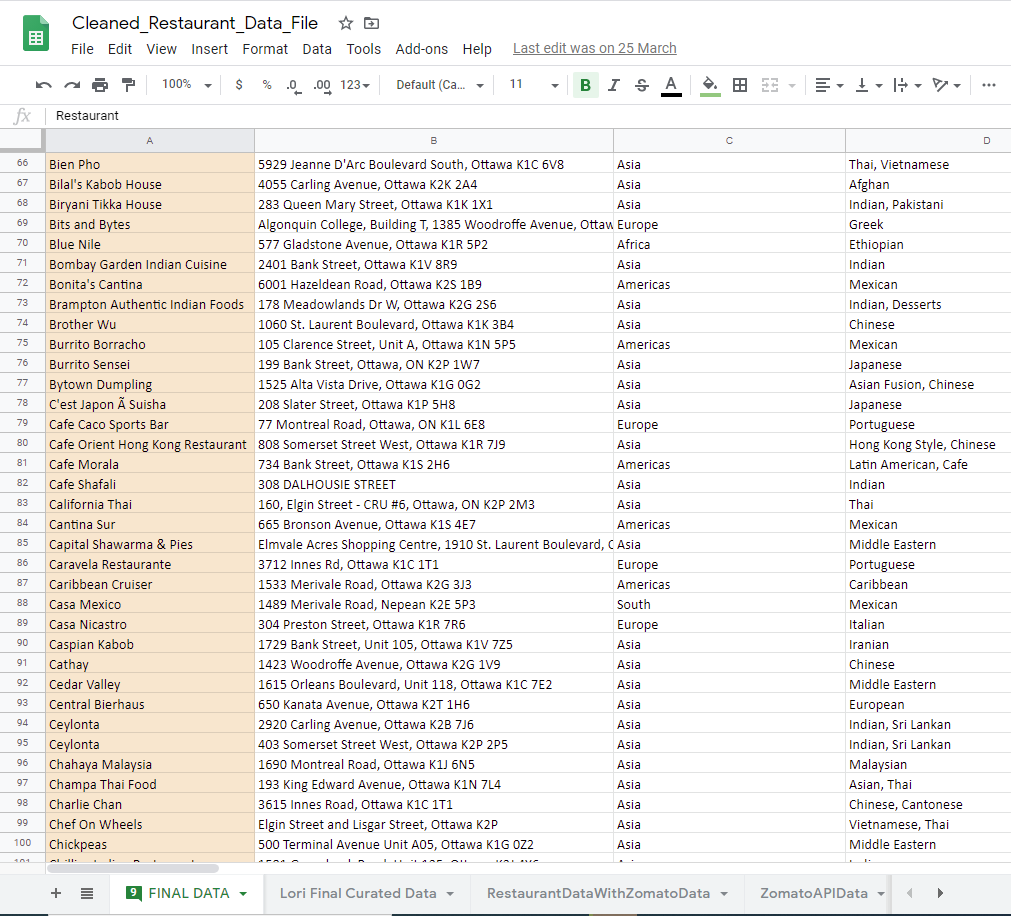
Understanding the Restaurant Dataset
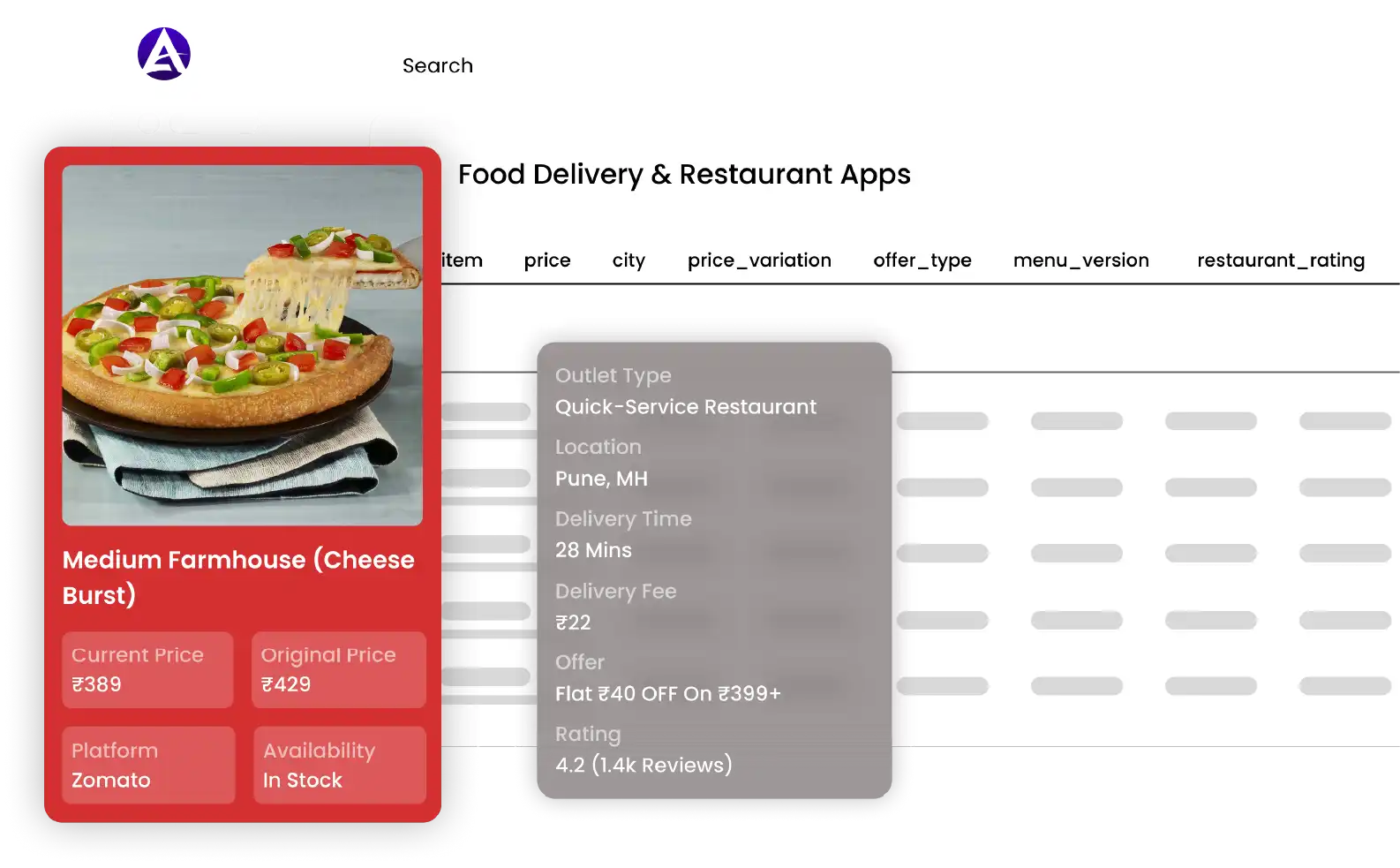
At its core, a restaurant dataset gathers menu descriptions, guest feedback, price points, and operational signals from channels such as review sites, social platforms, and back-office tools. When processed thoughtfully, the numbers and text expose what patrons enjoy, which trends are rising, and where kitchens or service lines slow down.
Applications of the Restaurant Dataset
1. Menu Optimization:
By spotting the flavors and ingredients that earn consistent praise, chefs can refine offerings, retire underperformers, and test new plates that resonate with current tastes.
2. Pricing Strategies:
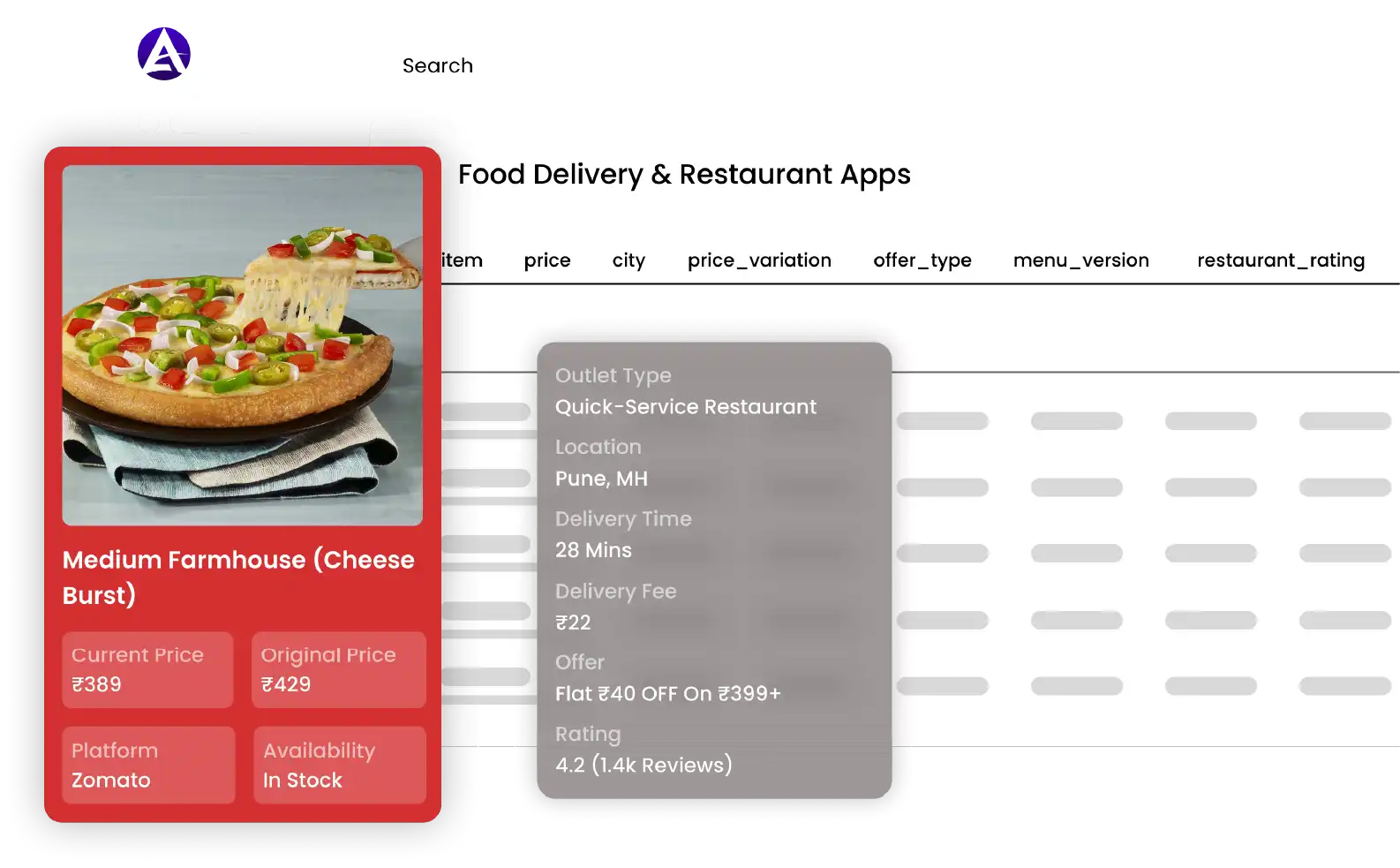
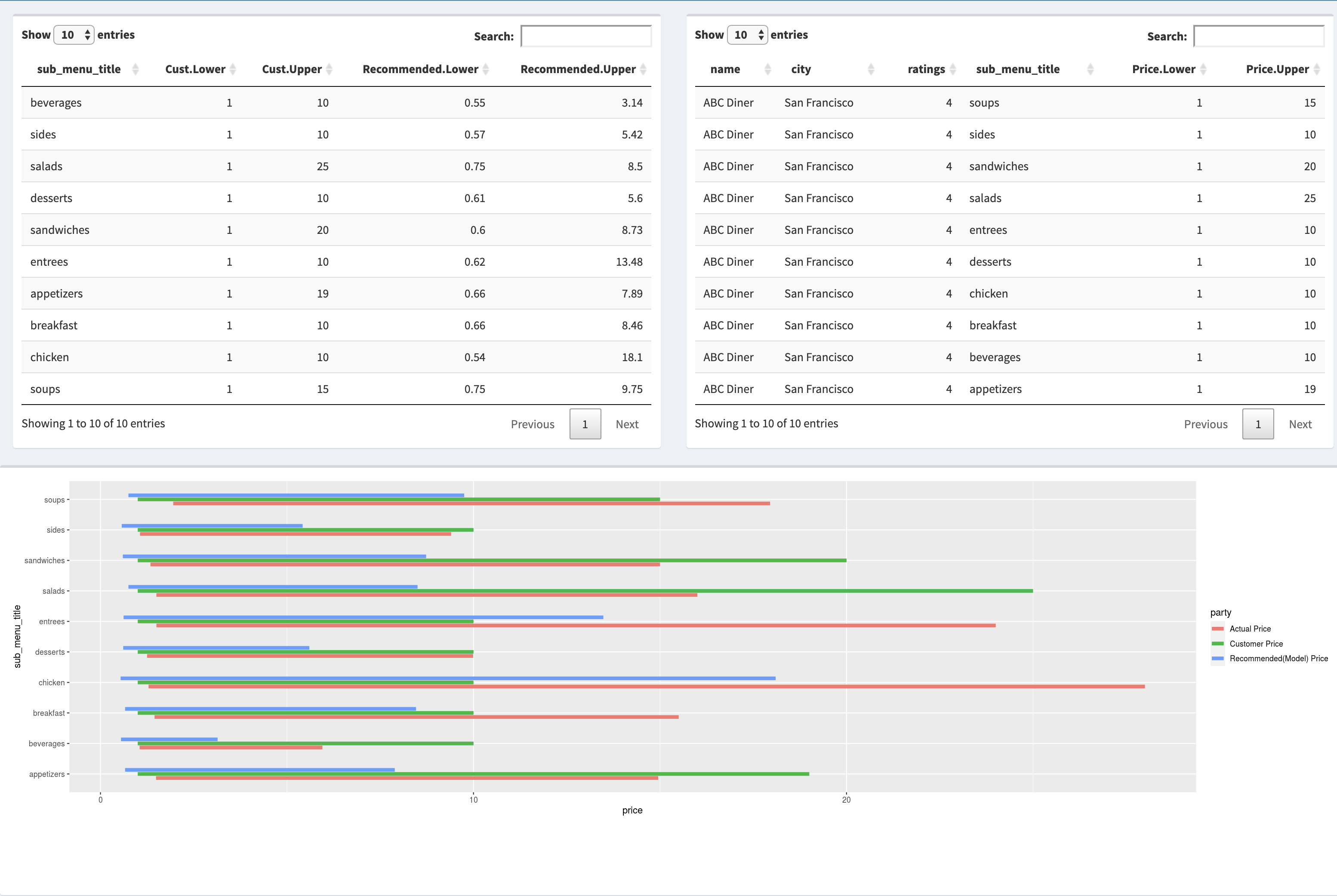
Benchmarking against similar venues and monitoring perceived value helps managers set prices that attract guests while protecting margins. Demand curves drawn from the data also guide gentle adjustments during slow or peak periods.
3. Customer Reviews Analysis:
Sentiment scans of open-text reviews highlight recurring compliments or complaints about atmosphere, hospitality, or plate presentation, giving teams a prioritized checklist for improvements.
4. Operational Efficiency:
Metrics on inventory velocity, prep waste, or staff scheduling gaps allow operators to tighten processes, curb excess, and redirect labor to the busiest shifts.
The Role of the Restaurant Dataset in Shaping the Future of Dining Experiences
1. Personalized Recommendations:
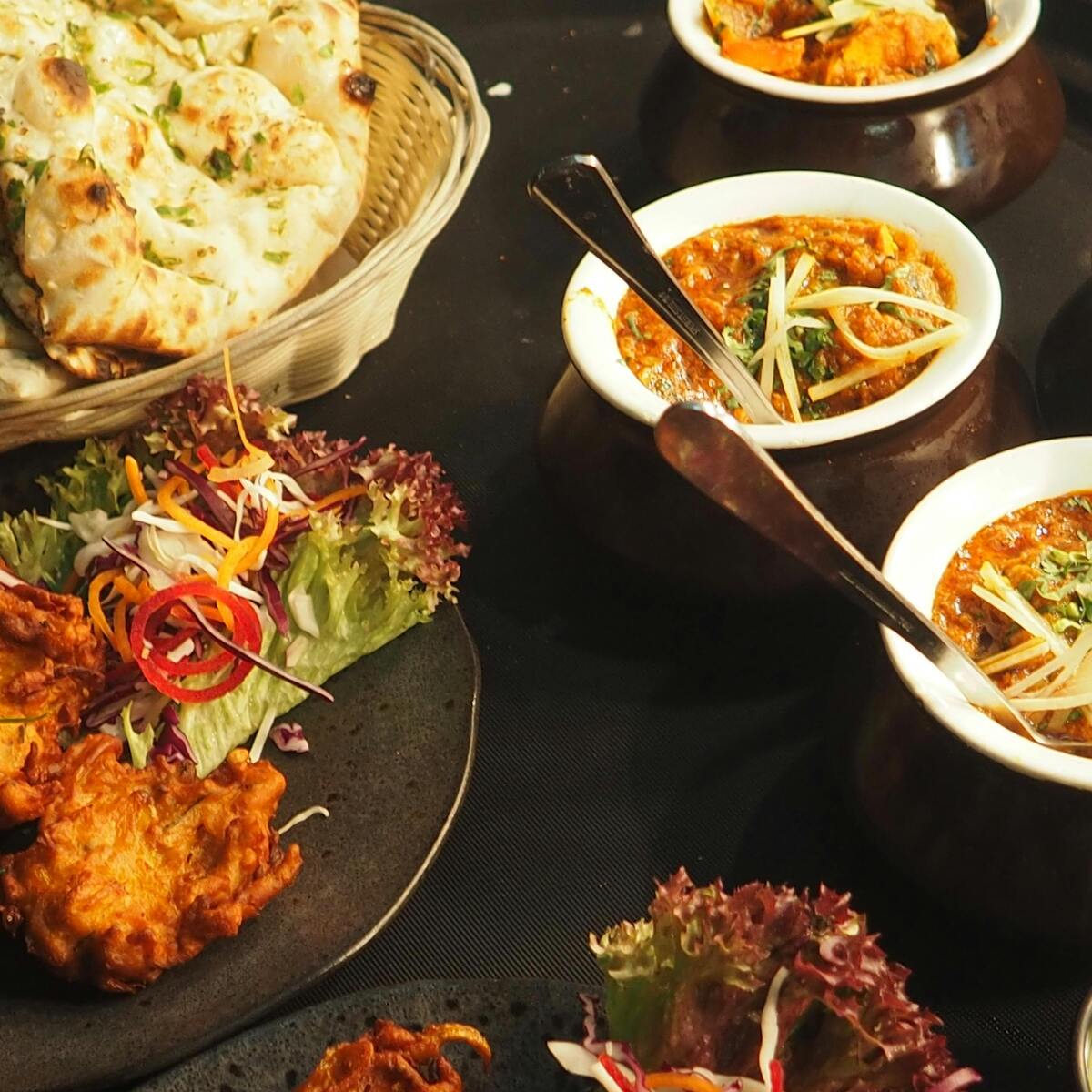
Loyalty records and order histories feed engines that suggest dishes or drink pairings matched to individual preferences, turning first-time guests into regulars.
2. Predictive Analytics:
Forecasting models project ingredient demand, upcoming cuisine fads, or holiday traffic spikes, letting managers stock smartly and market proactively.
3. Enhanced Customer Engagement:
Interactive menus, augmented-reality wine stories, or pre-visit tasting previews built on aggregated insights add novelty and confidence to the reservation decision.
Challenges and Limitations of the Restaurant Dataset
1. Data Quality:
Incomplete entries, duplicate orders, or mismatched menu codes can tilt conclusions; consistent formatting and periodic audits keep findings reliable.
2. Privacy Concerns:
Diners expect their details to be used responsibly. Transparent policies, minimal retention, and opt-out choices build trust while still enabling analysis.
3. Data Interpretation:
Raw numbers rarely speak for themselves. Blending domain knowledge with statistical rigor prevents false causality and ill-informed menu gambles.
Conclusion
Pooled restaurant data now guides menu engineering, pricing, and guest satisfaction initiatives across the industry. Realizing its full value depends on tackling quality gaps, respecting privacy, and applying sound judgment to analytical results. Continued refinement will keep these insights central to tomorrow’s dining scene.
Recommendations and Future Research Directions
1. Improving Data Quality:
Adopt common taxonomies for dishes and ingredients, automate error checks, and validate uploads at the source to strengthen downstream analyses.
2. Privacy Protection:
Embed encryption, role-based access, and routine compliance reviews so personalization does not come at the cost of consumer trust.
3. Advanced Analytics Techniques:
Layer machine-learning models over traditional dashboards to surface micro-seasonal trends or hidden cross-item affinities that humans might miss.
4. Cross-Dataset Analysis:
Merge restaurant signals with external feeds—local events calendars, transport schedules, or macro-economic indicators—to uncover wider demand drivers and fine-tune forecasts.
Pursuing these steps will help the industry turn ever-richer data streams into memorable, efficient, and responsible dining experiences.


