The Art and Science of Cooking at Home
Introduction
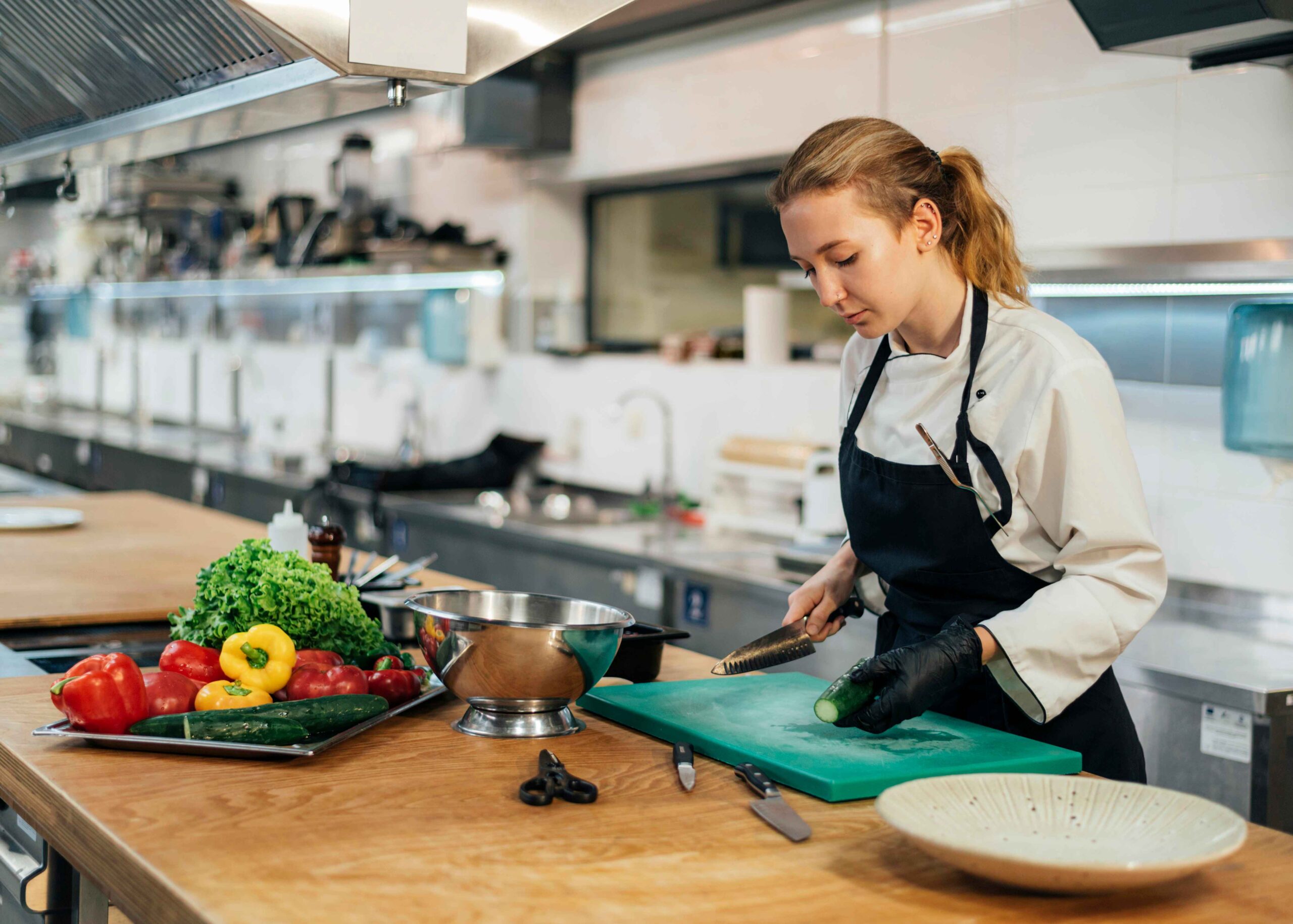
The kitchen, often called the heart of the home, is where everyday ingredients are turned into comforting meals. Home cooking covers every step from selecting produce to serving the final dish, blending practicality with creativity. This article explores why cooking matters, the science that shapes it, and the cultural threads it weaves around the world.

The Significance of Home Cooking
Nutrition and Wellness
Preparing meals at home allows control over what goes into each dish, making it easier to balance nutrients and limit unwanted additives. Gentle heat can soften fiber and release beneficial plant compounds, while thorough cooking destroys most harmful microbes, supporting both safety and digestion.
Culture and Connection
Recipes travel across generations, carrying stories, spices, and traditions. Shared cooking sessions strengthen family ties and introduce children to heritage flavors. Holiday breads, weekday soups, and celebratory roasts all become edible memories that keep cultures alive around the table.

The Science Behind the Stove
Heat as a Transformer
Whether it arrives from a flickering gas flame or a steady electric coil, heat changes food at the molecular level. Proteins firm, starches gel, and sugars caramelize, creating color, aroma, and depth. The familiar golden crust on bread or grilled vegetables is the visible sign of countless invisible reactions.
Texture and Mouthfeel
A quick plunge into boiling water can brighten vegetables while keeping a gentle crunch, whereas slow braising turns tough cuts velvety. Understanding time and temperature lets cooks orchestrate textures from crisp to silky within the same meal.

Flavor and Aroma
Herbs, spices, acids, and fats act like seasoning notes in music. They highlight, balance, or contrast main ingredients. Volatile molecules rise with steam, reaching the nose before the first bite and shaping overall taste perception.
Common Techniques and Ingredients
Techniques
Everyday methods each serve a purpose:

– Sautéing: Fast, high-heat contact in minimal oil seals in flavor and color.
– Boiling: Simple water-based heat ideal for grains, pasta, and vibrant vegetables.
– Baking: Surrounding food with dry, even heat for breads, casseroles, and sweets.
– Roasting: High-temperature oven air that caramelizes surfaces while interiors stay moist.
Ingredients

A well-stocked kitchen balances the essentials:
– Proteins: Beans, lentils, eggs, fish, or tofu support growth and repair.
– Carbohydrates: Whole grains, fruits, and root vegetables provide steady energy.
– Fats: Plant oils, nuts, and seeds carry flavor and aid vitamin absorption.
The Road Ahead

Technology in the Kitchen
Connected appliances now adjust settings automatically, guided by sensors and recipe apps. Induction surfaces heat pans without open flames, while precision cookers hold water baths within a fraction of a degree, expanding what home chefs can confidently attempt.
Sustainable Choices
More households are shifting toward seasonal produce, reusable storage, and creative use of leftovers. Composting scraps and choosing responsibly packaged goods shrink the environmental footprint of every meal.
Conclusion
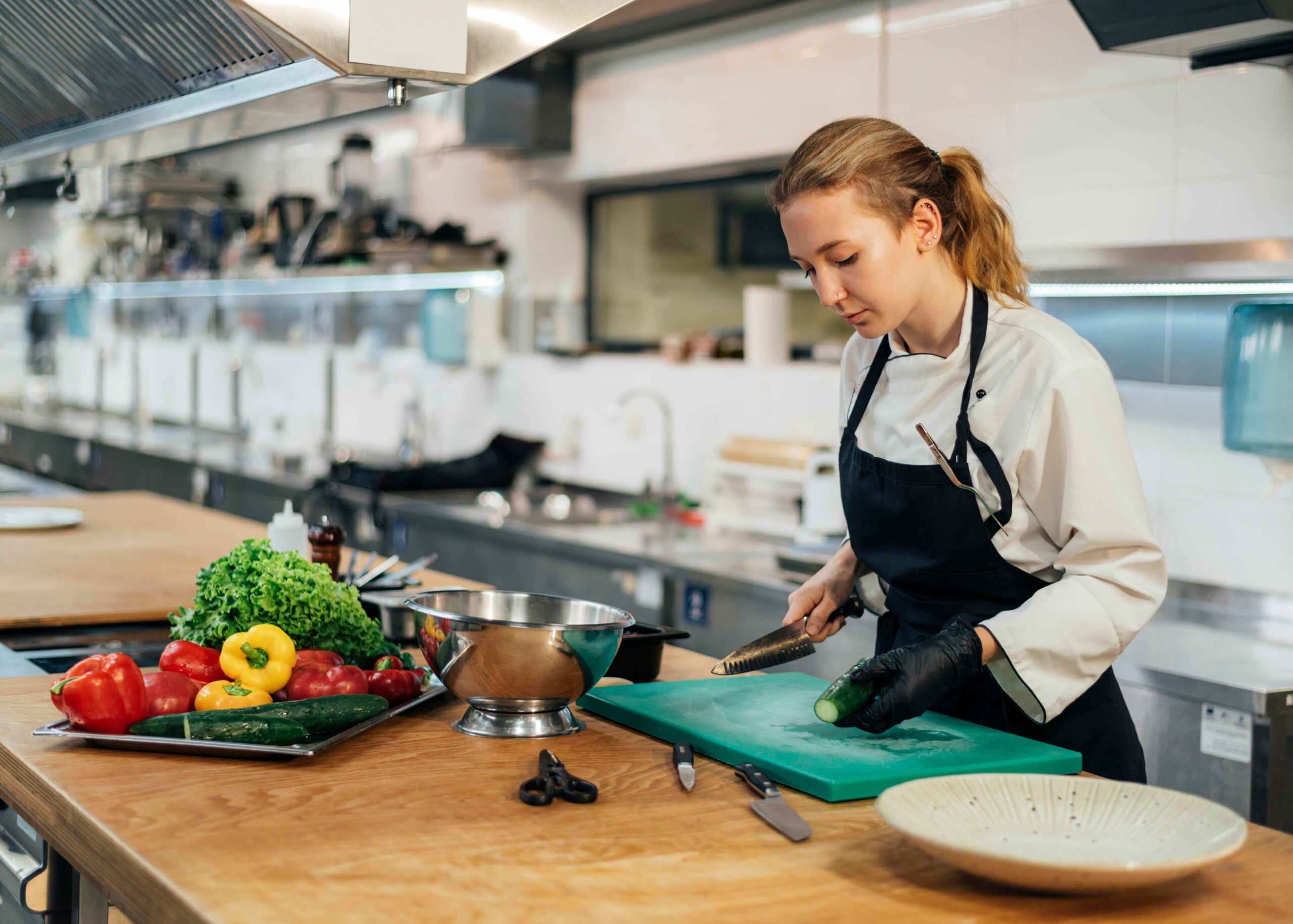
Cooking at home blends creativity, science, and tradition into acts that nourish both body and community. As technology and ecological awareness grow, the fundamental pleasure of sharing thoughtfully prepared food remains constant, inviting everyone to keep the culinary journey alive.
References
– General nutrition and cooking science texts on nutrient bioavailability and food safety.
– Cultural studies examining culinary heritage and social bonding through shared meals.
– Food chemistry resources explaining heat-driven reactions and flavor development.