


Healthy Dining Out: A Practical Guide to Guilt-Free Restaurant Meals
Introduction
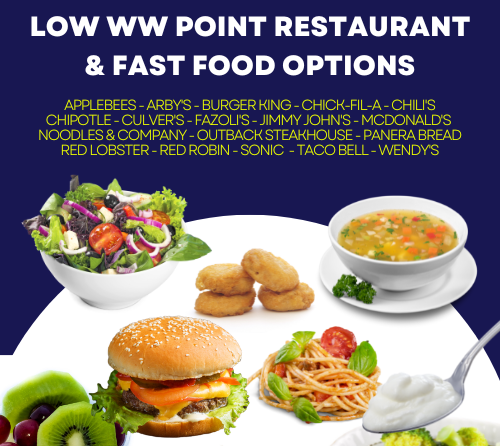
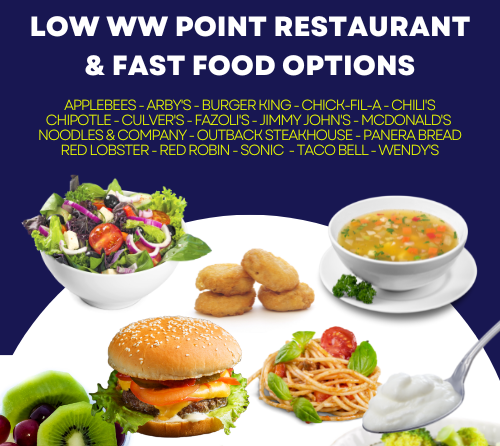
Eating out is one of life’s simple pleasures, yet it can feel tricky when you’re trying to stay on track with a balanced-eating plan. Programs that use a point or color system to guide food choices stress mindful portions and nutrient-dense foods. This guide shows how to spot “smart-choice” restaurants—places where you can relax, enjoy the atmosphere, and still leave feeling good about your decisions. We’ll cover what to look for on the menu, the perks of eating out without abandoning your goals, and easy tricks for ordering.

Criteria for Smart-Choice Restaurants
1. Clear Nutrition Facts
Menus that list calories, macros, or ingredient highlights make it simple to compare dishes at a glance. When numbers are printed right beside the entrée, you can stay within your daily target without guesswork.
2. Balanced Menu Variety
Look for kitchens that celebrate vegetables, lean proteins, whole grains, and meat-free plates. A wide range of colors on the menu usually means more fiber, vitamins, and room for customization.

3. Sensible Portions
Eateries that offer half-plates, lunch-size dinners, or build-your-own bowls let you decide how much lands on the table. Being able to box half the meal before you start is another welcome bonus.
4. Helpful Team
Servers who know the menu inside-out can steer you toward steamed, grilled, or dressing-on-the-side options in seconds. A quick chat often turns a potential splurge into a feel-good plate.
Benefits of Eating Out the Smart Way
1. Time Saved
No chopping, cooking, or dishes—just sit down and unwind. A balanced restaurant pick keeps your schedule light and your kitchen clean.
2. Shared Moments
Birthdays, date nights, and catch-ups happen around tables. Choosing a place with lighter fare means you can toast the occasion and stay aligned with your plan.
3. Flavor Adventure
Global spices, seasonal produce, and chef creativity turn healthy eating into a tasting tour. You might discover a new favorite vegetable or grain you’d never cook at home.
Top Restaurant Styles to Try
1. Soup-and-Salad Cafés
These spots often let you pair a broth-based soup with a greens-heavy salad for a filling, lower-calorie combo. Whole-grain bread on the side keeps things balanced.
2. Build-Your-Bowl Chains

Start with a leafy or whole-grain base, pile on colorful veggies, add lean protein, and finish with a measured drizzle of sauce. You control every layer.
3. Farm-to-Table Bistros
Seasonal menus mean smaller, fresher portions and less heavy cream or butter. Ask for the day’s market plate—chefs love showcasing their produce.
4. Modern Diners
Updated versions of the classic diner now serve egg-white omelets, turkey burgers on whole-wheat buns, and side salads instead of fries. Comfort food, lightened up.

Making Informed Choices
When the waiter hands you the menu, keep these habits in mind:
1. Spot the Icons
Many menus mark heart-healthy, high-fiber, or plant-based dishes with small symbols. Scan for those first; they narrow the field instantly.
2. Ask for Tweaks

Request grilled over crispy, swap creamy sauces for salsa or vinaigrette, and substitute extra veggies for refined starches. Most kitchens are happy to oblige.
3. Share or Box
Split an entrée with a friend or ask for a to-go box when the plate arrives. Immediate portion control keeps bites mindful and tomorrow’s lunch ready.
Conclusion
Restaurant meals and wellness goals can coexist. By picking places that highlight fresh ingredients, transparent nutrition, and flexible portions, you can savor every bite without second-guessing. A few simple questions to the server and a quick scan for menu clues are all it takes to turn any outing into a confident, delicious success.

Future Research and Recommendations
More studies could track how menu transparency affects long-term eating habits and overall health. Restaurants, in turn, can keep expanding lighter offerings, training staff on ingredient knowledge, and offering half-size entrées as standard. Together, diners and kitchens can make eating out a seamless part of a balanced lifestyle.


