

How to Make Recipe: A Comprehensive Guide to Cooking Mastery
Cooking is an art that crosses every culture and generation. It invites creativity, brings people together, and turns simple foods into memorable meals. Whether you are just starting out or have years of experience, knowing how to read and use a recipe is the first step toward confidence in the kitchen. This guide walks you through the essentials of choosing ingredients, understanding methods, and presenting dishes you will be proud to share.
The Value of a Reliable Recipe
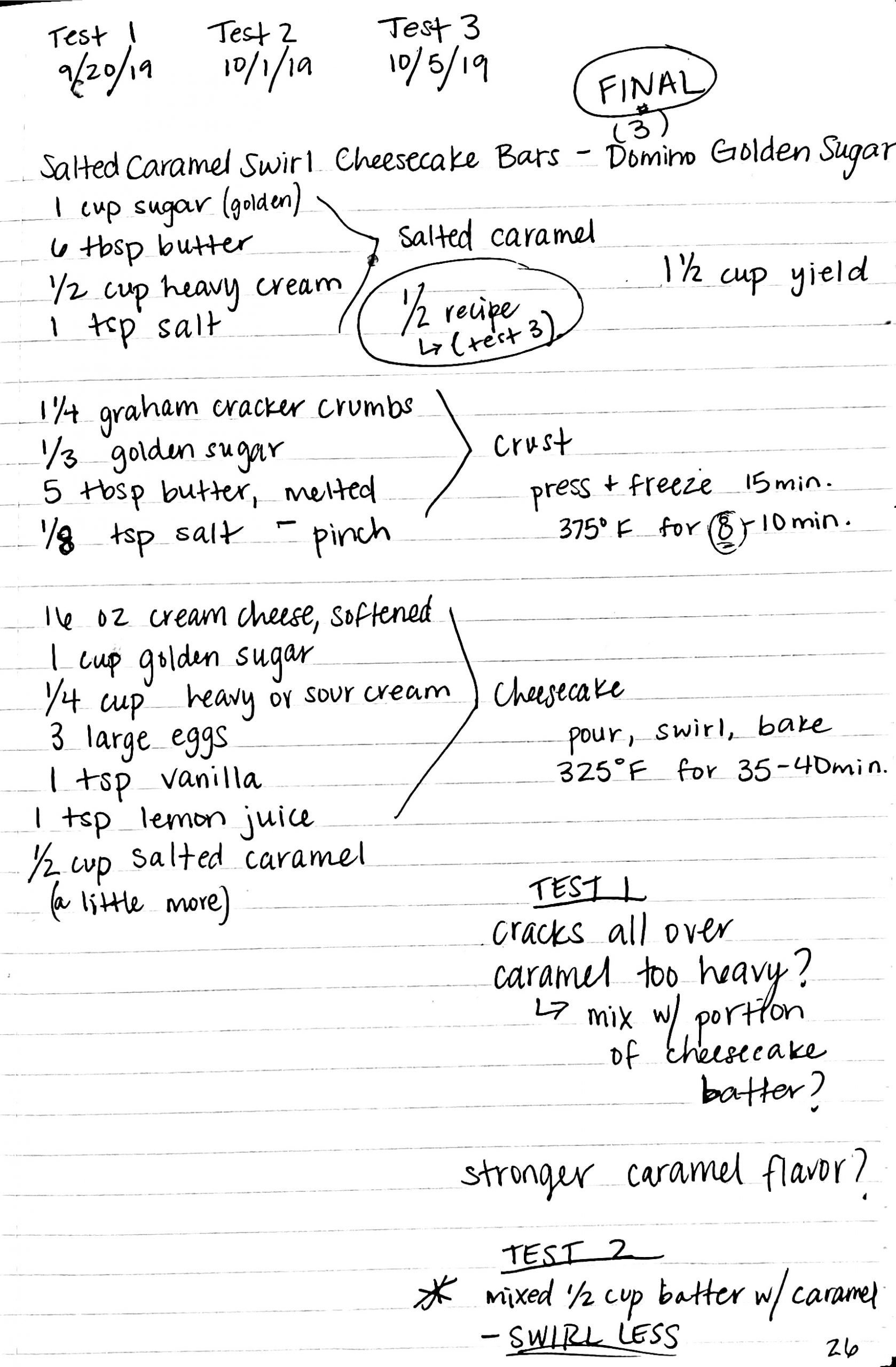
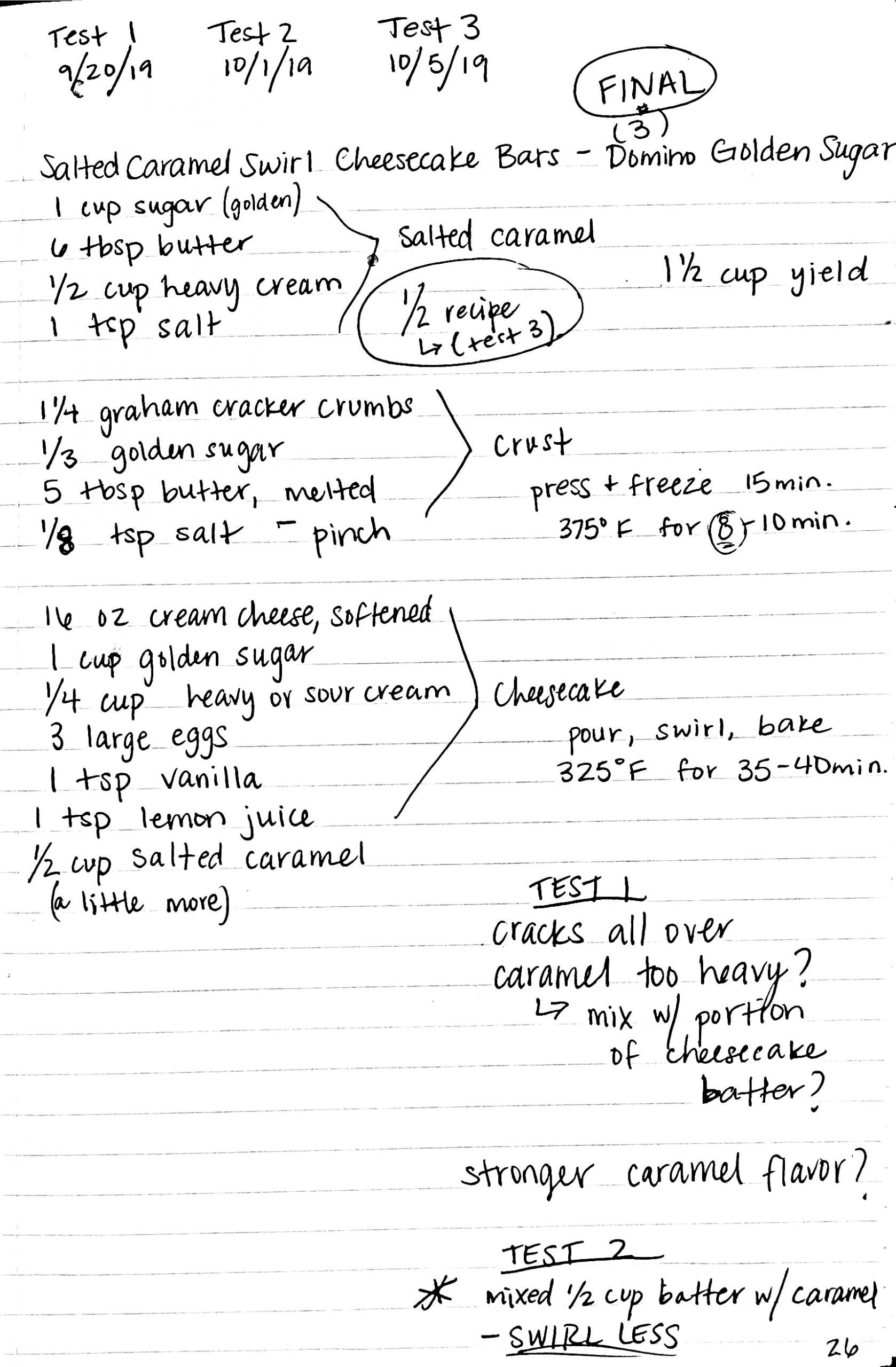
A clear recipe is a roadmap. It keeps measurements, timing, and temperatures in balance so the final dish tastes the same each time you make it. Following the steps also teaches the “why” behind cooking: why onions soften before they brown, why batters rest before they bake, and how a pinch of salt can brighten sweetness. Once you grasp these basics, you can begin to improvise with ease.
Research shows that home cooks who follow well-tested instructions feel more satisfied with their results and are more willing to try new techniques later. A structured approach builds intuition, turning beginners into flexible, creative cooks.
Ingredients Matter
Great meals start with great raw materials. Fresh produce, fragrant herbs, and good-quality staples give you a head start that no amount of seasoning can replace.
Choosing the Right Ingredients
Look for bright colors, firm textures, and pleasant aromas. Seasonal fruits and vegetables taste better and often cost less. When possible, buy whole spices and grind them as needed; the flavor boost is immediate and noticeable.
Think about how elements will work together. A crisp apple can balance rich cheese; earthy mushrooms deepen a light broth. Contrasts in flavor and texture keep every bite interesting.
Understanding Ingredient Ratios
Ratios are the quiet rules that keep cakes fluffy, sauces silky, and bread tender. Once you learn a basic ratio—one part rice to two parts water, for example—you can swap in new grains or liquids without fear. Memorize a few core formulas and you will free yourself from constant recipe hunting.
Core Cooking Techniques
Methods turn raw ingredients into dinner. Mastering a handful of foundational techniques gives you the power to cook almost anything.
Everyday Techniques to Know
Sauté: Quick cooking in a shallow pan with a little fat. Perfect for week-night vegetables or thin cuts of protein.
Simmer: Gentle bubbles that coax flavors from soups, beans, and grains without harsh boiling.
Roast: High, dry heat that caramelizes edges and deepens sweetness in vegetables or meats.
Steam: Moist heat that keeps nutrients and colors vivid, ideal for fish and tender greens.
Building Skill Through Practice
Choose one new method each week and cook it three times with different foods. Notice how heat levels, pan size, and timing change the outcome. Small, repeated experiments build muscle memory faster than occasional ambitious projects.
Simple Habits That Elevate Your Cooking
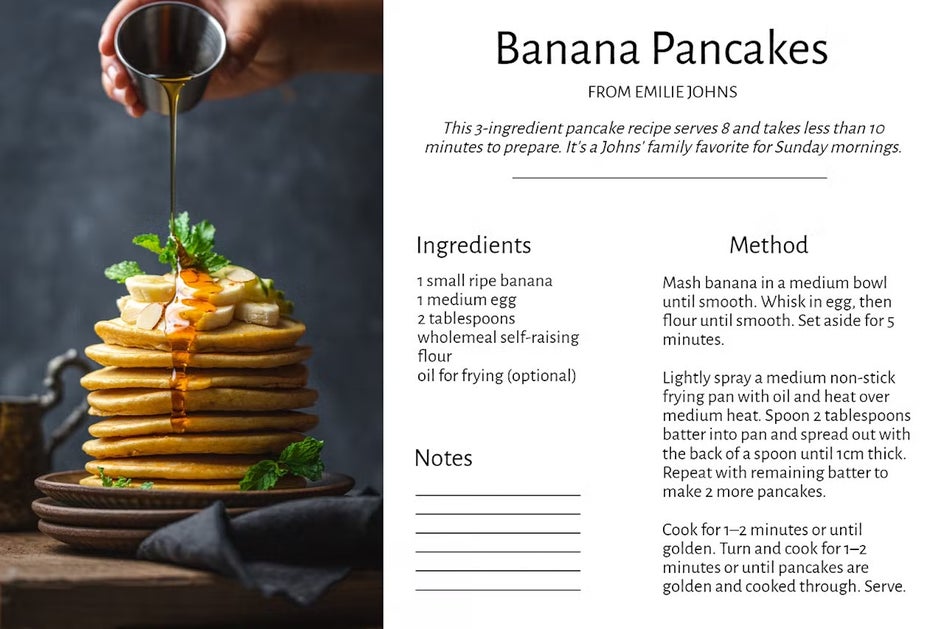
Keep knives sharp: A clean cut damages fewer cells, keeping herbs greener and meats juicier.
Taste as you go: Adjust salt, acid, or spice gradually; palates vary and ingredients differ.
Stay organized: Measure and chop before you turn on the flame; a calm station prevents burnt garlic and soggy pasta.
Clean in downtime: Rinse boards while onions soften or water boils. An uncluttered space keeps the mind clear and the food safe.
Wrap-Up

Reliable recipes, fresh ingredients, solid techniques, and tidy habits form the four corners of enjoyable cooking. Approach each meal as a small lesson: note what worked, tweak what did not, and celebrate every small victory. With curiosity and consistent practice, the kitchen soon feels less like a classroom and more like a creative playground.
Further Reading
Explore trusted cookbooks, reputable food websites, and local workshops to deepen your knowledge and find inspiration for your next delicious creation.


