The Impact of Mindful Cooking on Modern Culinary Culture
Introduction
Mindful cooking, an approach that blends awareness with everyday meal preparation, has quietly become a guiding force in contemporary kitchens. It centers on choosing ingredients that support well-being, reducing environmental strain, and strengthening social bonds. This article explores how mindful cooking is reshaping the way we plan, prepare, and share food, tracing its roots, advantages, obstacles, and the road ahead.
Origins of Mindful Cooking
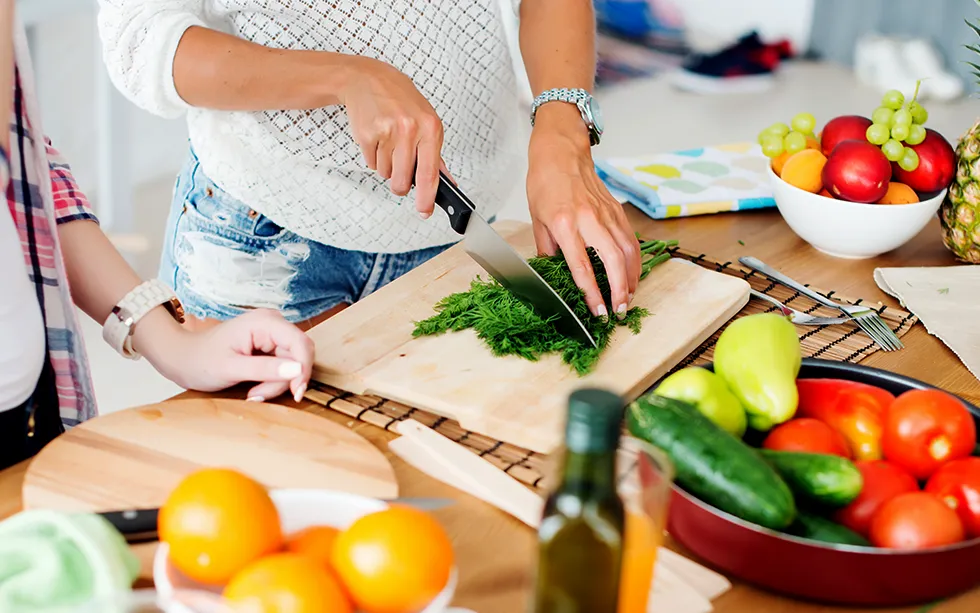
The seeds of mindful cooking were planted as home cooks began questioning highly processed foods and long supply chains. Searching for meals that felt good for both body and planet, they turned toward whole produce, seasonal harvests, and recipes passed among neighbors. Over time, these preferences merged into a coherent style that values simplicity, locality, and respect for the earth.
Early advocates included small bistros and community centers that championed farmers’ markets long before they were trendy. By celebrating what grew nearby and cooking with the calendar, they inspired a broader audience to adopt the same gentle philosophy.
Benefits of Mindful Cooking
Mindful cooking delivers rewards that ripple from the individual to the wider world:
Health Benefits
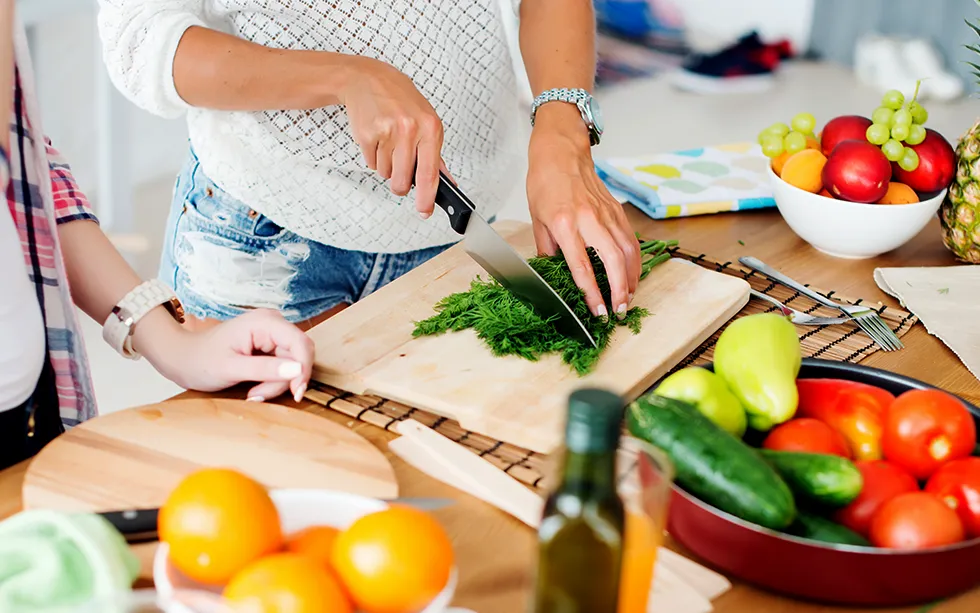
Emphasizing grains, legumes, fresh fruit, and vegetables increases fiber, vitamins, and antioxidants while trimming excess salt, sugar, and additives. Such balance supports steady energy, healthy weight, and a lower risk of common chronic conditions.
Environmental Benefits
Shorter travel distances for ingredients, lighter packaging, and creative use of leftovers shrink kitchen waste and greenhouse-gas emissions. Composting scraps and choosing plant-forward dishes further lighten each meal’s ecological footprint.
Community Benefits
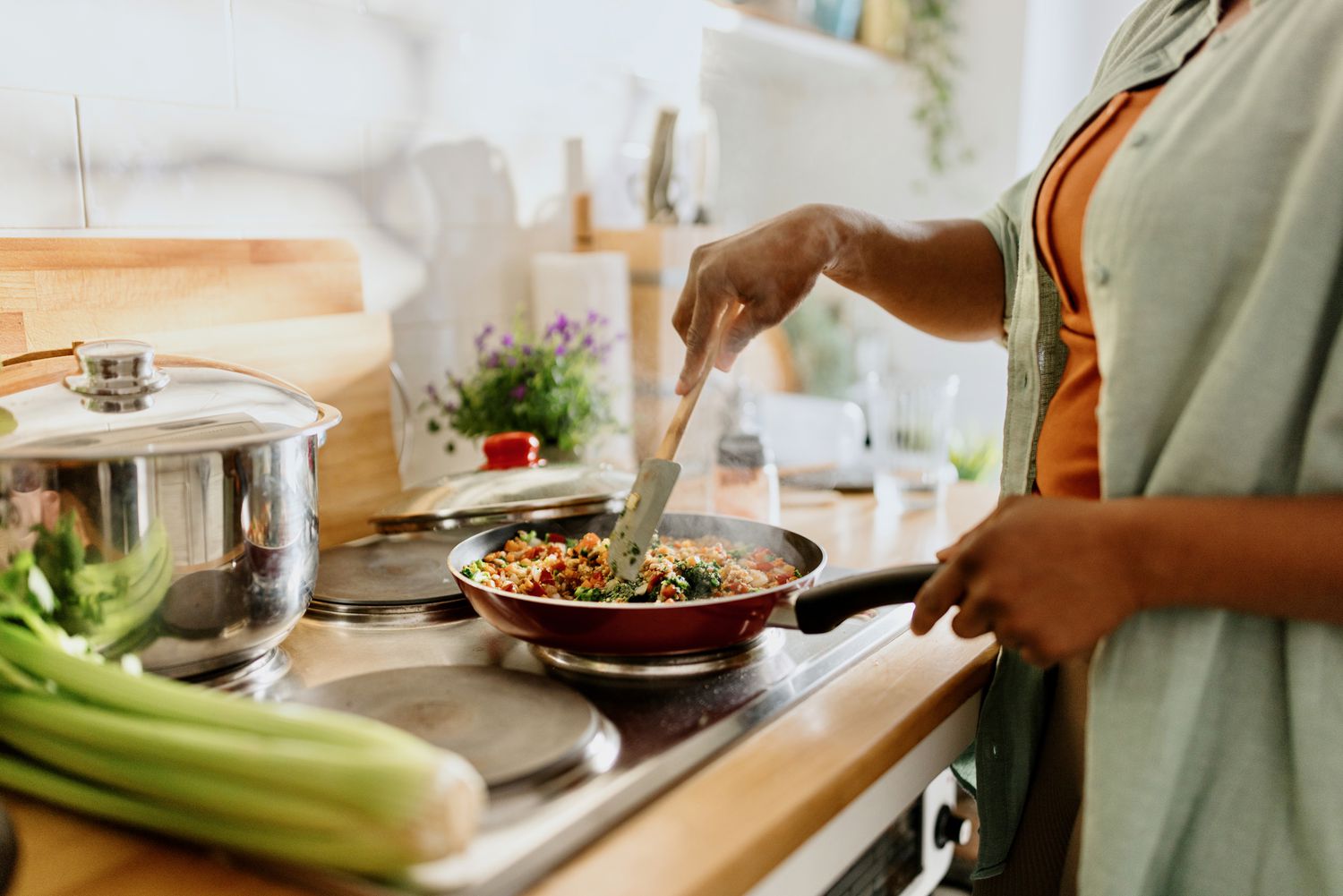
Cooking with others—whether family, friends, or local workshops—sparks conversation, skill sharing, and cultural exchange. Shared meals become moments of connection that strengthen neighborhood ties.
Challenges of Mindful Cooking
While the idea is appealing, several hurdles can slow its spread:
Access to Fresh Ingredients
In some regions, seasonal produce is limited or carries a higher price than imported goods, making mindful choices feel out of reach for many households.
Time and Skill Requirements
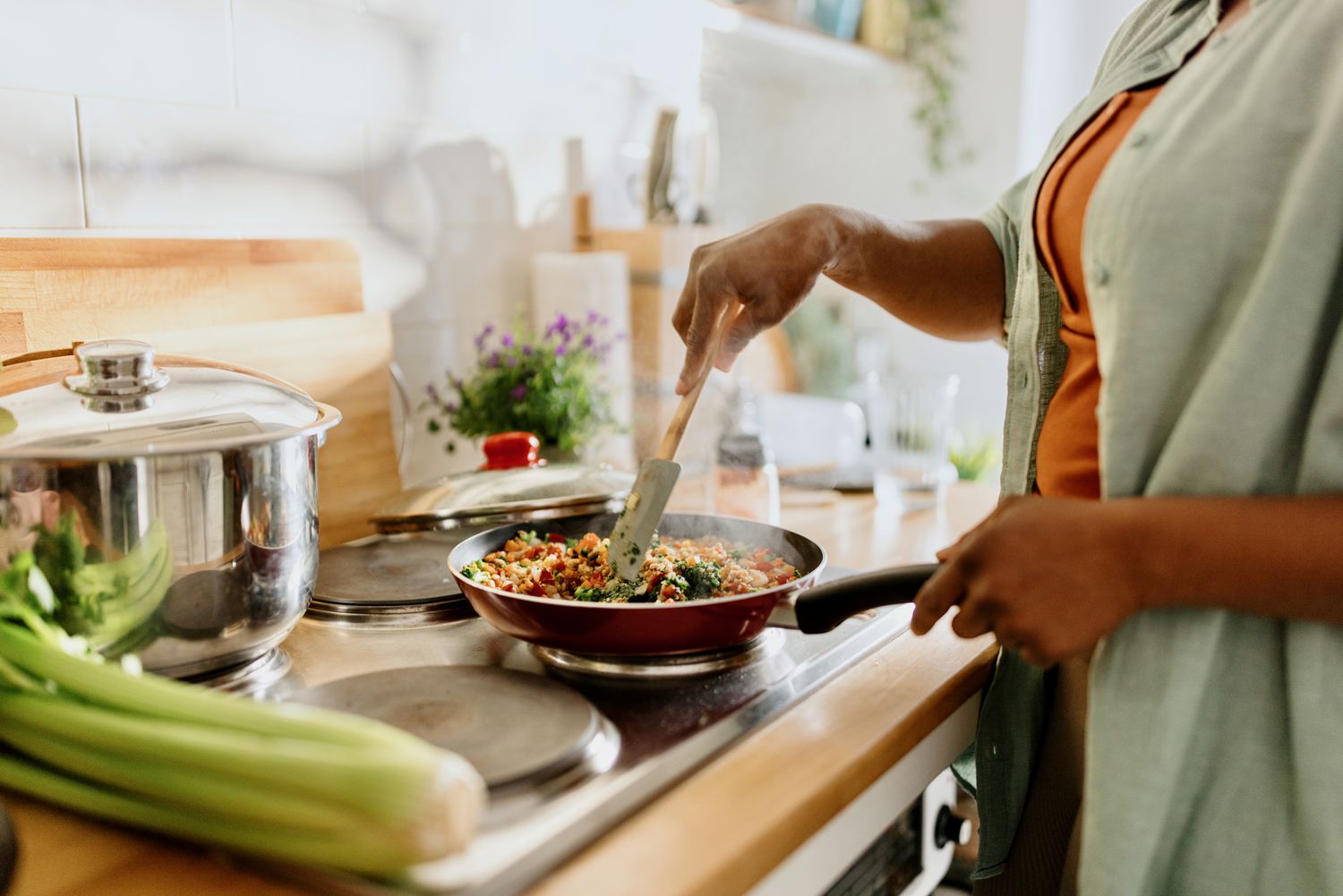
Planning menus around fresh foods and learning techniques like fermenting or proper knife skills demand hours many people feel they do not have, especially when juggling work and caregiving.
Cultural and Social Factors
Long-standing traditions or convenience-focused lifestyles can clash with the slower rhythms of mindful cooking, leading to reluctance or skepticism.
Future Prospects of Mindful Cooking

Even so, momentum continues to build through several channels:
Technological Innovations
Apps that link consumers with nearby growers, smart storage that extends produce life, and urban gardens on rooftops or in shipping containers are making fresh food more attainable and affordable.
Education and Awareness
School programs, online tutorials, and public campaigns demystify techniques and highlight tasty, low-cost recipes, encouraging wider participation across ages and incomes.

Policy Changes
City incentives for green markets, community composting, and nutrition education in clinics create an ecosystem where mindful cooking can thrive.
Conclusion
Mindful cooking has moved from niche to noteworthy, offering a recipe for healthier bodies, a lighter environmental load, and richer social ties. Though barriers persist, innovation, learning, and supportive policies are paving the way for this considerate approach to become an everyday habit. By stirring awareness into each pot and pan, we nourish ourselves and the planet in equal measure.
References

– A leading farm-to-table pioneer. (2006). Simple Pleasures: Cooking with the Seasons. Artisan.
– FAO. (2019). The State of Food and Agriculture: Moving Toward Sustainable Plates. Food and Agriculture Organization of the United Nations.
– World Health Organization. (2019). Healthy Diet: Fact Sheet. World Health Organization.