Easy Things to Make from Scratch: A Journey to Simplicity and Satisfaction
Introduction
In a world that prizes speed and ready-made solutions, the quiet pleasure of creating something with your own hands is making a comeback. More people are stepping away from packages and mixes, choosing instead to craft everyday items from the simplest raw ingredients. This shift toward homemade simplicity brings surprising rewards—tastier food, lighter grocery bills, and a deeper sense of capability.
The Benefits of Making Easy Things from Scratch
Health and Nutrition
When you start with whole ingredients, you decide exactly what goes into every bite. Fresh produce, plain grains, and basic spices contain no hidden sweeteners, excess salt, or long chemical names. Meals built from these staples typically deliver more vitamins and fiber than their shelf-stable counterparts, while naturally keeping portions in check.
Financial Savings
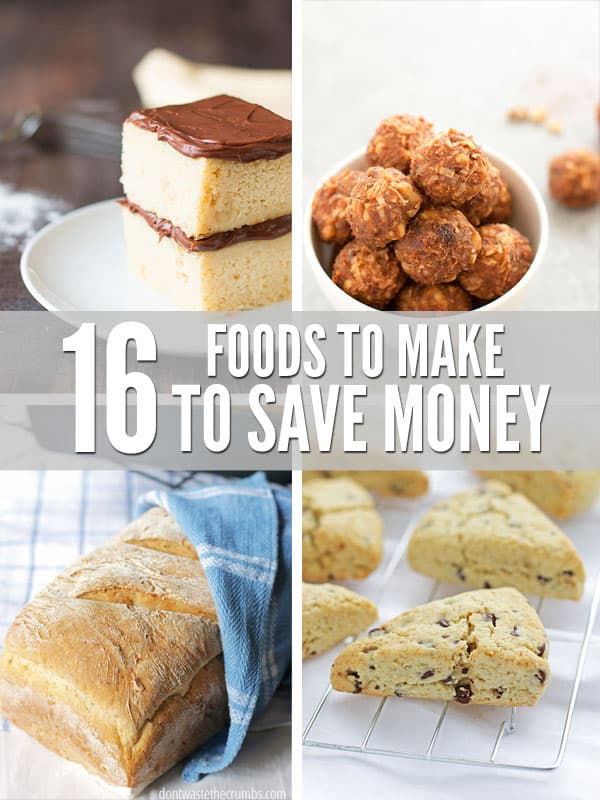
A single bag of flour, a carton of eggs, and a bottle of oil can stretch across dozens of servings. Measured per portion, homemade staples almost always cost less than individually wrapped convenience foods, leaving room in the weekly budget for higher-quality extras such as organic fruit or specialty cheeses.
Skill Development
Each time you knead dough, whisk dressing, or simmer sauce, you add another practical skill to your toolkit. Over months, these small lessons build confidence that spills into other areas—whether it’s repairing a button, planting herbs, or hosting friends without stress.
Practical Examples of Easy Things to Make from Scratch
Bread
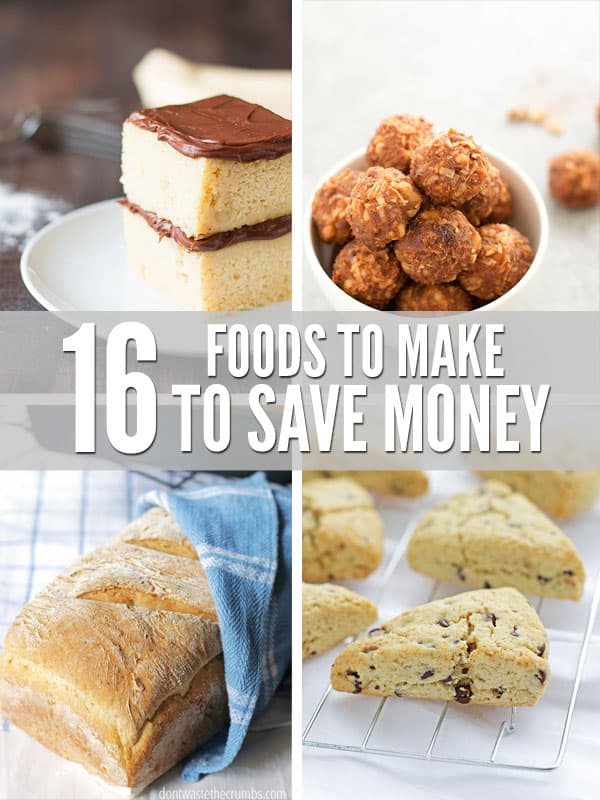
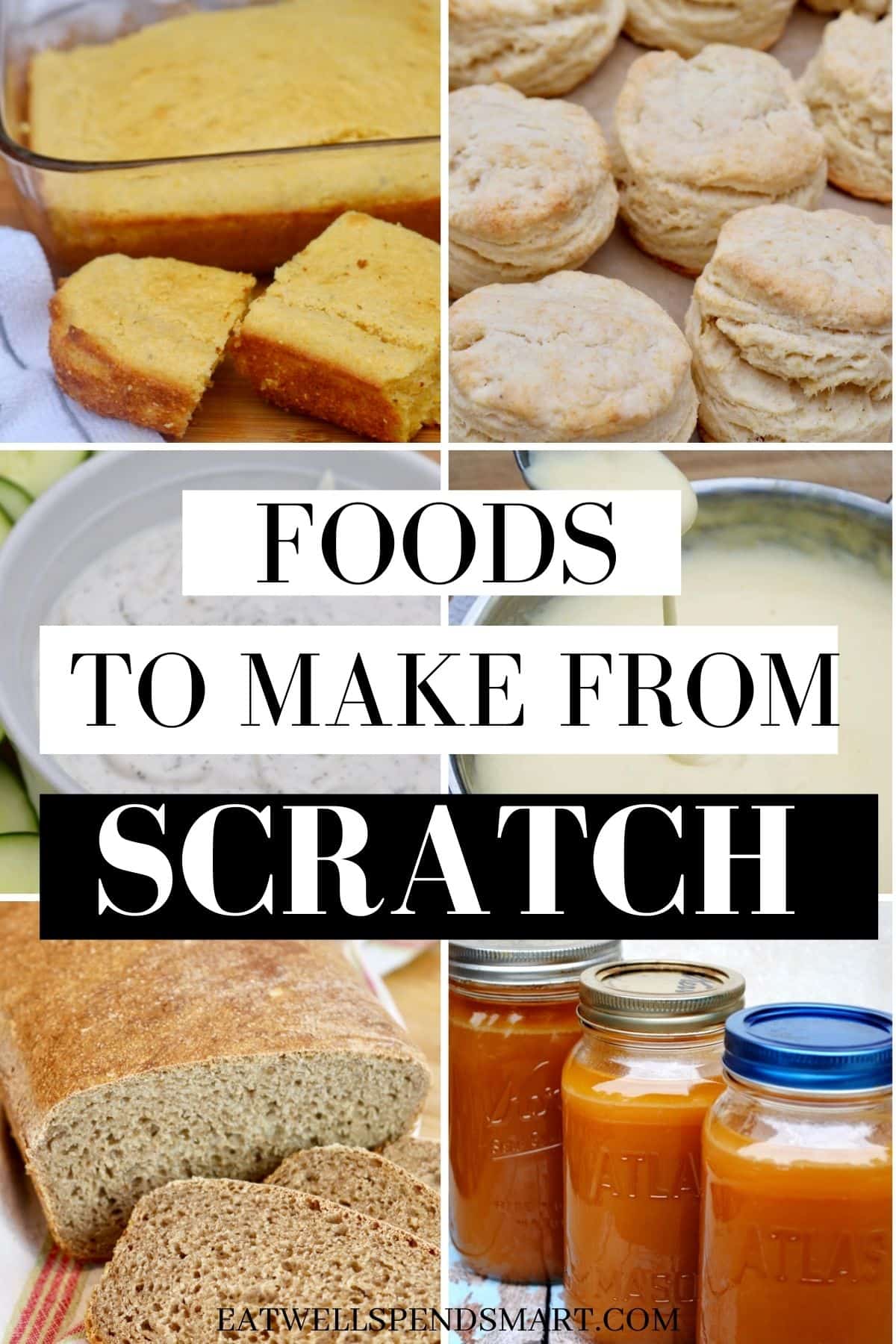
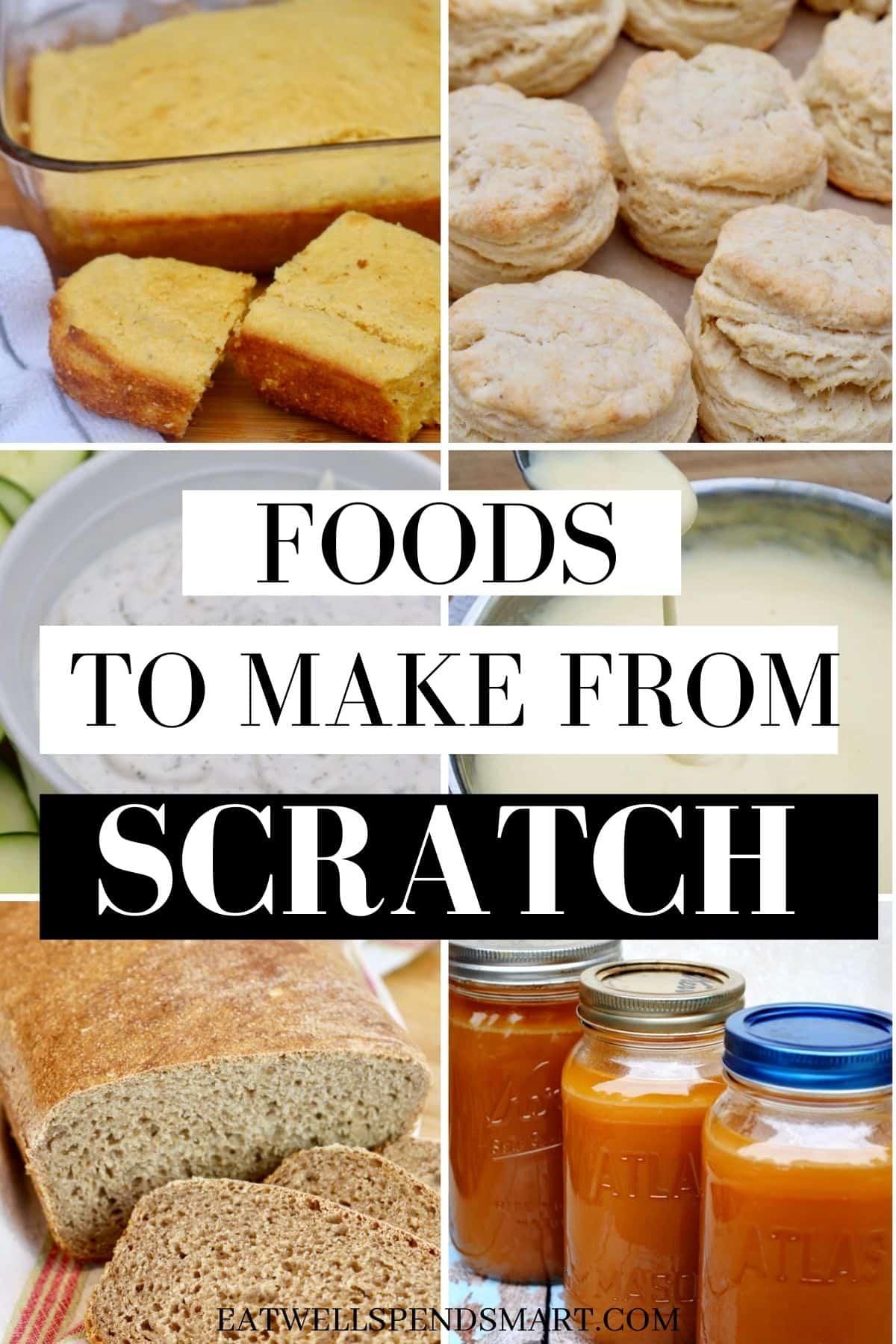
A basic loaf needs only flour, water, yeast, and salt. Ten minutes of mixing, a little patience while it rises, and the aroma of crusty bread fills your kitchen—no plastic sleeve required.
Pasta
Fresh pasta dough is simply flour and eggs blended into a silky sheet. Rolled and cut by hand, it cooks in under two minutes and tastes light years away from the dried box variety.
Salad Dressing
Three parts oil to one part acid—lemon juice or any vinegar—plus a dab of mustard and a pinch of herbs creates a dressing that can be shaken fresh each day. Adjust sweetness, tang, or creaminess to suit the greens at hand.
Encouraging Others to Embrace Making Easy Things from Scratch
Education and Support
Short videos, neighborhood workshops, or a friend shared kitchen counter all lower the entry barrier. When instructions are clear and equipment is minimal, newcomers discover that “from scratch” need not mean “complicated.”
Community Involvement
Swapping sourdough starters at a local market or trading tomato seedlings with coworkers turns cooking into a social event. Shared successes—and funny failures—keep motivation high and waste low.
Conclusion
Choosing to make everyday items yourself is less a return to the past than an investment in the future. The payoff arrives in the form of brighter flavors, fuller wallets, and a steady belief in your own ability to provide. Invite a friend, stir a pot, and let the simplest ingredients remind you how satisfying life can be.
Recommendations and Future Research
To keep the momentum going, consider these steps:
1. Schools can weave quick cooking lessons into science or math classes, showing ratios and reactions in edible form.
2. Towns can open shared kitchens where residents borrow tools like pasta rollers or canning pots without owning them outright.
3. Online forums can spotlight one-ingredient swaps or five-minute tutorials, making support as close as a phone screen.
Areas worth exploring further include:
1. Long-term health patterns among households that cook most meals from basic ingredients.
2. The ripple effect of scratch cooking on local grocery spending and food waste.
3. Adaptive devices and apps that help people with limited dexterity or vision participate fully in home cooking.