How to Build a Custom Recipe in Your Wellness App: A Friendly Walk-Through
Introduction
Many people now rely on mobile apps to stay on top of nutrition goals, and the option to save personal recipes is one of the most loved extras. This short guide explains how to assemble a recipe inside a typical wellness tracker, along with simple ideas to keep every dish tasty, balanced, and easy to repeat.
Understanding the App
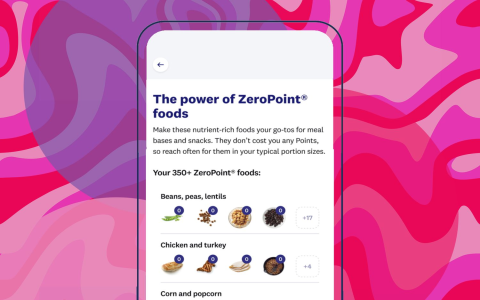
Most wellness apps revolve around three core ideas: log what you eat, note any activity, and watch daily totals shift toward your target. A built-in point or credit system translates calories, sugar, fat, and fiber into one clear number, making trade-offs obvious at a glance.
Step-by-Step Guide to Building a Custom Recipe
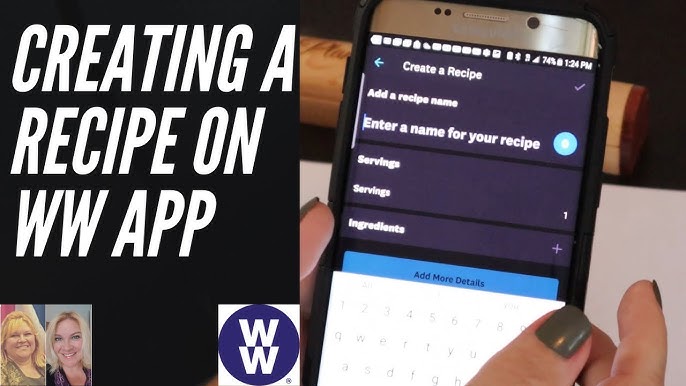
Step 1: Open the Recipe Builder
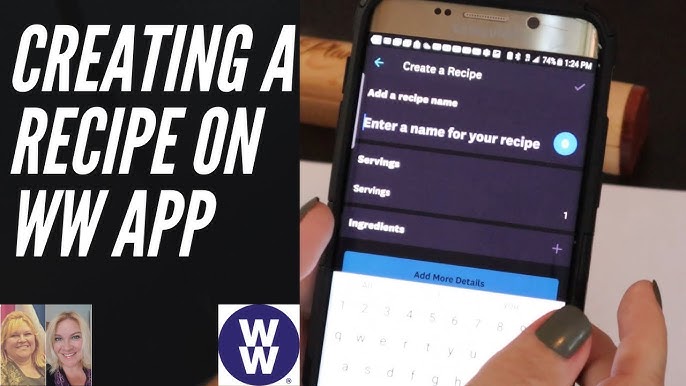
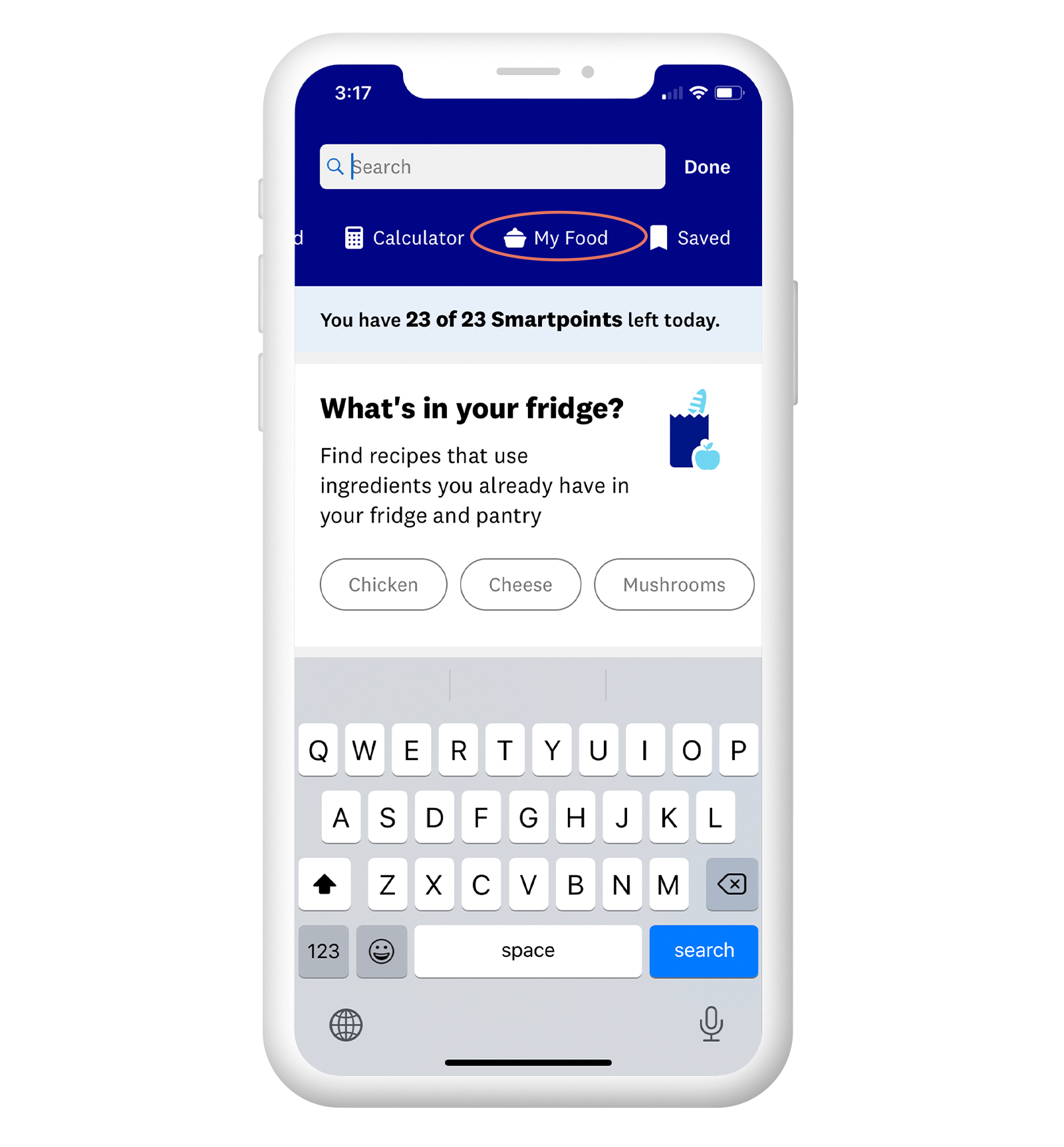
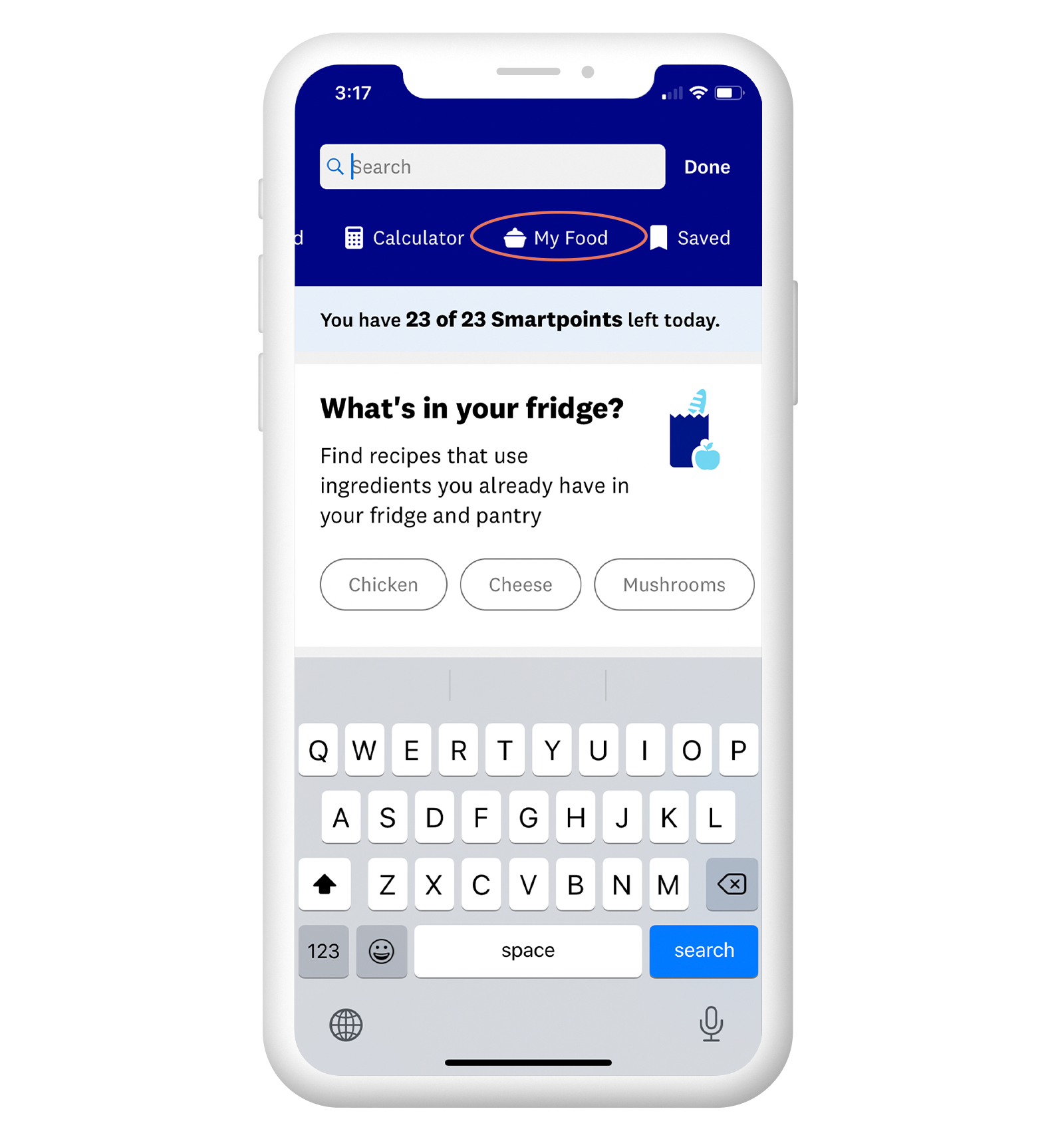
Look for a “Recipes” or “My Meals” icon on the main screen. Some apps also let you tap the search bar and type “Create Recipe” to jump straight to the tool.
Step 2: Pick a Category
Select the slot that best describes the finished dish—breakfast, lunch, dinner, snack, or dessert—so it is easier to find later.
Step 3: List Your Ingredients
Type each item in the order you will use it. Include quantities and any basic prep note such as “diced” or “drained.” The app will usually match each entry to its internal database.
Step 4: Check the Numbers
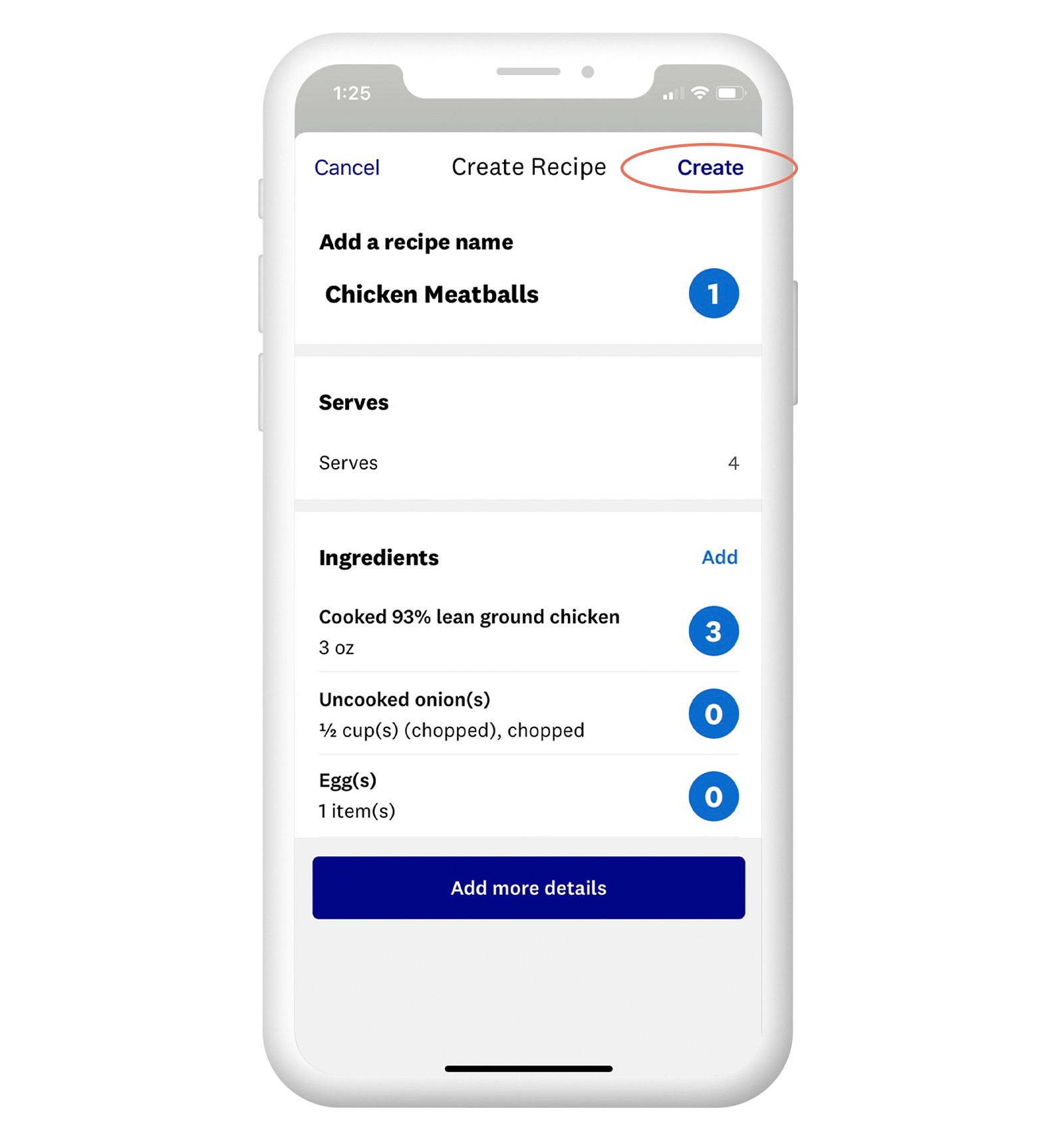
Once every ingredient is in, the app calculates a total for the whole batch and a per-serving count. If anything looks off, you can edit weights or swap products until the figures fit your plan.
Step 5: Write the Method
Add concise, easy-to-follow steps. Mention oven temperatures, cooking times, and any helpful visual cue—such as “simmer until sauce coats the spoon.”
Step 6: Save and Share
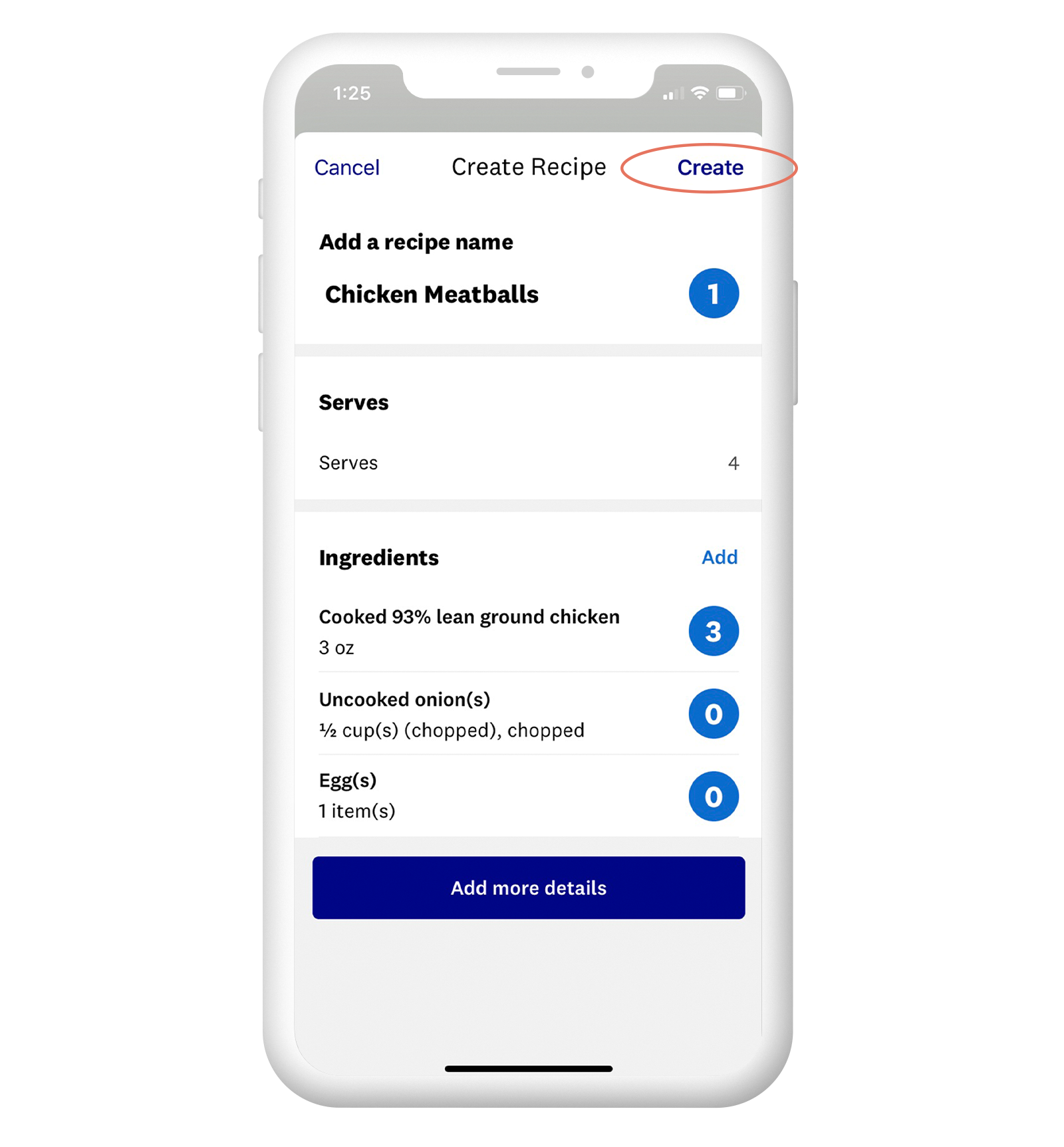
Hit “Save.” Most platforms let you keep the recipe private, post it to an in-app community, or send a link to friends.
Tips for Lighter, Balanced Dishes
1. Start with Whole Foods
Vegetables, fruits, lean proteins, legumes, and whole grains deliver the most nutrients for the fewest credits.
2. Favor Low-Credit Flavor Boosters
Think citrus zest, fresh herbs, spices, vinegar, or low-sodium broth. They add punch without dragging the daily tally upward.
3. Watch Portions
Use a kitchen scale or standard cups and spoons when you first save the recipe; this keeps every future serving consistent.
4. Experiment with Texture
Roasting, grilling, or an air-fryer can give crispness that feels indulgent even when oil is minimal.
Conclusion
Building your own recipes inside a wellness app takes only a few minutes and pays off every time you cook. By leaning on whole foods, bold seasonings, and accurate measurements, you will fill your personal cookbook with meals that satisfy both taste buds and daily targets. Happy cooking!