The Easy Simple Food Web: A Foundation for Understanding Ecosystem Dynamics
Introduction
The idea of a food web is central to grasping how living things interact in nature. A deliberately simple version strips away extra detail so newcomers can see how energy moves and species depend on one another. This article walks through that paired-down model, highlighting its parts, value, and the ecological lessons it offers.
What is an Easy Simple Food Web?
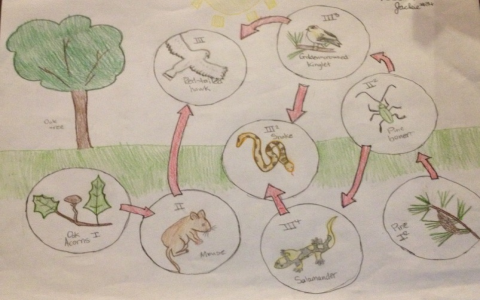
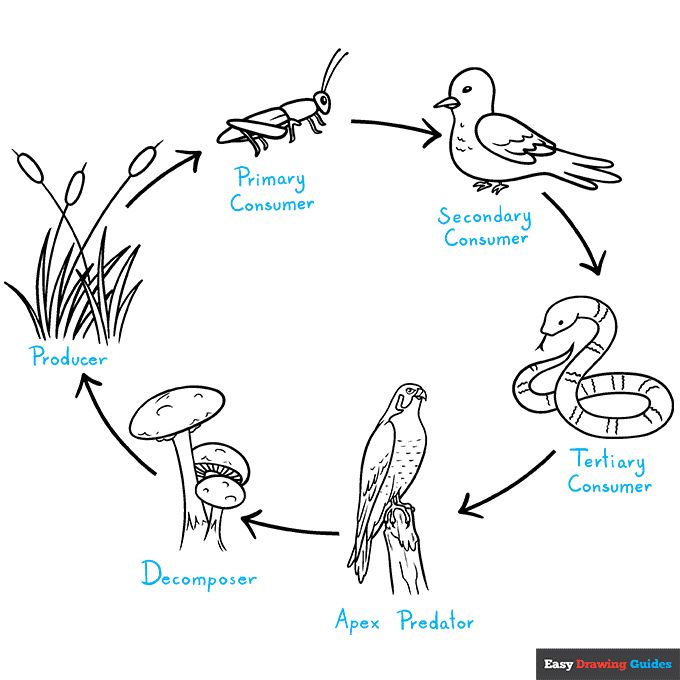
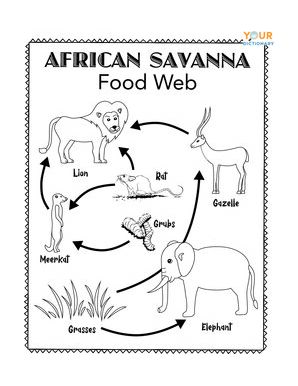
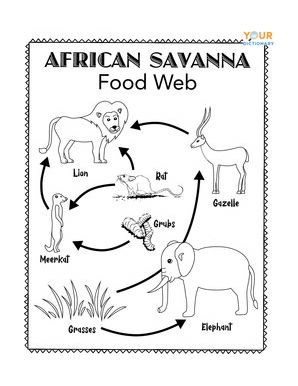
It is a bare-bones diagram of who eats whom. A handful of plants, a few plant-eaters, one or two predators, and decomposers are linked by arrows that show the flow of food. By limiting the cast of characters, the picture stays clear enough for anyone to follow.
Components of an Easy Simple Food Web
Primary Producers
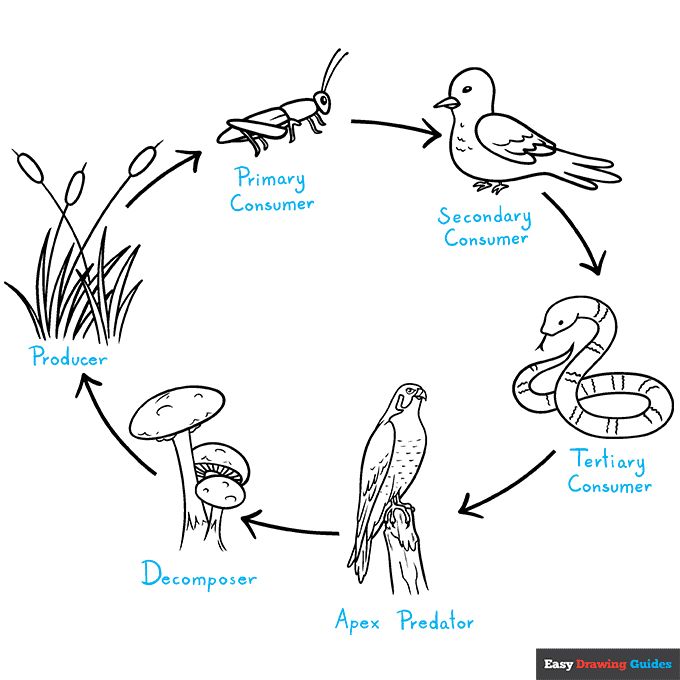
These are the energy makers—grasses, algae, or other photosynthetic organisms—that turn sunlight into sugar. They sit at the base and feed every other level.
Primary Consumers
Rabbits, caterpillars, or other herbivores come next, transferring the captured energy upward when they nibble leaves or blades of grass.
Secondary Consumers
Small hawks, frogs, or foxes make a living by hunting the herbivores, adding another step in the energy journey.
Decomposers
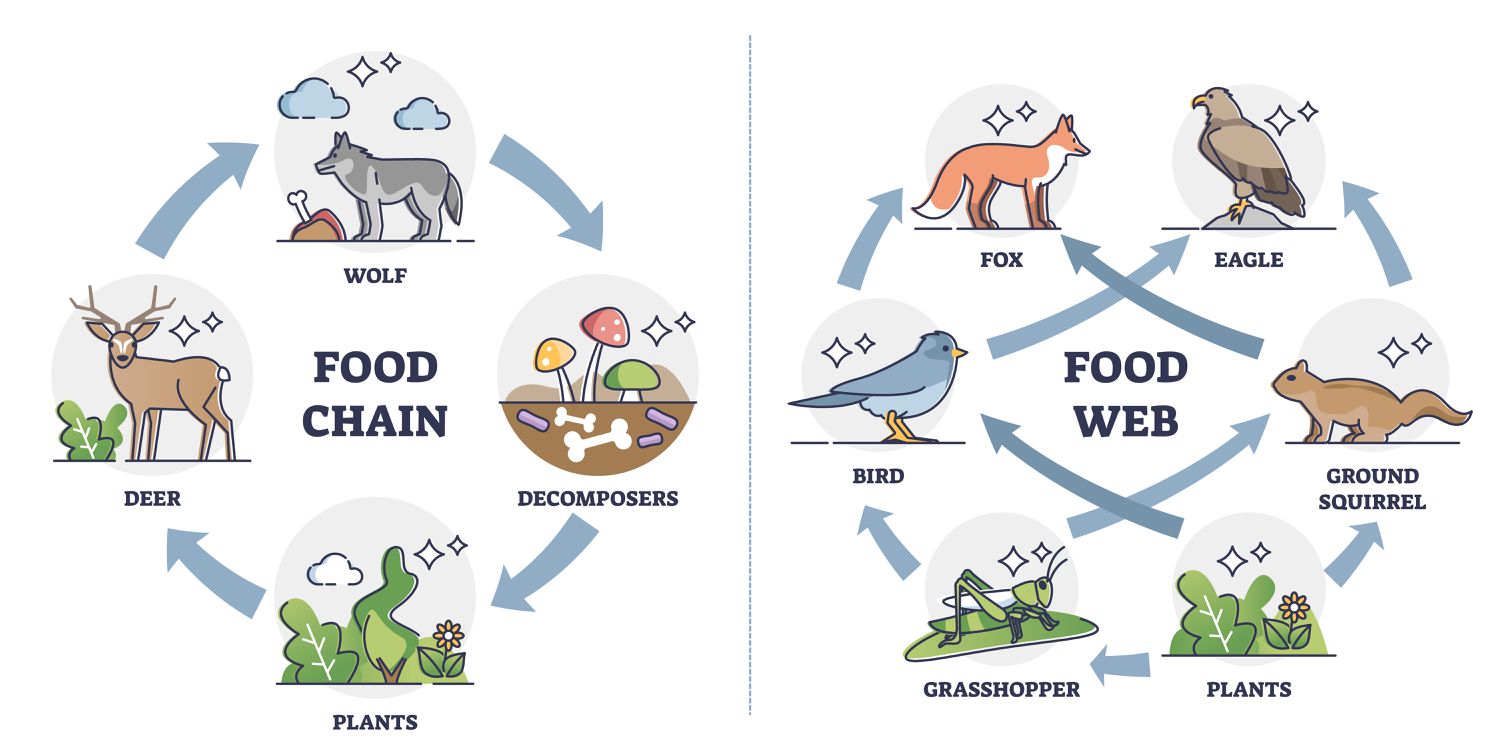
Fungi, bacteria, and detritus feeders close the loop, recycling nutrients from droppings and remains so the producers can grow again.
Significance of an Easy Simple Food Web
Educational Tool
Teachers use these tidy diagrams to show how energy cascades through levels and why every role matters; students can draw one from memory after a single lesson.
Conservation and Management
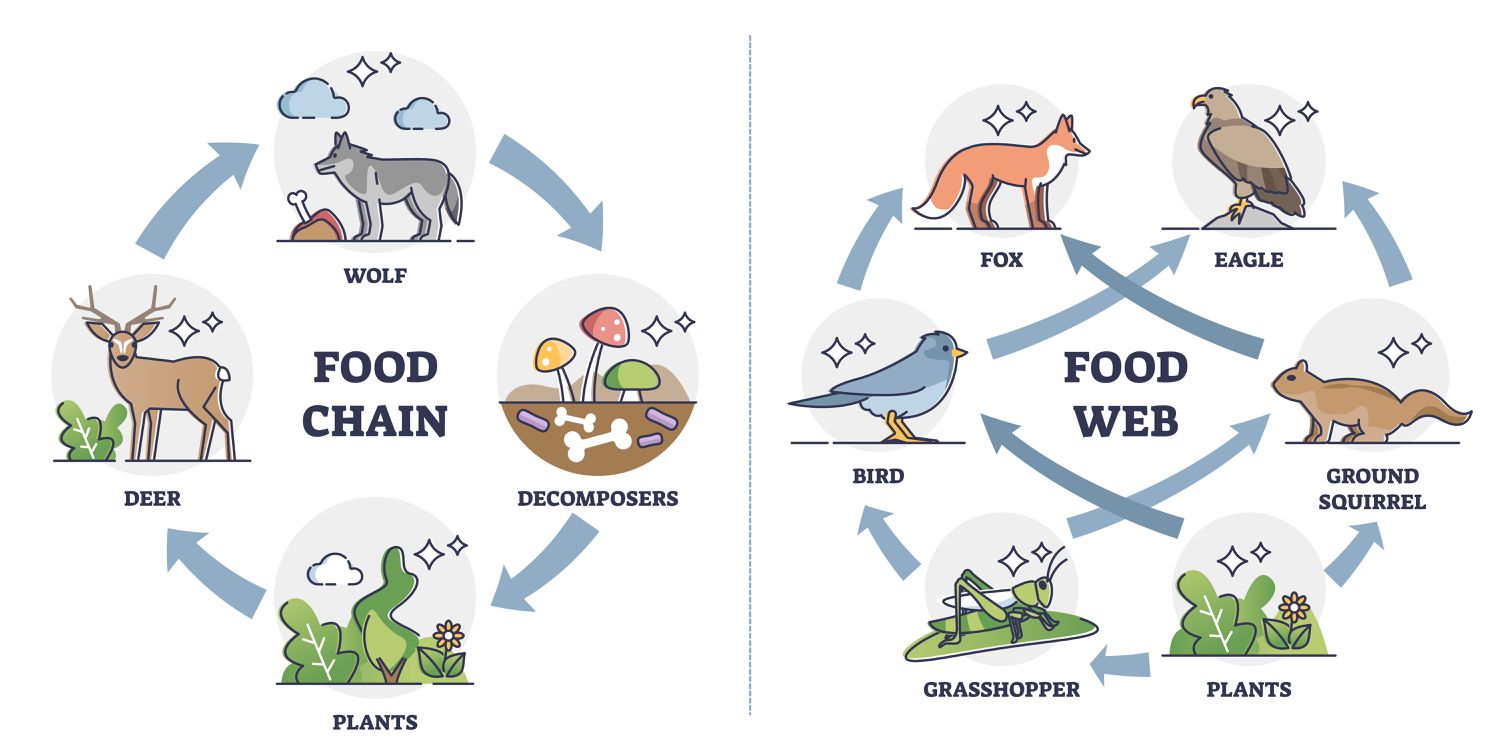
Managers sketch quick webs to guess what might happen if a species declines, helping them choose protective steps before real damage occurs.
Ecosystem Resilience
By removing or adding a link on paper, researchers test how stable the chain feels, gaining clues about nature’s ability to bounce back from shocks.
Evidence and Research
Classic experiments that trimmed food webs to a few species revealed how the loss of a top predator can ripple downward, shaping entire habitats.
Challenges and Limitations
Real ecosystems swap partners seasonally and hide many invisible interactions; a simple web can miss those subtleties and may suggest false stability.
Conclusion
Even with its shortcuts, the easy simple food web remains a trusty first map for tracing energy and interdependence, guiding both learning and field decisions.
Future Directions
Next steps include layering more realism onto these starter models and tapping new tools—like remote cameras or genetic barcoding—to watch hidden connections in living color.
In short, the easy simple food web is the sketch every ecologist draws before painting the full masterpiece of nature.