The Art of Crafting Recipes for Company Dinner: A Comprehensive Guide
Introduction
A company dinner is more than a meal; it is a strategic moment to strengthen connections, celebrate milestones, and set a collaborative tone for the year ahead. The menu you choose becomes the quiet host, guiding conversation and mood long before the first toast. This guide explores how thoughtful recipe selection, balanced innovation, and an awareness of subtle human responses to flavor can turn an ordinary evening into a signature experience.
The Significance of Menu Planning
Understanding the Audience
Begin by mapping the collective palate. Gather gentle insights on dietary needs, regional comforts, and spice tolerance through a short, optional RSVP question. A concise line-up of dishes that feels personal—yet never intrusive—signals respect and sets guests at ease, whether the setting is a formal ballroom or a relaxed rooftop.
Seasonality and Freshness
Let the calendar inspire the plate. Ingredients at their natural peak need little adornment, translate into brighter flavors, and often reduce cost without compromising quality. A spring pea velouté or an autumn root-vegetable tart immediately anchors the meal in time and place, creating a subtle shared memory among attendees.
Culinary Trends and Innovation
Embracing Culinary Trends
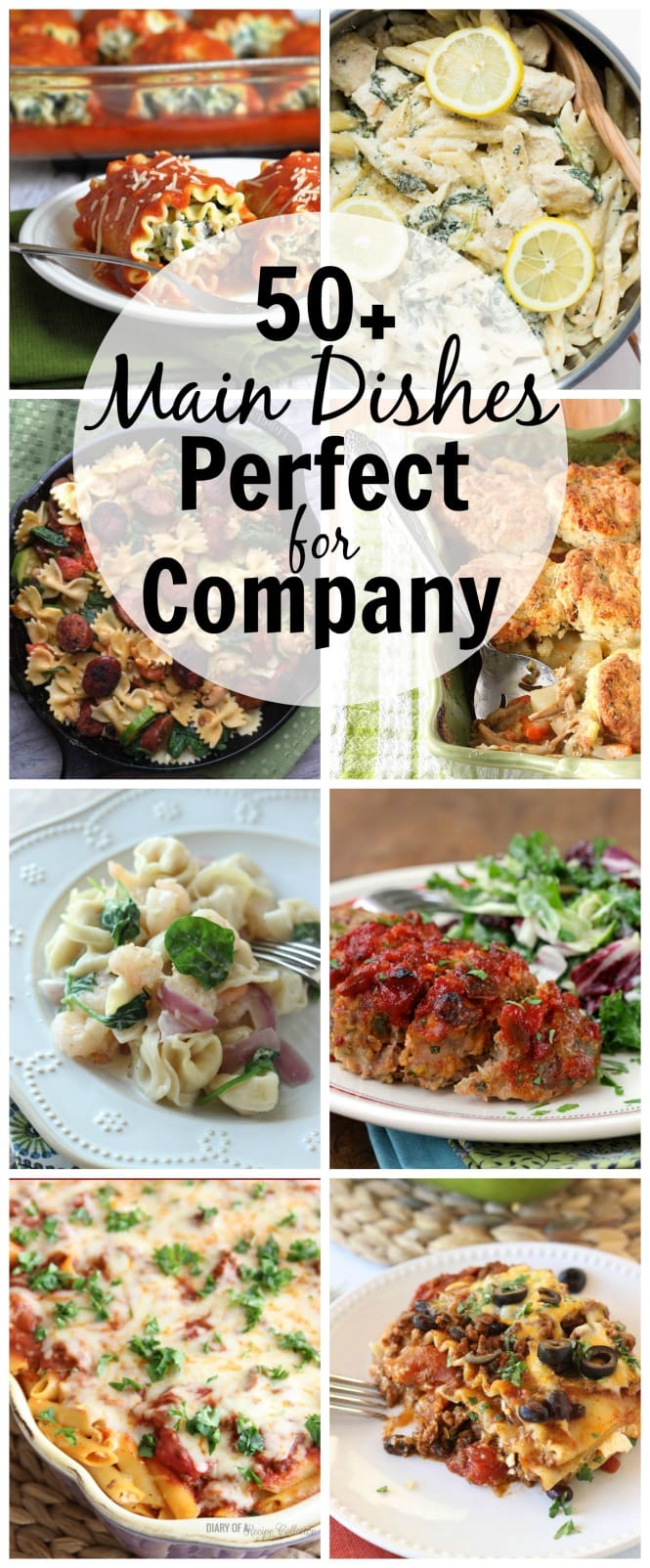
Contemporary movements—plant-forward plates, low-waste nose-to-tail preparations, or cross-cultural mash-ups—can energize a menu when used as accents rather than gimmicks. Introduce one “talker” course, such as a miniature bao filled with slow-braised local greens, to spark curiosity while keeping the remaining dishes comfortably familiar.
Innovation in Presentation
Visual storytelling matters. A monochrome palette on one course, followed by a burst of edible petals on the next, guides the eye and refreshes attention. Simple height—say, a crisp shard of sourdough balanced across a silky soup—adds theatre without extra cost or complexity.
The Psychological Impact of Food
Creating a Memorable Experience
Flavor triggers emotion. Gentle umami notes (a mushroom consommé) promote savoring and slow conversation, while a bright citrus interlude can re-energize a room after lengthy speeches. Sequence dishes so that richness is followed by relief, mirroring the natural rhythm of an engaging evening.
Building Trust and Rapport
A menu that visibly accommodates varied needs—clear icons for gluten-free, dairy-free, or halal choices—removes social friction. When every guest can partake without drawing attention, the table becomes neutral ground where dialogue flows more freely.
Case Studies and Expert Insights
Case Study: The Annual Sales Conference
At a recent multinational gathering, organizers replaced a standard buffet with small sharing plates inspired by five regions where the firm operates. Each station paired a bite-sized signature item with a short story card: origin, spice profile, and suggested beverage. Attendees naturally mixed while queueing, turning the meal into an ice-breaker that outperformed the scheduled networking session.
Expert Insights
A seasoned hospitality consultant notes, “Taste is only the final checkpoint; the journey starts with anticipation. Reveal courses gradually, keep lighting warm, and plate with enough space for the food to breathe—guests relax, and conversation follows.”
Conclusion
Designing recipes for a company dinner is equal parts empathy and artistry. By honoring seasonality, weaving in restrained innovation, and choreographing emotional cadence, organizers transform sustenance into strategy. A well-paced, inclusive menu lingers in post-event emails and becomes shorthand for a culture that pays attention to detail—and to people.
Recommendations and Future Research
Continued exploration could track how shared sensory experiences influence long-term collaboration metrics. Meanwhile, technology from smart inventory tools to augmented-reality wine pairings is poised to refine personalization without adding service friction. For immediate impact, planners are encouraged to:
1. Collect discreet preference data early and translate it into color-coded place cards or an elegant printed key.
2. Pilot one trend-driven dish in each course, balanced by timeless favorites.
3. Invest in uniform, minimalist plating that highlights texture and color contrast.
4. Sequence flavors to mirror the emotional arc of the program—calm, uplift, resolve—leaving guests satisfied and open to connection.