


Smart Points for Oven-Baked Potato: A Practical Guide
Introduction
Many structured weight-management plans use a point-based system to simplify food choices. One staple that often appears on dinner plates is the humble baked potato. Below, we look at how this everyday vegetable fits into such plans, its general nutritional strengths, and easy ways to enjoy it while staying on track.

Nutritional Snapshot of a Baked Potato
A plain, medium spud baked in its skin offers mostly complex carbohydrates, a modest amount of plant protein, and virtually no fat. It also delivers gut-friendly fiber along with potassium and vitamin C, making it a nutrient-dense option for energy and overall wellness.
Carbohydrates
The potato’s carbs come mainly from starch, which digests gradually and provides steady fuel for muscles and brain. Choosing a baked potato over refined snacks can help curb mid-afternoon crashes and support balanced blood-sugar levels.
Fiber
Fiber keeps digestion running smoothly and promotes a feeling of fullness. One medium baked potato supplies roughly 4 g of fiber—about one-sixth of the daily target for most adults—helping you stay satisfied between meals.
Protein and Fat
While the tuber itself is low in both protein and fat, it pairs beautifully with lean meats, beans, or Greek yogurt to create a complete, balanced plate without excess calories.
Typical Point Value
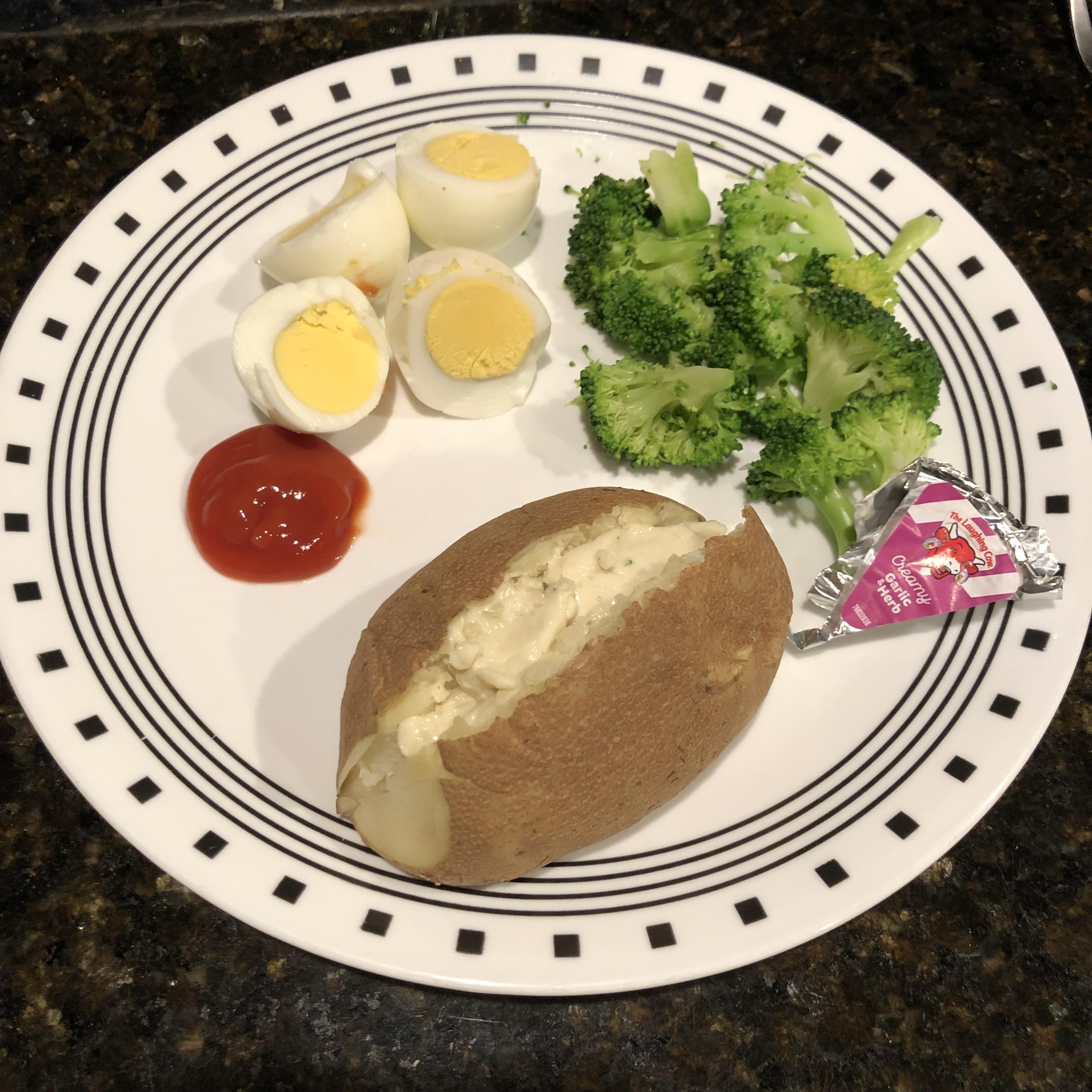
In many point-based programs, a medium baked potato without toppings clocks in at around 5 points. This moderate score leaves room to add flavor through low-point extras such as fresh herbs, steamed veggies, or a spoon of salsa.

Role in Weight Management
Because potatoes are filling and nutrient-rich, they can help control overall calorie intake when portion sizes and toppings are managed wisely. Building meals around satisfying, lower-point foods like baked potatoes often makes it easier to stay within a daily point budget.
Smart Serving Ideas
To keep the meal light yet flavorful:
1. Stick to a medium-sized potato; giant russets can double the points.
2. Swap butter and full-fat sour cream for zero-point additions—think chopped chives, smoked paprika, or a squeeze of lemon.
3. Turn the potato into a balanced bowl: top with grilled chicken strips, black beans, or roasted peppers for extra protein and color.
4. Pre-portion toppings in the kitchen rather than bringing the whole bowl to the table; visual cues help prevent over-pouring.
Conclusion
When prepared simply and paired thoughtfully, a baked potato earns its place in most weight-friendly menus. Its moderate point tally, high satiety factor, and versatility make it an ally rather than an enemy on the journey toward healthier eating habits.
Future Research
More studies could examine how different cooking techniques—air-frying, steaming, or slow-baking—affect satiety and micronutrient retention. Additional data on creative, low-point topping combinations would also help home cooks keep meals exciting without sacrificing progress.
References
General nutrition databases and public health guidelines on fiber, carbohydrate quality, and vegetable intake provided background for the nutrient figures quoted above.

