

The Impact of Meal Time Videos on Family Dynamics and Nutrition Education
Introduction
Sharing a meal has always been more than eating; it is a daily chance for families to connect and learn together. Short cooking clips, food vlogs, and nutrition reels now join the table through phones and tablets. This article looks at how these videos shape conversation, habits, and knowledge at mealtime.

The Rise of Meal Time Videos
Bite-sized clips that show recipes, grocery tips, or fun food facts flourish on major platforms. Parents tune in for quick inspiration, while children enjoy the colorful visuals. Three reasons explain their wide appeal:
– Accessibility: A few taps deliver ideas anywhere, anytime.
– Variety: Content ranges from five-minute lunches to deeper dives on balanced plates.
– Engagement: Comments, likes, and duets turn viewers into an active community.

The Benefits of Meal Time Videos on Family Dynamics
1. Enhanced Communication
Watching a clip together can spark questions, jokes, and stories. A short segment on colorful vegetables might lead everyone to share which salad they liked on holiday, keeping the chat lively and positive.
2. Shared Interests
When a recipe looks doable, kids and adults may head to the kitchen as a team. Stirring, tasting, and plating side by side builds cooperation and pride in the finished dish.

3. Education and Empowerment
Clear visuals demystify terms like fiber or protein, giving families confidence to choose ingredients at the store or market.
The Benefits of Meal Time Videos on Nutrition Education
1. Simplified Nutritional Information
Animations or quick comparisons turn guidelines into memorable scenes, making it easier to recall why whole foods matter.

2. Encouraging Healthy Eating Habits
Seeing a speedy stir-fry packed with greens encourages viewers to recreate it, gradually shifting the weekly menu toward fresher options.
3. Addressing Nutritional Challenges
Channels dedicated to allergies, intolerances, or selective eaters offer swaps and plating tricks that reduce mealtime stress.
The Challenges of Meal Time Videos

1. Quality and Accuracy
Some clips oversimplify or repeat outdated advice. Cross-checking with trusted health resources remains important.
2. Screen Time
If devices dominate the table, eye contact and casual chatter may decline. Setting simple rules—such as one shared video per meal—helps preserve balance.
3. Commercialization

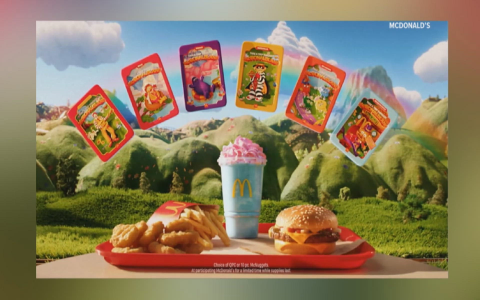
Sponsored posts can push ultra-processed snacks. Reading labels together keeps the focus on real ingredients rather than flashy ads.
Conclusion
Well-chosen videos can enrich conversation, introduce new flavors, and reinforce healthy goals. By selecting accurate content and keeping screens secondary to real interaction, families turn digital inspiration into lasting, positive habits.
Recommendations and Future Research
– Creators should cite reliable sources and highlight balanced plates rich in produce, whole grains, and lean proteins.

– Parents and children can pause clips to discuss what looks tasty, affordable, and practical for their own kitchen.
– Studies could track how repeated exposure to home-cooking videos influences grocery lists and long-term meal patterns.
Following these steps will help mealtime screens serve as helpful guests rather than distracting intruders.


