

Mexican Restaurant Smart Dining: A Practical Guide to Lighter Choices
Introduction
Mexican menus burst with color, spice, and fresh produce, yet generous portions and rich toppings can challenge anyone watching their waistline. This guide shows how to enjoy authentic flavors while keeping your wellness plan on track. We will look at what goes into classic dishes, swap in lighter ingredients, and share simple portion tricks you can use tonight.
Nutritional Aspects of Mexican Cuisine
Traditional recipes rely on tomatoes, beans, peppers, and corn—foods packed with fiber, vitamins, and antioxidants. Cheese, crema, and refried beans cooked in lard can tip the scale, so knowing how each part adds up helps you build a balanced plate.
Common Ingredients and Their Nutritional Value
1. Corn: Whole kernels and soft tortillas supply energizing carbs and gut-friendly fiber; keep servings modest to hold calories in check.
2. Beans: Black or pinto beans deliver plant protein and slow-burn carbs with almost no fat; rinse canned beans to trim sodium.
3. Avocado: A spoonful lends creamy texture plus heart-smart fats; a little goes a long way.
4. Tomatoes: Fresh or fire-roasted, they add juicy flavor for minimal calories and a solid dose of vitamin C.
5. Chili Peppers: Capsaicin gives peppers their heat and may give metabolism a gentle nudge.
Popular Mexican Dishes and Lighter Tweaks
1. Tacos

Choose soft corn tortillas, lean grilled protein, and crunchy slaw. Finish with salsa instead of shredded cheese and you keep the fiesta without the extra fat.
2. Burritos
Start with a whole-grain wrap, spoon in beans and grilled veggies, add a sprinkle of cheese, then fold tight. Skip the foil-boat size—order the small or share.
3. Quesadillas
Use one whole-wheat tortilla and crisp it in a hot skillet with cooking spray. Fill with veggies and a light layer of reduced-fat cheese; serve with pico de gallo rather than sour cream.

4. Enchiladas
Roll corn tortillas around shredded chicken and spinach, top with roasted tomato sauce, and bake. A thin layer of cheese on top melts beautifully without drowning the dish.
Tips for Making Healthier Choices at Mexican Restaurants
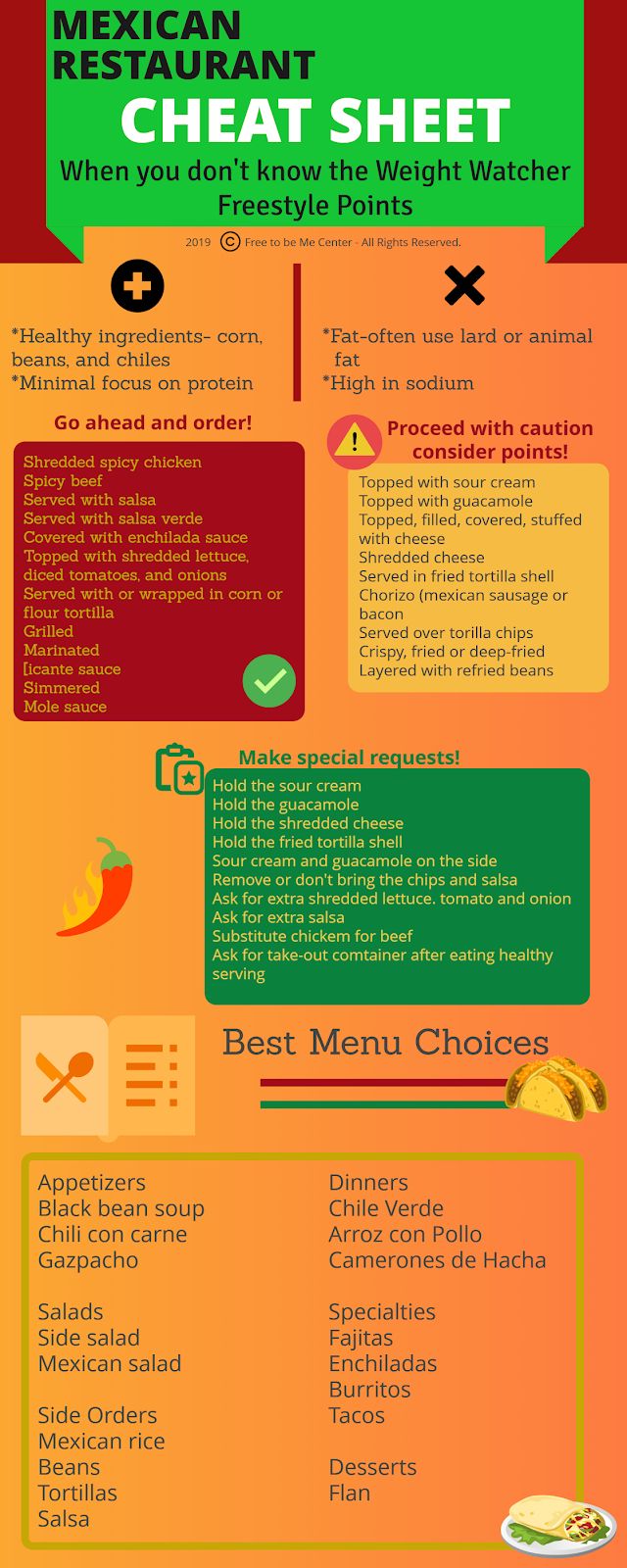
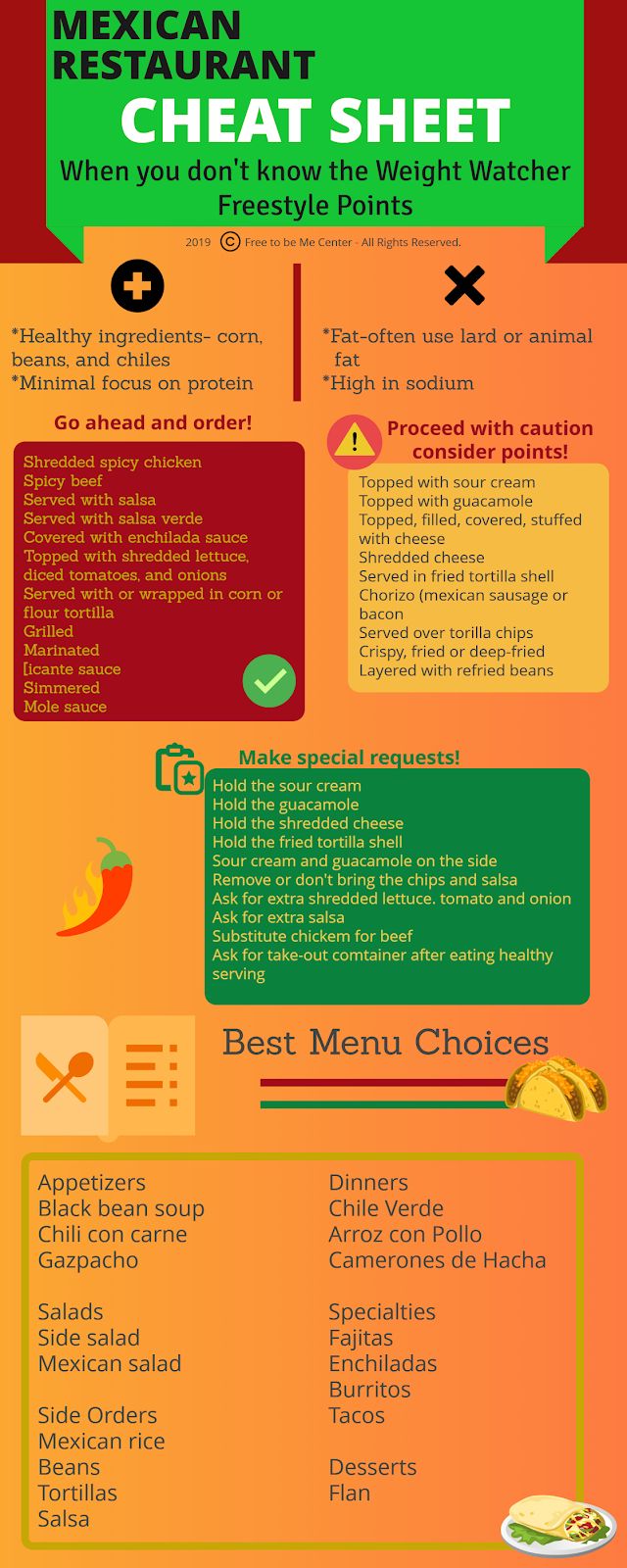
1. Pick Lean Proteins: Look for grilled fish, shrimp, or skinless chicken; ask for sautéed rather than deep-fried.
2. Swap in Whole Grains: Whole-wheat or blue-corn tortillas add fiber and a nutty taste.
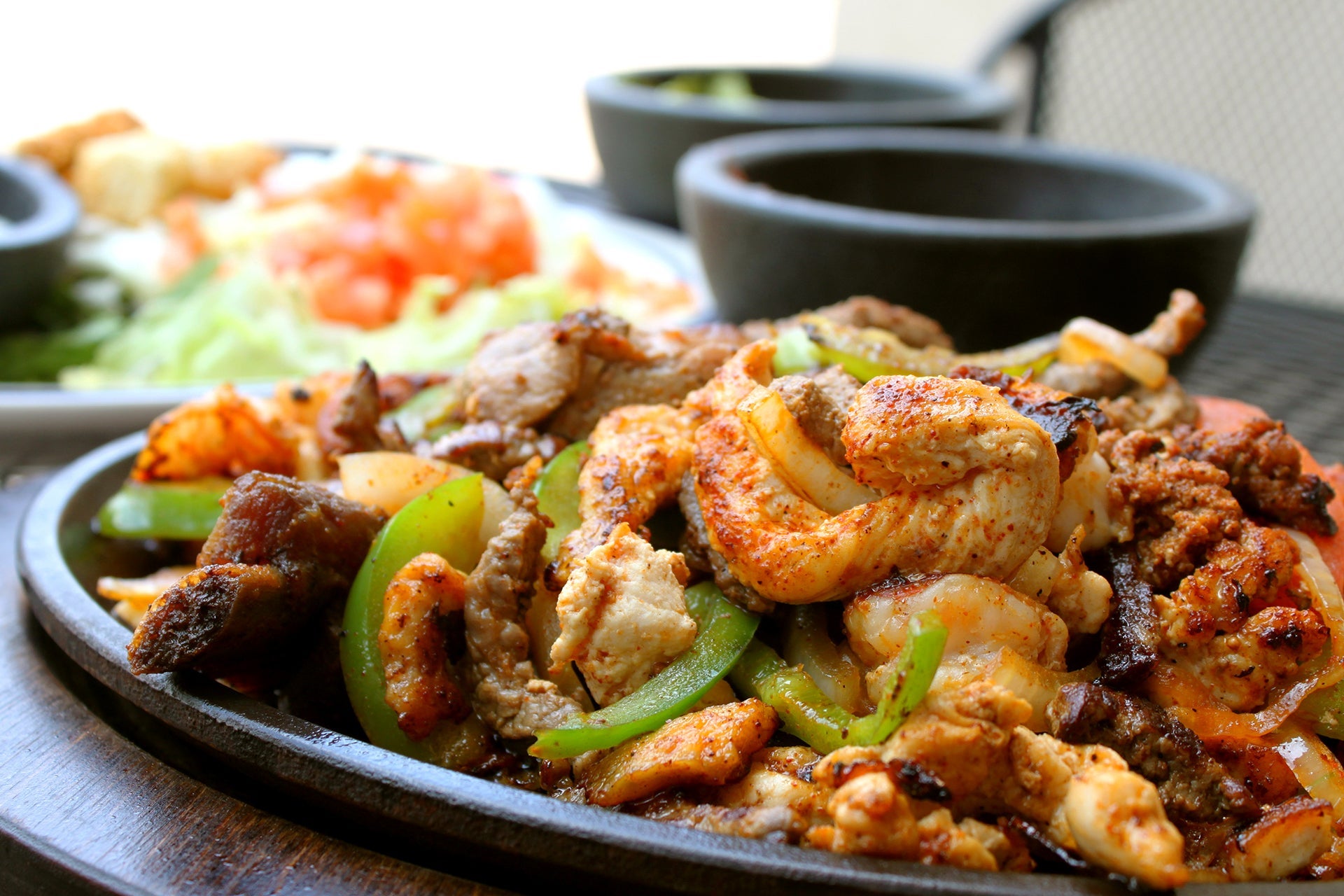
3. Pile on Veggies: Lettuce, tomatoes, onions, peppers, and cilantro add volume and nutrients for almost zero calories.
4. Use Toppings Wisely: Treat cheese, sour cream, and guacamole as garnishes, not the main event.
5. Request Sauces on the Side: You control how much smoky salsa verde or rich mole lands on your plate.
6. Watch the Chips: Ask the server to leave the basket off the table or count out a small handful, then stop.
The Importance of Portion Control
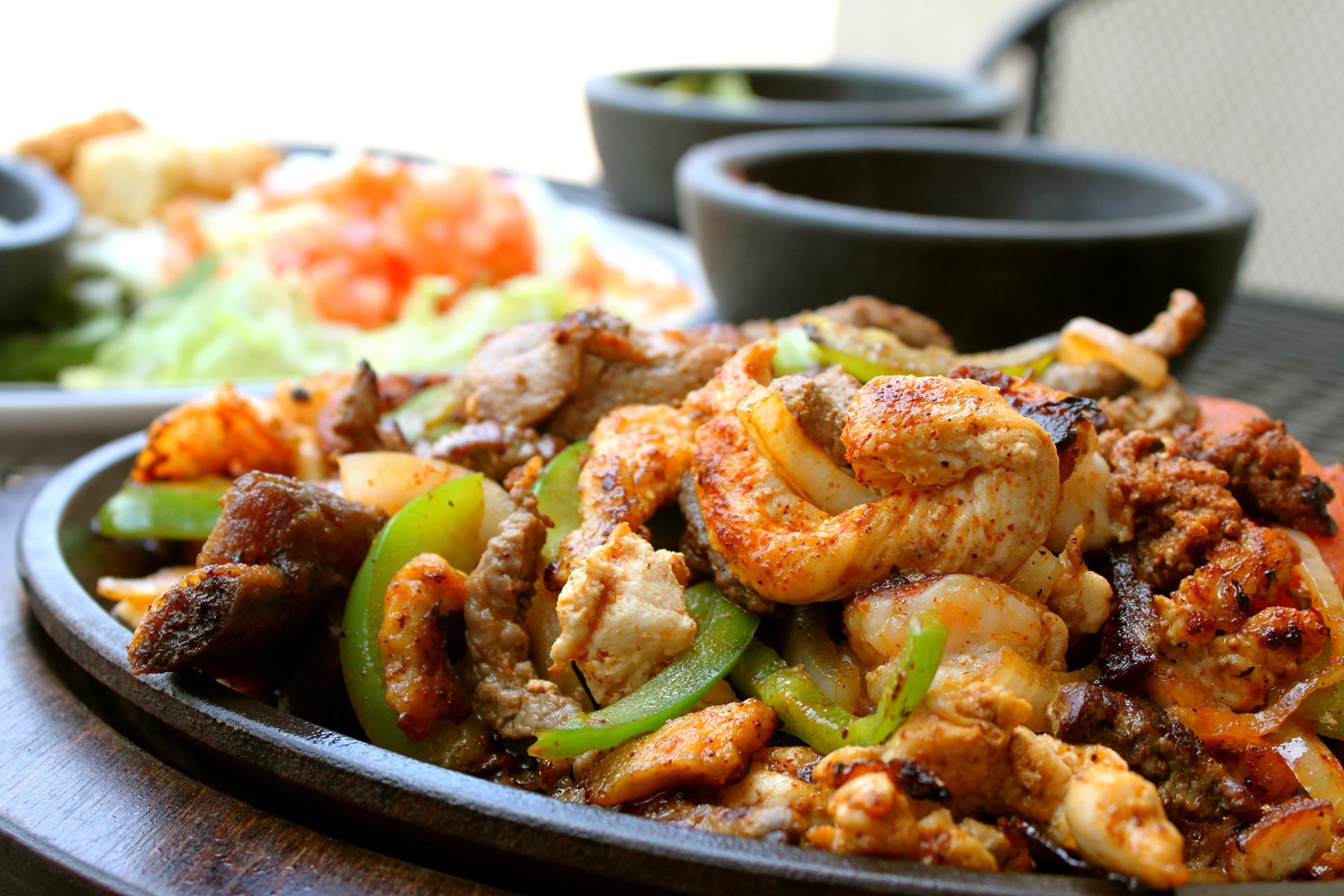
Restaurant platters often hold enough for two. Set aside half the meal up front, share with a friend, or box it for tomorrow’s lunch. Eating slowly and pausing midway lets you notice when you’re satisfied, not stuffed.
Conclusion
With a few mindful swaps—lean proteins, whole grains, fresh produce, and modest toppings—you can savor the zest of Mexican cooking while staying aligned with your health goals. Enjoy the flavors, respect the portions, and every restaurant visit can feel like a celebration, not a setback.
Future Research
Chefs and nutritionists could team up to design menu icons that highlight veggie-forward, lower-calorie plates. Studies tracking diners who choose these options might reveal how small menu nudges support long-term weight management without dulling the culinary experience.



