

Title: What to Cook with My Ingredients: A Comprehensive Guide to Utilizing Your Pantry
Introduction:
Cooking is an art that rewards curiosity, a little know-how, and a pantry that’s ready for action. Yet when every shelf seems full, deciding what to make can still feel daunting. This guide walks you through simple ways to turn whatever you have on hand into balanced, tasty meals without extra trips to the store. You’ll pick up tricks for inventory, menu planning, and flavor pairing that make daily cooking faster, cheaper, and a lot more fun.
Understanding Your Ingredients
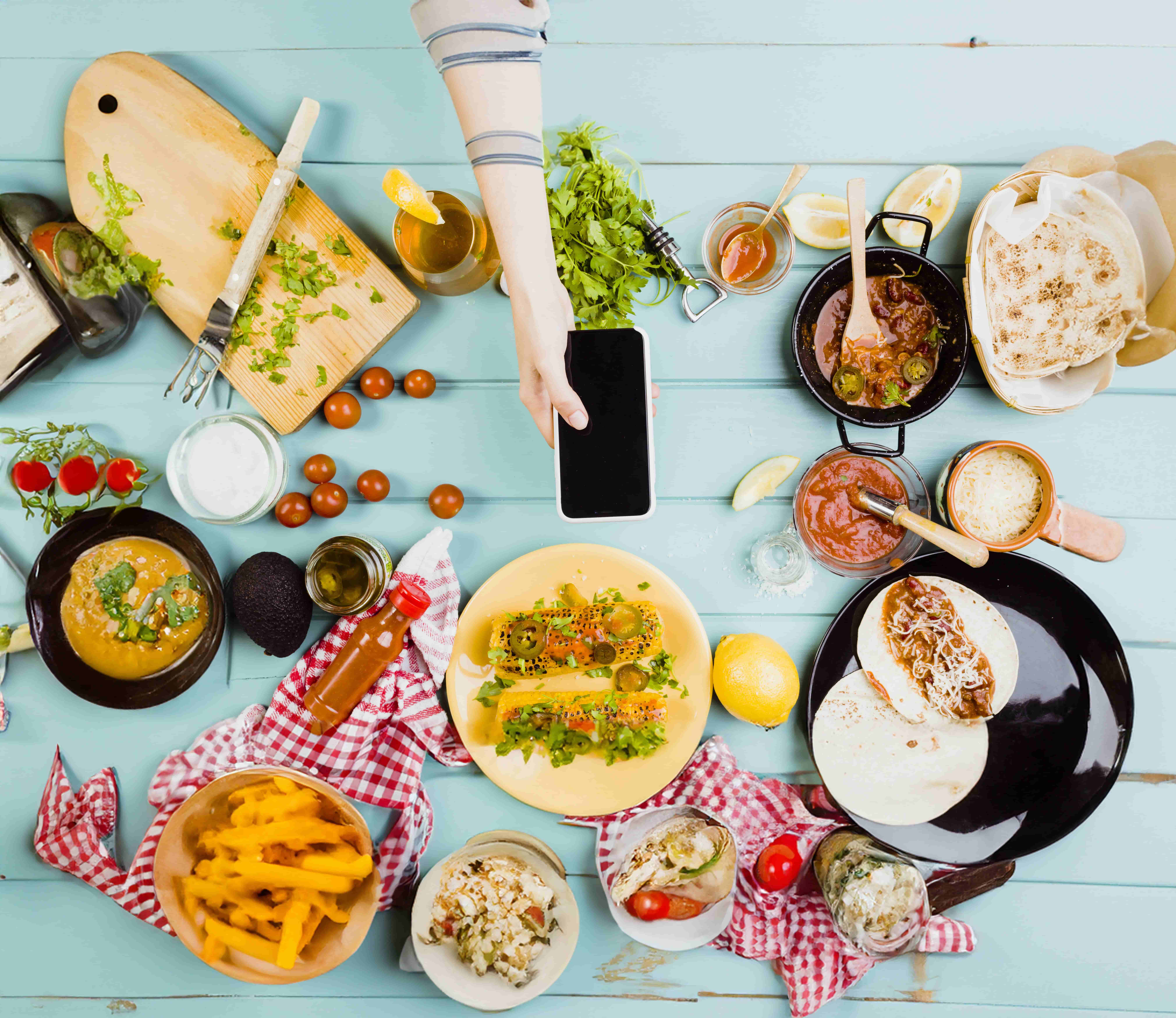
Start by surveying your shelves. Group foods into three broad bands: long-lasting staples, seasonings, and fresh items that need using soon. A quick list—on paper or your phone—shows what you actually own and sparks ideas before you ever open the fridge.
Staple Items
Think of grains, pasta, canned pulses, and flours as the quiet heroes of the kitchen. They wait patiently and step in as the base for soups, salads, skillet meals, or even quick breads. A single cup of rice, for instance, can become coconut-milk curry one night and stuffed peppers the next.
Spices and Herbs
A small collection of dried spices and hardy fresh herbs multiplies flavor without extra calories or cost. Warm notes such as cumin, paprika, and cinnamon pair naturally with beans and roasted veg, while brighter accents like parsley, dill, or lime zest wake up eggs and yogurt sauces. Taste as you go; a pinch can shift a dish from flat to vibrant.
Perishables
Fresh produce, dairy, and proteins move to the front of the line. Plan meals that celebrate the most delicate items first—soft greens in a Monday soup, ripe tomatoes in a Tuesday salsa—then move on to sturdier carrots, cabbage, or cheese later in the week. You’ll toss less and enjoy more.
Meal Planning
Sketch a loose five-day map. Note one core ingredient per day and build around it: Monday lentils, Tuesday tortillas, Wednesday noodles. Overlapping parts—onions, garlic, citrus—get prepped once and used twice, cutting both waste and effort.
Recipe Inspiration
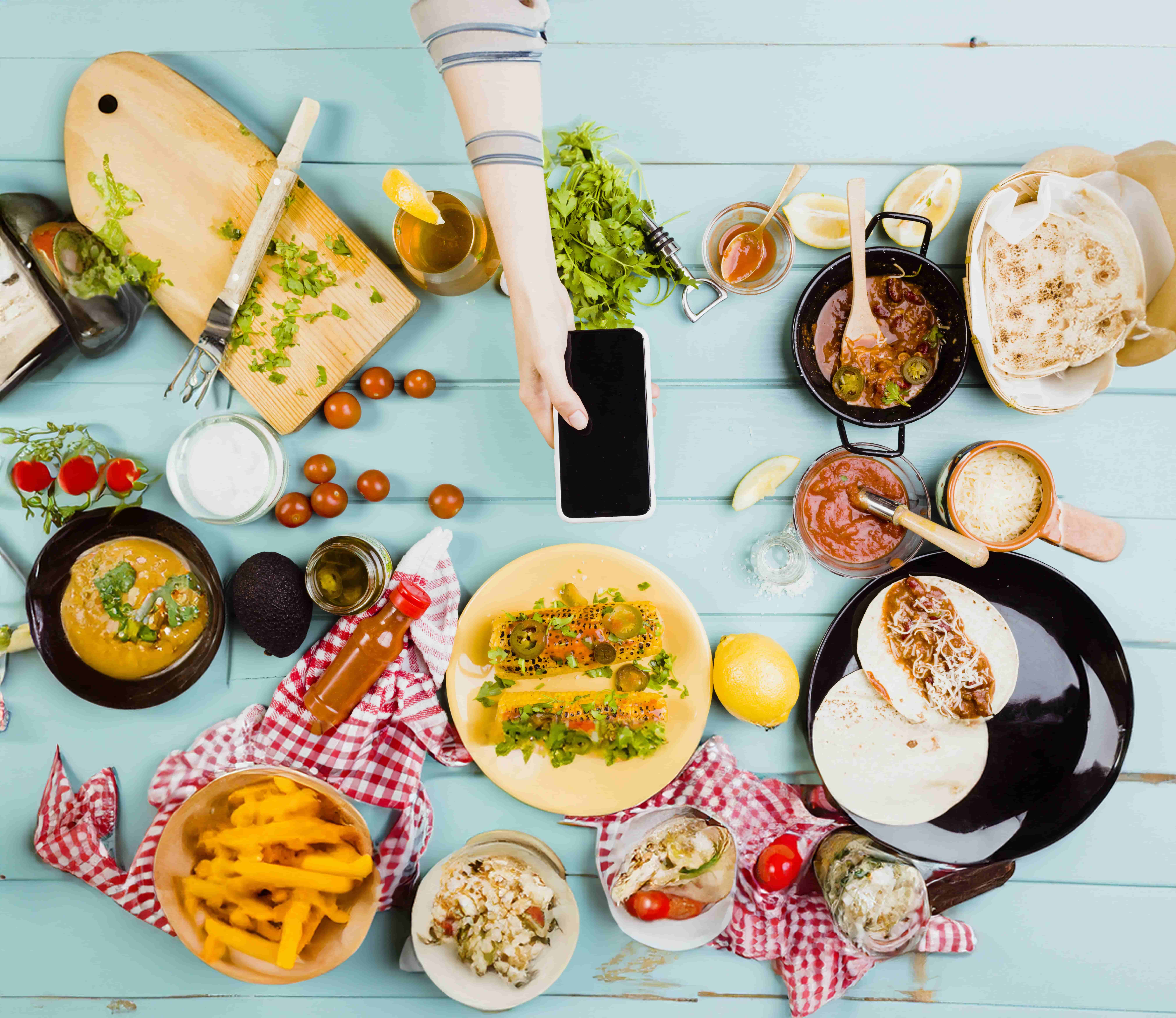
When imagination stalls, search by ingredient rather than dish. Type “broccoli + chickpea” into any reliable site or app and you’ll land on curries, bakes, or salads you hadn’t considered. Save the ones that use mostly what you own; ignore anything that demands a specialty purchase.
Adapting Recipes
Missing an item is normal. Swap grains freely—farro for rice, couscous for quinoa. Use water plus a splash of soy sauce instead of broth, yogurt thinned with lemon instead of buttermilk. Treat recipes as flexible templates and your creativity will grow every time you substitute.
Cooking Techniques
Master a handful of methods and everything else falls into place. Roast vegetables at high heat for caramel sweetness. Sauté aromatics low and slow for depth. Finish soups with a squeeze of acid to brighten flavors. These small moves turn humble ingredients into plates you’ll crave.
Storage and Organization
Keep dry goods in airtight jars away from heat and sunlight. Label with blue painter’s tape and a marker—date and name—so older packages move forward first. Reserve one “use-me” basket in the fridge for items on their last day of peak freshness; you’ll spot them before they fade.
Conclusion:
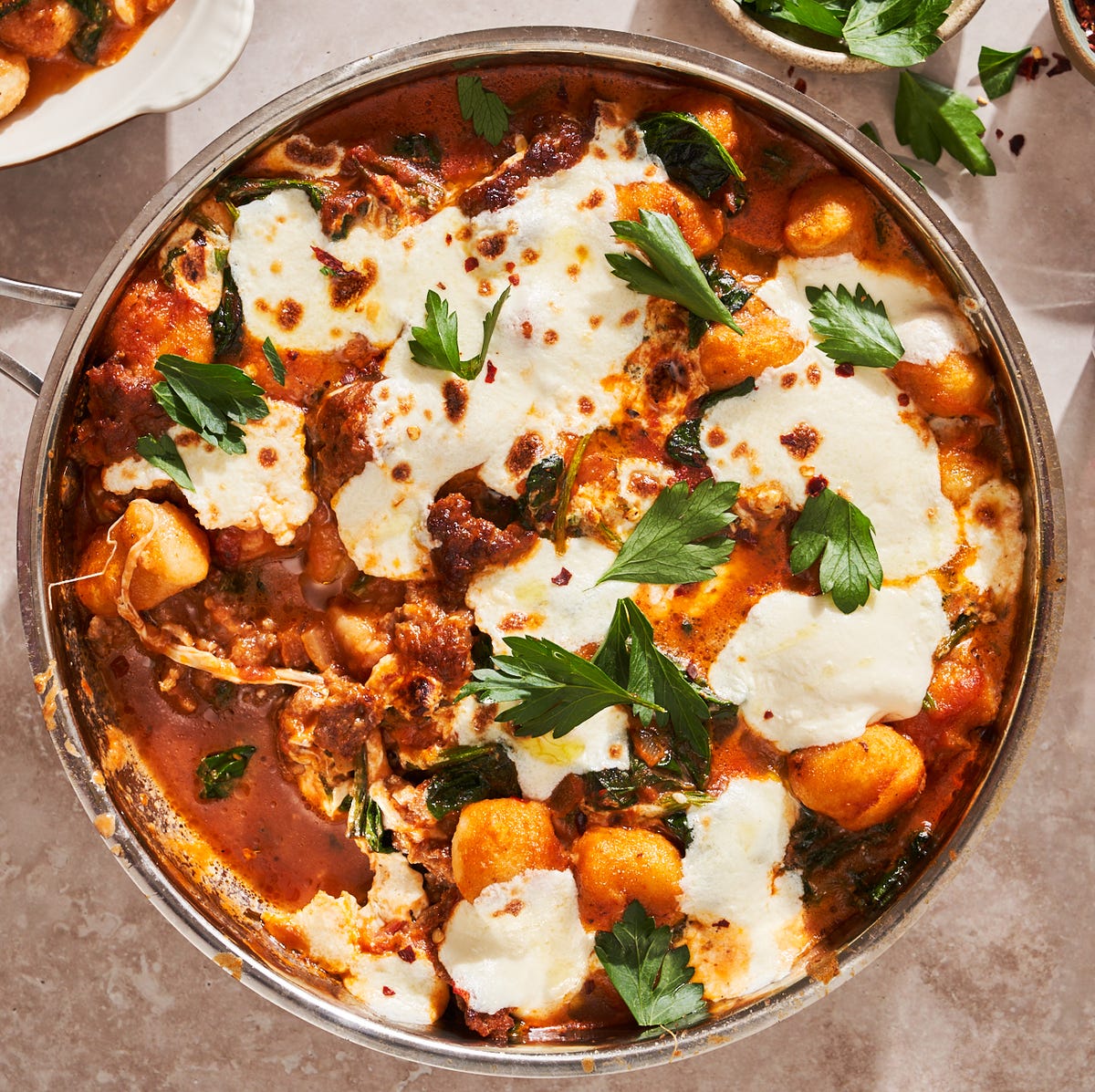
A mindful pantry is like a well-curated playlist: everything there deserves a turn. Check what you have, plan a few flexible meals, and stay playful with spices and techniques. Over time you’ll cook faster, waste less, and turn even the humblest can of beans into dinner worth sharing.


