

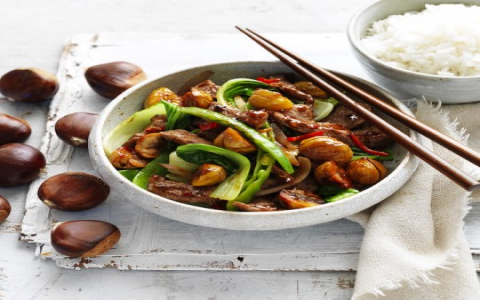
The Versatile Chestnut: A Delightful Ingredient in Recipes
Introduction
Chestnuts, often overlooked in the culinary world, are a nutritious and versatile ingredient that can elevate any dish. Known for their sweet, nutty flavor and tender texture, chestnuts are a delightful addition to a wide range of recipes. In this article, we will explore the benefits of using chestnuts in various dishes, discuss popular chestnut recipes, and provide insights into the history and cultural significance of this unique ingredient.
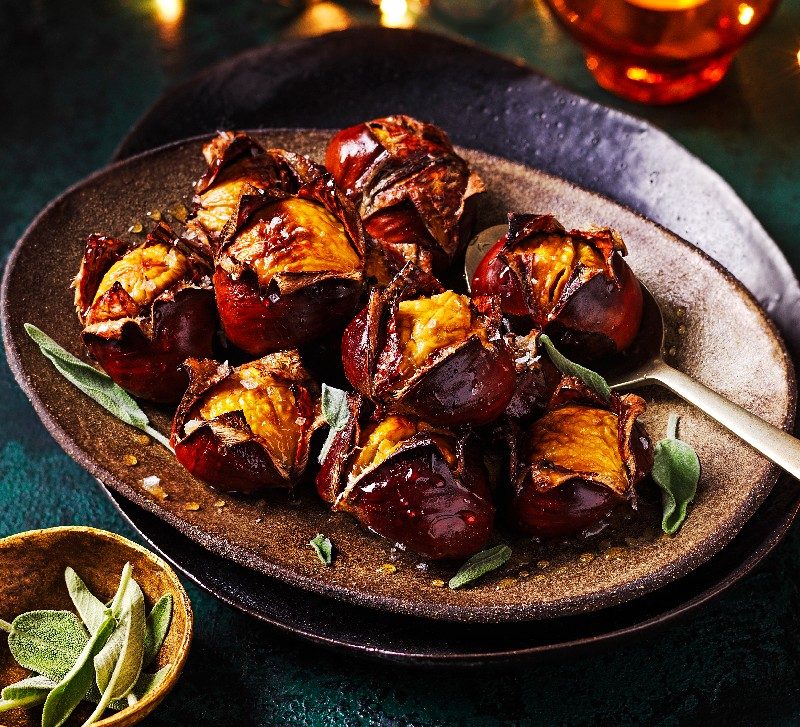
Nutritional Benefits of Chestnuts
Chestnuts are an excellent source of energy, providing a high amount of carbohydrates, making them a perfect food for endurance athletes. They are also rich in fiber, vitamins, and minerals, including vitamin C, potassium, and magnesium. According to a study published in the Journal of Food Science, chestnuts have a low glycemic index, making them a suitable food for individuals with diabetes or those looking to maintain stable blood sugar levels.
Popular Chestnut Recipes
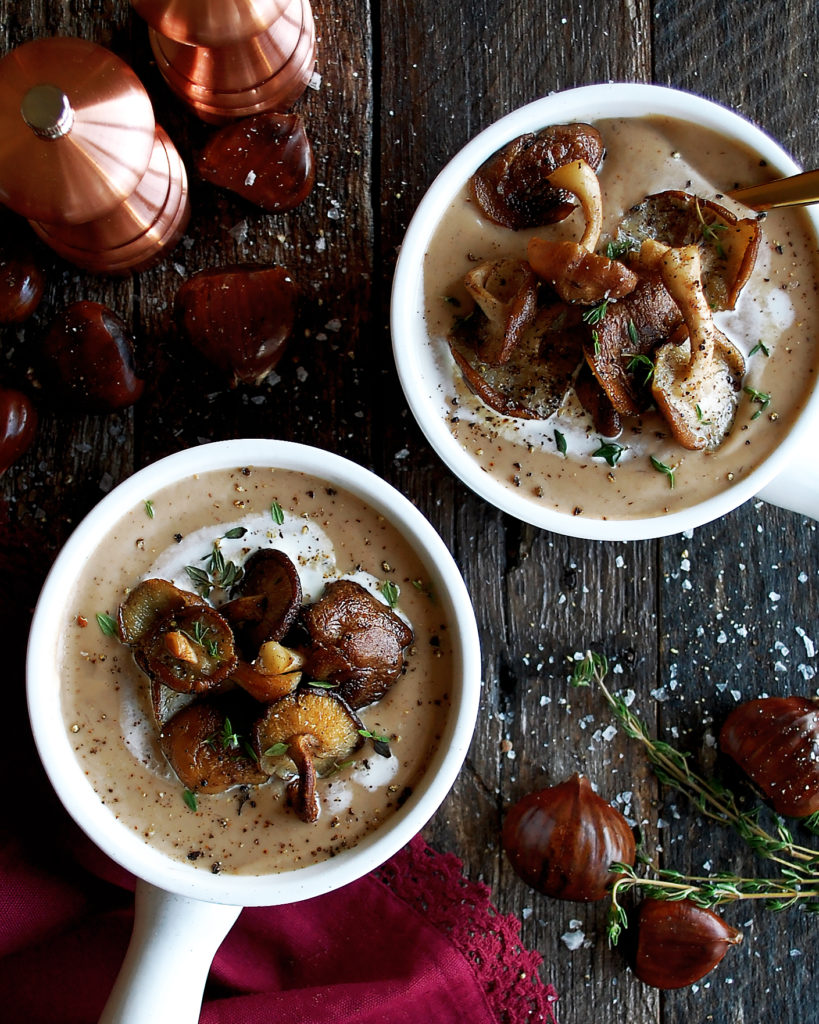
1. Chestnut Soup
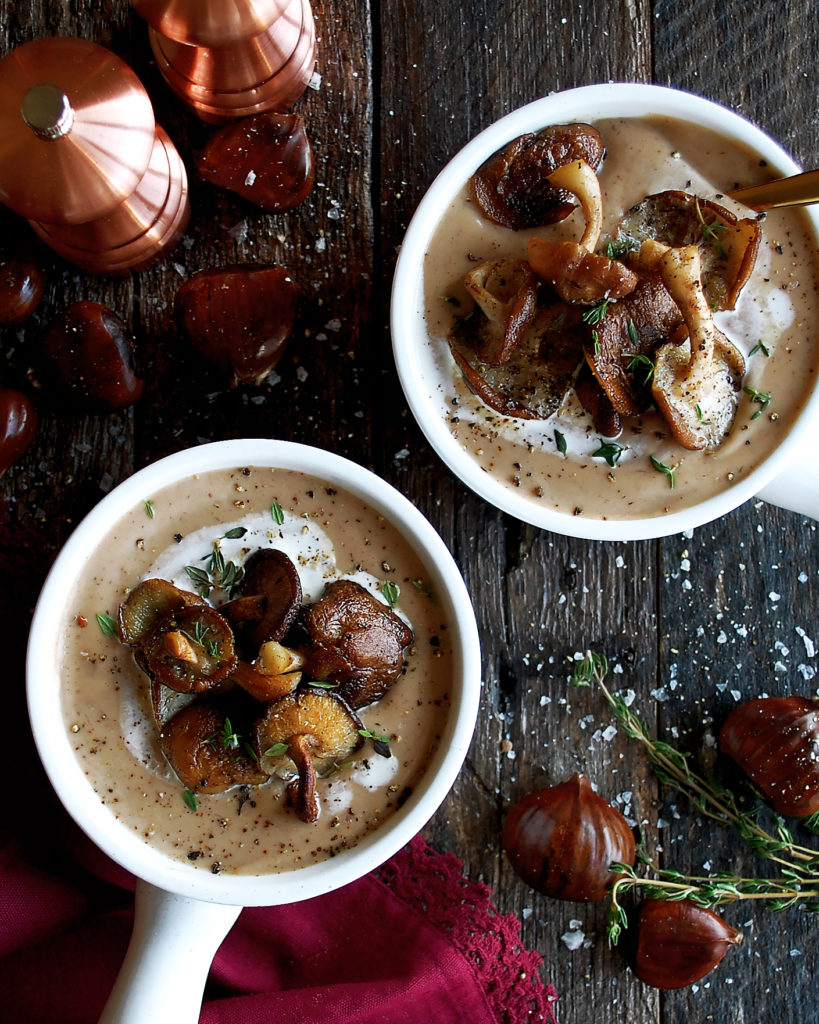
Chestnut soup is a classic dish that has been enjoyed for centuries. This creamy, savory soup is made by simmering chestnuts, onions, garlic, and herbs until tender. The soup is then pureed and seasoned with salt, pepper, and a touch of nutmeg. Chestnut soup is perfect for a cold winter day and can be served with a slice of crusty bread.
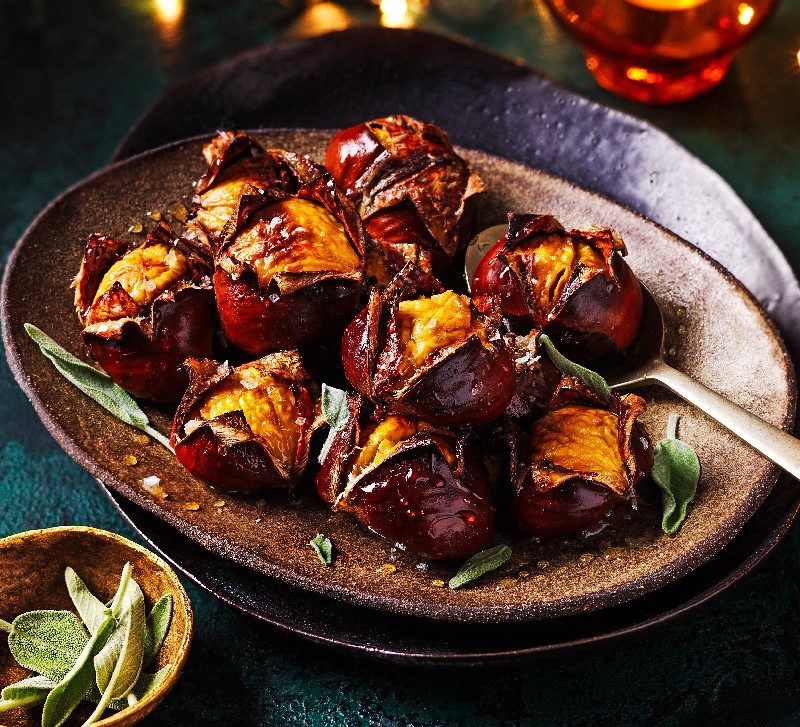
2. Roasted Chestnuts
Roasting chestnuts is a simple yet delicious way to enjoy their natural flavor. To roast chestnuts, make a cross on the flat side of each chestnut with a sharp knife. Place the chestnuts in a baking dish and roast them in a preheated oven at 400°F (200°C) for about 20 minutes, or until the shells are brown and the nuts are tender. Once roasted, the shells can be easily peeled off, revealing the sweet, tender meat inside.
3. Chestnut and Mushroom Risotto
Chestnut and mushroom risotto is a rich, comforting dish that combines the earthy flavors of mushrooms with the sweet, nutty taste of chestnuts. To make this dish, sauté onions and garlic in butter, then add Arborio rice and cook until translucent. Add a mixture of chestnuts, mushrooms, and chicken broth, and continue to cook, stirring frequently, until the rice is al dente. Finish the dish with grated Parmesan cheese and a drizzle of olive oil.
History and Cultural Significance
Chestnuts have been cultivated for thousands of years and have played a significant role in the history and culture of many societies. In ancient Rome, chestnuts were considered a delicacy and were often served at banquets. During the Middle Ages, chestnuts became a staple food for the poor, as they were abundant and easy to grow.
In Italy, chestnuts are a symbol of prosperity and good luck, and are often used in festive dishes, such as the famous chestnut cake known as castagnaccio. In France, chestnuts are a key ingredient in the traditional dish moules marinières aux châtaignes, which combines chestnuts with mussels and white wine.
Conclusion
Chestnuts are a unique and nutritious ingredient that can add depth and flavor to a wide range of dishes. From soups and risottos to roasted chestnuts and festive cakes, chestnuts have a rich history and cultural significance that makes them a delightful addition to any kitchen. By incorporating chestnuts into your cooking, you can enjoy their sweet, nutty flavor and the numerous health benefits they offer.
Future Research
Further research on the nutritional properties of chestnuts and their potential health benefits is essential. Additionally, exploring the culinary possibilities of chestnuts in various cuisines around the world can help to expand their popularity and usage. By doing so, we can continue to appreciate the versatility and deliciousness of this unique ingredient in recipes with chestnuts.

