The Art and Science of Cheese: A Visual Journey into Cheese Imagery
Introduction
Cheese, a beloved dairy creation with centuries of tradition, continues to delight taste buds across continents. A thoughtfully captured cheese image invites viewers to explore the vast universe of textures, aromas, and stories hidden within each wheel or wedge. This article uses such imagery as a lens to examine how cheese is crafted, appreciated, and woven into culinary culture.
The Production of Cheese
Historical Perspective
Ancient murals and early writings hint that simple cheeses were already being prepared thousands of years ago, when herders noticed that milk could coagulate and preserve naturally. Early visuals often show basic vessels and cloth wrappings, illustrating the humble beginnings of what would become a global passion.
Modern Techniques
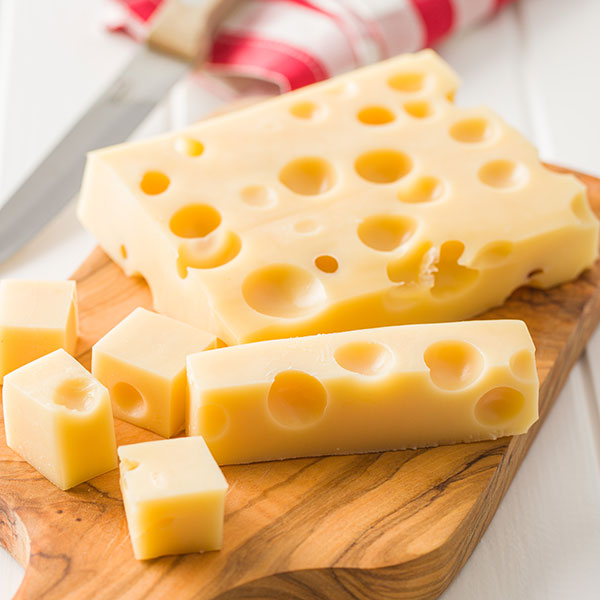
Contemporary photographs reveal pristine vats, precise temperature controls, and the careful addition of cultures and coagulants. These modern steps—captured in sharp detail—highlight how science refines flavor, ensures safety, and allows artisans to repeat their favorite recipes with remarkable consistency.
The Cheese Image: A Visual Language
Color and Texture
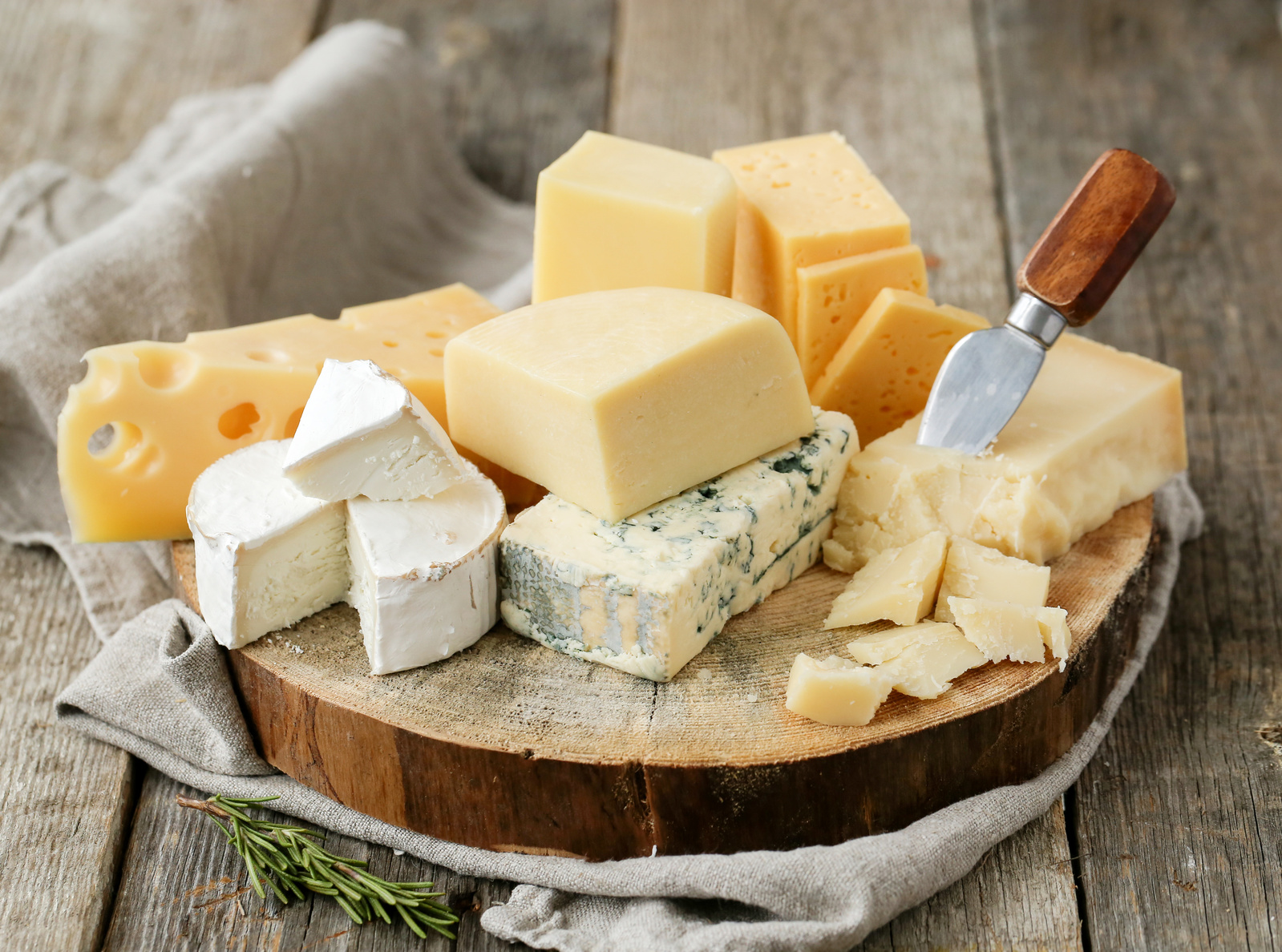
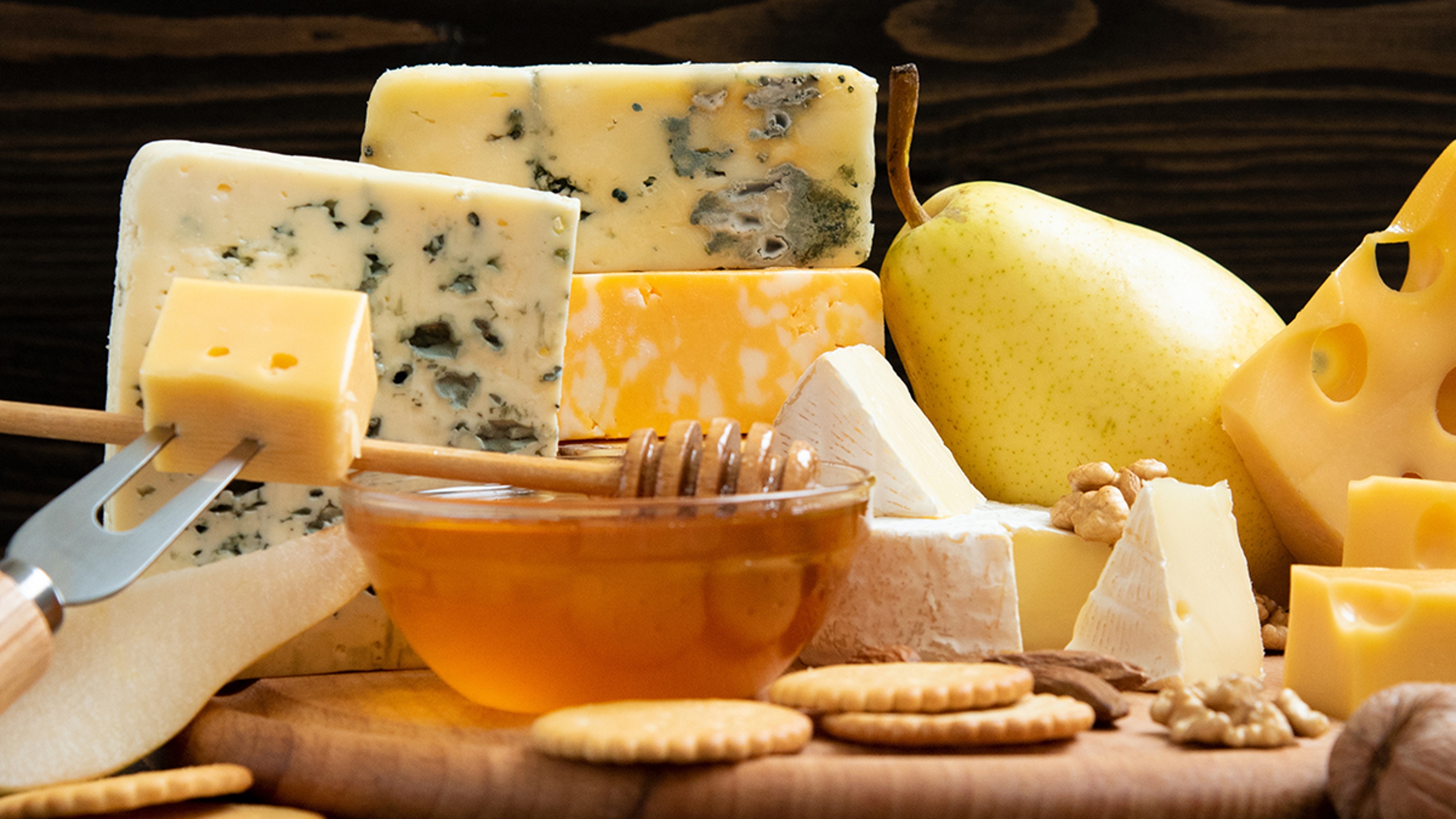
From the snowy bloom of a soft-ripened round to the amber crystals lining a well-aged wedge, color and texture speak first in any cheese photograph. Visual cues hint at creaminess, crumbliness, or crystalline crunch, guiding chefs and shoppers toward the perfect choice for a cheeseboard or recipe.
Shape and Size
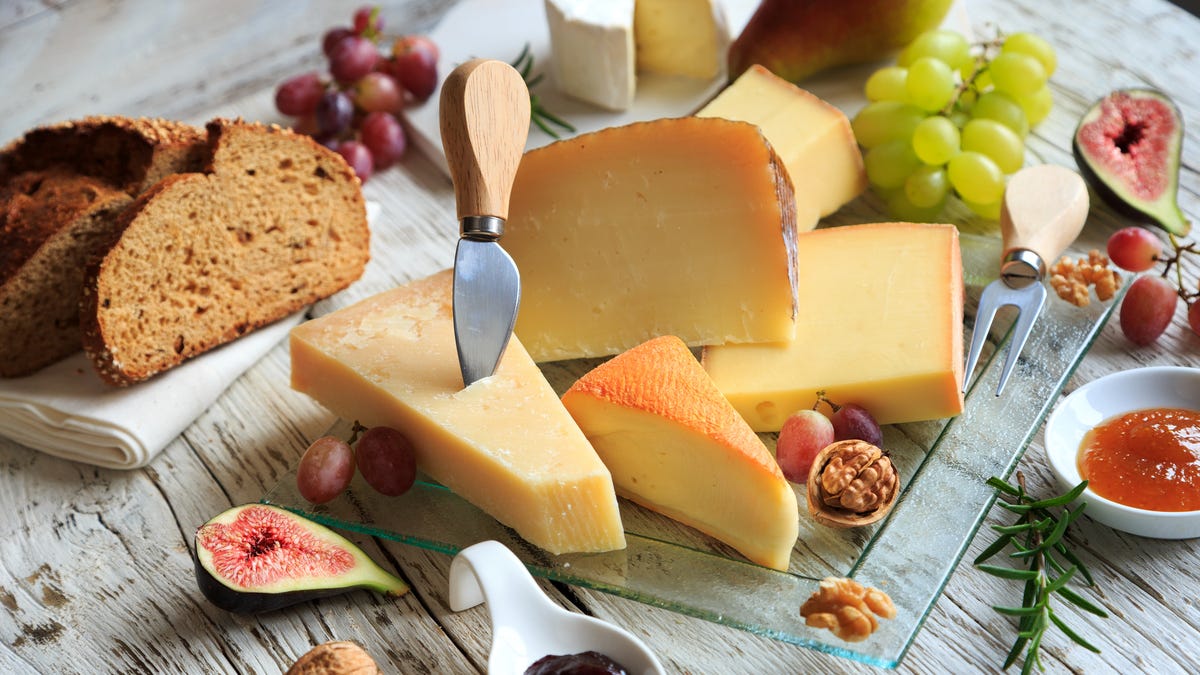
Images also celebrate variety in form: tall cylinders, squat discs, neat squares, or playful pyramids. These shapes influence how a cheese matures, how moisture escapes, and how flavors concentrate—facts silently communicated in a single frame.
The Flavor Spectrum
Flavor Development
A close-up shot of a blue-veined wheel or a supple, washed-rind wheel suggests the complexity within. Microbes, aging time, and milk type collaborate to create profiles ranging from gently buttery to boldly pungent, and a well-taken picture can almost let the viewer taste these differences.
Cultural Significance
Regional portraits of market stalls and farmhouse tables reveal how deeply cheese is rooted in local identity. Whether it is a smoky specialty cherished in mountain villages or a fresh curd celebrated in coastal towns, each image narrates a community’s heritage and pride.
Cheese in the Kitchen
Pairing Cheese with Foods
Photographs of cheese beside fruit, bread, or wine inspire harmonious combinations. Visual suggestions—nuts nestling near a nutty Alpine wheel, or berries circling a tangy fresh cheese—offer practical ideas for both casual meals and elegant entertaining.
Cheese as Culinary Art
Stylized shots of patterned platters and meticulous garnishes show cheese as an edible medium. Careful lighting and composition elevate simple wedges into centerpieces, reminding viewers that presentation can be as pleasurable as flavor.
Conclusion
A compelling cheese image is more than a pretty picture; it is a silent teacher, revealing craft, culture, and creativity. By pausing to study these visuals, enthusiasts gain a deeper respect for the artisans, landscapes, and traditions behind every slice.
Recommendations and Future Exploration
To continue learning, consider focusing on:
1. How milk composition and microbial cultures shape final taste and feel.
2. Sustainable practices that reduce environmental impact across cheesemaking.
3. Evolving roles of classic and innovative cheeses in global and fusion cuisines.
Exploring these themes will enrich appreciation for the timeless yet ever-changing world portrayed in each cheese photograph.