


The Influence of Food on Society and Culture
Introduction
Food is far more than fuel; it shapes identities, economies, and daily rituals. Across every culture, the way ingredients are chosen, prepared, and shared reveals values, histories, and hopes. This overview traces how food quietly guides nutrition, social life, economic patterns, and inherited traditions, reminding us that each meal is a small act with large consequences.

The Nutritional Dimension of Food
Nutrients and Well-being
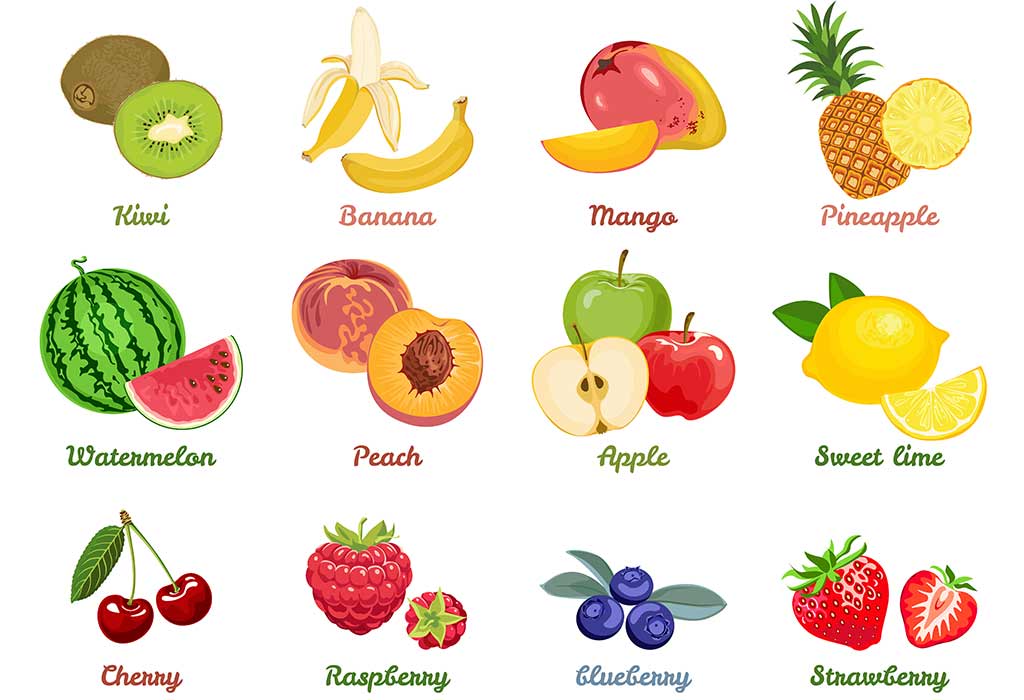
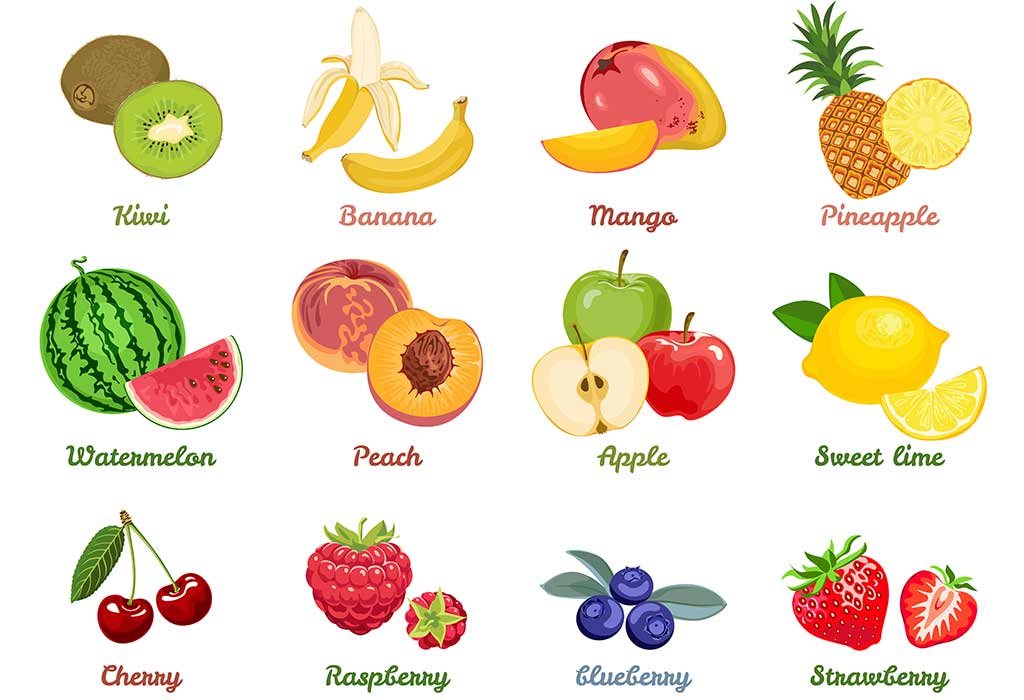
Every dish delivers a unique package of vitamins, minerals, proteins, fats, and carbohydrates. Consistently choosing a wide, colorful range of these elements supports immunity, mental clarity, and long-term vitality, whereas repetitive, narrow diets can leave the body vulnerable.
Global reports continue to show that both under-nourishment and over-nourishment strain health systems, underscoring food’s central role in personal and collective wellness.
Food as Preventive Care

Long before capsules, kitchens served as pharmacies. Ingredients such as turmeric, berries, oily fish, and fermented vegetables are celebrated for properties that may calm inflammation, balance gut bacteria, or reinforce natural defenses, encouraging a view of meals as daily opportunities for gentle self-care.
Social Connections around Food
Sharing the Table
Whether a weekday dinner or a harvest celebration, eating together slows time, invites conversation, and knits individuals into groups. The simple gesture of offering a bite often communicates trust more powerfully than words.
Cuisine and Belonging
Recipes whisper ancestry. Spices carried across oceans, breads risen in mountain villages, or teas steamed on misty mornings all carry stories that tell people who they are and where they come from, anchoring communities in a rapidly changing world.
Food within Economic Systems
Farming and Livelihoods
Agriculture remains one of humanity’s largest employers, linking soil, weather, seed, and skill to wages, trade routes, and market prices. Decisions made on a single farm can ripple through global supply chains, influencing everything from land use to urban food costs.
Access and Stewardship
Enough safe, nourishing food for everyone is still an unfinished goal. Balancing productivity with soil health, water conservation, and fair labor practices is essential to keep future generations fed without exhausting the planet.
Food as Living Heritage
Time-honored Dishes
Grandmothers’ stews, festival sweets, and ceremonial breads act as edible manuscripts, preserving dialects, rituals, and memories. Protecting these preparations is akin to safeguarding endangered languages, maintaining diversity in a globalizing palate.
Culinary Innovation

Tradition is not static. New tools, travel, and curiosity constantly remix ingredients, creating hybrid plates that respect the past while tasting of tomorrow. Such evolution keeps cuisines vibrant and encourages respectful cultural exchange.
Food in Contemporary Life
Speed and Convenience
Ready meals and quick-service outlets fit hectic schedules, yet often rely on salt, sugar, and fat for allure. Their popularity sparks ongoing debate about how to balance convenience with nourishment in cities that never sleep.
Food as Experience

Televised bake-offs, night-market selfies, and farm-to-table weekends reveal a modern appetite for edible stories. Eating has become a form of theater, where flavor, narrative, and setting compete for attention and likes.
Conclusion
From field to fork, food threads through every human concern: bodies, budgets, memories, and dreams. Recognizing its power invites more mindful choices—about what we grow, how we share, and which traditions we carry forward—so that future tables can be both plentiful and meaningful.
Suggested Paths Forward
Continued learning and thoughtful action can deepen food’s positive impact. Useful next steps include:

1. Support research comparing diverse dietary patterns and their long-term health outcomes.
2. Document and celebrate local recipes, ensuring elders’ knowledge is passed to younger cooks.
3. Incentivize farming methods that restore soil, protect pollinators, and reduce emissions.
4. Craft inclusive policies that guarantee reliable access to wholesome meals in every community.
5. Foster collaboration among nutritionists, historians, economists, and chefs to explore food’s many dimensions.


