

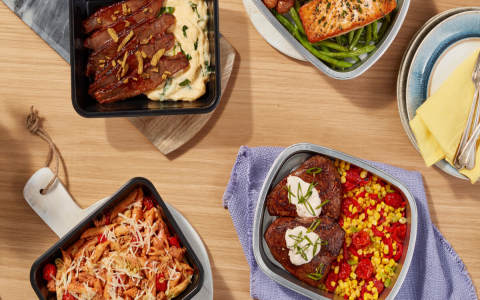
The Home Chef Meals List: A Comprehensive Guide to Healthy and Tasty Cooking
Introduction
In today’s busy world, cooking at home can feel like a rare treat. Yet with a thoughtful mix of ingredients and a simple weekly plan, anyone can enjoy the perks of being a home chef. This guide walks you through building a flexible meals list, offering practical tips and easy ideas for balanced, flavorful dishes.
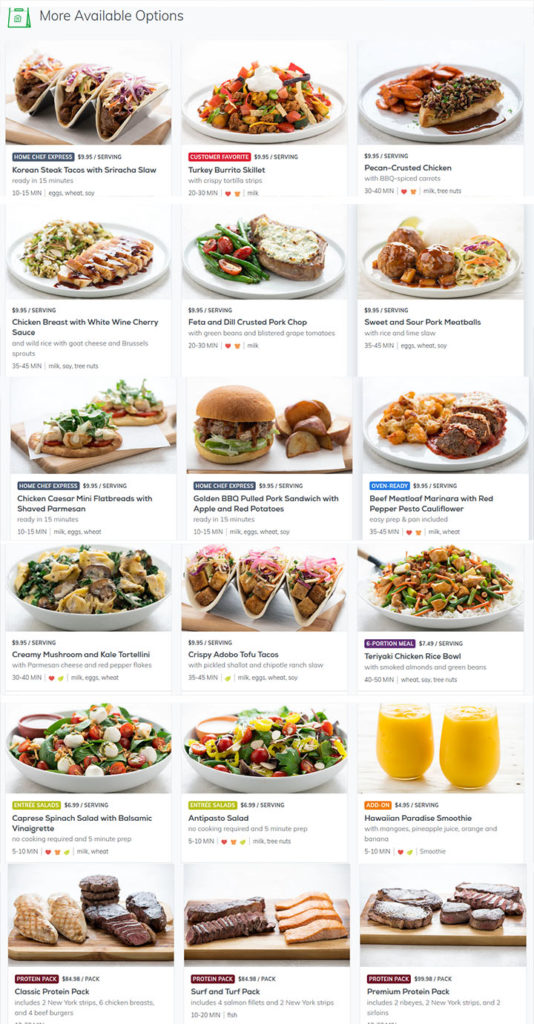
The Importance of Meal Planning
Planning ahead keeps the kitchen calm, cuts waste, and frees up time. People who sketch out a few meals in advance tend to eat more varied, nutrient-packed foods and spend less on last-minute take-out. A clear plan also helps you use what you already have before it spoils.
The Benefits of Home Cooking
When you cook at home, you decide what goes on the plate—more vegetables, lighter seasoning, or an extra portion of your favorite grain. Beyond nutrition, stirring a pot or chopping herbs can be a relaxing break in the day and a fun way to gather family or friends around the table.
Creating a Home Chef Meals List
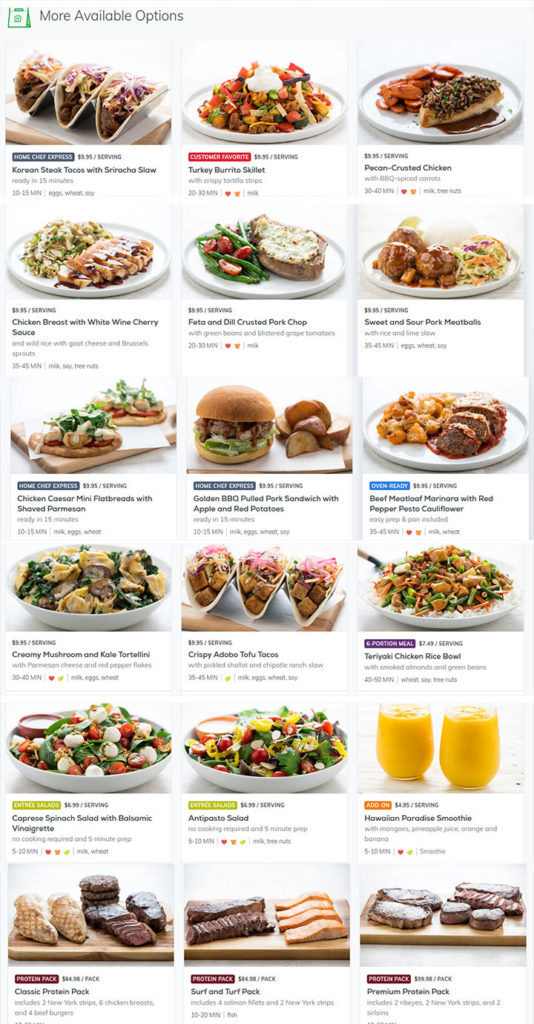
1. Assess Your Dietary Needs
Start by noting any allergies, strong dislikes, or goals such as adding more fiber or reducing added sugar. Build your list around foods that make you feel your best, whether that means extra greens, plant proteins, or hearty whole grains.
2. Plan Your Meals for the Week
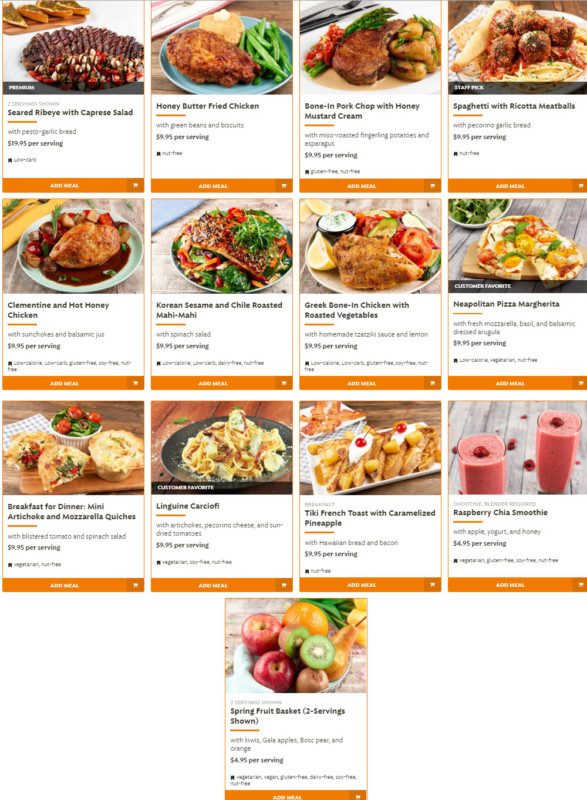
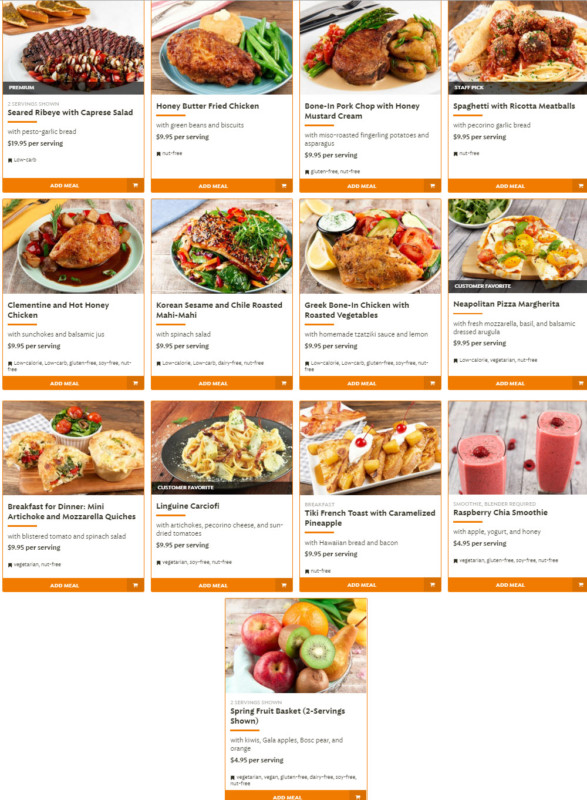
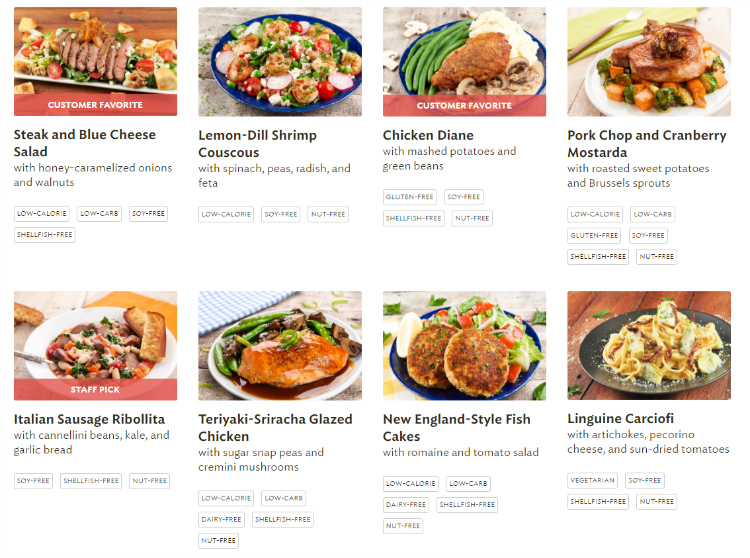
Aim for a colorful mix of protein, complex carbs, healthy fat, and produce each day. Below is a sample seven-day outline you can adjust to taste or seasonal finds:
Monday
– Breakfast: Creamy yogurt topped with berries and a sprinkle of granola
– Lunch: Fluffy quinoa tossed with chickpeas, crisp cucumbers, and a little feta
– Dinner: Oven-roasted salmon, asparagus spears, and a side of quinoa
Tuesday
– Breakfast: Warm oatmeal simmered in almond milk, finished with sliced fruit
– Lunch: Whole-grain wrap filled with turkey, avocado, and greens
– Dinner: Quick beef stir-fry over brown rice with bright broccoli florets
Wednesday
– Breakfast: Green smoothie blending spinach, banana, and your favorite milk
– Lunch: Comforting lentil soup paired with a side salad
– Dinner: Grilled chicken, roasted sweet potato wedges, and green beans
Thursday
– Breakfast: Soft scrambled eggs folded with spinach and tomatoes
– Lunch: Classic caprese salad plus a slice of whole-grain bread
– Dinner: Baked white fish with lemon, dill, and tender veggies
Friday
– Breakfast: Overnight oats thick with chia seeds and a swirl of nut butter
– Lunch: Mild chickpea and vegetable curry over brown rice
– Dinner: Skewers of grilled shrimp, avocado, and corn salad
Saturday
– Breakfast: Fluffy pancakes stacked with fresh fruit and a drizzle of syrup

– Lunch: Homemade whole-grain pizza loaded with colorful toppings
– Dinner: Twirl of spaghetti in marinara sauce, served with a crisp side salad
Sunday
– Breakfast: Golden French toast crowned with berries and a spoon of yogurt
– Lunch: Light turkey and cheese sandwich plus crunchy raw veggies
– Dinner: Sizzling chicken fajitas tucked into whole-wheat tortillas with guacamole
3. Shop Smart
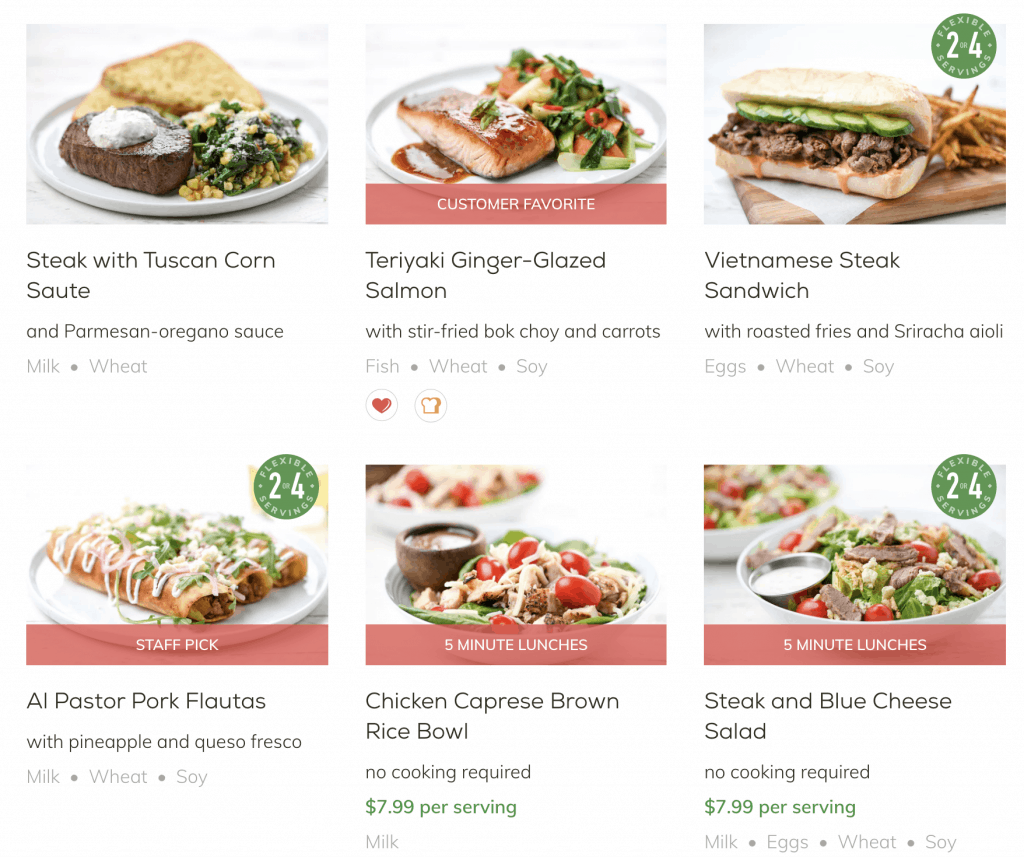
Turn your plan into a tidy list organized by store sections—produce, pantry, proteins. Stick to the list to avoid impulse buys, and choose seasonal fruit, sturdy greens, and versatile whole grains for the best flavor and value.
4. Store Your Ingredients Properly
Keep leafy herbs in a jar of water like flowers, stash grains in airtight jars, and refrigerate proteins on the coldest shelf. A little care up front keeps ingredients fresh and ready through the week.
Conclusion
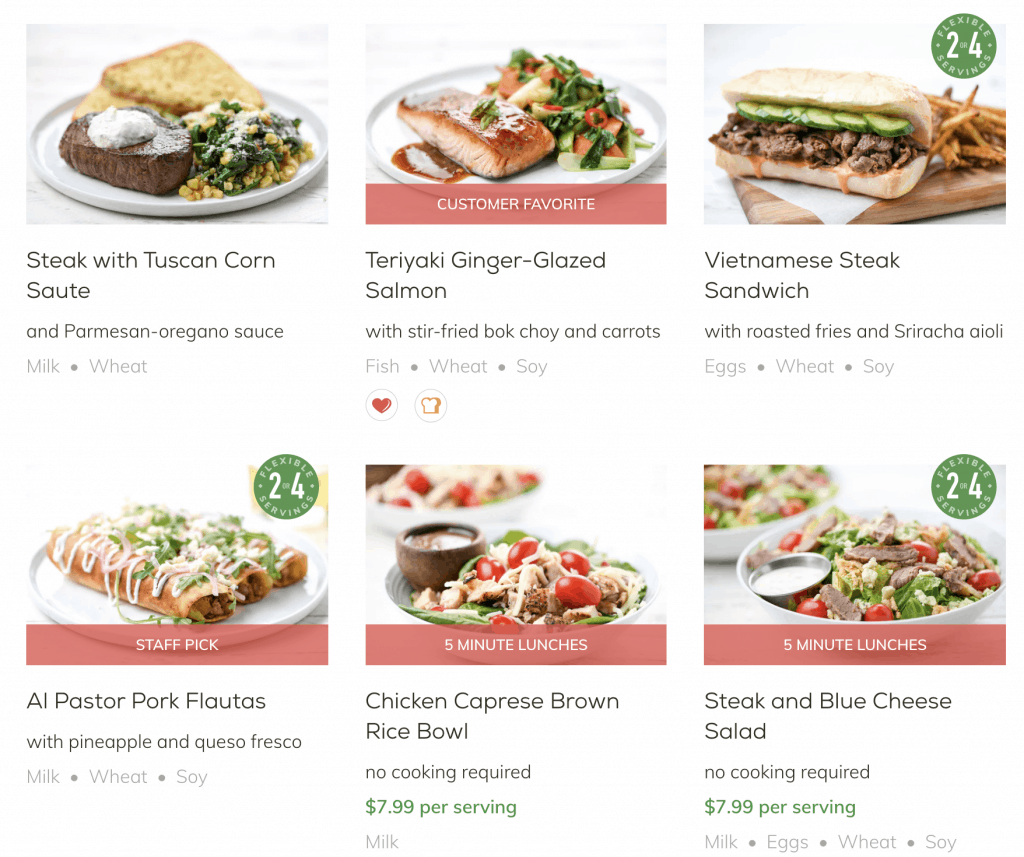
A well-crafted meals list turns everyday cooking into a smooth, enjoyable routine. Map out dishes you love, shop with purpose, store food with care, and you’ll sit down to wholesome, tasty plates night after night. Happy cooking!
References
– American Heart Association. (2020). Home Cooking: A Key to Heart-Healthy Eating. Retrieved from www./en/healthy-living/healthy-eating/eat-smart/home-cooking/home-cooking-a-key-to-heart-healthy-eating
– Smith, J., Johnson, L., & Brown, M. (2018). The Impact of Meal Planning on Dietary Intake and Food Waste. Journal of Nutrition Education and Behavior, 50(2), 123-130.


