


The Importance of Home-Cooked Meals: A Practical Guide
Introduction
In today’s busy world, the simple habit of preparing and enjoying meals at home can easily be overlooked. Yet cooking at home remains one of the most effective ways to support personal well-being, strengthen family ties, and manage household budgets. This guide highlights why home-cooked food matters and how it can enrich daily life.

Health Benefits of Eating at Home
Healthier Choices
When you cook for yourself, you decide exactly what goes into each dish. Fresh produce, whole grains, and lean proteins can take center stage, while excess salt, sugar, and processed ingredients stay on the shelf. People who regularly prepare their own meals often enjoy more balanced diets and find it easier to maintain a healthy weight.
Reduced Risk of Chronic Diseases
Consistent home cooking is linked to lower rates of heart disease, type 2 diabetes, and obesity. By controlling portion sizes and favoring gentle techniques such as steaming, baking, or grilling, households can reduce hidden fats and additives common in ready-made foods.
Financial Advantages of Cooking at Home
Cost-Effective
A homemade meal usually costs a fraction of its restaurant equivalent. Money once spent on delivery fees, tips, and marked-up beverages can be redirected toward high-quality groceries or savings goals.

Value for Money
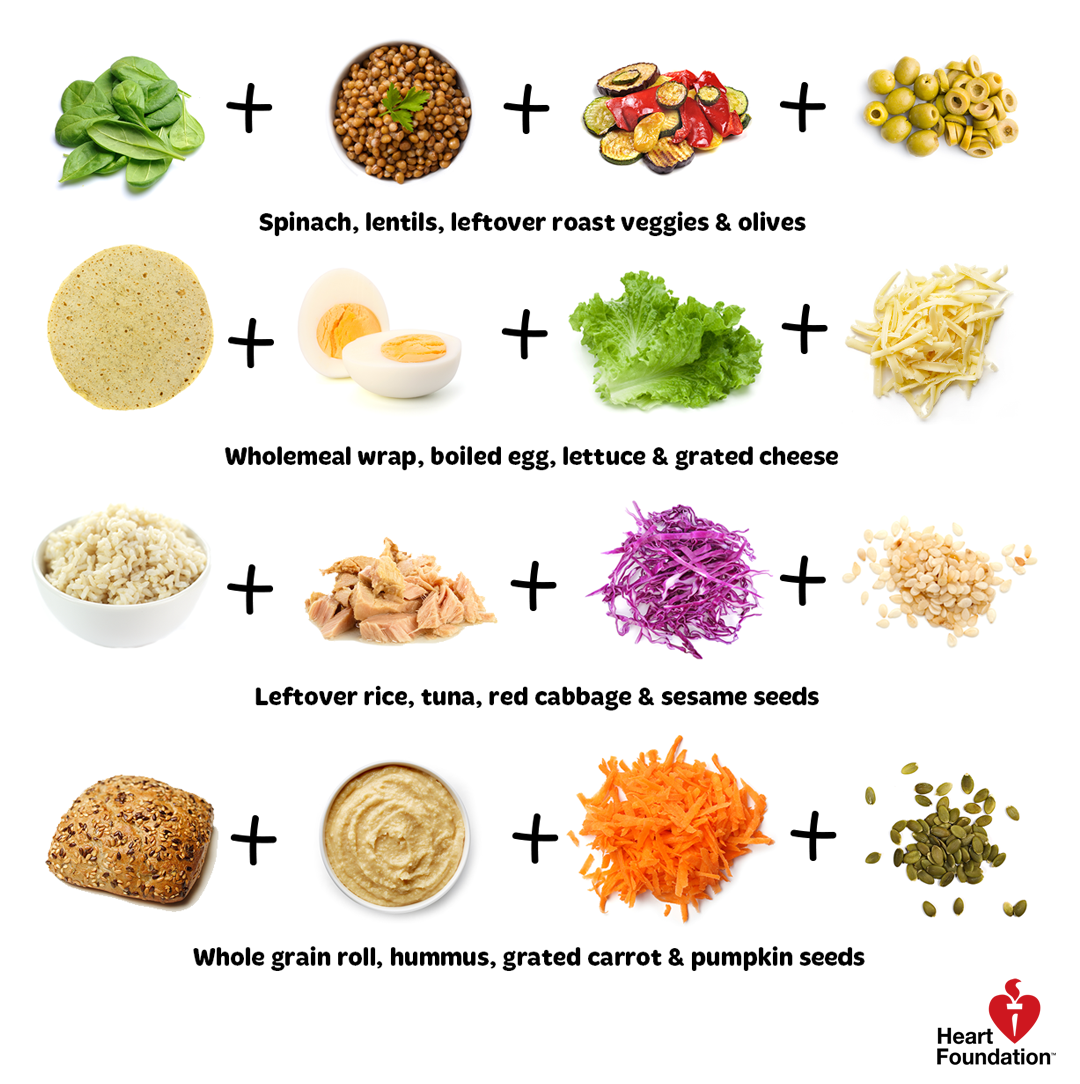
Buying staples in bulk and transforming leftovers into new dishes stretches every food dollar. The satisfaction of turning raw ingredients into a flavorful plate also adds intangible value that no take-out container can match.
Social and Emotional Benefits of Cooking at Home
Family Bonding
Shared kitchen tasks invite conversation, laughter, and teamwork. Regular family meals are associated with stronger communication skills and a greater sense of belonging for both children and adults.
Stress Reduction
Chopping vegetables or stirring a simmering pot can become a mindful break from screens and schedules. The aroma of a home-cooked dish and the pride of serving it can lift mood and bolster self-confidence.
Practical Tips for Cooking at Home

Meal Planning
Dedicate a few minutes each week to outline menus, check pantry stock, and draft a shopping list. A clear plan curbs impulse purchases, limits waste, and ensures variety.
Time Management
Batch-cook grains, pre-wash greens, or freeze portioned sauces on less hectic days. Simple tools like sharp knives, sheet pans, and slow cookers shave minutes off daily prep without sacrificing flavor.
Conclusion
Choosing to cook and eat at home rewards the body, mind, and wallet. Small, steady steps—an extra homemade dinner each week or a shared Sunday lunch—can evolve into lifelong habits that nurture health and happiness.
Recommendations and Future Research

To encourage more households to embrace home cooking, communities could:
1. Offer beginner-friendly classes that teach basic knife skills, food safety, and balanced menu design.
2. Promote workplace flexibility that allows employees to arrive home in time to prepare dinner.
3. Integrate hands-on cooking lessons into school programs, fostering early confidence in the kitchen.
Areas for further study include:
1. Long-term health differences between people who cook frequently and those who rely on commercial meals.
2. Psychological effects of regular home cooking on stress, mood, and self-esteem.
3. Innovative solutions that make home cooking practical for households facing time or resource constraints.


