Cooking with What’s on Hand: A Greener Way to Plan Meals
Introduction
Cooking with what’s already in the kitchen is a simple habit that saves money, sparks creativity, and keeps good food out of the bin. By building meals around whatever is on the shelf or in the crisper, home cooks discover new flavor pairings and waste far less. Below are easy ways to adopt the practice and two flexible recipes to get started.
Benefits of Cooking with What’s on Hand
Reducing Food Waste
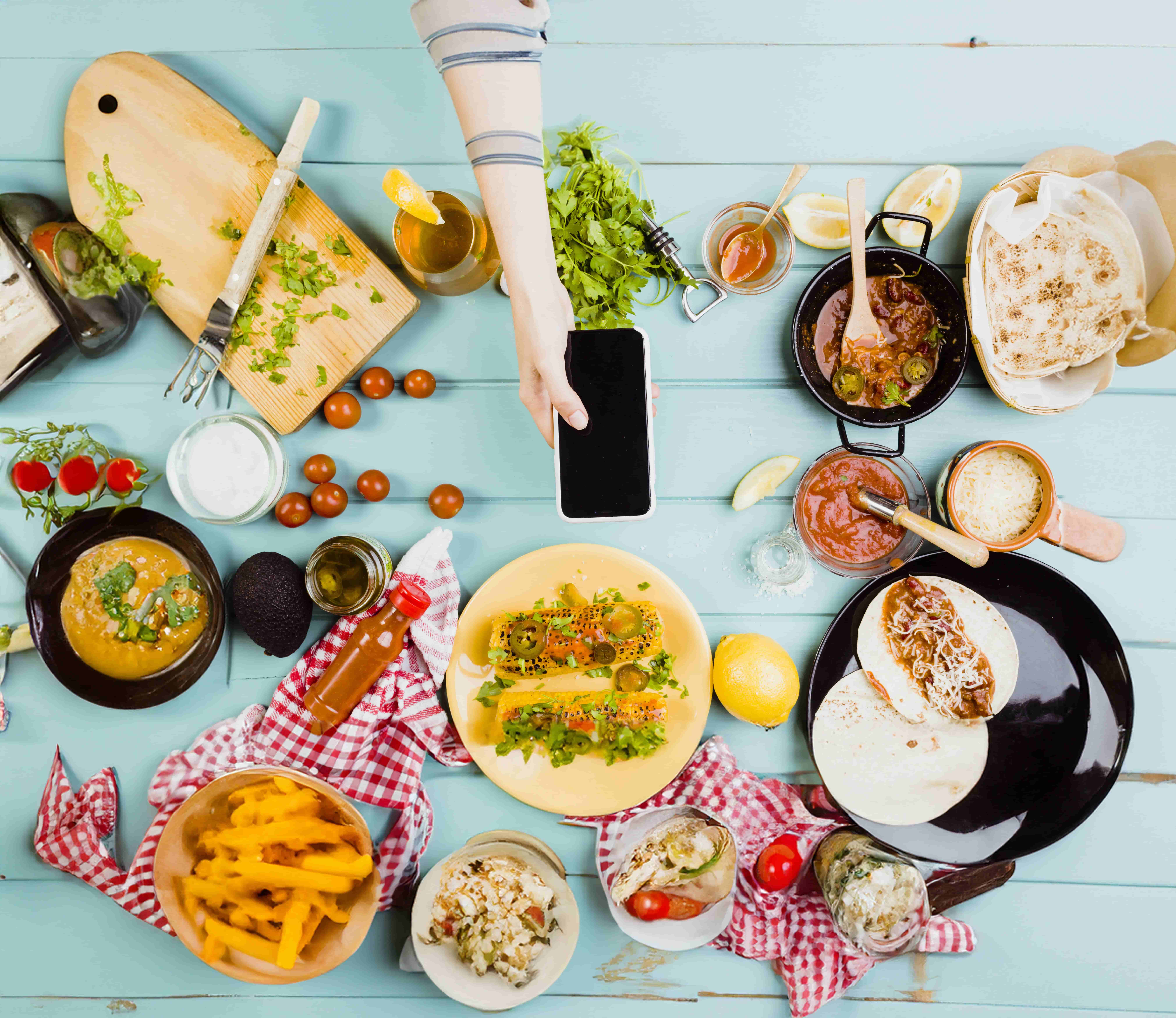
Using up odds and ends before they spoil is one of the quickest ways to shrink household waste. Every carrot or crust of bread that lands on the plate instead of in the trash lightens the load on local landfills and household budgets alike.
Encouraging Creativity
A nearly empty fridge can be the best teacher. When the usual staples are gone, cooks improvise—swapping grains, trying new spice blends, or turning yesterday’s side dish into tonight’s main event.
Promoting Healthier Eating Habits
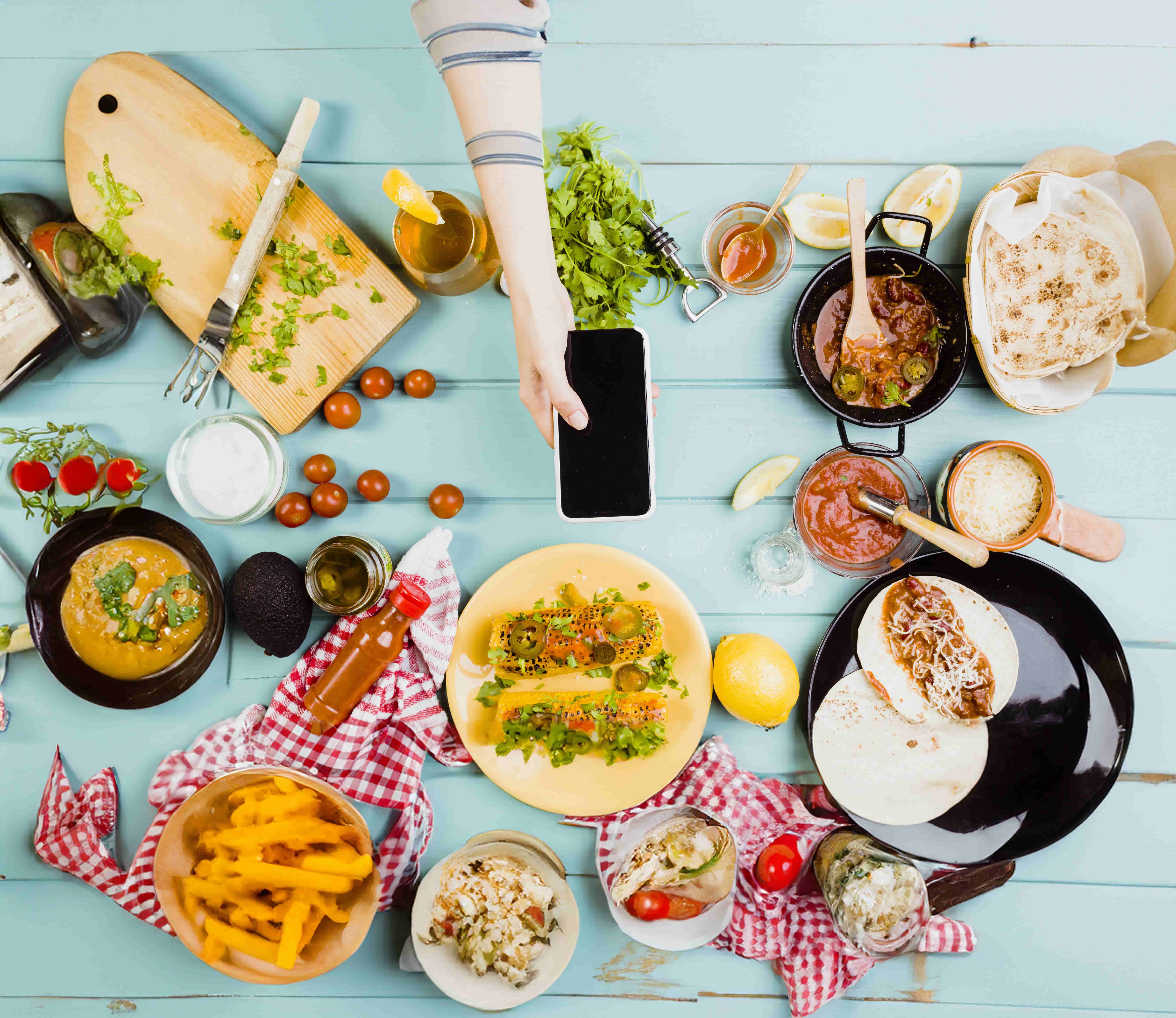
Home-cooked meals made from fresh produce, whole grains, and pantry basics tend to contain less salt, sugar, and packaging than take-out or ready-made options. Cooking at home also makes it easier to control portions and choose nutrient-dense ingredients.
Strategies for Cooking with What’s on Hand
Inventory Management
Keep a running list on the fridge or phone of what’s inside the freezer, cupboard, and produce drawer. A quick weekly check prevents forgotten items from spoiling and shows exactly what needs to be used first.

Meal Planning
Sketch out three or four flexible dishes that share ingredients. For example, roasted vegetables can fill tacos on Monday and top a grain bowl on Tuesday, saving time and preventing extra shopping trips.
Utilizing Leftovers
Reinvent extras instead of reheating the same plate. Cooked rice becomes fried rice, stale bread turns into croutons, and roasted vegetables blend into a quick soup.
Recipes for Cooking with What’s on Hand
One-Pot Pasta
One-pot pasta is a versatile dish that can be made using a variety of ingredients. Here’s a basic recipe:
– 8 ounces of pasta (such as spaghetti or penne)
– 1 tablespoon of olive oil
– 1 onion, finely chopped
– 2 cloves of garlic, minced

– 1 can of diced tomatoes
– 1 cup of vegetable broth
– Salt and pepper to taste
– Fresh basil or parsley for garnish
Cook the pasta in a large pot of salted boiling water until al dente. Drain and set aside. In the same pot, sauté the onion and garlic in olive oil until translucent. Add the diced tomatoes and vegetable broth, and bring to a simmer. Stir in the cooked pasta and season with salt and pepper. Let it simmer for a few minutes, then garnish with fresh basil or parsley.

Vegetable Stir-Fry
A vegetable stir-fry is a quick and easy dish that can be made using a variety of vegetables. Here’s a basic recipe:
– 1 tablespoon of sesame oil
– 1 cup of mixed vegetables (such as bell peppers, broccoli, and carrots)
– 2 cloves of garlic, minced
– 1 tablespoon of soy sauce

– 1 teaspoon of sesame seeds
– Salt and pepper to taste
Heat the sesame oil in a wok or large skillet over medium-high heat. Add the vegetables and stir-fry until they are tender-crisp. Add the minced garlic and cook for another minute. Stir in the soy sauce and sesame seeds, and season with salt and pepper. Serve immediately.
Conclusion
Building meals around what’s already at home is a small shift that pays off in lower grocery bills, less waste, and more exciting plates. A quick inventory check, a flexible meal plan, and a creative eye toward leftovers are all it takes to turn everyday ingredients into sustainable, satisfying dishes.