

The Art and Science of Food Cooking Pictures: Capturing Culinary Delights
Introduction
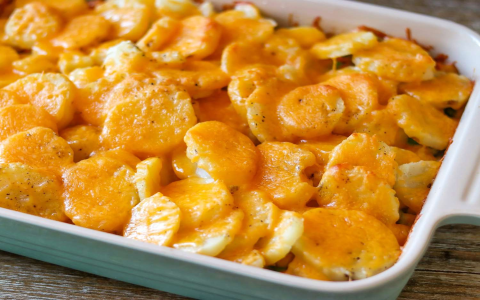
In today’s digital world, a meal is no longer just sustenance—it’s a story waiting to be told. Photographs of food, bursting with color and texture, can spark cravings, revive memories, and invite experimentation. This article explores why these images matter, how they shape the way we cook and eat, and the simple methods anyone can use to create mouth-watering shots.
The Significance of Food Cooking Pictures
1.1 A Window into Culinary Cultures
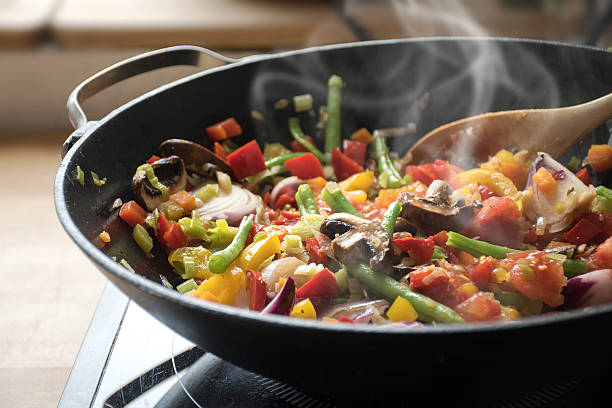
A single frame can whisper of distant spice markets, family hearths, or festival tables. Whether it’s steamed dumplings or slow-smoked barbecue, the visual cues hint at rituals, climates, and histories that define each kitchen.
1.2 Inspiring Recipes and Techniques
Striking photos tempt viewers to recreate what they see, encouraging playful swaps and new flavor pairings. A crisp crust or glossy sauce in a picture often becomes the benchmark for tomorrow’s dinner experiment.
1.3 Social Media and Culinary Trends
Scrolling feeds act as global potlucks where ideas travel faster than ingredients. Viral images set off ripple effects: suddenly everyone folds dumplings the same way or adds the same vibrant garnish, creating shared moments across time zones.
Techniques for Capturing Food Cooking Pictures
2.1 Lighting
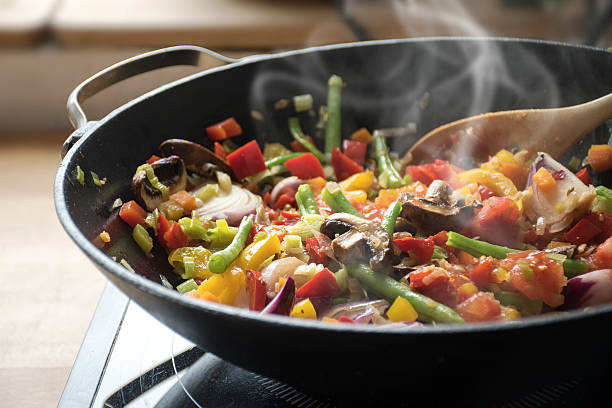
Soft daylight from a nearby window flatters most dishes, revealing gentle shadows and true colors. When sunlight fades, a simple white napkin or parchment paper taped over a lamp can diffuse harsh bulbs and keep tones appetizing.
2.2 Composition and Framing
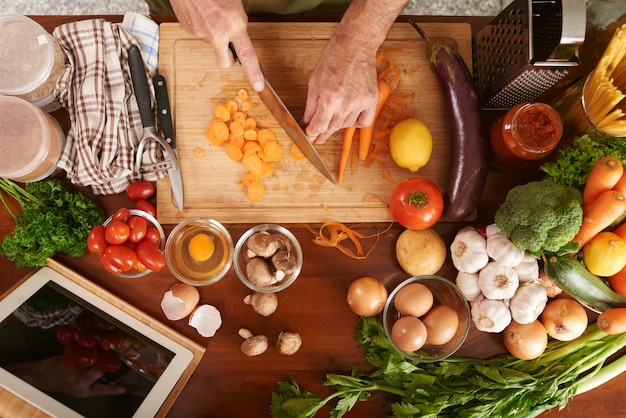
Shift the plate slightly off-center, let a spoon trail out of frame, or scatter a few raw ingredients in the foreground to guide the eye. A low angle can celebrate towering layers, while an overhead shot keeps flatbreads or pizzas geometric and tidy.
2.3 Textures and Colors
Contrast matte bread against a glossy soup swirl, or pair emerald herbs with terracotta pottery. Moving closer highlights crackling sugar, bubbling cheese, or the velvet of whipped cream, turning ordinary surfaces into tactile invitations.
2.4 Post-Processing
A gentle bump in brightness and warmth is often enough; restraint prevents greens from turning neon and grains from looking plastic. The goal is to mirror the dish as it appeared at its freshest moment, not to invent a fantasy version.
The Impact of Food Cooking Pictures on Culinary Culture
3.1 Influencing Food Choices
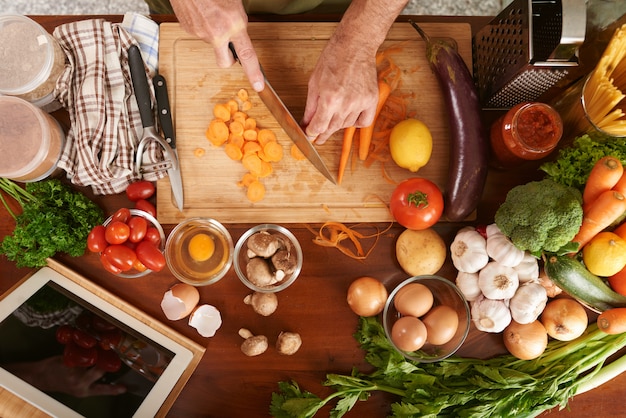
An unexpected color combination or unfamiliar grain pictured in an appealing context can nudge shoppers toward new aisles and bolder menus, gradually widening the collective palate.
3.2 Promoting Sustainable Practices
Images that celebrate vegetable stems, bruised fruit sauces, or nose-to-tail preparations quietly champion wasting less. When viewers see beauty in leftovers, they rethink what belongs in the compost bin.
3.3 Preserving Culinary Heritage
Each snapshot of hand-rolled pasta or stone-ground spice paste becomes a tiny time capsule, safeguarding methods that might otherwise fade as kitchens modernize and generations shift.
Conclusion
Photographs of food do far more than document meals; they translate flavor into sight, connect strangers at virtual tables, and keep traditions alive in pixels. Honing the craft of capturing these images allows anyone to share curiosity, nostalgia, and innovation in a single frame. As screens continue to mediate appetite, the visual language of food will only grow richer, inviting every cook to become both chef and storyteller.
Recommendations and Future Research
Cooking schools can weave photo assignments into lessons, helping students present dishes confidently and reflect on plating choices. Meanwhile, studies could examine how repeated exposure to wholesome food imagery influences daily eating patterns and willingness to try plant-forward meals.
In the end, a well-taken food photograph is a quiet invitation: pull up a chair, taste with your eyes first, and perhaps recreate the magic in your own kitchen tonight.


