

The Impact of Culinary Videos on Contemporary Kitchen Culture
Introduction
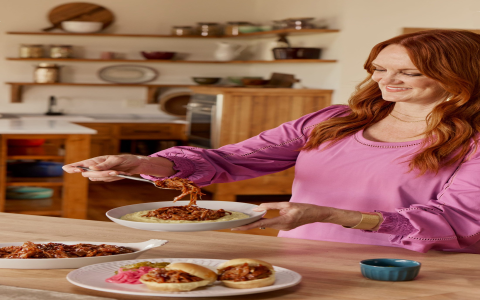
Short-form culinary clips have transformed how home cooks discover flavors and confidence in the kitchen. By pairing concise visuals with friendly narration, these videos turn unfamiliar ingredients into approachable weeknight dinners. This article examines how steady streams of sautéing, baking, and plating scenes shape tastes, skills, and the everyday celebration of food.
The Influence of Culinary Videos on Culinary Trends
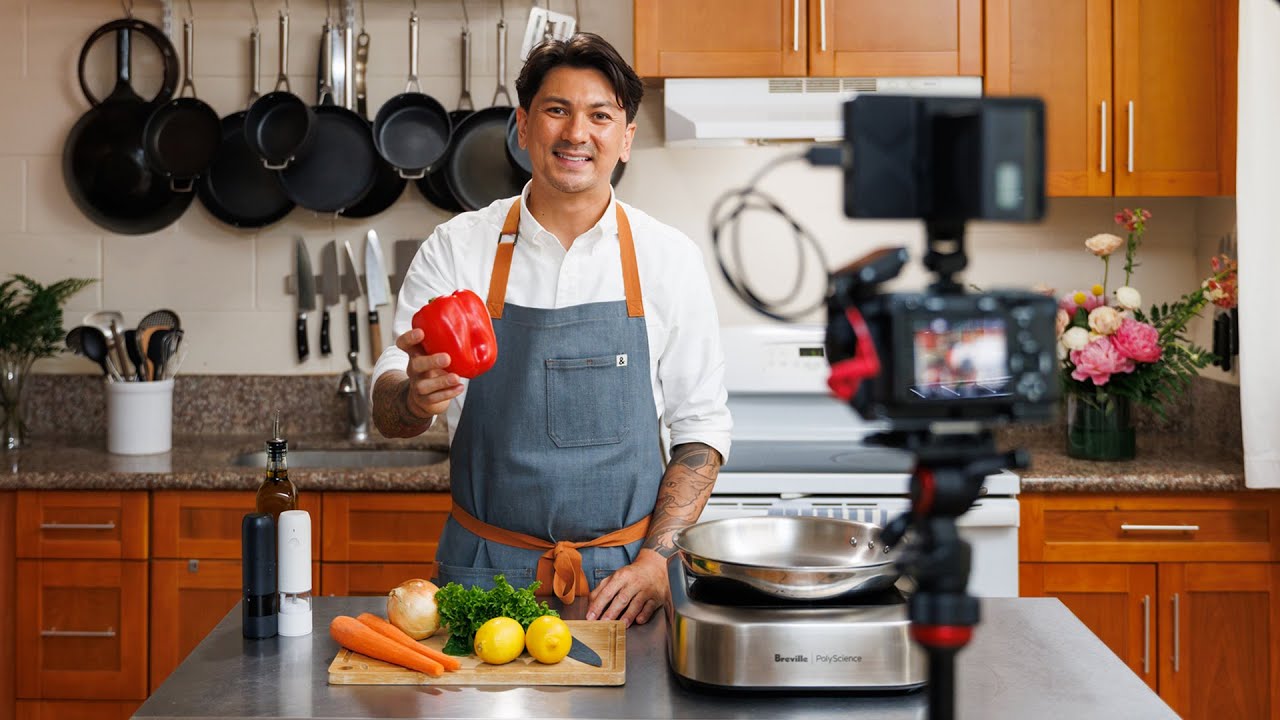
Quick clips act like trend antennas, catching and amplifying emerging flavors before they hit restaurant menus. A fifteen-second noodle pull or a slow-motion cheese melt can send a once-obscure dish spiraling into global popularity overnight.
Take the sudden rise of cloud bread, whipped coffee, or one-pot pastas: each craze started with a simple visual that looked satisfying to recreate. The format rewards color, texture, and surprise, so cooks gravitate toward recipes that promise dramatic reveals and photogenic finishes.
Plant-forward plates have also ridden the wave. Vibrant smoothie bowls, rainbow salads, and meat-free burgers look stunning on camera, encouraging viewers to add more produce to their carts without feeling pressured by dietary labels.
The Role of Culinary Videos in Teaching Cooking Techniques
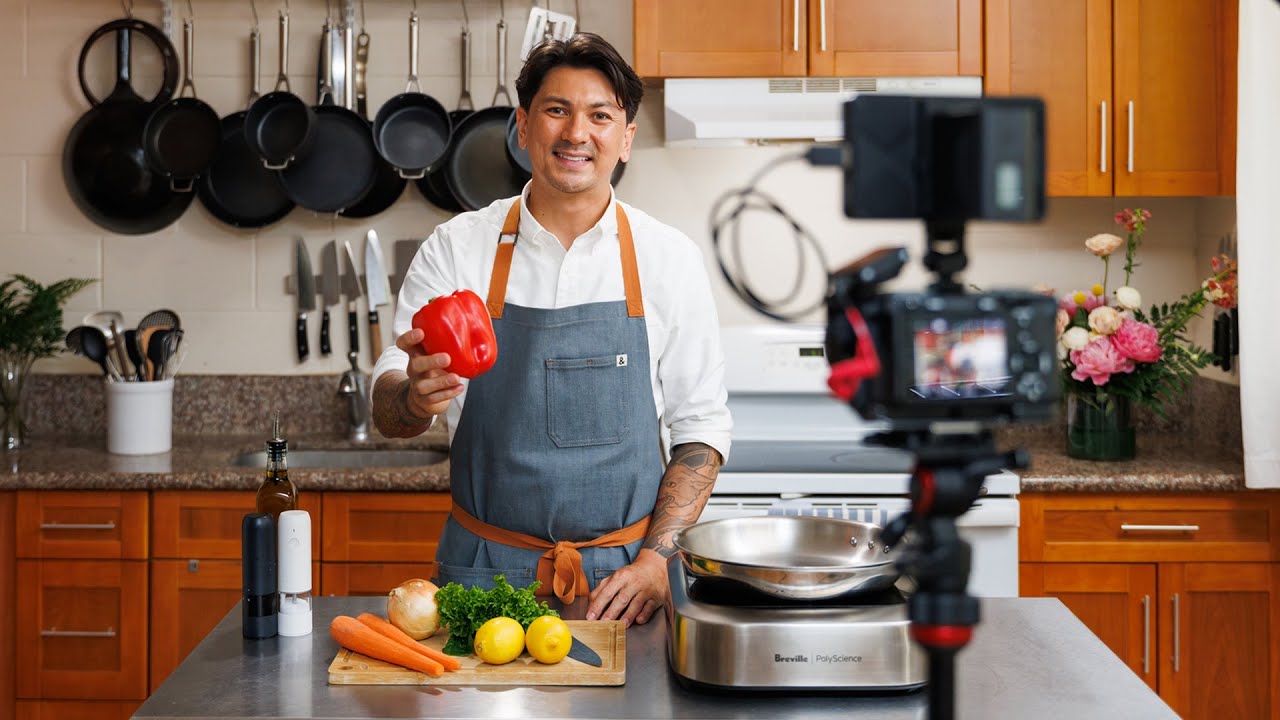
Because the camera hovers above the cutting board, viewers can replay knife angles, folding motions, or the exact jiggle of a custard as many times as needed. This instant repetition shortens the learning curve that once required in-person classes or cookbooks.
Technique-driven channels slow the pace, zooming in on the sizzle or the ribbon stage of beaten eggs. Such focus teaches that sound, smell, and sight are reliable guides, building intuition faster than written instructions alone.
Hosts who narrate their mistakes—burned garlic, over-whipped cream—normalize trial and error, reminding audiences that every chef, no matter how skilled, learns by doing.
The Impact of Culinary Videos on Food Appreciation
Close-ups of steam escaping a loaf or the glossy skin of roasted eggplant turn everyday ingredients into objects of wonder. When viewers see the journey from raw to ready, they value the time, heat, and transformation involved.

Stories about seasonal produce or heritage grains often accompany these visuals, encouraging shoppers to ask where food comes from and to choose items that taste better and support local growers.
The Challenges and Limitations of Culinary Videos
Rapid edits can oversimplify complex dishes, giving the impression that a four-hour braise can fit between work calls. Missing context on temperature control or resting time may lead to disappointing results.
Algorithms favor extreme indulgence—towering milkshakes, cheese-stuffed everything—so moderation can be crowded out by spectacle. Viewers need to balance entertainment with balanced meals.
Conclusion

Culinary videos have stirred modern kitchens with fresh ideas, sharper skills, and renewed respect for ingredients. When watched thoughtfully, they serve as an inviting gateway to lifelong learning, reminding us that every great meal starts with curiosity and a single click.


