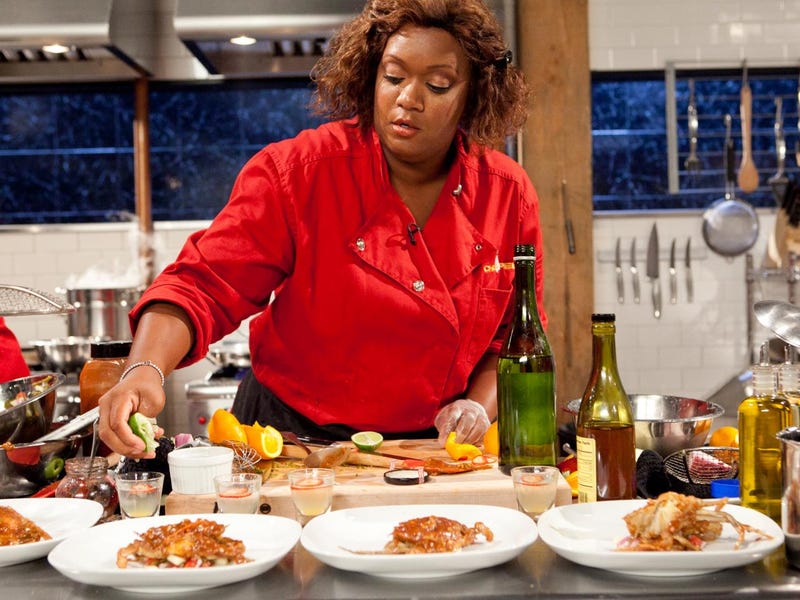
The Impact of Cooking Network Shows on Culinary Culture and Consumption
Introduction
Cooking programs have become a staple of modern television, drawing global audiences with lively formats and a wide spectrum of culinary ideas. Beyond entertainment, they shape food trends, guide shopping choices, and deepen respect for home cooking. This article examines how these shows educate, inspire, and contribute to the wider food marketplace.

The Educational Aspect of Cooking Programs
The Role of Cooking Programs in Teaching Culinary Skills
Television cookery series act as an informal classroom, guiding viewers through techniques ranging from basic knife skills to advanced plating. Step-by-step demonstrations encourage people to replicate dishes at home, building confidence with every episode.
Research indicates that regular viewers are more willing to attempt unfamiliar recipes, expanding their kitchen competence and reducing meal-time routine.
Accessibility of Culinary Education
By broadcasting expert knowledge into living rooms, these shows remove traditional barriers to culinary learning. Geography, budget, or lack of formal schooling no longer prevent access to professional tips, creating a more inclusive environment for food enthusiasts everywhere.
The Inspirational Aspect of Cooking Programs

The Power of Cooking Programs in Inspiring Culinary Creativity
From street-food tours to pastry sculpting contests, cooking series expose audiences to new ingredients and global traditions. Such variety motivates home cooks to improvise, swap flavors, and personalize dishes, resulting in livelier, more diverse home menus.
Surveys suggest that consistent watching correlates with bolder experimentation in everyday cooking, as people gain courage to blend unexpected spices or revive forgotten produce.
The Role of Cooking Programs in Promoting Healthy Eating
Many series highlight balanced meals, vegetable-forward plates, and mindful portions. By presenting nutritious food in an appetizing way, they nudge viewers toward wholesome choices without sacrificing flavor or pleasure.
The Commercialization of Food
The Influence of Cooking Programs on Food Consumption
On-screen exposure often translates into shopping lists: viewers seek out showcased spices, gadgets, or eateries. This trend can boost local producers when programs praise seasonal produce, yet it may also drive demand for novelty snacks with limited health benefits.

The key lies in celebrating fresh, minimally processed options while remaining alert to the lure of fleeting fads.
The Role of Sponsorship and Advertising
Production costs are frequently offset by brand partnerships. While such alliances keep shows on air, they can subtly tilt content toward certain packaged goods. Transparent recipe choices and clear nutritional context help maintain credibility and viewer trust.
Conclusion
Cooking programs educate, inspire, and entertain, but their commercial underpinnings call for mindful consumption. By foregrounding health, sustainability, and transparency, producers and audiences alike can ensure these shows remain a positive force in culinary culture.
Recommendations and Future Research

To strengthen benefits and reduce drawbacks, the following steps are suggested:
1. Integrate straightforward nutrition guidance into each episode, illustrating how balanced meals can still be indulgent.
2. Feature local, seasonal ingredients regularly, reinforcing eco-friendly habits.
3. Adopt clear editorial standards that separate advertising messages from educational content.
Further studies could track long-term shifts in home-cooking frequency, ingredient sourcing, and dietary quality linked to sustained viewing. Understanding these patterns will help leverage televised cuisine as a tool for healthier, more sustainable foodways.