

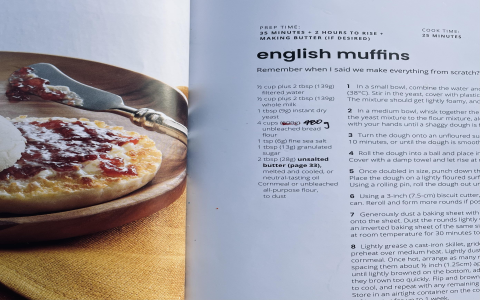
The Importance of a Recipe Page: A Practical Guide
Recipe pages are the heart of any culinary collection. They translate ingredients into memorable meals and give cooks—novice or seasoned—the confidence to step into the kitchen. This overview looks at why a clear, inviting recipe page matters, how it is best organized, and the ways technology is reshaping the cooking experience.
The Building Blocks of a Recipe Page
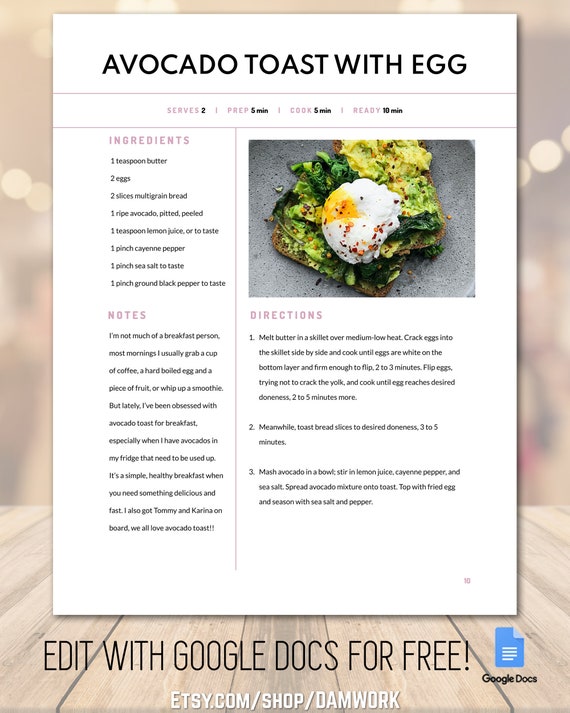
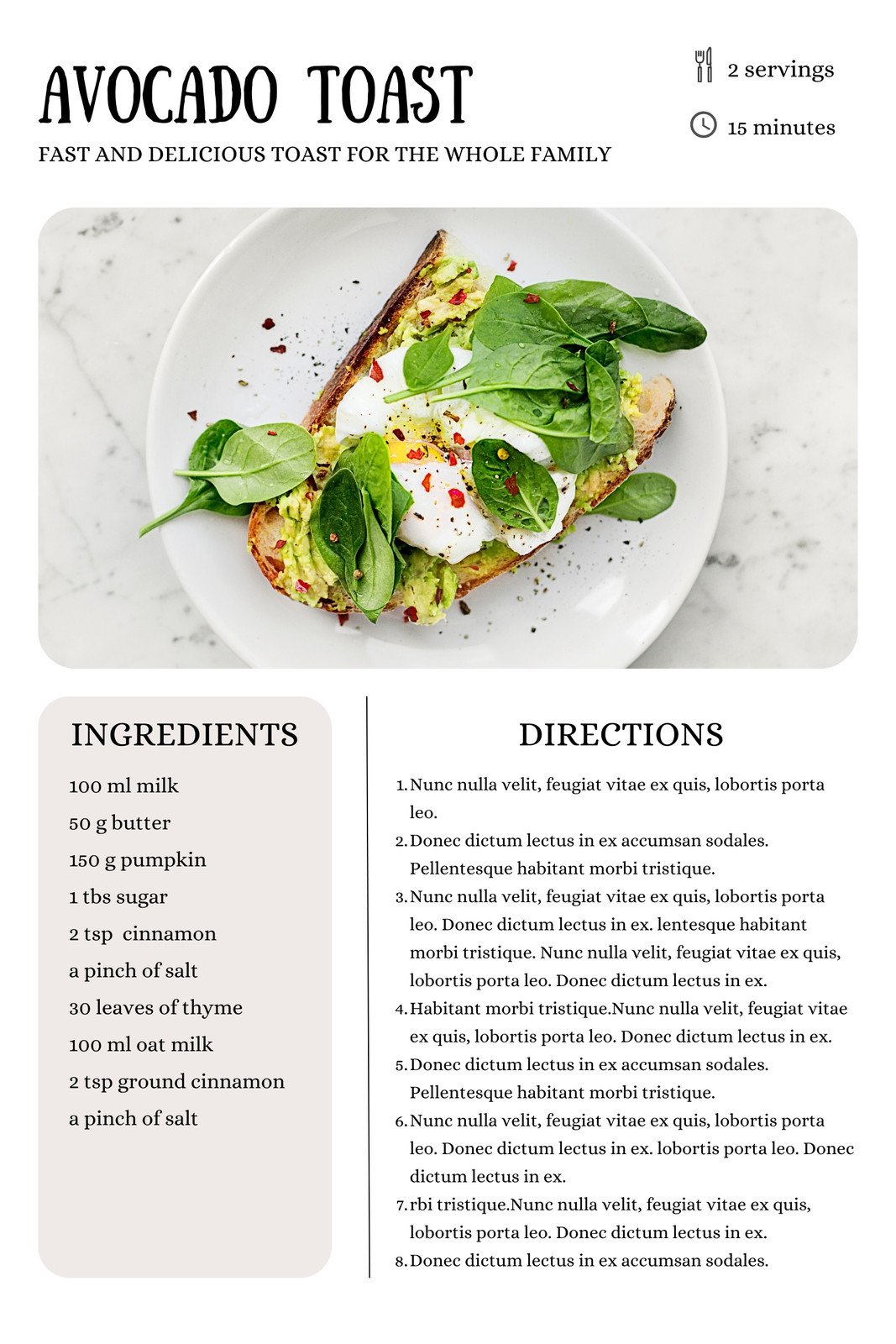
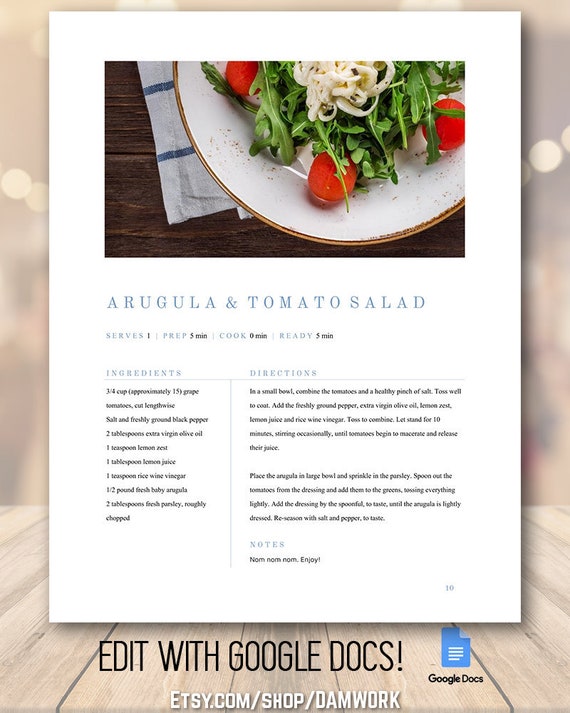
Every effective recipe page balances information with inspiration. Key sections include:
1. Title
A good title hints at flavor and style while staying short enough to scan at a glance.
2. Ingredients
List items in the order they are used, with simple measurements and optional swaps for dietary needs.
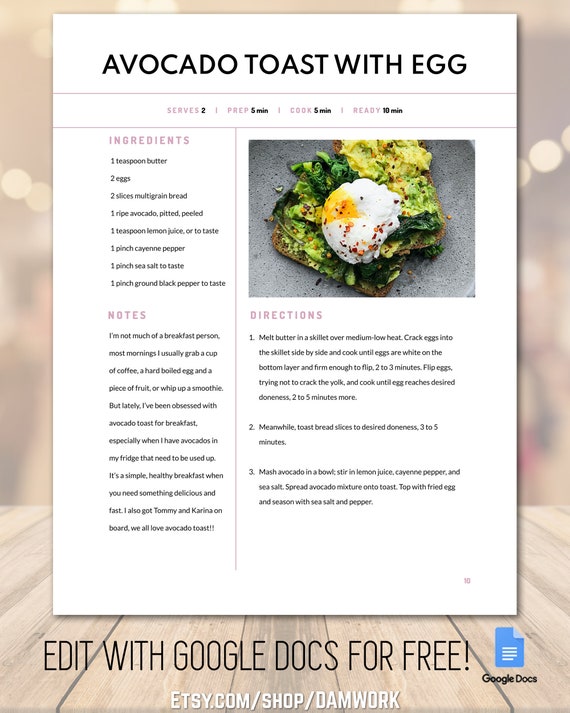
3. Method
Numbered steps keep the process logical; concise verbs move the cook along without confusion.
4. Tips & Variations
A brief note on timing, texture cues, or flavor twists helps readers personalize the dish.
5. Imagery
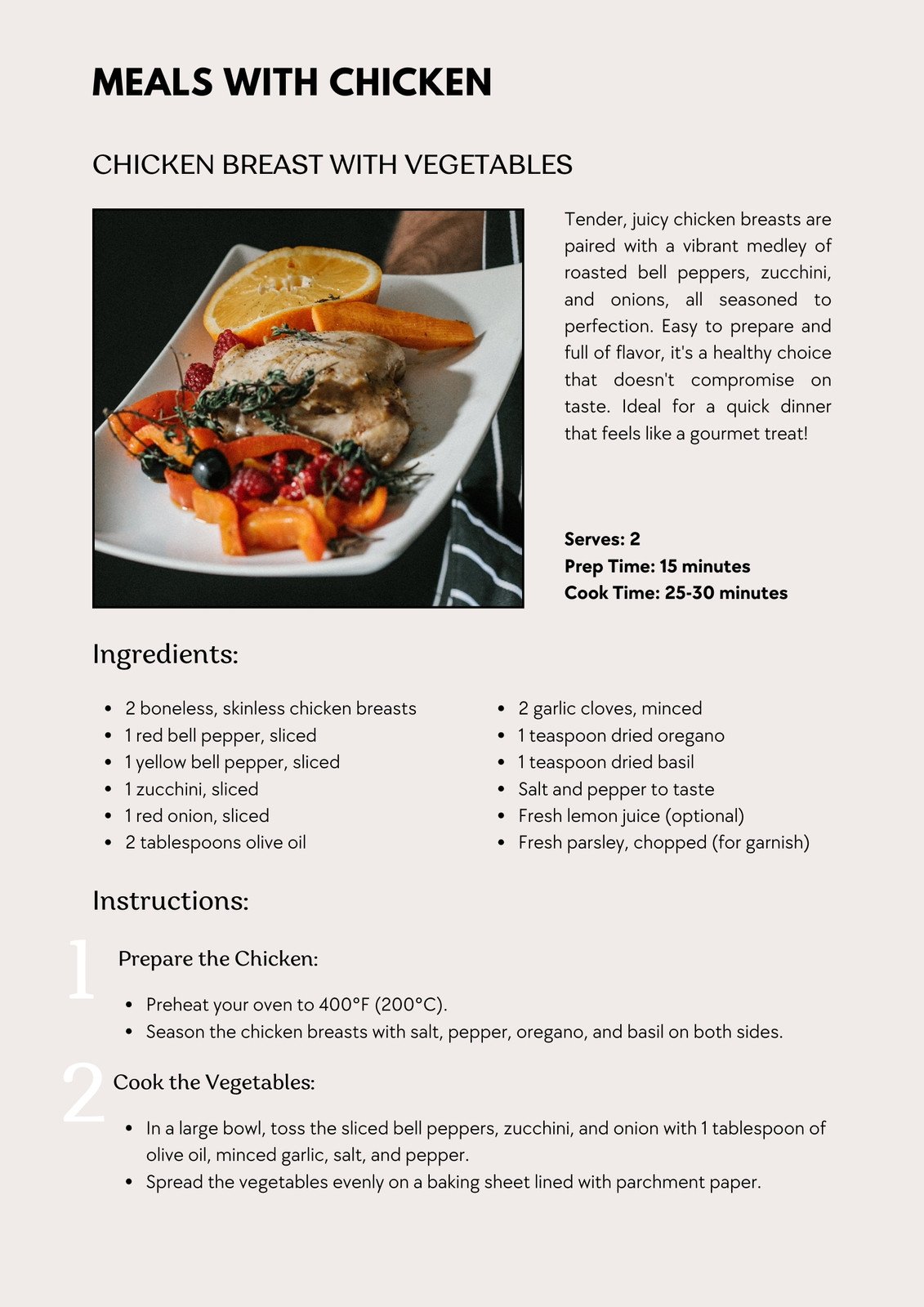
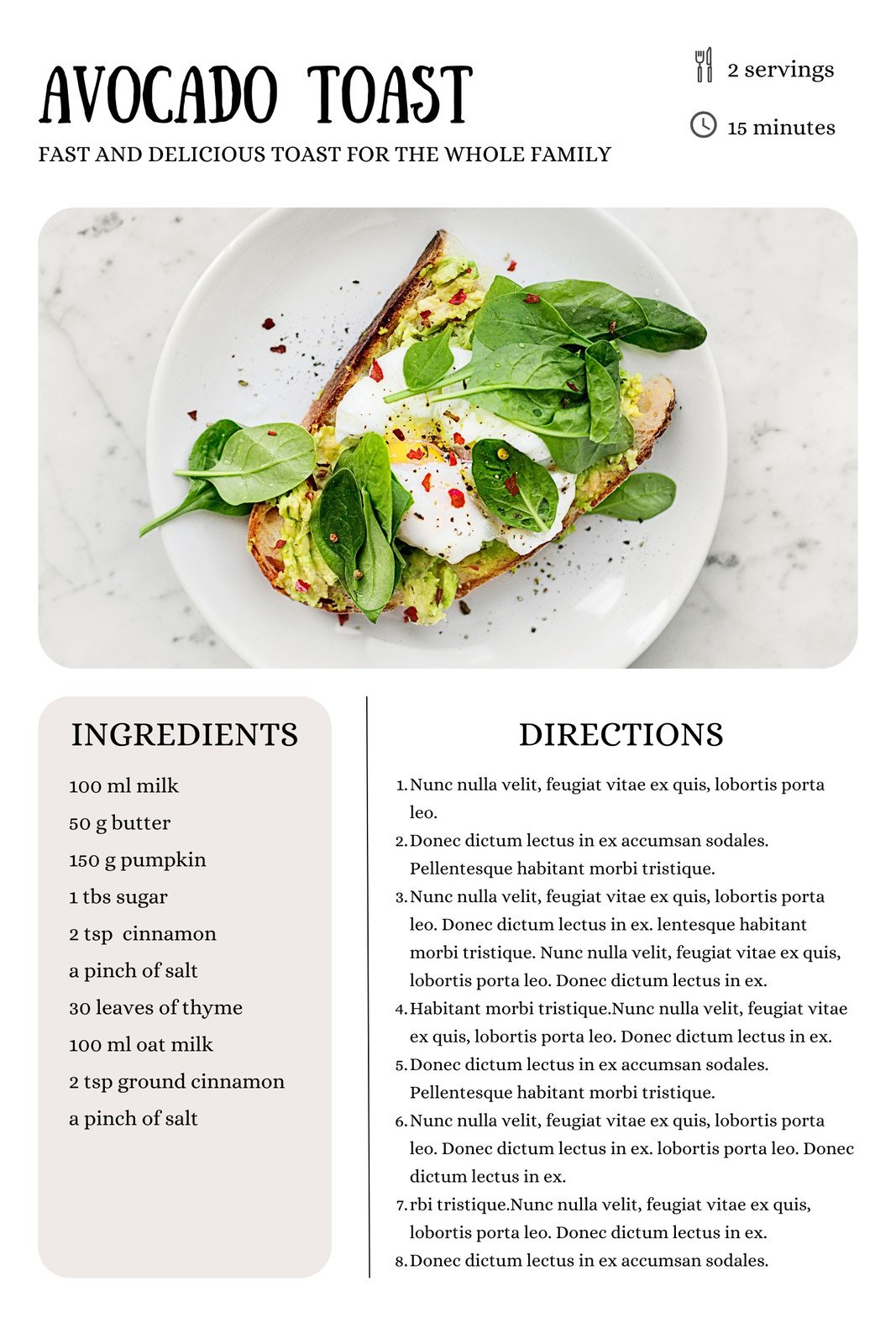
A single, well-lit photo sets expectations and sparks appetite appeal.
Why Design Matters
Thoughtful layout turns a list of instructions into an inviting roadmap:
1. Clarity
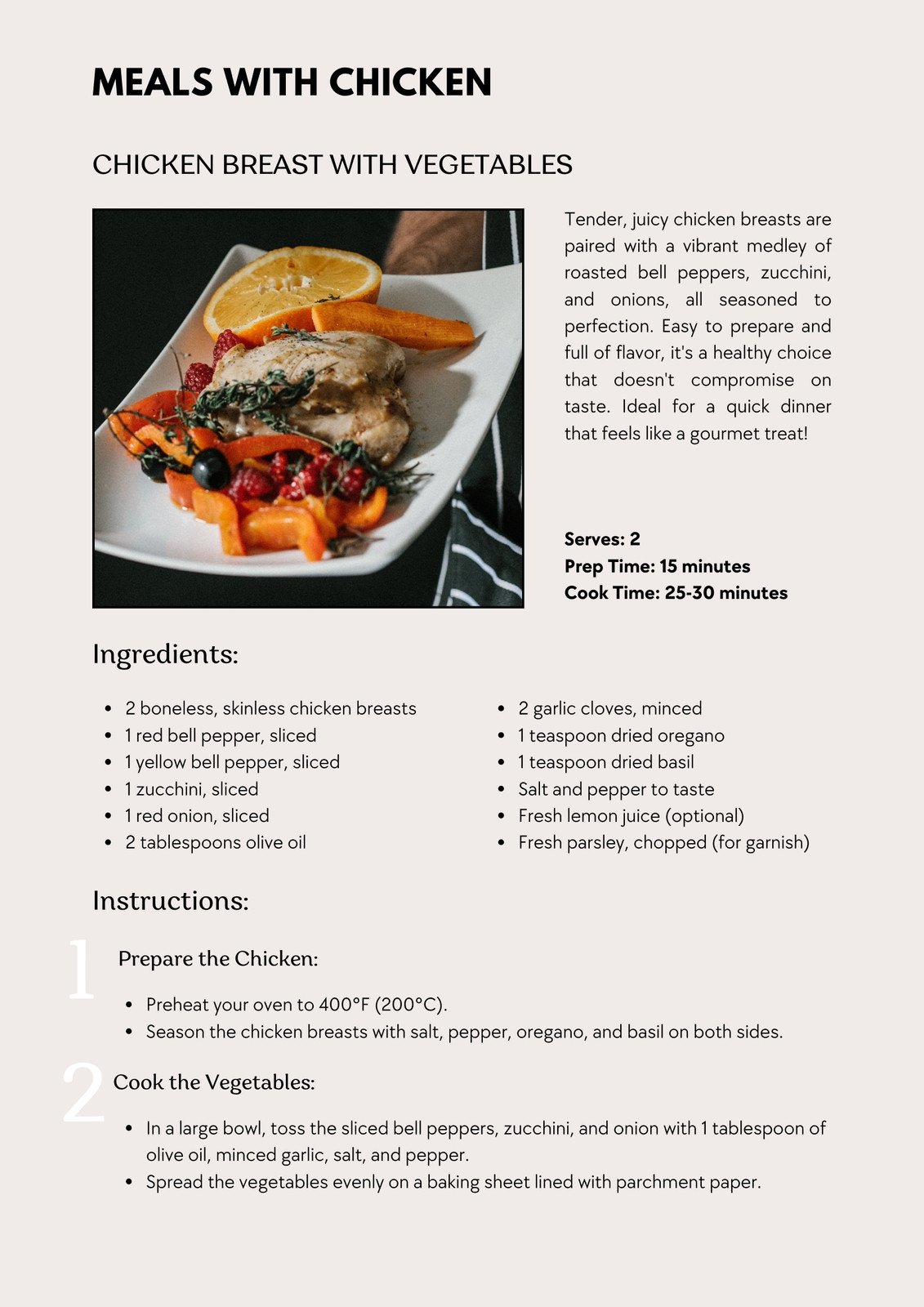
Generous white space, readable fonts, and bold headings reduce kitchen stress.
2. Engagement
Color accents and process shots encourage experimentation across cuisines.
3. Skill Building
Sidebars that explain techniques turn one recipe into a mini-lesson.
4. Shareability
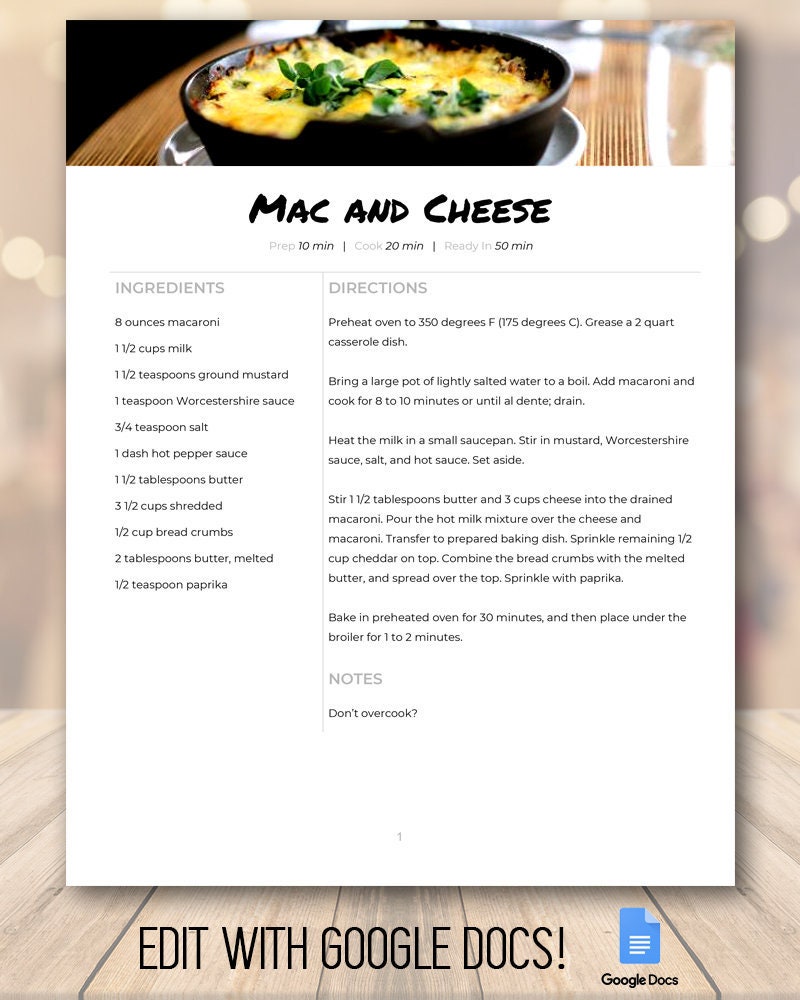
Print-friendly or mobile-optimized formats let cooks take the page anywhere.
Digital Advantages
Online recipe cards add convenience without replacing the joy of ink-on-paper archives:
1. Interactivity
Built-in timers, slider-adjustable servings, and auto-generated shopping lists streamline prep.
2. Community
Comment threads and photo uploads create real-time feedback loops among home cooks.
3. Personalization
Filters for allergies, caloric goals, or pantry staples deliver tailored suggestions instantly.
4. Multimedia
Embedded videos, audio tips, and live streams bring extra guidance to each step.
Looking Ahead
Emerging tools promise even smoother journeys from fridge to table:
1. Augmented Reality
AR overlays could place virtual chopsticks or spatulas beside the actual dish, showing exact motion paths.
2. Smart Assistants
Voice-activated devices may walk cooks through recipes, adjusting heat or timing on connected appliances.
3. Immersive Media
360-degree videos and high-resolution close-ups will let users inspect texture, color, and doneness from every angle.
Conclusion
A well-crafted recipe page is more than a set of directions—it is an invitation to create, learn, and share. As digital enhancements expand what a “page” can do, the core mission remains unchanged: turn raw ingredients into joy on a plate, one clear instruction at a time.


