

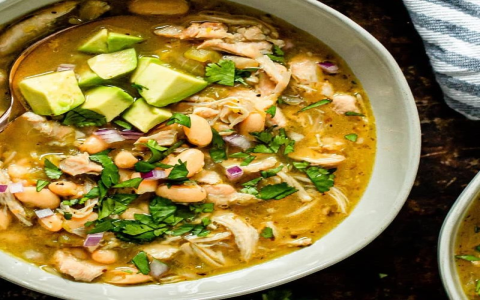
The Impact of Appetizing Food Photography on Guest Perception and Dining Experience
Introduction
In today’s crowded culinary scene, eateries look for fresh ways to draw diners through the door. Striking photos of signature dishes act as a silent invitation, merging the online preview with the in-person meal and shaping how guests feel long before the first bite arrives. This article examines why thoughtful food imagery matters, how it guides choices, and the part it plays in crafting a memorable visit.
The Role of Visuals in the Restaurant Industry
Visual Appeal: The First Impression
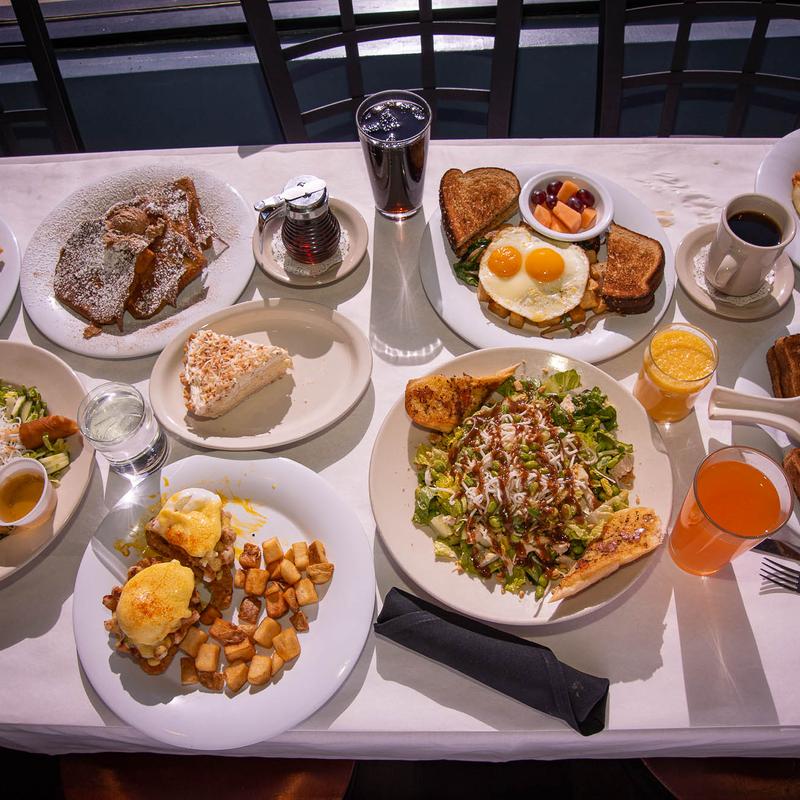
People often decide within seconds whether a place feels right, and pictures of plated food can seal that initial judgment. Since the brain processes visual cues faster than text, a single appetizing shot can spark curiosity and set a positive tone.
Enhancing Online Presence
A strong digital footprint is now as critical as a prime street address. Appealing dish photos populate review pages, social feeds, and official sites, giving browsers an instant taste of the menu and encouraging them to learn more.
Impact on Customer Decision-Making
Attracting Customers through Visual Stimulation
Beautiful images tap into universal preferences for color, balance, and freshness. When guests see vibrant, well-lit photographs, they are more likely to picture themselves enjoying the meal and to place the restaurant on their shortlist.
Building Trust and Credibility
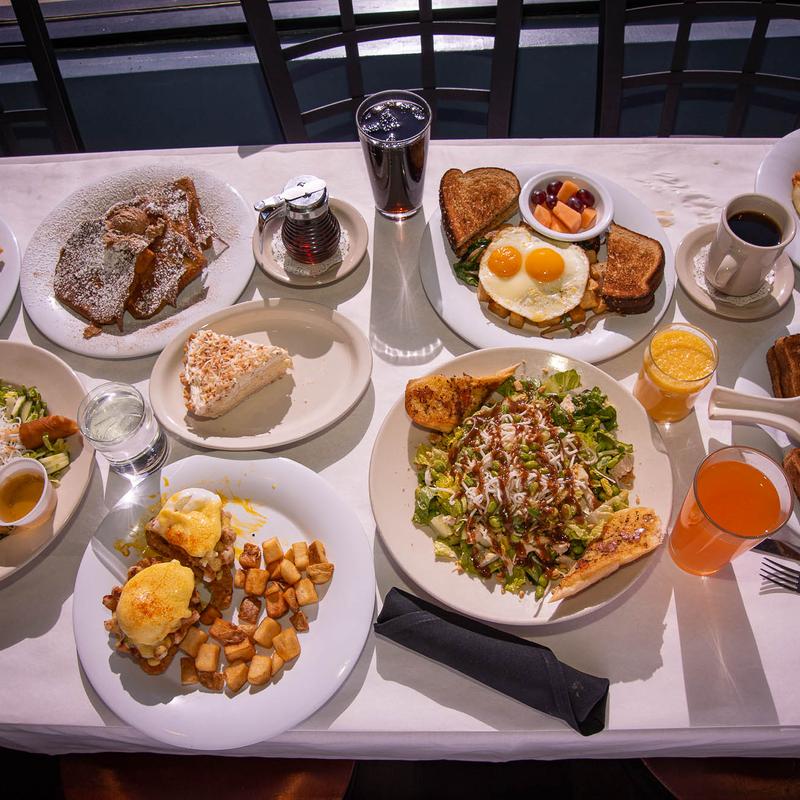
Clear, honest photos reassure guests that what arrives at the table will match what they imagined. Consistent quality across shots signals attention to detail and fosters confidence in the kitchen’s standards.
The Role of Food Photography in the Dining Experience
Setting Expectations
Preview images outline the style of cuisine, portion size, and presentation flair, helping guests anticipate the experience and reducing the chance of mismatch between hope and reality.
Creating a Narrative
A cohesive gallery can communicate the chef’s philosophy, the origin of ingredients, and the atmosphere of the room. This visual story invites diners to feel part of something larger than a single meal.
Challenges and Best Practices
Challenges in Using Food Photography
Maintaining a uniform look, avoiding over-editing, and updating shots as menus change can be demanding. Poor lighting or exaggerated styling may disappoint guests if the real dish looks different.
Best Practices for Food Photography
To make images work harder, restaurants are encouraged to:
– Capture dishes in high resolution under natural or professional light.
– Keep backgrounds, angles, and color tones consistent.
– Feature a balanced cross-section of offerings, including vegetarian and signature choices.
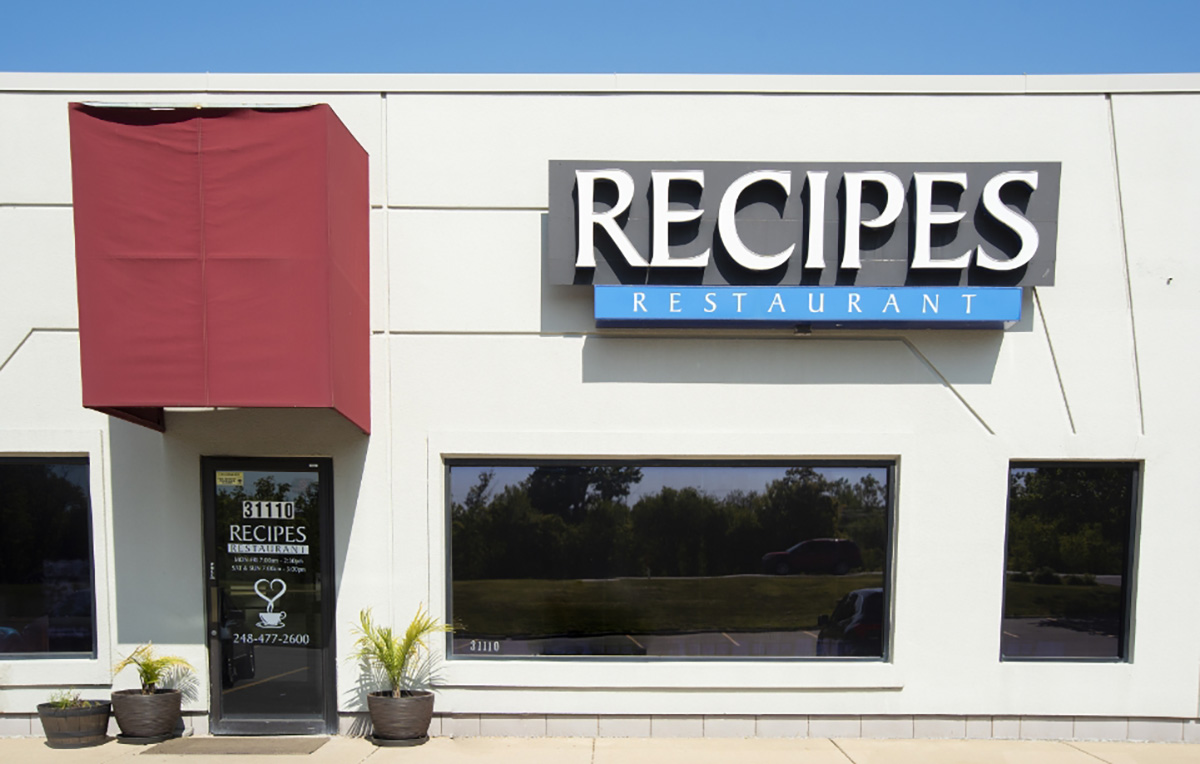
– Pepper in glimpses of the dining room, open kitchen, or friendly staff to convey atmosphere.
Conclusion
Compelling food photography is no longer a luxury; it is a core ingredient in modern hospitality. By investing in authentic, mouth-watering visuals, restaurants can attract new guests, reinforce trust, and turn a simple reservation into a lasting memory.
Future Directions
Tomorrow’s imagery may move beyond stills, incorporating short reels, interactive 360-degree table views, or personalized galleries that adapt to individual tastes. As technology evolves, the eateries that continue to prioritize genuine, high-quality visuals will remain top of mind and top of feed.

In the end, great photos do more than sell plates—they set the stage for stories guests can’t wait to share.


