

The Art and Science of Culinary Creativity: Transforming How We Eat
Introduction
Culinary creativity has always guided the way we cook, share, and think about food. From cherished family dishes to boundary-pushing restaurant menus, the universe of edible ideas keeps expanding. This article explores why these ideas matter, how they influence daily life, and what they promise for tomorrow’s table.

The Significance of Culinary Creativity
Cultural Heritage
Recipes act as edible archives of community memory. A single seasoning blend or cooking method can carry centuries of tradition, allowing flavors to travel through time while keeping cultural identity alive.
Innovation and Technology
New kitchen tools and scientific insights continually refresh the culinary landscape. Steam ovens, precision cookers, and plant-based proteins all started as fresh concepts that eventually reshaped home and professional cooking.

Economic Impact
Novel dishes and ingredients fuel a vast global market. A single trending flavor can inspire entire product lines, open new restaurants, and create jobs across farming, manufacturing, and hospitality sectors.
Types of Culinary Ideas
Traditional Ideas
Time-honored meals—think slow-simmered stews, hand-stretched breads, or sun-dried preserves—remain popular because they connect diners to familiar stories and regional pride.
Fusion Ideas
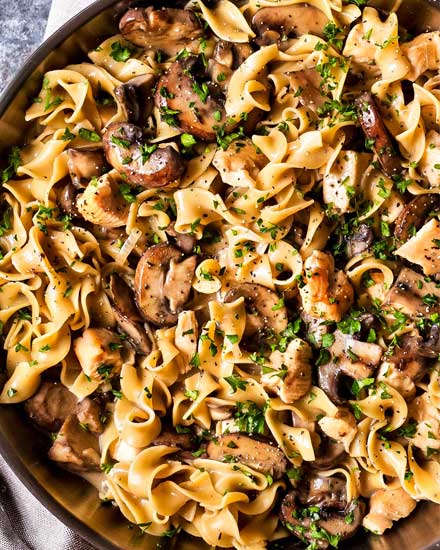
By marrying seasonings, techniques, or presentations from different food cultures, chefs craft hybrid dishes that feel both novel and comforting, such as curry pizza or kimchi tacos.
Avant-Garde Ideas
Experimental cuisine questions the rules: edible foams, color-changing desserts, or dishes served at carefully controlled temperatures. These concepts turn meals into multisensory performances.
The Impact of Culinary Ideas on Society
Health and Nutrition
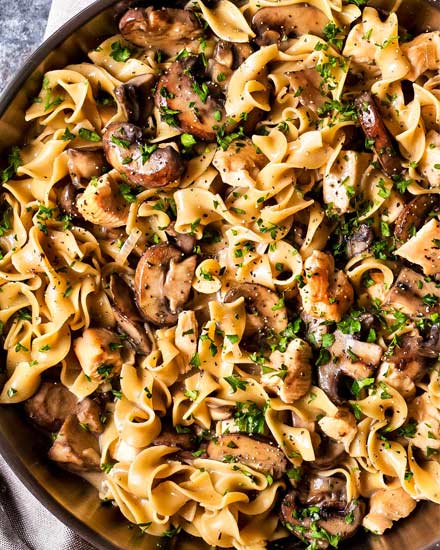
Inventive approaches can boost well-being—through nutrient-dense snacks, lower-salt seasonings, or colorful vegetable-forward plates—while poor-quality convenience foods remind us that creativity must also consider balance.
Social and Economic Impact
Shared meals strengthen neighborhoods, and mobile eateries or night markets give emerging cooks a low-cost entry point into business, enriching local economies and street life alike.
Challenges and Opportunities in the Food Industry

Sustainability
Feeding a growing population demands ideas that respect soil, water, and climate. Menus featuring imperfect produce, meatless Mondays, or upcycled ingredients show how tasty solutions can also lighten environmental footprints.
Technological Advancements
Digital platforms trace ingredients from farm to fork, smart appliances cut energy use, and data analytics predict which flavors will delight tomorrow’s consumers—tools that invite both efficiency and imagination.
Conclusion

Culinary creativity powers culture, commerce, and community. By welcoming diverse inspirations and tackling sustainability head-on, we can craft a food future that is flavorful, fair, and forward-looking.
Future Directions
The next chapter of gastronomy will blend respect for the planet, openness to technology, and celebration of global traditions. Priorities include:
1. Designing dishes and supply chains that protect natural resources.
2. Harnessing science to keep food safe, affordable, and exciting.

3. Encouraging cross-cultural dialogue so every recipe enriches the common table.
By following these guideposts, the art and science of culinary creativity will continue to nourish both people and the planet.


