

The Rise of Online Food Ordering: A Comprehensive Analysis
In today’s connected era, the way people enjoy meals has shifted dramatically. Digital ordering services have reshaped the food sector, offering unmatched ease and reach. This overview explores the trend’s influence, advantages, hurdles, and what lies ahead, focusing on the everyday habit of ordering meals through apps and websites.
Introduction to Online Food Ordering
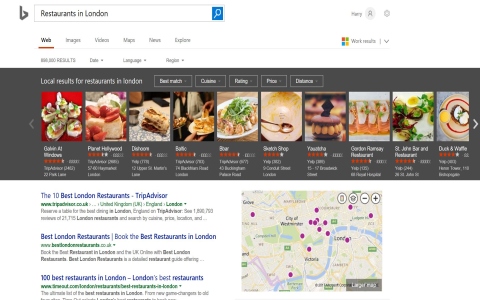
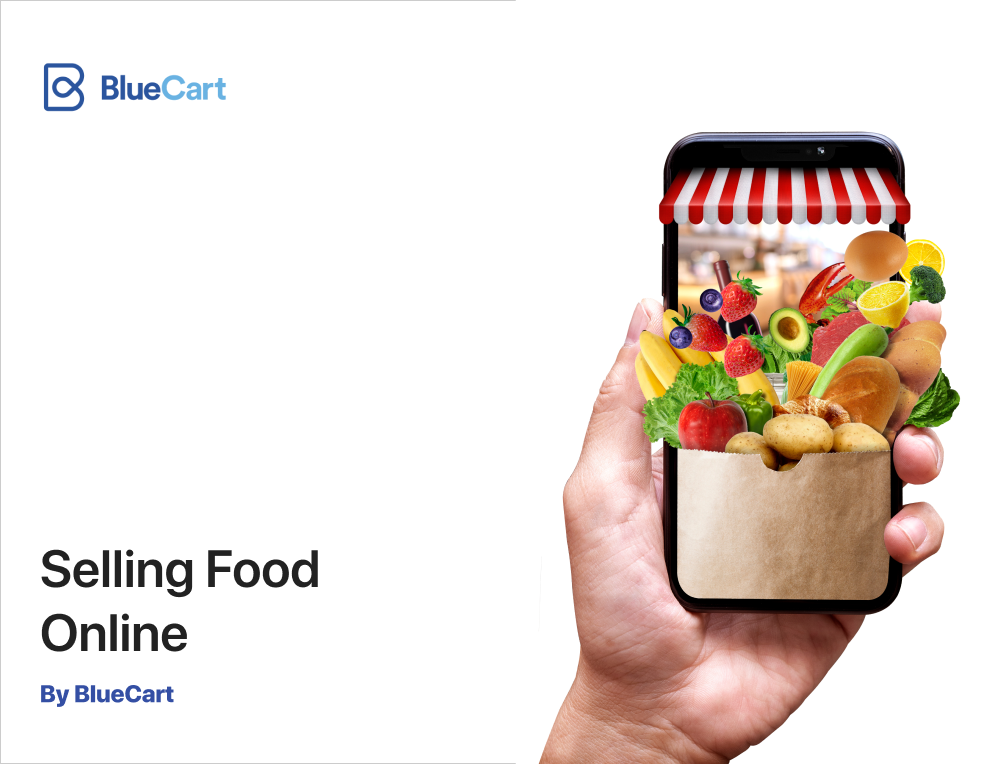
Online food ordering lets customers pick dishes from nearby eateries using a phone or computer. Menus appear on-screen, a few taps place the request, and couriers bring the meal to the door. The practice has soared as busy lifestyles and smart devices make remote ordering second nature.

Benefits of Online Food Ordering
Convenience
The biggest draw is sheer convenience. Diners avoid travel, queues, and cash handling, freeing up time for work, study, or relaxation.
Access to a Wide Range of Options
Platforms aggregate countless restaurants, cafés, and specialty kitchens, letting users compare cuisines, prices, and ratings before choosing. Discovery of new flavors becomes part of the experience.
Time Efficiency
Orders can be scheduled in advance or fired off in seconds, with reliable delivery windows that fit tight schedules.
Challenges and Concerns
Quality Control
Because meals travel from kitchen to courier to customer, maintaining temperature, presentation, and hygiene standards can be tricky. Reviews and photos help, yet variability persists.
Security and Privacy
Users share addresses and payment details, so platforms must invest in encryption, fraud detection, and transparent data policies to keep trust intact.

Competition and Market Saturation
As more brands enter the space, promotional noise increases and profit margins shrink, pushing restaurants and delivery firms to innovate constantly.
Impact on the Food Industry
Increased Revenue for Restaurants
Even small outlets can reach diners beyond walking distance, boosting order volume and smoothing demand across off-peak hours.
Shift in Consumer Behavior
Dining rooms now compete with living-room couches; many guests favor the comfort of home, prompting eateries to redesign menus for travel-friendly packaging.
Job Creation
Gig roles in driving, packing, and support centers have expanded, offering flexible income streams across cities large and small.
Future Prospects and Recommendations
Technological Advancements
Voice ordering, drone drops, and AI-curated meal suggestions promise faster, more personalized service while reducing human error.
Collaboration between Platforms and Restaurants
Shared data on demand patterns can improve inventory planning, cut waste, and refine delivery zones, benefiting both sides.
Regulatory Framework
Clear guidelines on food safety, driver insurance, and consumer refunds will stabilize the market and protect everyone involved.
Conclusion
Ordering meals online has woven itself into daily routines, balancing speed and variety against quality and security concerns. Continued investment in technology, cooperation among stakeholders, and sensible oversight can keep the ecosystem vibrant and reliable for years to come.
In short, digital ordering has redefined convenience dining. By tackling present challenges and embracing innovation, the industry can sustain its upward trajectory and keep satisfying appetites worldwide.

