


The Culinary Delights of Summer Recipes
Introduction
Summer brings longer days, golden light, and an appetite for meals that feel as carefree as the season itself. When the mercury climbs, cravings turn toward crisp, colorful plates that can be savored on a patio or packed for a picnic. Leading culinary platforms respond with an ever-growing collection of warm-weather ideas that celebrate ripe produce, minimal stove time, and big flavor. This article explores why those sunny-month recipes matter, the trends they spotlight, and the subtle ways they shape how we shop, cook, and connect.
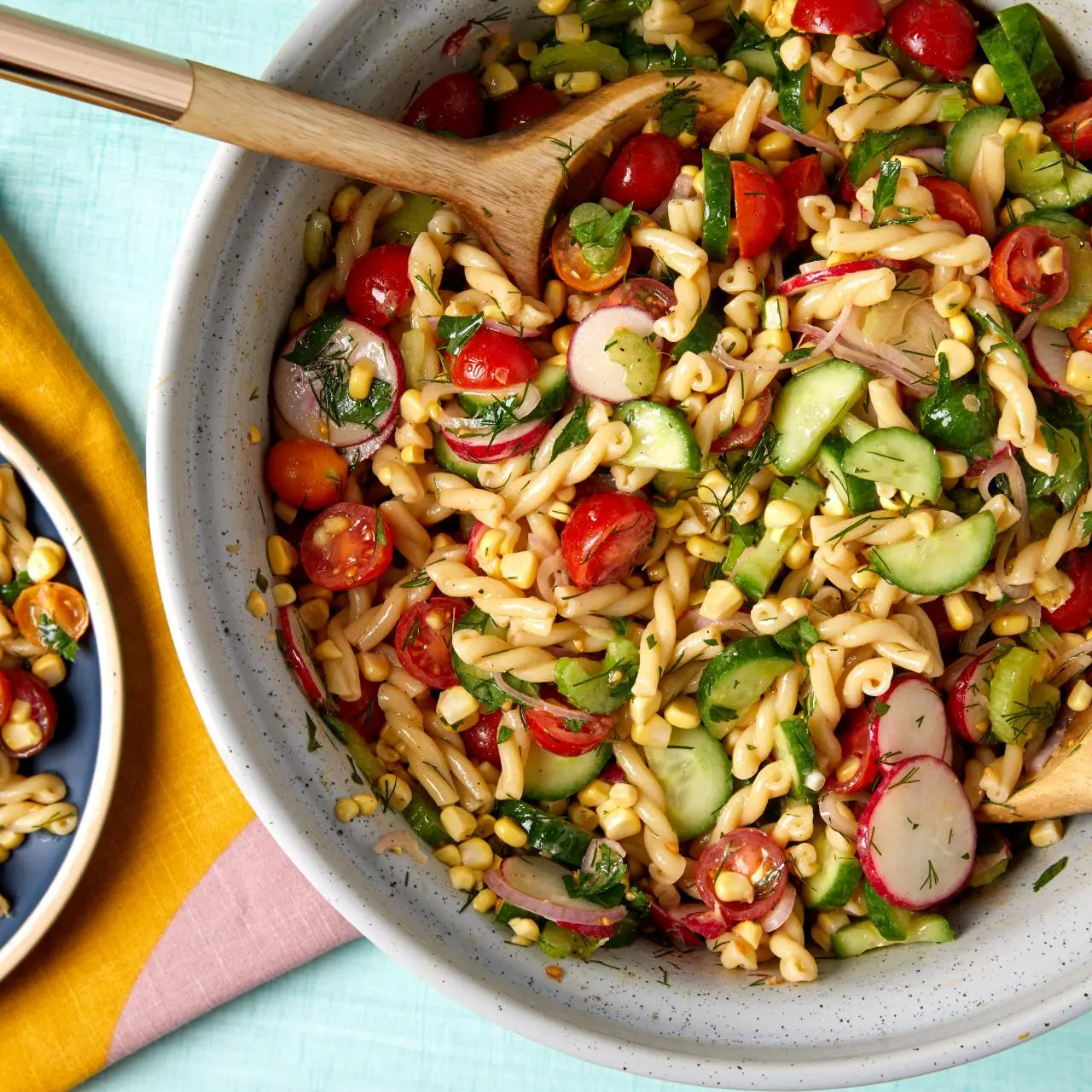
The Significance of Summer Recipes
Seasonal dishes do more than fill a table; they capture a mood. Menus lean on fruits and vegetables picked at peak sweetness, herbs that grow faster than they can be picked, and techniques that keep kitchens cool. Their importance shows up in three simple ways:
1. Peak-Season Freshness
Recipes built around berries, tomatoes, corn, and stone fruit taste better and often cost less because nature—not a cargo hold—delivers them to the market. Cooking with what’s abundant nearby also supports regional growers and shortens the journey from soil to plate.
2. Creative Playfulness
Relaxed schedules invite experimentation: a quick pickle here, a smoky plank of cedar there, maybe a spritz of citrus zest to finish. Cooks feel freer to riff, and the results ripple outward, inspiring neighbors and social feeds alike.
3. Shared Moments
Grills smoke, coolers clink, and bowls of salad get passed hand to hand. Warm-weather food is engineered for sharing, turning meals into low-pressure gatherings where the only dress code is sunscreen.
Culinary Trends on Today’s Summer Tables
Flip through recent menus or feeds and you’ll notice three currents running strong:

1. Plant-Forward Plates
Burgers made from beans, charred cauliflower “steaks,” and silky grilled peaches over greens have moved from sidebar to center stage. Even omnivores lean on these dishes for a lighter balance between hearty and healthy.
2. Global Accents
A spoonful of chimichurri, a dusting of za’atar, or a cool drizzle of coconut-lime dressing transports taste buds without a plane ticket. Cross-cultural mash-ups feel natural when the ethos of summer is exploration.
3. Feel-Good Nutrition

Color is the new calorie count: vivid reds, purples, and greens signal antioxidants and hydration. Grilling, blistering, and quick searing add flavor without heavy sauces, letting natural goodness shine.
The Quiet Influence on How We Eat
When millions fire up the grill or blend a no-cook soup, markets notice. Growers plant extra rows of specialty greens; retailers stock chilled noodle kits; cookware brands launch lighter pans designed for patio burners. Cooking channels and short-form videos double as classrooms, demystifying knife cuts or the art of a perfect char. In turn, advertisers spotlight picnic packs, eco-friendly skewers, and citrus reamers, turning appetite into a gentle economic engine.
Conclusion
Summer recipes are edible postcards of the season: sun-sweet, breeze-cool, and built for sharing. They nudge us toward fresher carts, bolder spices, and longer twilight conversations. Each year the cycle repeats—seed, sprout, harvest, celebrate—reminding us that the simplest way to honor good weather is to eat like it matters.
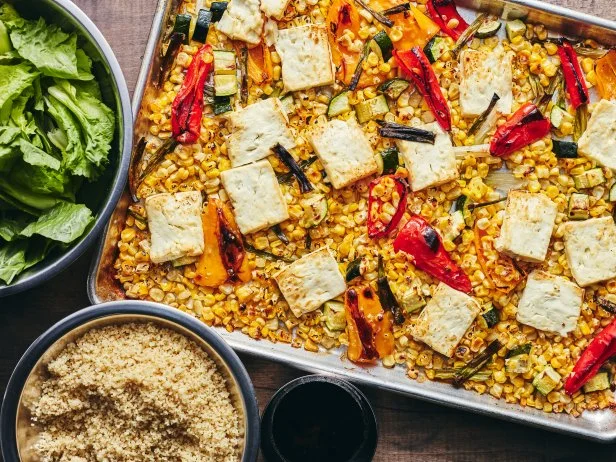
Future Directions
Tomorrow’s warm-weather cooking will likely weave even more planet-friendly choices and border-crossing flavors into everyday meals. Expect greener grills, upcycled leftovers turned into salads, and technology that helps home cooks waste less and savor more. Whatever forms they take, summer dishes will keep translating sunshine onto the plate, one refreshing bite at a time.

