

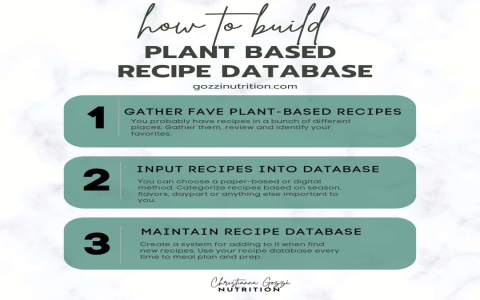
Title: The Significance of Recipe Databases in Modern Cooking and Culinary Education
Introduction:
In today’s connected world, the culinary landscape has changed dramatically. Among the most notable shifts is the rise of recipe databases, which have reshaped how people find, share, and safeguard cooking ideas. This article examines why these collections matter for home kitchens and formal training alike, focusing on how they spark creativity, protect food traditions, and sharpen practical skills.
The Evolution of Recipe Databases
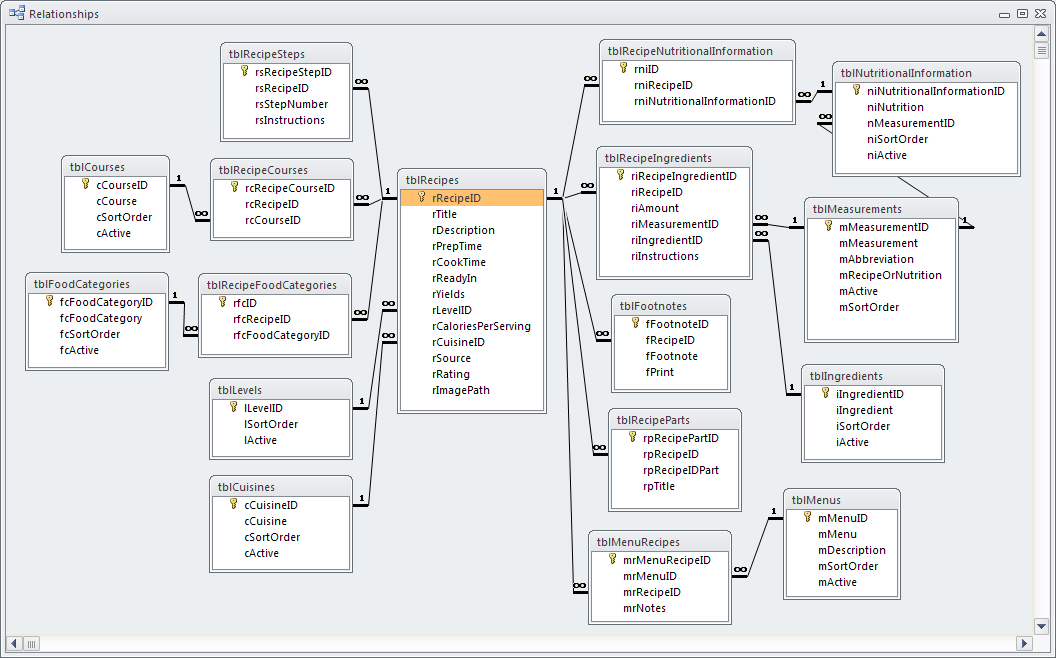
What began as handwritten notes and printed cookbooks has blossomed into dynamic, searchable archives. Early online lists were little more than plain text, but steady improvements in bandwidth and design soon added photos, step-by-step videos, and user comments. The result is a far richer experience that helps learners visualize each stage of a dish and understand the reasoning behind it.
Modern platforms also layer in tools such as automatic unit conversion, nutritional estimates, and seasonal ingredient alerts. These extras make the content useful to a wider audience, from novice cooks to seasoned instructors looking for classroom material.
The Role of Recipe Databases in Culinary Innovation
Open access to thousands of flavor combinations encourages both professionals and amateurs to test new pairings. A baker in one country can adapt a stew popular in another, while a student might replace a hard-to-find spice with a local herb, documenting the outcome for others. This cycle of trial, feedback, and refinement fuels a steady stream of fresh dishes and techniques that keep global cuisine vibrant.
Social networks accelerate the process: a single post can inspire reinterpretations within hours, creating miniature trends that travel faster than any cookbook ever could.
The Preservation of Culinary Heritage
Beyond novelty, digital archives act as safeguards for time-honored recipes. By uploading grandmother’s soup or a regional festival bread, communities ensure that methods and stories survive even as kitchens and lifestyles change. Photographs, voice clips, and short anecdotes attached to each entry add context that pure ingredient lists cannot capture.
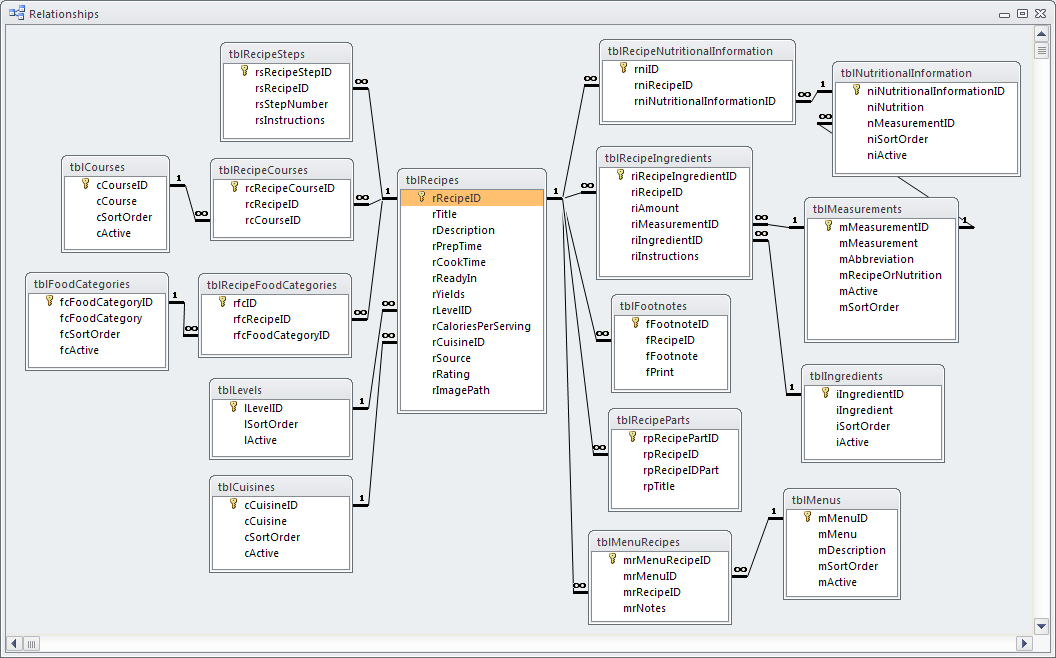
Such records are especially valuable for dishes tied to seasonal rituals or local produce, offering future cooks a clear path back to authentic flavors.
The Impact of Recipe Databases on Culinary Education
Teachers increasingly treat well-curated databases as living textbooks. Students can compare five versions of a sauce, watch close-up knife-work, read troubleshooting tips, then upload their own attempt for peer review. Key benefits include:
1. Exposure to global cuisines without leaving the classroom, encouraging cultural appreciation and technical versatility.
2. Interactive elements—timers embedded in steps, pop-up glossaries, adjustable portion calculators—that reinforce theory through practice.
3. Discussion threads that connect learners at different skill levels, creating mentorship moments and collaborative problem-solving.

4. Twenty-four-hour access on phones or tablets, allowing practice at home and reducing the gap between demonstration and personal execution.
The Future of Recipe Databases
Several developments promise to make these platforms even more helpful. Machine-learning engines will refine suggestions based on individual taste profiles or dietary goals, cutting down search time. Virtual and augmented reality could place users inside a three-dimensional kitchen, letting them rehearse timing and movements risk-free. Meanwhile, voice-first interfaces and offline modes will extend reach to areas with spotty connectivity, ensuring that inspiration is never more than a question away.
Conclusion:
Recipe databases have moved from simple lists to powerful ecosystems that educate, inspire, and preserve. By blending technology with the timeless pleasure of cooking, they equip anyone, anywhere, to participate in the continual reinvention of the culinary arts. As new tools emerge, these collections will remain at the heart of how we learn, share, and celebrate food.


